
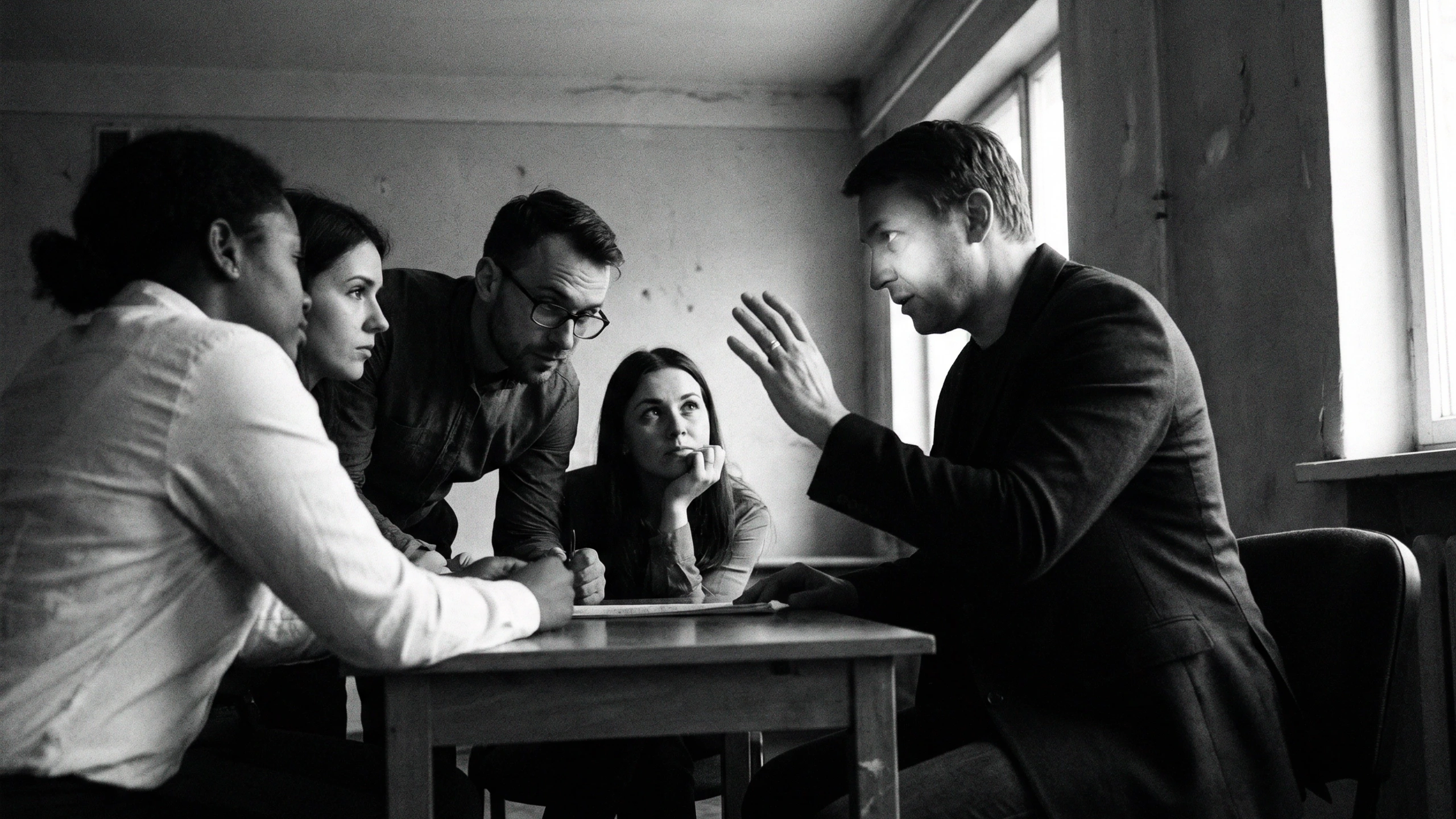
Listening Errors
The most common mistakes that undermine active listening — and how to recognise and correct them in your own communication habits.
Most people believe they are better listeners than they actually are. The gap between perceived and actual listening quality is one of the most consistent findings in communication research — and it is sustained by a set of common errors that feel like listening but systematically undermine genuine understanding. Recognising these patterns in yourself is the first and most important step toward correcting them.
This subtopic examines the most prevalent listening errors in detail: interrupting before the speaker has finished, finishing people's sentences, listening selectively for information that confirms your existing view, rehearsing your response while the other person is still speaking, assuming you already know what someone is going to say, and the subtle dismissiveness of immediately redirecting the conversation to your own experience. You will also find guidance on the more sophisticated listening errors — the kind that look like engagement but are actually forms of control or evaluation, such as giving advice before being asked or offering premature reassurance that shuts down further sharing.
Understanding your own listening errors is not a cause for self-criticism — it is the foundation of real improvement. These articles help you identify and address them honestly.
No articles yet
Check back soon for articles on Listening Errors.