
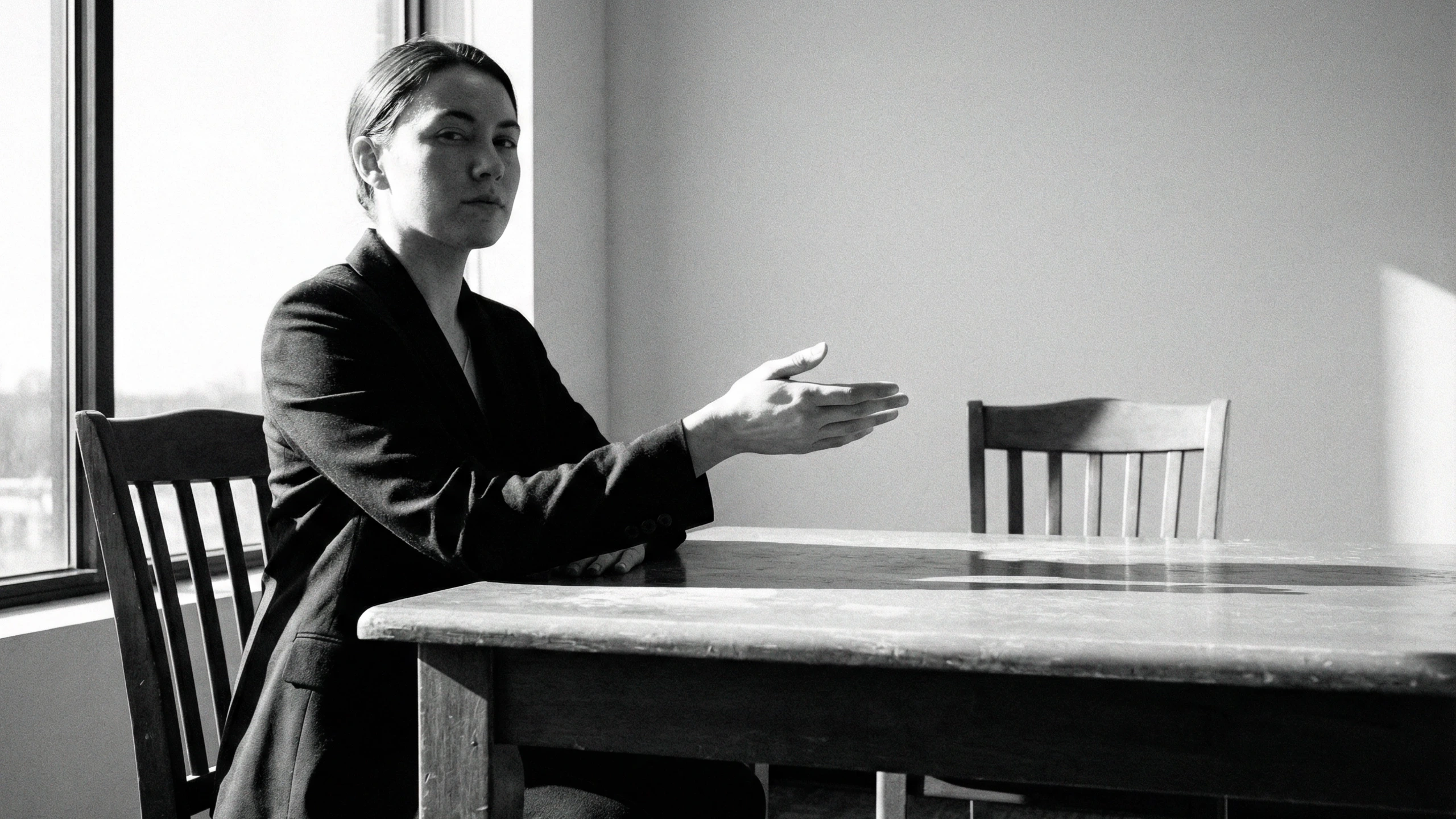
Silent Assertiveness
How posture, eye contact, stillness, and physical presence communicate assertiveness powerfully without a word being spoken.
Assertiveness is not only a verbal act. The physical dimension of communication — how you hold yourself, whether you meet someone's gaze or look away, how you manage your physical stillness under pressure, the space you allow yourself to occupy — communicates your level of self-belief and your willingness to hold your position before you have said a single word. Silent assertiveness is the capacity to occupy space, meet eyes, and remain physically composed in ways that signal confidence without aggression.
This subtopic explores the nonverbal dimensions of assertive communication: how upright and open posture creates an immediate signal of confident self-possession that shapes how everything you say is received, how sustained and comfortable eye contact communicates directness and honesty rather than challenge or aggression, how the management of physical stillness under pressure — the absence of the nervous movement, the averted gaze, the self-diminishing posture adjustments — signals the composure that assertiveness requires, and how the space you allow yourself to occupy in a room or a conversation communicates your sense of your own right to be present and heard. You will find guidance on developing greater physical self-awareness and on the specific nonverbal habits that quietly signal submissiveness even when your words are assertive.
Silent assertiveness is the physical foundation of effective assertive communication. These articles develop it with observable, practical guidance.
No articles yet
Check back soon for articles on Silent Assertiveness.