
In Short
Patient hearing recovery is not optional, it is the skill that makes sustained attentive listening possible over time. Without it, a single draining session bleeds into everything that follows.
- A structured recovery process shortens the drain from hours to minutes.
- The goal is not to forget the conversation but to process it and set it down.
- You can protect your capacity for difficult listening without withdrawing from it.
Patient hearing recovery is the deliberate process of restoring your mental and emotional capacity after a session of sustained attentive listening to a difficult or distressing person. It involves specific steps to decompress, process what you absorbed, and rebuild your focus before the next demanding interaction.
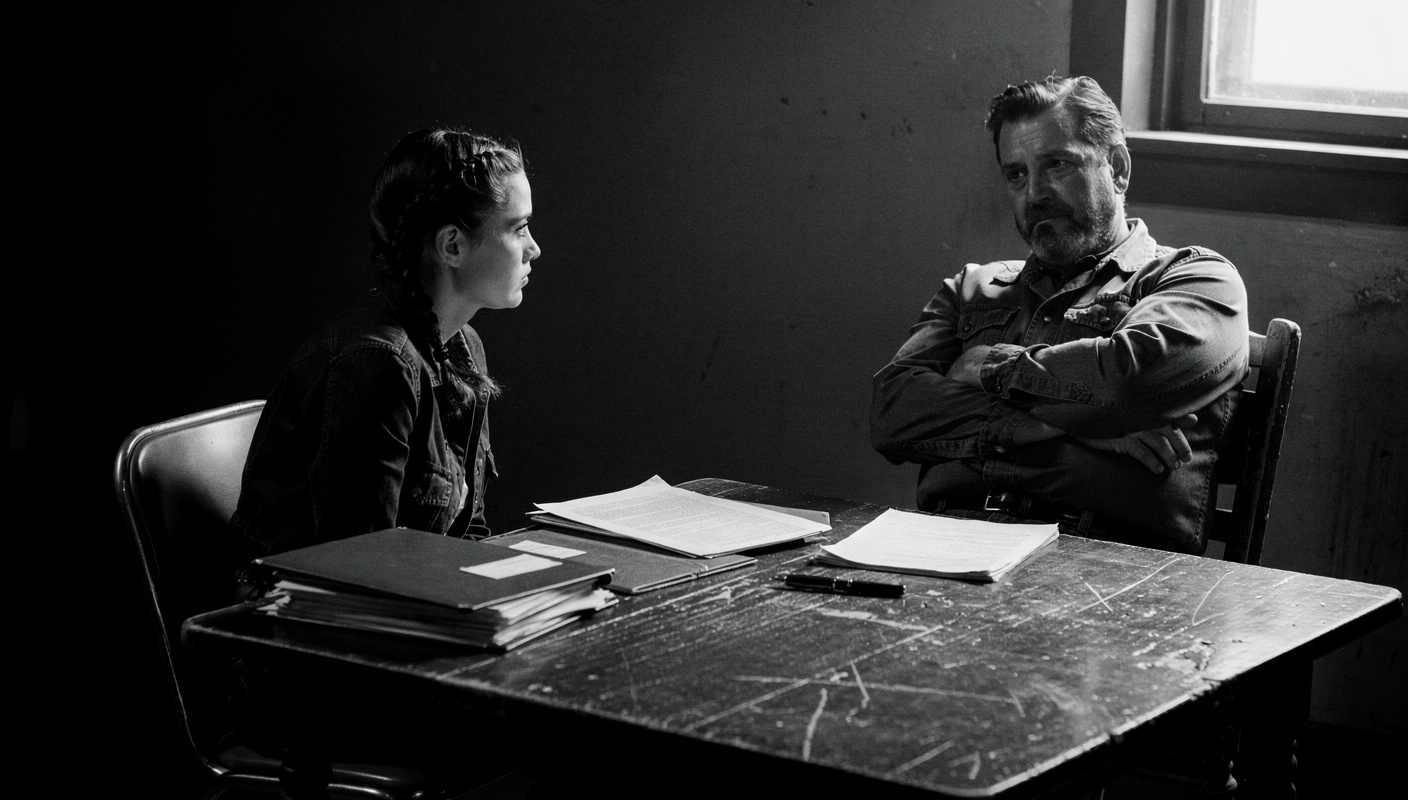
You sat with someone difficult for forty minutes. You stayed present. You held your reactions. You listened when everything in you wanted to redirect, correct, or simply leave. You did the work well. And then you walked out of that room and spent the next three hours carrying it all with you, half-distracted in every meeting, snapping at a colleague, staring at a screen you could not read.
That is the hidden cost of patient hearing. Not the conversation itself, but the aftermath. The session ends, but the weight of it does not. Most people treat that drain as unavoidable, something you simply endure. After six decades of having these conversations and teaching others to have them, I know that is not true. Recovery is a skill. You can build a process around it, shorten the drag, and protect your capacity to keep listening well. That is what this article gives you.
Why Attentive Listening to Difficult People Depletes You Differently
There is a particular exhaustion that follows patient hearing, and it is worth understanding before you try to address it.
When you listen attentively to a difficult person, you are doing three things simultaneously. You are suppressing your own reactions, holding back the interruptions, the corrections, the defences. You are tracking meaning beneath the surface of what they say, staying alert to what is real versus what is performance. And you are absorbing emotional content without deflecting it, letting frustration, grief, resentment, or confusion land without immediately pushing it away.
That combination is cognitively expensive. Your brain treats sustained attentive focus like physical effort. A forty-minute session of genuine patient hearing can produce the same mental fatigue as two hours of concentrated analytical work. And unlike most professional tasks, it leaves residue: fragments of what the other person said that continue playing in your mind, unresolved emotional content that has no natural outlet, and a low-grade vigilance that does not switch off cleanly when the conversation ends.
If you find yourself reviewing what they said long after you left the room, you are not being weak. You are experiencing normal listener fatigue from an abnormally demanding task. The question is what to do about it.
"The Conversation You're Avoiding Is the One You Need to Have."
"The Conversation You're Avoiding
Is the One You Need to Have."
Stop rehearsing conversations you'll never have. Say It Right Every Time gives you 115 word-for-word scripts and 16 proven frameworks to speak with confidence in every conversation that matters.
What You Need in Place Before Any Recovery Process Works
The recovery steps below will serve you well. But two conditions must be in place for them to work properly.
First, you need a clear schedule boundary after the session. Recovery takes 20 to 45 minutes of relatively quiet time. If you book a patient hearing conversation immediately before a presentation, a team meeting, or any high-demand task, you undermine your own recovery before it starts. Protect the time after. Think of it the way a surgeon thinks about a rest period: the work requires it, not as a luxury but as a functional requirement.
Second, you need to have entered the conversation with a defined role. Not fixer. Not judge. Not counsellor. Listener. When you enter a patient hearing session without that clarity, you absorb more than you should, because part of you is trying to solve what you are hearing while you hear it. That doubles the cognitive load. If you carry the wrong role into the session, recovery is harder than it needs to be. Get clear on your role before you sit down, and the weight you carry out will be lighter.
The Recovery Process: Six Steps to Get You Back on Solid Ground
These steps work in sequence. Do not skip the early ones to get to the later ones faster.
Step 1: Create a Physical Break the Moment the Session Ends
Do not go directly from the conversation to the next task. Stand up, move, change your physical location, even briefly. Walk to get water. Step outside for three minutes. Go to a different room. The physical movement signals to your nervous system that the session is over. It interrupts the carry-over pattern before it takes hold.
This sounds simple because it is simple. The difficulty is that most people skip it. They close the door on the conversation and immediately open their email, take a call, or walk into the next meeting. That transition without a break is where the drain embeds itself.
If someone presses you to move directly to the next thing, use this: "Give me five minutes to gather my thoughts." No explanation required. No one questions it.
Step 2: Write One Sentence About What You Heard
Sit down with a notebook or a blank document and write a single sentence summarising what the person communicated at its core. Not a report. Not a transcript. One sentence that captures the essential truth of what they brought to you.
For example: "She is afraid she is invisible to the people who decide her future here." Or: "He has been carrying resentment about that decision for two years and has told no one until now."
This step does two things. It moves the content from your head onto the page, which reduces the mental loop of replaying the conversation. And it sharpens what genuinely matters from the session, which helps you decide what, if anything, requires a follow-up action.
How to start a difficult conversation that builds on what you heard is a skill that pairs well with this step, because when you know what you actually heard, you can decide whether and how to respond.
Step 3: Name What the Conversation Stirred in You
This is the step most people resist, and it is the most important one. Before you move on, spend two minutes identifying the emotion the session left in you. Name it specifically. Not "I feel off" but "I feel angry" or "I feel sad" or "I feel guilty that I could not help more" or "I feel irritated that I had to listen to that for forty minutes."
You do not need to do anything with that emotion. You do not need to analyse it or resolve it. You simply need to name it. Naming a feeling reduces its physiological grip. It is one of the best-tested principles in emotional self-regulation, and in my experience it is consistently underused by capable, practical people who consider it too soft to bother with.
Write the word down if it helps. Say it quietly to yourself if writing feels odd. Either way, name it before you move on.
Step 4: Decide What Is Yours and What Is Not
A difficult person often brings content that is technically their problem but attaches itself to you during a patient hearing session. Grief. Blame. Fear. Unresolved conflict. Some of that is yours to carry forward, because it requires action from you. Most of it is not.
Take one minute to draw a simple line. Ask: "What from this conversation requires something from me?" Anything that does, write it down as a concrete next step. Anything that does not, consciously set it down. The phrase "that is not mine to carry" is not a dismissal of the other person's reality. It is a necessary boundary that preserves your capacity to keep showing up.
This connects directly to why avoiding difficult conversations becomes its own problem: when you do not process what you absorb, the accumulation of unprocessed sessions starts to feel like a reason to stop having them altogether.
Step 5: Do Something That Asks Nothing of You
This step is not optional, and it is not about self-indulgence. For ten to fifteen minutes after the naming and the decision steps, do something that requires no output from you. Not more listening. Not a conversation. Not a task with a deliverable. Something absorbing and low-demand: a short walk without purpose, a cup of tea in a quiet corner, five minutes looking out a window.
Your brain needs a transition period between high-demand attentive listening and the next cognitive task. Without it, you are asking your mind to perform well without having refuelled. Fatigue accumulates across sessions when you skip this step, and after several back-to-back draining conversations, you will find your quality of attention deteriorating sharply.
Step 6: Re-enter with a Clean Slate
Before you walk into the next meeting, conversation, or task, take thirty seconds to name where you are going and what it needs from you. Not a long preparation: just a brief, clear forward orientation. "This next conversation is about project timelines. I need to be direct and specific."
This resets your internal context. It tells your mind that the patient hearing session is filed, and what comes next is a different kind of work. Without this step, the emotional residue of the difficult session can colour the next interaction in ways you do not intend, making you shorter than you mean to be, or more guarded than the situation calls for.
Adapting the Process When You Work Remotely
Remote patient hearing sessions carry a particular recovery challenge. When you sit across from someone in person and the conversation ends, the physical separation of leaving the room does real work. On a video call, you close a window and you are still sitting in the same chair, in the same room, often staring at the same screen. The environment does not change, so the psychological transition is harder to make.
For remote sessions, you need to manufacture the break that in-person settings provide automatically. After the call ends, close the laptop or turn off the screen entirely. Leave the room, even for three minutes. Come back to a different task on the screen, not the same window where the session just happened.
The writing and naming steps work identically in remote settings. What changes is the physical reset: you have to be more deliberate about it, because nothing in your environment does it for you.
If your team has a culture of back-to-back video calls with no transition time, that culture is working against good listening. Conversations about how to de-escalate team conflict often fail not because people lack the skills, but because those conversations are scheduled back-to-back and the listener arrives already depleted from the session before.
Where People Go Wrong After a Difficult Listening Session
Most of the mistakes I have seen in recovery from patient hearing come from a good instinct applied in the wrong direction. Here are the three I see most often.
The mistake: Talking through the session with a colleague immediately afterward.
Why it happens: You want to process out loud, and that is a natural impulse.
What to do instead: Write first, then talk. If you debrief with a colleague before you have named your own emotion and decided what is yours to carry, you risk amplifying the residue rather than releasing it. Give yourself fifteen minutes of solo processing first.
The mistake: Treating the draining feeling as a sign that something went wrong in the session.
Why it happens: We associate professional skill with efficiency, and efficiency does not feel exhausting.
What to do instead: Recognise that drain is a sign the session went right. You stayed present, you absorbed what needed to be absorbed, and your mind is doing the work of processing it. Fatigue here is not failure; it is the expected cost of doing the work properly.
The mistake: Skipping recovery steps when the schedule is tight, intending to catch up later.
Why it happens: Recovery feels like optional maintenance, not essential work.
What to do instead: Understand that without a clean break, the session embeds into everything that follows. A ten-minute recovery process costs less than the two hours of diffuse, low-grade distraction that replaces it. There is also useful guidance in how to use the R.E.C.O.V.E.R. method when a team conversation goes wrong for the moments when a session ends badly and the recovery task is even harder.
Your Post-Session Recovery Checklist
Keep this. Use it after every patient hearing session that leaves you feeling depleted.
- Physical break taken: Did you move or change location within five minutes of the session ending?
- One-sentence summary written: Do you have a single sentence capturing the core of what the person communicated?
- Emotion named: Have you identified and named the specific feeling the conversation left in you?
- Ownership decided: Have you separated what requires action from you from what belongs to the other person?
- Transition rest taken: Did you allow ten to fifteen minutes of low-demand activity before moving to the next task?
- Clean re-entry: Did you orient yourself to what comes next before walking into it?
If you complete all six in sequence, your recovery time will typically fall under thirty minutes. If you skip any of them, especially steps two and three, expect the drain to extend for hours.
For related listening and feedback skills that build on this recovery foundation, see how to give feedback that strengthens rather than damages team connection and how to apologise in a way that actually restores trust. Both require the same quality of presence that patient hearing demands, and both are undermined when you arrive carrying an unprocessed session from earlier in the day.
The D.E.A.L. method for resolving fracturing conflict also depends on your capacity to hear clearly before you act. If your listening is compromised by accumulated fatigue, the whole method loses its ground.
How to Know When You Have Genuinely Recovered
Recovery is not the absence of tiredness. It is the restoration of your capacity to be present with the next person or task without carrying the previous session into it.
You know the process has worked when you can think about what the person said without a pull of unfinished emotion. When you can review your one-sentence summary and feel clear, not stirred. When you walk into the next conversation and your attention is on the person in front of you, not the one you left behind.
That is the standard. Not numbness. Not distance. Clear presence, back in the room, ready to listen again.
Here is the truth of it: patient hearing recovery is not about protecting yourself from difficult people. It is about protecting your capacity to keep showing up for them. The world has no shortage of people who need to be heard properly. What it lacks are people willing and able to keep doing that work sustainably, session after session, without burning out or shutting down. A reliable recovery process is what makes that possible. Patient hearing recovery, done consistently, is what separates the people who can sustain this work for years from those who quietly stop showing up for it.
Frequently Asked Questions (FAQ)
What is patient hearing recovery?
Patient hearing recovery is the deliberate process of restoring your mental and emotional capacity after a session of sustained attentive listening to a difficult person. It involves specific steps to decompress, process what you absorbed, and rebuild your focus before the next demanding conversation.
How long does it take to recover from a draining listening session?
Recovery time depends on the intensity of the conversation and your preparation, but most people need between 20 and 45 minutes of deliberate recovery. Without a structured process, that drain can linger for hours and affect the quality of your listening in subsequent interactions.
Why does patient hearing feel so exhausting?
Patient hearing requires you to suppress your own reactions, hold your attention steady, and absorb emotional content without deflecting it. That combination of cognitive suppression, emotional absorption, and sustained focus depletes your mental energy faster than most other professional tasks.
Can you do patient hearing recovery at work without looking strange?
Yes. Most of the steps take fewer than five minutes and look like any ordinary break. Walking to get water, sitting quietly before your next meeting, or writing a few notes in a notebook are all effective recovery actions that attract no attention from colleagues.
How do you protect yourself during patient hearing so recovery is easier?
The best protection happens before the session begins. Set a time boundary, clear your schedule for at least 20 minutes afterward, and enter with a clear role: you are there to understand, not to fix or absorb. That framing reduces the emotional load you carry out of the room.
What is the difference between patient hearing and just listening politely?
Polite listening is surface-level: you hear the words and nod along. Patient hearing is active and sustained: you track meaning, resist the urge to interrupt or judge, and stay fully present with someone who is difficult, distressed, or draining. It is a deliberate skill that costs real energy.
How do I stop a draining conversation from affecting the rest of my day?
The key is a clean break between the session and what follows. Use a short physical reset, write a one-sentence summary of what you heard, and name the emotion the conversation stirred in you. Those three steps interrupt the carry-over and stop the session replaying in your head all afternoon.