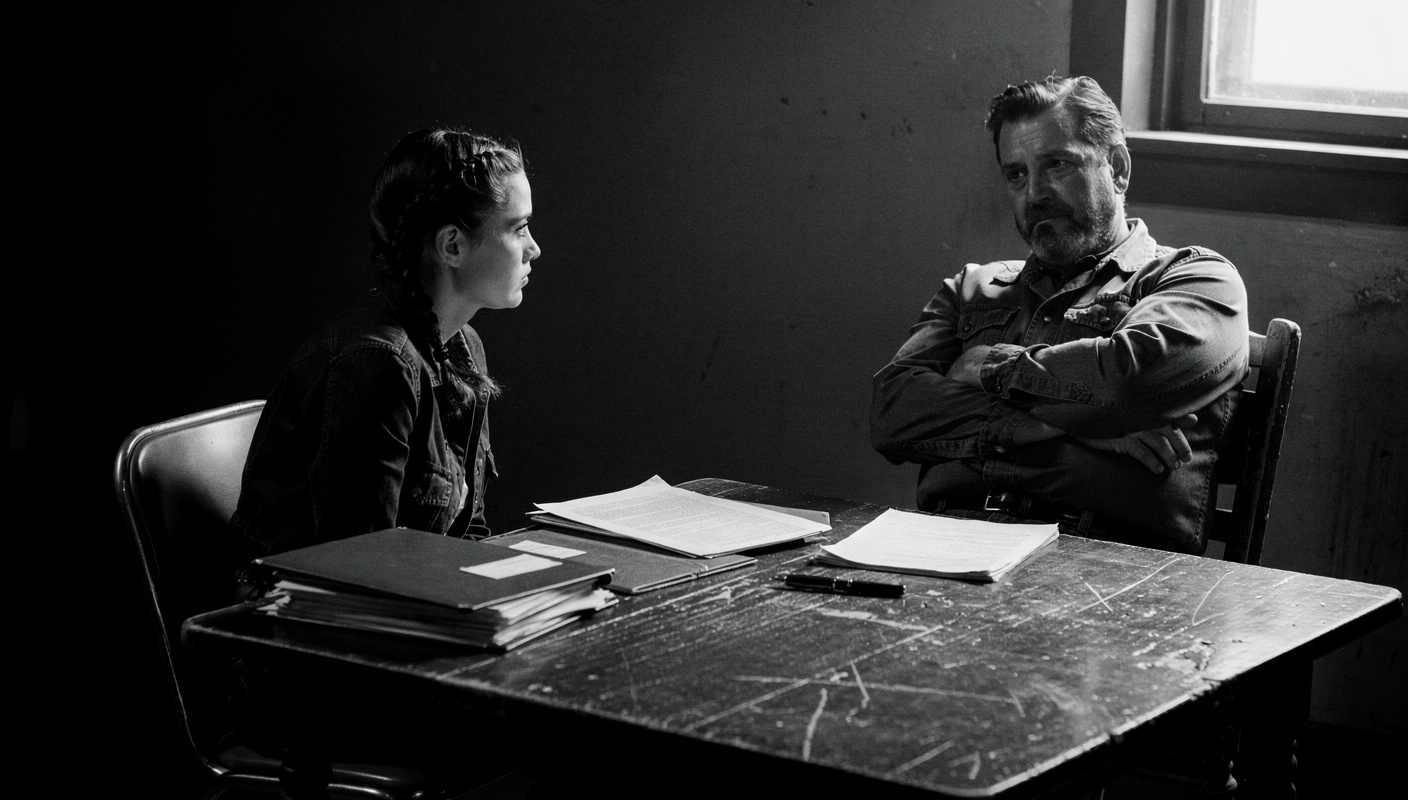

In Short
Silence and breathing are not what you do when you have nothing to say. They are the active tools that make patient hearing possible with difficult people.
- A deliberate pause after someone speaks signals genuine attention and invites honesty.
- Slow, controlled breathing resets your nervous system and stops reactive responses before they start.
- Together, stillness and breath give you the composure to hear what is actually being said, not just what provokes you.
Patient hearing silence is the conscious use of stillness and breath to remain fully present and non-reactive while another person speaks. It is an active listening discipline that creates the conditions for honest communication, especially when the other person is difficult, hostile, or emotionally charged.
There is a pattern I have watched repeat itself across six decades of hard conversations. Someone difficult says something that stings, or ramps, or twists the truth, and the person trying to hear them flinches. Not with words, not yet. With a small intake of breath, a tightening of the jaw, a lean backward. And just like that, before a single word is spoken in reply, the conversation is already lost. Patient hearing silence is the practice that prevents that collapse. Most people think silence is what happens when you have nothing to say. The truth is the opposite. Silence, used deliberately, is one of the most powerful tools in patient communication, and the breath that controls it is its engine. By the end of this article, you will understand not just what that means, but why it works at the level of the body and the relationship.
What Most People Actually Do When They Try to Listen
There is a version of listening most of us practice without knowing it. I call it reactive listening. You hear the first few words someone says, your brain begins composing a response, and by the time they finish speaking, you are not listening anymore. You are waiting. The other person can feel this. With difficult people, this is particularly damaging. When someone who is already guarded or aggressive senses that you are not truly receiving them, they either escalate or shut down.
Reactive listening fills silence before it can form. The moment the other person stops speaking, you move. You answer, you redirect, you defend. It feels productive because something is happening. But genuine patient hearing requires you to resist that pull entirely. Understanding why your body fights you on this is the first step to changing it.
"The Conversation You're Avoiding Is the One You Need to Have."
"The Conversation You're Avoiding
Is the One You Need to Have."
Stop rehearsing conversations you'll never have. Say It Right Every Time gives you 115 word-for-word scripts and 16 proven frameworks to speak with confidence in every conversation that matters.
Why Your Body Treats Silence as a Threat
When you are in a tense exchange with someone difficult, your nervous system does not know the difference between a verbal attack and a physical one. Your threat-response activates. Cortisol rises. Your breathing shortens and moves up into your chest. Your thinking narrows. This is the same state described in conversations about what the amygdala hijack does to communication in high-pressure moments, and it is the enemy of patient hearing.
In this activated state, silence feels unbearable. It reads as vulnerability. Filling it feels like regaining ground. So you talk, you explain, you defend, and you lose the very composure that could have turned the conversation. The difficult person now has a reactive version of you to deal with, which almost always makes things worse. This is the core trap: the moment you need patient hearing most is exactly the moment your body is least inclined to offer it.
The Mechanism: How Breath Unlocks Stillness
Here is the truth of it. You cannot think your way into patient hearing during a difficult exchange. You have to breathe your way into it. This is not a metaphor. It is physiology.
When you slow your exhale deliberately, longer than your inhale, you activate the parasympathetic nervous system. Your heart rate drops. Your chest opens. The cortisol spike begins to ease. Within two or three breath cycles, you can shift from a reactive state into a grounded one. From that grounded state, silence becomes available to you, not as emptiness, but as presence.
The practical implication is immediate. Before you respond to anything a difficult person says, take one full breath with a slow exhale. Not a theatrical sigh. A quiet, internal reset. That single act changes what comes next because it changes who is responding. A version of you that has breathed is a fundamentally different communicator than a version of you that has not. This is the mechanism that makes patient hearing silence possible, and it is one worth practising before you need it.
What Silence Actually Communicates to the Other Person
Silence is never neutral. It always means something. The question is whether you are controlling what it means or letting the other person fill it with their own fears and assumptions.
When you hold a brief, calm silence after someone difficult finishes speaking, three things happen. First, they receive a signal that you are actually processing what they said, not just waiting for your turn. Second, they often continue speaking. People fill silence, and what they say in that continuation is frequently more honest than what they led with. Third, the pace of the exchange slows, and slower conversations are less combustible.
This is deeply connected to what makes psychological safety a foundation for honest communication. When you do not rush to fill the space, you signal that what the other person says is worth sitting with. That signal is rare. Most people have never experienced it in a difficult conversation. When they do, it changes their behaviour, often in ways that surprise them. The connection between patient hearing and empathy bridges in team communication is direct: stillness is what makes another person feel heard before you have said a word.
Three Moments Where This Plays Out in Real Exchanges
Let me give you three situations where patient hearing silence makes or breaks the conversation, because the mechanism is easier to see when it is grounded in the specific.
The escalating colleague. Someone is frustrated, speaking too fast, voice rising. Your instinct is to interrupt and redirect. If you hold your breath, stay still, and let them finish completely before you breathe and respond, the escalation frequently peaks and drops on its own. The silence after they finish is the container that holds the emotion long enough for it to begin cooling. If you respond immediately, you add fuel. If you breathe and pause, you give the fire less oxygen.
The person who says something unfair. A difficult person accuses you of something untrue or exaggerated. The urge to correct immediately is almost irresistible. Patient hearing silence here means breathing first, holding two or three seconds, and then responding from composure rather than injury. Your silence does not signal agreement. It signals strength. A calm, considered reply from a still person carries far more weight than an immediate defensive reflex, and it is far more likely to be heard. The tools described in giving feedback that strengthens rather than breaks a team depend on this same composure.
The person who tests your patience through repetition. Some difficult people repeat themselves, cycling through the same grievance. Reactive listeners jump in and try to move things forward. Patient listeners breathe, hold the silence, and wait. Often, within that second or third repetition, the real concern surfaces. The repetition itself is a signal that they do not yet feel heard. Your stillness is the only response that can break that loop.
Why This Goes Unrecognised Even by Experienced Communicators
After decades of watching people practice communication, I know why patient hearing silence is so consistently underestimated. It does not look like doing anything. Competent communicators are rewarded for articulate responses, for clever reframes, for the well-timed question. Silence looks passive. Breathing looks like nothing. So the thing that actually changes the most difficult conversations gets overlooked in favour of techniques that are more visible and feel more skilled.
There is also the discomfort problem. A pause of three seconds in a tense conversation feels like thirty. Most people, even those with genuine communication skill, bail out of the silence before it can do its work. They have never been trained to sit with it. They have never experienced what it produces on the other side when they do. This is why learning to give feedback using structured methods like the S.B.I. method is only half the work: the delivery of any framework still depends on the composure to use it calmly, and that composure begins with breath.
If you are trying to build psychological safety in a team or relationship, silence is part of the structure. It tells people that the space is safe enough to speak into. Without it, even the best intentions read as pressure.
Putting It to Work Before Your Next Difficult Conversation
The application here is specific and immediate. Before any conversation where you anticipate difficulty, take two minutes to practise slow breathing: four counts in, six counts out. This is not ritual. It is preparation. You are lowering your baseline activation so that you enter the room already grounded.
During the conversation, commit to one rule: after the other person finishes speaking, breathe once before you open your mouth. Not a pause that is announced or performed. Just an internal breath that you choose over the reflex to respond instantly. Pair this with open body language, a relaxed jaw, and steady eye contact. Your silence will read as attentive presence, not withdrawal.
If you use I statements to take responsibility for your response rather than placing blame, that breath before speaking is what gives you the half-second needed to choose the right framing. The sentence you deliver from a still place is always more precise, more respectful, and more likely to land than the sentence that fires from reflex.
The Practice That Changes the Pattern
Patient hearing silence is not a technique you apply once and master. It is a practice, like any physical skill. The first time you hold a three-second pause in a difficult conversation, it will feel wrong. The second time, slightly less so. By the tenth time, you will notice what it produces in the other person, and that result will be your strongest motivation to continue.
The root of it is this: when you stop treating silence as a void to be filled and start treating it as a tool to be used, you shift from reactive communication to something far more powerful. You give difficult people the rarest gift in a hard conversation: the genuine experience of being heard. That experience changes behaviour more reliably than any argument you could make, any point you could score, or any clever thing you could say. Practice patient hearing silence, and you will earn a quality of connection that reactive communication can never reach.
Frequently Asked Questions (FAQ)
What is patient hearing silence in difficult conversations?
Patient hearing silence is the deliberate choice to stay quiet and present after someone speaks, rather than rushing to respond. It signals that you are truly listening and gives the other person space to continue. That space often produces the most honest communication.
How does breathing help with patient hearing?
Controlled breathing slows your nervous system, reducing the urge to interrupt or react defensively. When you breathe slowly and deliberately, your body signals calm to your brain. That physiological shift gives you the composure to hear what is actually being said, not just what triggers you.
Why is silence so hard to maintain with difficult people?
Silence feels like surrender when someone is hostile or irrational. Your instinct is to defend, correct, or fill the void. That instinct comes from threat-response wiring, not reason. Patient hearing silence requires you to override that instinct through deliberate breath and a conscious choice to stay still.
How long should a pause be during patient hearing?
A useful pause lasts three to five seconds after the other person finishes speaking. That duration is long enough to signal genuine attention and give them room to continue, but short enough not to feel like disengagement. Most people find even two seconds feels uncomfortably long at first.
Can silence with a difficult person make things worse?
Silence used reactively, as a withdrawal or a cold wall, can inflame things. But silence used as active presence, where your body language remains open and your breathing is steady, communicates engagement and respect. The difference lies in what your face and posture are doing while you are quiet.
What is the connection between patient hearing and psychological safety?
When you listen silently and calmly, you create the conditions where the other person feels safe enough to speak honestly. That feeling of safety is the foundation of productive communication. Without patient hearing, people protect themselves instead of opening up.