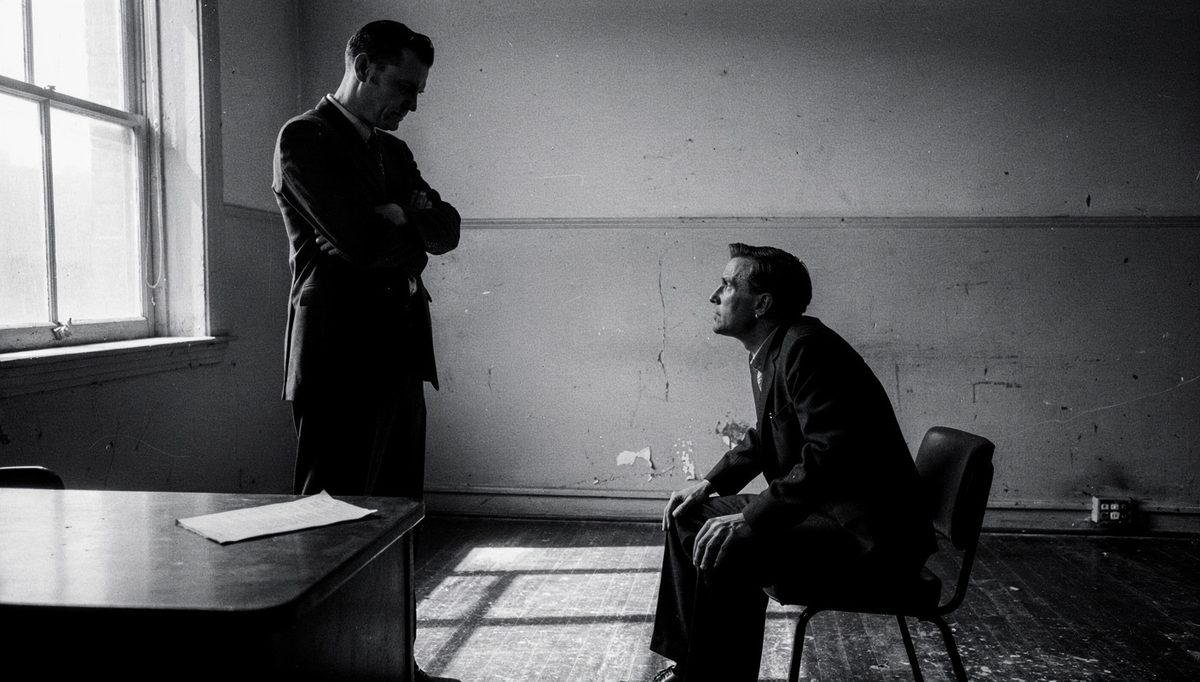

In Short
Patient hearing is not passive. Your hands, eyes, and posture are active signals that tell a difficult person whether you are safe to speak to.
- Still, open hands lower the other person's defences before a single word is exchanged.
- Steady eye contact without staring signals presence, not confrontation.
- When your body contradicts your silence, patient hearing collapses regardless of your intention.
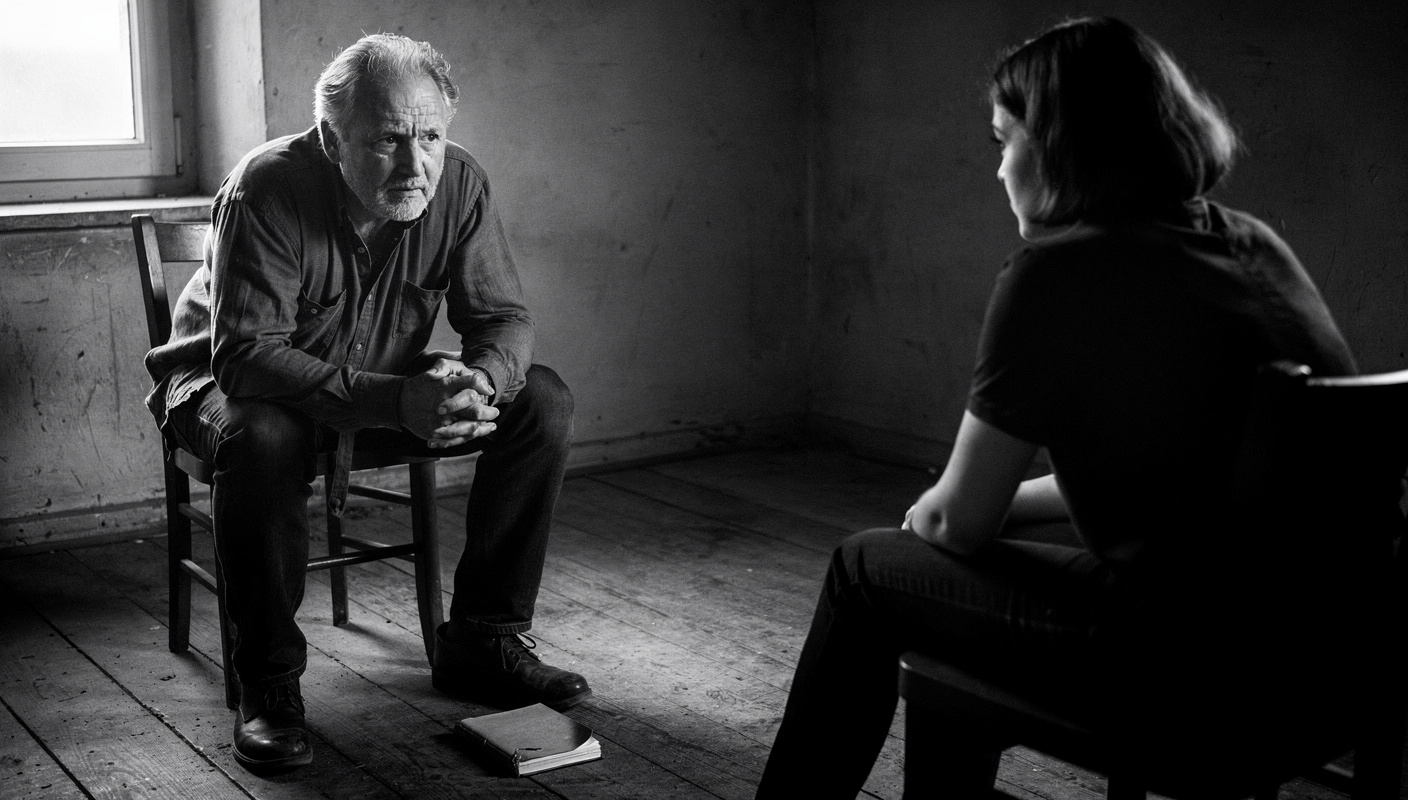
Patient hearing is the deliberate practice of listening without interrupting, defending, or withdrawing, giving another person the space to fully say what they need to say. It requires physical stillness, sustained attention, and nonverbal signals that communicate genuine openness.
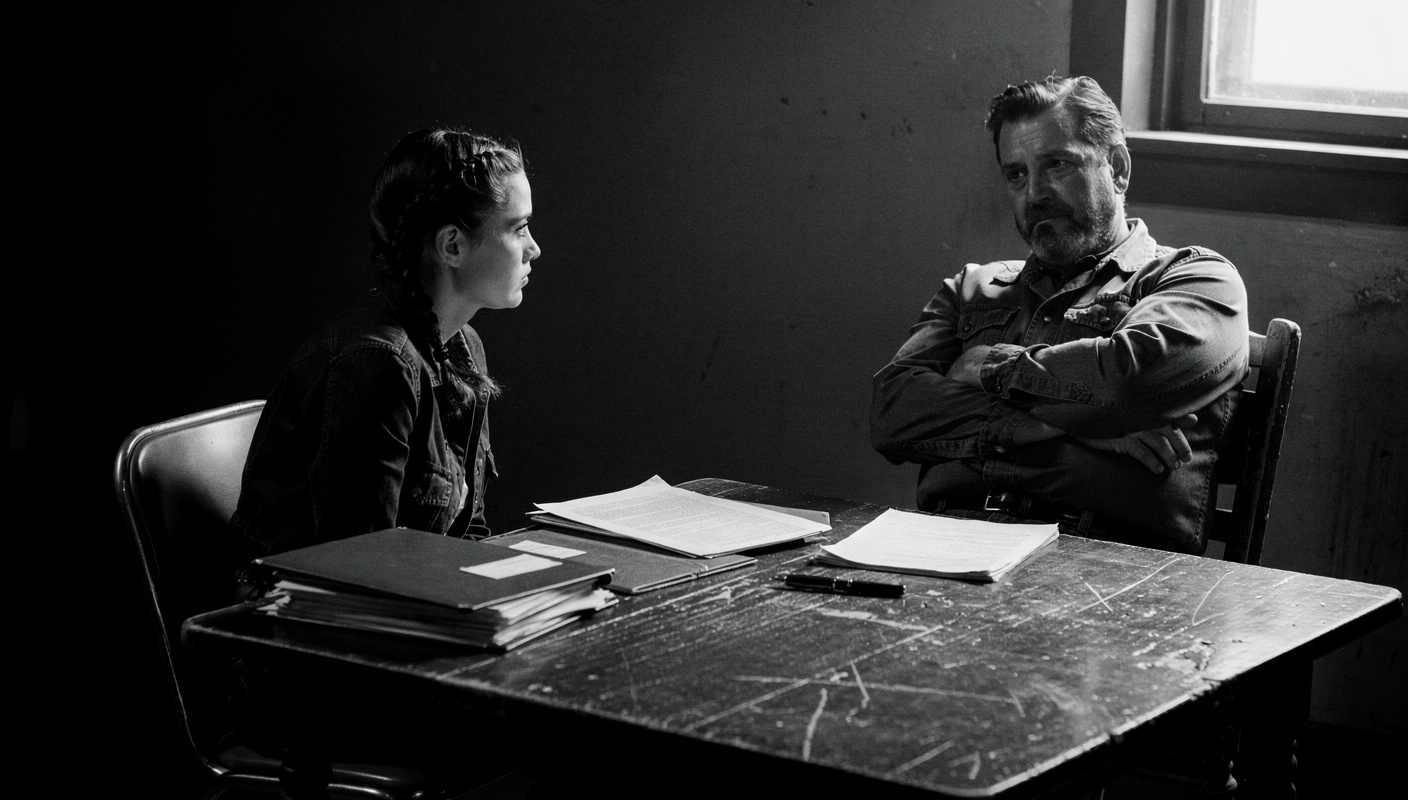
I watched a manager lose a good employee in about four minutes. Not because of what he said. Because of what he did with his hands. He sat across from her, arms crossed, pen tapping the table, eyes flicking toward his laptop every thirty seconds. She was trying to tell him something important. He thought he was listening. She knew he was not. That gap, between intention and what the body actually broadcasts, is exactly where patient hearing either holds or breaks. Understanding what your hands, eyes, and body should be doing is not a minor detail. It is the foundation.
What to Watch for Before You Read These Examples
Before you move through these scenarios, I want to give you one lens to carry with you. Ask yourself, for each example: does the body match the intention? That is the question patient hearing lives or dies on. A person can sit in silence and still communicate contempt, boredom, or barely contained frustration through posture alone. The difficult person across from you has spent years reading people in defensive situations. They will feel the contradiction in your body before they can name it. Watch for what the hands are doing, where the eyes go, and how the body is positioned. Those three things tell the whole story.
"The Conversation You're Avoiding Is the One You Need to Have."
"The Conversation You're Avoiding
Is the One You Need to Have."
Stop rehearsing conversations you'll never have. Say It Right Every Time gives you 115 word-for-word scripts and 16 proven frameworks to speak with confidence in every conversation that matters.
Six Scenarios Showing Patient Hearing in the Body
Example 1: The Manager Who Sat Still
A department head at a logistics firm had a reputation for being hard to talk to. Not because she was unkind, but because she was always moving. Pen in hand, eyes on papers, one foot bouncing under the desk. A senior team member finally confronted her about a scheduling decision that had left three people exhausted for two months.
This time, the manager did something different. She pushed the papers aside, set the pen down, and turned her chair so her knees faced the other person directly. She rested her hands open in her lap. When the team member started speaking, the manager kept her gaze steady, not staring hard, but present. When the team member's voice cracked with frustration, the manager did not look away. She nodded once, slowly.
The conversation lasted twenty minutes. The manager said almost nothing. At the end, the team member said, "I don't even know why I feel better. Nothing's been decided yet." The manager's body had communicated something her words had never managed: you are safe here, and I am not going anywhere.
Patient hearing delivered through physical stillness can do more work than a carefully prepared response. The hands told the story.
Example 2: The Team Lead Who Could Not Stop Moving
A team lead in a creative agency prided himself on being approachable. But in one-to-one conversations with a particularly prickly contractor, he had a habit of fidgeting. He would pick up his phone, glance at it, set it down. He would click his pen. He would shift in his seat every forty seconds.
The contractor had genuine concerns about credit for her work. She had tried to raise them twice before and left both conversations feeling dismissed, though the team lead had insisted he was listening. During the third conversation, she watched his hand reach for the phone again mid-sentence. She stopped talking. She said, "You know what, it doesn't matter," and left.
It did matter. She handed in her notice three weeks later. When the team lead reviewed what had gone wrong, he could not point to anything he had said. That was precisely the problem. His body had been saying it all along.
This is the cost of patient hearing absent in the physical sense. The words were fine. The hands destroyed the relationship. If you want to understand why receiving feedback gracefully is so difficult for many people, this is part of the answer: we practise the words and ignore the body.
Example 3: Two Team Members, One Mediator, Three Chairs
A project manager was asked to sit between two team members whose conflict had quietly been damaging output for six weeks. One was a data analyst in her forties, precise and reserved. The other was a junior developer, early twenties, prone to speaking fast when nervous.
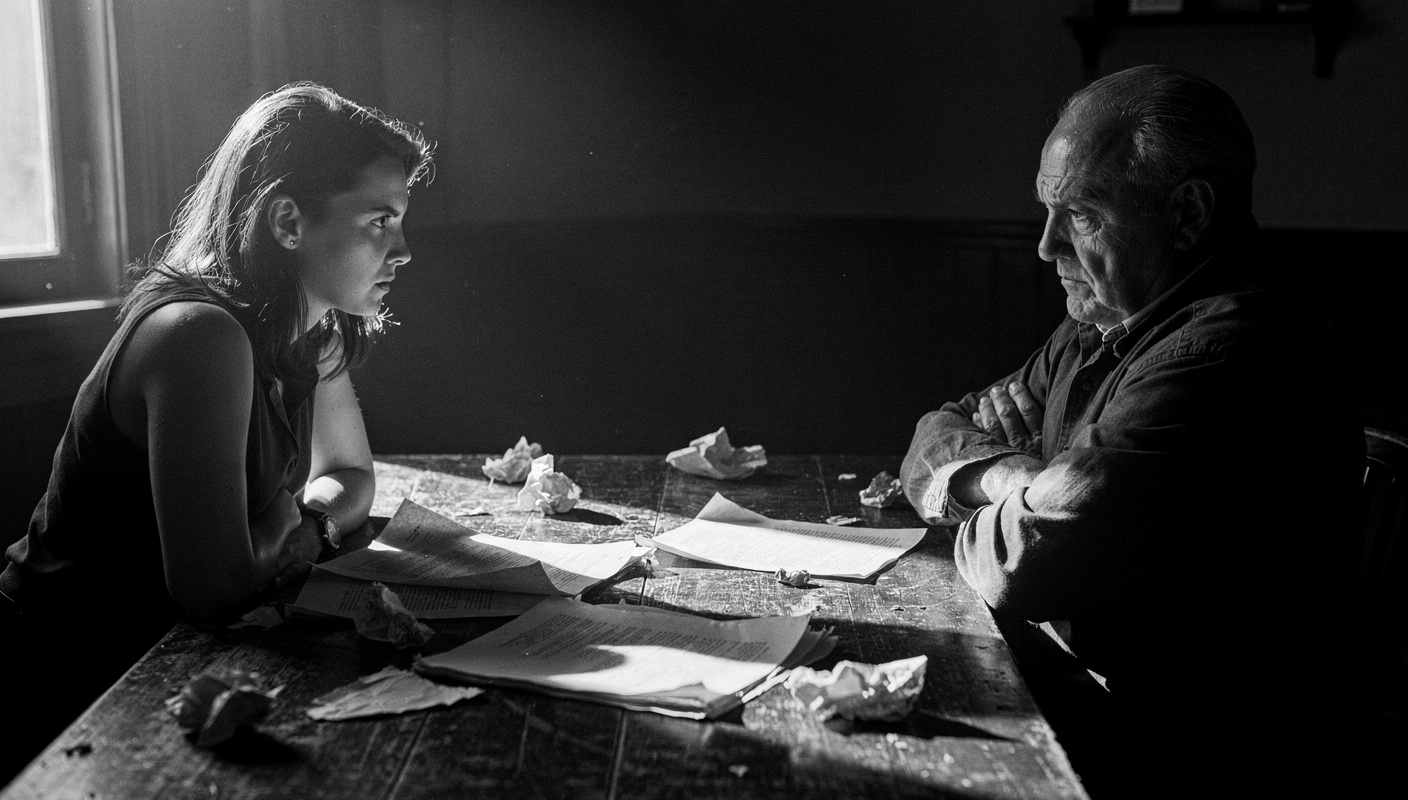
The project manager did something I consider a masterclass in patient hearing body language. She positioned her chair at a slight angle, so neither person felt she was physically siding with the other. When the developer spoke quickly, she did not lean back to create distance. She leaned forward slightly, elbows resting on her knees, hands loosely clasped. Her eyes moved to the speaker, then held there.
When the analyst spoke in clipped, controlled sentences, the manager did the same. She matched her physical attention to each person in turn. She did not cross her arms when the developer's frustration became sharp. She kept her shoulders open, her feet flat on the floor, and her face still.
By the end, both people had said things they had been holding for weeks. Neither had felt cut off. The project manager's body had modelled what she was asking of them: a willingness to hold steady under pressure. For more on managing these conversations well, how to mediate between two team members is worth your time.
Physical neutrality is its own form of courage. It requires you to hold your body in a state of welcome when every instinct pushes toward defence.
Example 4: The Eye Contact That Went Wrong
A sales director was working through a tense performance conversation with a team member who had missed targets three quarters running. The director had been told to practise active listening. He had taken it to mean sustained, unbroken eye contact.
He held eye contact for nearly the entire conversation. No softening. No looking away naturally. Just a fixed, unblinking gaze. The team member, already under pressure, began to feel interrogated rather than heard. His voice went quieter. His answers grew shorter. By the end, he had said far less than he needed to say, because the director's eyes had felt like an examination rather than a welcome.
Patient hearing requires eyes that signal interest, not assessment. There is a difference between looking at someone and looking into them with judgment. The director's intention was correct. His execution turned the whole conversation into a tribunal. This matters particularly when you are trying to de-escalate team conflict, where the wrong kind of eye contact can re-ignite exactly what you are trying to cool.
Steady does not mean rigid. Your eyes need to feel like a door open, not a wall.
Example 5: The Difficult Colleague Who Finally Spoke
A quality assurance lead had a colleague who was known throughout the office as difficult. Interrupting. Dismissive. Quick to anger. In a meeting designed to clear the air before a major product launch, the QA lead decided to try something she had been resisting for months. She would simply receive whatever came.
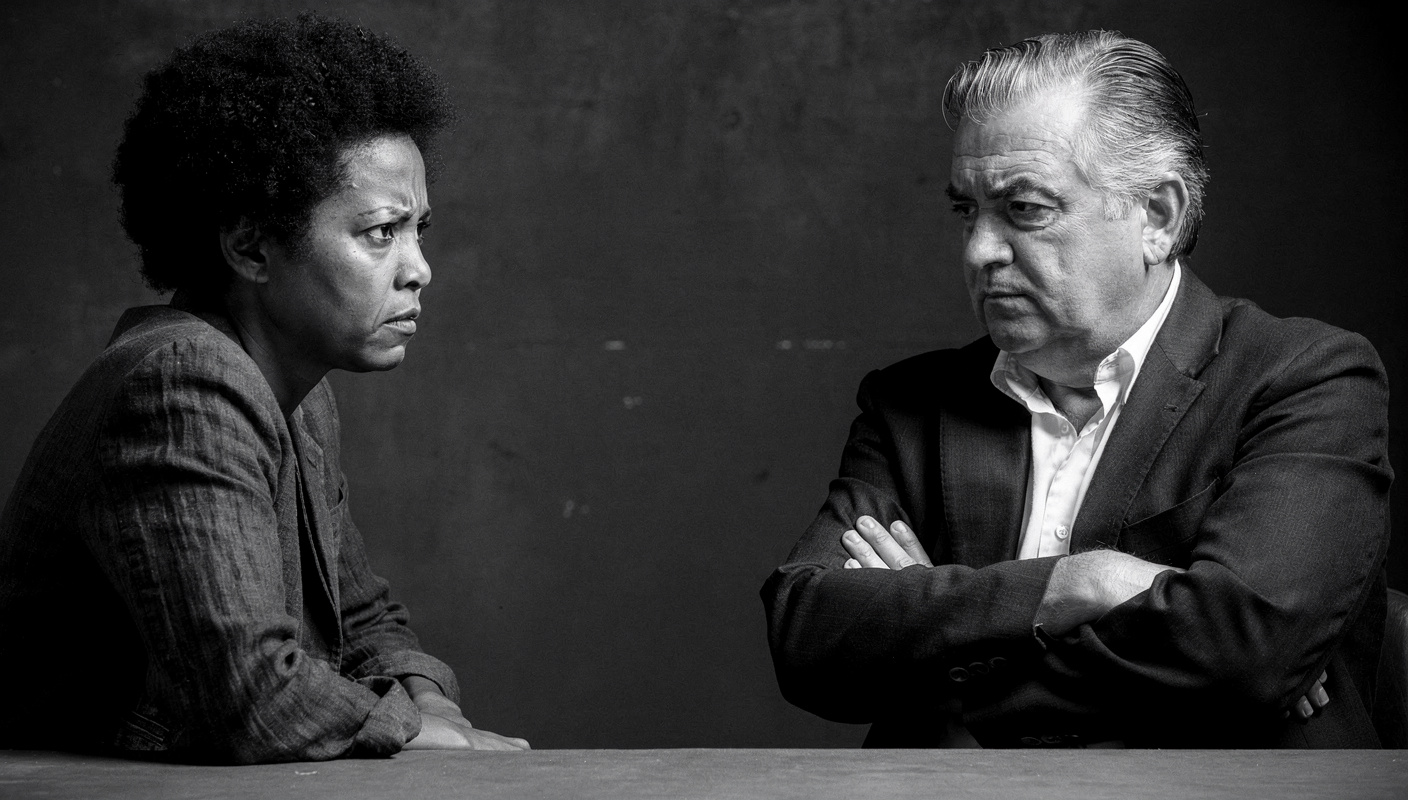
She sat at ninety degrees to her colleague rather than directly opposite, which reduced the sense of confrontation. She kept her hands resting on the table, palms loosely facing up. When her colleague began to speak, the QA lead let her eyes rest on the colleague's face without hardening. When the colleague's voice rose, the QA lead took one slow breath and kept her posture open.
The colleague said, mid-rant, "You're not going to fight me on this, are you?" The QA lead said, "Not yet. Keep going." And the colleague did. For another eight minutes, she said things she had clearly needed to say for a long time. The meeting that everyone had been dreading became the conversation that actually cleared the air. You can read more about how to start these difficult conversations before they reach this kind of pressure point.
When the body offers no target, the difficult person often runs out of fuel faster than you expect.
Example 6: A Meeting Room That Held Its Ground
During a tense all-hands meeting, a team of six was trying to surface a problem that had been avoided for a quarter. The team leader opened the floor and then did something unusual. He sat down. He did not stand at the front with his arms crossed, waiting to manage whatever came. He sat among the team, leaned back slightly, hands resting on his thighs, and said, "I want to hear it." Then he waited.
Two people spoke at once. He did not raise a hand to stop them or move forward to take control. He stayed still. His eyes moved from one speaker to the other without panic. When a third person cut in with something critical, the leader's jaw tightened briefly, then released. He breathed. He stayed.
By staying physically grounded rather than taking control of the room, he signalled that the space belonged to everyone. Patient hearing in a group setting requires the same body language as one-to-one, but with greater discipline, because there are more triggers and more eyes watching you respond to each one. Running productive meetings often comes down to this: the leader's body sets the permission level for everyone else. So does handling conflict during meetings with the same physical groundedness.
The room takes its cue from the body at the front. If that body is still, the room can breathe.
What These Examples Reveal About the Physical Side of Patient Hearing
Three things recur across these scenarios, and they are not coincidences.
First, stillness is an active choice. Every example where patient hearing worked involved someone deliberately managing their physical impulses: the urge to reach for a phone, to cross their arms, to fill the silence with motion. That restraint is not passive. It requires real effort, especially with a difficult person who may be saying something that makes your hands want to do something.
Second, the eyes carry a disproportionate weight. They can signal welcome or judgment within seconds. Steady, soft eye contact signals presence. Hard, unblinking contact signals scrutiny. Looking away too often signals indifference. The difference between these is subtle in description and enormous in effect. It connects directly to building empathy in team communication: the body is where empathy either shows or hides.
Third, the cost of absence is not neutral. In every example where patient hearing failed physically, something was lost: a relationship, a conversation, an opportunity to surface a real problem. The body that fidgets, stares too hard, or turns away does not simply fail to help. It actively damages trust.
What You Can Do Before Your Next Difficult Conversation
You do not need a course to apply this. You need two minutes before the conversation starts. Sit in the chair you plan to use. Place your hands where you want them to rest. Soften your jaw. Take three slow breaths and notice whether your shoulders drop. Decide in advance where your eyes will rest when the other person speaks.
That preparation is the difference between patient hearing body language that comes from genuine calm and performed stillness that the other person can see through. Real physical presence cannot be faked for long. But it can be cultivated, one conversation at a time.
This much I know for certain: the difficult people in your life are not primarily listening to your words. They are watching your hands, reading your eyes, and taking their emotional temperature from the steadiness of your body. Patient hearing body language is not an add-on to the skill. It is half of the skill itself.
Frequently Asked Questions (FAQ)
What does patient hearing body language look like in practice?
Patient hearing body language means keeping your hands still and open, holding steady eye contact without staring, and orienting your body toward the speaker. It signals that you are fully present. The body must match the intention, or the other person will sense the contradiction.
How do you use your eyes during patient hearing with a difficult person?
Keep your gaze steady and directed at the speaker, but not locked into a hard stare. Soften your eyes slightly and blink naturally. Looking away briefly is normal. What matters is that your attention returns consistently, signalling that you are still present and have not mentally left the conversation.
Why does patient hearing fail even when you stay quiet?
Silence alone does not equal patient hearing. If your hands are fidgeting, your arms are crossed, or your eyes keep moving to a screen or clock, the other person reads disengagement. Your body broadcasts your internal state. Without physical stillness and presence, patient hearing cannot land.
What should you do with your hands during a difficult conversation?
Rest your hands in your lap or on a surface with palms loosely open. Avoid crossing your arms, clicking a pen, or gripping anything tightly. Still, open hands are one of the clearest nonverbal signals that you are not defensive and that you are genuinely willing to hear what is being said.
How does body posture affect patient hearing outcomes?
A slight forward lean signals engagement. Squared shoulders facing the speaker signal respect. Slouching or turning your body away signals indifference or discomfort. Posture shapes how the other person feels about speaking. When they feel physically received, they are more likely to say what actually needs to be said.
Can patient hearing body language be practised before a difficult conversation?
Yes. Before a difficult conversation, sit quietly for two minutes in the posture you plan to hold. Notice where your hands go naturally, whether your jaw is tight, and how your breathing feels. Rehearsing the physical state prepares your body so the signals come from genuine calm, not performed stillness.