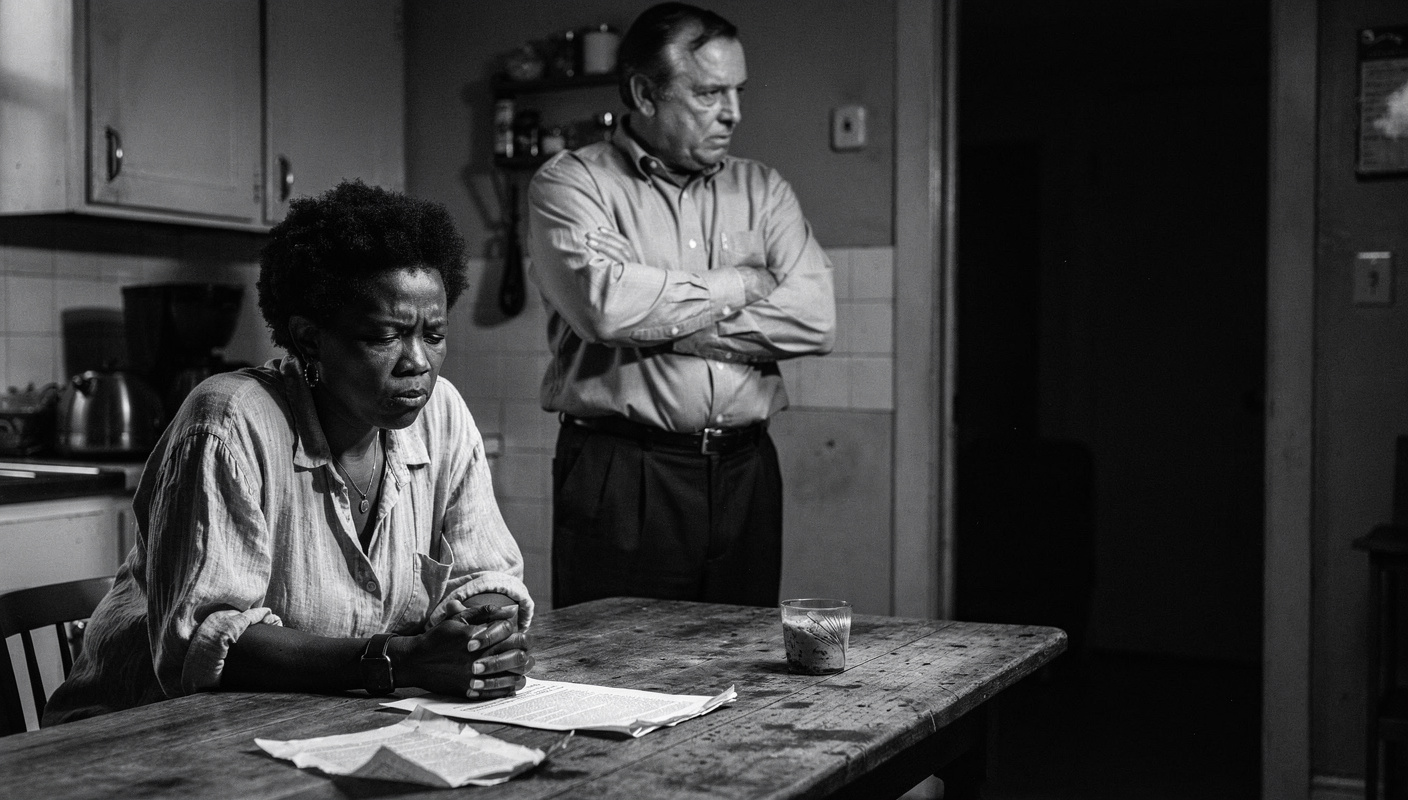

In Short
Confronting toxic traits early costs far less than the damage of waiting, but most people miss the warning signs until the harm is already done.
- The team quietly works around the toxic person instead of addressing them.
- Capable people go silent or start leaving before anyone names the problem.
- Humor and charm mask the behavior long enough for it to become normalized.
Confronting toxic traits means directly addressing patterns of behavior that harm individuals, relationships, or team culture, before those patterns become entrenched. It requires naming the specific conduct, not the person's character, and holding a clear expectation of change.
You told yourself it was not that serious. Maybe you called it a personality clash, a rough patch, or just the way that person is. I have said all of those things too, and I was wrong every time. The truth is, toxic traits rarely announce themselves with a fanfare. They creep in quietly, wearing the costume of directness, or passion, or high standards.
Confronting toxic traits feels dangerous because you cannot always see the full picture of what the behavior is costing you. The warning signs are subtle, easy to dismiss, and often dressed up as something more acceptable. By the time the damage is obvious, you are already paying a steep price.
In this article, you will learn to recognize six specific signs that harmful behavior has been tolerated too long, and what to do about each one. If you are also dealing with team dynamics that have already broken down, Why Avoiding Difficult Conversations Is the Hidden Enemy of Team Synergy will help you understand the wider cost of waiting.
Why Toxic Behavior Problems Are So Easy to Miss
Toxic traits do not usually look toxic at first. They look like confidence, or candor, or commitment. The behavior that is slowly poisoning a team often reads, in early stages, as someone who cares deeply or speaks bluntly. That is what makes it so hard to catch.
There are several reasons harmful behavior slips past us unnoticed:
- The person is likable, at least some of the time. Charm is one of the most effective camouflage systems a toxic person can carry. If someone makes you laugh on Tuesday, you give them more latitude on Thursday.
- The behavior escalates gradually. Nobody sets up a frog in boiling water. The temperature rises degree by degree, and each increment feels almost normal compared to the last one.
- Others around you have normalized it. When an entire team adapts to one person's harmful patterns, the adaptation starts to look like the natural order of things.
- The person is skilled at their job. High performance creates a credit account that people draw on to excuse almost anything. The implicit logic is: we cannot afford to lose them.
- You fear making things worse. The most common reason good people stay silent is not indifference. It is the genuine, reasonable fear that naming the problem will blow everything up.
The first step is knowing what to look for. That is what this article gives you.
"The Conversation You're Avoiding Is the One You Need to Have."
"The Conversation You're Avoiding
Is the One You Need to Have."
Stop rehearsing conversations you'll never have. Say It Right Every Time gives you 115 word-for-word scripts and 16 proven frameworks to speak with confidence in every conversation that matters.
Sign 1: The Team Routes Around One Person
What it looks like: Decisions get made without including a specific individual, even when that person's role clearly calls for their input. You notice people choosing longer paths, extra steps, or awkward workarounds rather than a simple conversation with one colleague.
Why it happens: When someone's toxic traits, such as chronic blame-shifting, unpredictable anger, or deliberate undermining, make direct engagement costly, people rationally protect themselves by finding detours. This is not passive aggression from the team; it is self-preservation.
Why it matters: Routing around someone is a slow collapse of trust and collaboration. The team burns energy on workarounds instead of work, and the toxic person loses all accountability because nobody challenges them anymore.
What to do about it: Map one specific decision in the last month where the person was bypassed. Ask yourself, and one trusted colleague, why the bypass happened. That conversation gives you the factual foundation to address the behavior directly with the person involved.
Eamon's note: I have watched this pattern destroy teams that had every other thing right, because the routing feels like problem-solving when it is actually a slow surrender.
Sign 2: Strong People Go Quiet or Go Home
What it looks like: Your most capable, confident contributors stop speaking in meetings, stop volunteering ideas, and start updating their resumes. You may notice a pattern: the people leaving, or withdrawing, are not the weakest members of the group.
Why it happens: Capable people have options. When one person's toxic traits, such as taking credit for others' work, public humiliation dressed as feedback, or deliberate exclusion, are allowed to stand unchallenged, high performers do a clear-eyed calculation and decide the environment is not worth their talent.
Why it matters: You lose your best people first. The ones who stay longest in a toxic environment are often the ones with fewest alternatives elsewhere. Your talent pool slowly shifts downward and you may not notice until recruitment becomes genuinely difficult.
What to do about it: Have a direct, private conversation with one person who has visibly withdrawn. Ask them what has changed. Listen without defensiveness. Their answer will tell you more about the toxic behavior in your environment than any formal process ever will.
Eamon's note: Every resignation letter I have ever seen from a talented person cited a surface reason; the real reason, almost always, was someone's toxic traits going unaddressed.
Sign 3: Accountability Is Always Someone Else's Problem
What it looks like: When something goes wrong, one person consistently and creatively redirects blame. The explanations are plausible, even reasonable-sounding, but the pattern is unmistakable: this person is never responsible for anything that goes wrong, only things that go right.
Why it happens: Chronic blame-shifting is a defensive behavior, usually rooted in a deep fear of failure. But understanding the root does not mean tolerating the impact. When this behavior goes unchallenged, it corrodes the team's willingness to take risks, because everyone can see that failure has only one acceptable landing spot: someone else.
Why it matters: Teams that cannot share accountability cannot learn. Every failure becomes a political exercise in finding a target rather than a professional exercise in finding a solution. Innovation dies first; then morale follows.
What to do about it: The next time a project goes wrong, run a structured debrief focused entirely on process, not people. Ask: what did the system allow? What could the process have caught? This removes the individual blame game while still creating accountability. Pair this with How to Give Constructive Feedback Without Causing Tension for a clear approach to following up directly.
Eamon's note: The person who is never wrong is always the most dangerous person in the room.
Sign 4: Cruelty Wears the Mask of Humor
What it looks like: Someone regularly makes jokes at a colleague's expense, in meetings, in group chats, in passing. If challenged, they immediately reframe it: "I was only joking," or "You know I mean it with love." The laughter from others makes the target feel they cannot object without seeming thin-skinned.
Why it happens: Humor is one of the most socially sophisticated tools a person with toxic traits can deploy. It delivers the damage of public humiliation while building plausible deniability and even social approval. The target is isolated twice: once by the joke, and again by the laughter that follows it.
Why it matters: This behavior is extraordinarily harmful precisely because it is so hard to name. Targets often doubt their own perception, which is the point. Left unaddressed, it systematically destroys the psychological safety that any effective team depends on.
What to do about it: Address it directly and privately with the person making the jokes. Use specific language: "Last Tuesday, during the project review, you made three comments about Sarah's presentation style. I want that to stop." For guidance on the conversation itself, How to Start a Difficult Conversation That's Blocking Your Team's Synergy gives you a practical starting point.
Eamon's note: The moment you hear yourself saying "they did not really mean it," you are already halfway into the tolerance trap.
Sign 5: Helpfulness That Quietly Undermines
What it looks like: A person volunteers to help a colleague with a project, then delivers work late, delivers it wrong, or delivers something that subtly makes the colleague look bad. They express great regret. It happens again. And again. The pattern is consistent; the remorse is always fresh.
Why it happens: This is passive resistance made invisible by the appearance of cooperation. It is one of the most counterintuitive of all toxic traits because it is so easy to misread as simple incompetence. The difference is the consistency of the pattern and the specific targets it affects. How to Address Passive-Aggressive Behavior That's Silently Eroding Team Synergy covers this dynamic in full.
Why it matters: The person being undermined looks disorganized. The person doing it looks generous. The team draws the wrong conclusions, and a damaging dynamic becomes institutionalized under a veneer of helpfulness.
What to do about it: Document three specific incidents with dates and outcomes. Then have a direct conversation: "I have noticed a pattern in the last few months. When you take on tasks for certain colleagues, the outcome consistently causes problems for them. I want to understand what is happening." The documentation transforms a feeling into a fact.
Eamon's note: This is the one that surprises people most, because we are trained to see helpfulness as virtue, and it takes real courage to question it.
Sign 6: The Rules Apply Differently to One Person
What it looks like: One person arrives late consistently, misses deadlines that others are held to, or communicates in ways that would be addressed immediately if anyone else behaved the same way. The team notices. The team says nothing. Management says nothing louder.
Why it happens: Special treatment usually begins with a legitimate exception and then calcifies into an invisible policy. The person's performance, their tenure, their relationship with leadership, or simply the exhaustion of previous confrontations creates an unspoken understanding: this person operates under different rules.
Why it matters: Nothing poisons team culture faster than visible inconsistency in standards. When people see that the rules bend for one person, they stop trusting the rules entirely. And then they stop trusting the people who enforce them. Use Scripts for Addressing Team Members Who Are Undermining Group Synergy to prepare the specific words for this conversation.
What to do about it: Apply the standard, in writing, consistently, starting now. Do not make an announcement. Simply hold the line the next time the behavior occurs. "The deadline was Friday for everyone; yours was Friday too." Consistency over time rebuilds trust faster than any speech about values.
Eamon's note: The team is always watching how you handle the exception; that is how they learn what you actually believe.
The Pattern Behind These Signs of Harmful Behavior
These signs rarely appear in isolation. When you see two or three of them together, you are not looking at a collection of separate problems. You are looking at one root problem wearing different faces.
The single most common root cause is tolerance that accumulated without a decision. Nobody chose to accept toxic behavior. They simply never chose to refuse it. Each incident was managed privately, minimized publicly, or deferred to a better moment that never arrived. Over time, the absence of a boundary became the boundary.
Two secondary patterns are also worth naming. The first is misplaced loyalty. Leaders and colleagues often protect a person from accountability because of history, affection, or fear of losing them, even when that protection actively harms everyone else. Loyalty is a strength; loyalty that shields harmful behavior is something else entirely.
The second is the seniority shield. When a person has been around long enough, the organization builds itself around their behavior rather than the other way around. Confronting them feels like dismantling something structural. It is not. It is just overdue.
Fix the root and most of the symptoms resolve.
Your Diagnostic Checklist
Use this checklist to assess where you or your team currently stand.
- The team has worked around a specific person rather than through them in the last month.
- A capable contributor has gone noticeably quiet in meetings or group discussions.
- You have heard the same person deflect blame more than twice in the last quarter.
- A colleague's attempts at humor have made another person visibly uncomfortable without consequence.
- Someone's offer to help has consistently produced worse outcomes for the person they helped.
- One person operates under visibly different standards than the rest of the team.
- You have privately noted a behavior problem but have not addressed it directly with the person.
- The team discusses a specific person's behavior with each other but not with that person or leadership.
- You have delayed a direct conversation because you expected it to go badly.
- A strong team member has left or signaled they are considering leaving without a clear external reason.
- You have excused repeated behavior because the person performs well in other areas.
If you checked three or fewer, the situation is manageable and early action will be straightforward. If you checked four to seven, the behavior has already shaped the culture in ways that need direct attention. If you checked eight or more, this has moved past early intervention; it needs immediate, structured action.
How to Start Fixing This
Diagnosis without action is just worry. Here is where to begin.
Name the behavior precisely. Vague discomfort cannot be addressed. Write down the specific behavior, the date it occurred, and the observable impact. "On March 4th, during the client review, James interrupted Sara four times and then presented her idea as his own in the summary email." That is something you can act on.
Have the conversation within 48 hours. The longer you wait after a specific incident, the harder it becomes to address it without appearing to hold a grudge. Speed signals seriousness. Delay signals acceptance. Choose a private setting, use specific language, and focus on behavior rather than character. How to Handle Conflict During Meetings gives you tools for in-the-moment situations.
State the expectation, not just the problem. Do not end the conversation with a description of what went wrong. End it with a clear statement of what needs to change and by when. "Going forward, I expect every person's contribution to be credited accurately in written summaries. If that does not happen, I will address it immediately."
Follow through without exception. The conversation means nothing if the behavior repeats and nothing changes. One instance of following through with a real consequence does more than a dozen conversations. Consistency is the only thing that earns genuine behavior change.
For a deeper guide to delivering feedback in this kind of situation, How to Deliver Negative Feedback Positively is the natural next step.
Summary
You can now see what most people cannot: that harmful behavior does not announce itself, and that tolerance without a decision is still a decision, just a costly one.
- Toxic traits wear useful disguises: helpfulness, humor, high standards, and passion.
- The team always knows before leadership does; the silence of capable people is your clearest signal.
- Avoidance does not preserve peace; it transfers the cost of the behavior onto everyone except the person causing it.
- Early confrontation is an act of respect, for the team, for the person, and for your own integrity.
- The specific, observable, timely conversation is the most effective intervention available to you.
If you are ready to move from diagnosis to action, start with How to Start a Difficult Conversation That's Blocking Your Team's Synergy for a practical framework. And if the damage has already spread into the wider team dynamic, Why Avoiding Difficult Conversations Is the Hidden Enemy of Team Synergy will help you understand what has already been lost and what can still be recovered.
Confronting toxic traits is not an act of aggression. It is an act of care, and it is one of the most important things you will ever do for the people you lead.
Frequently Asked Questions (FAQ)
What are the concrete benefits of confronting toxic traits early?
Confronting toxic traits early prevents harmful behavior from becoming the accepted standard. It protects team morale, preserves trust, and signals that harmful conduct has consequences. Most people find that one direct conversation, held early, resolves what years of avoidance never could.
How do you start confronting toxic traits in the workplace?
Start by naming the specific behavior, not the person's character. Describe what you observed, explain the impact, and ask for a change. The sooner you act after the behavior occurs, the easier the conversation becomes and the more likely it leads to genuine change.
Why is confronting toxic traits so difficult for most people?
Most people fear conflict more than they fear the slow damage toxic behavior causes. They also struggle to name the behavior precisely, which makes the conversation feel vague and unfair. Preparing a clear, specific script before the conversation removes most of that fear.
What happens if you avoid confronting toxic traits early?
Toxic traits grow when they go unchallenged. Avoidance signals to the person that the behavior is acceptable, and signals to everyone else that you will not protect the group. Over time, the cost of addressing the behavior rises while the chance of success falls.
What are the most common toxic traits to watch for in a team?
The most common include chronic undermining, repeated blame-shifting, deliberate exclusion of colleagues, passive resistance disguised as helpfulness, and public humiliation framed as humor. Each one erodes trust quietly before the damage becomes visible enough for most people to name it.
How do you know when toxic behavior has gone on too long?
When people stop raising problems, when strong contributors go quiet, or when you notice the team working around one person rather than with them, the behavior has already taken root. Confronting toxic traits at this stage is harder, but still essential and still worth doing.