
In Short
Toxic traits in passive people and toxic traits in aggressive people look completely different in practice, but they cause the same erosion of trust, safety, and performance in every relationship they touch.
- Passive toxic traits are covert; aggressive toxic traits are overt.
- Passive harm accumulates slowly; aggressive harm is immediate and visible.
- Both patterns are driven by unmet needs and a failure to communicate honestly.
Toxic traits passive behaviour refers to harmful interpersonal patterns where damage is caused through withdrawal, avoidance, and indirect sabotage rather than open confrontation. Aggressive toxic traits cause harm through dominance, intimidation, and overt hostility. Both patterns destroy trust and cooperation over time.
The Two Faces of Toxic Behaviour Most People Misread
A manager I worked with once told me she had no problems with conflict on her team. What she had, she said, were two very different types of people. One was a straight-talker who sometimes came on too strong. The other was a quiet one who always said yes but never quite delivered. She treated them like opposite ends of a spectrum, one too much and one too little.
Six months later, both had driven away two talented colleagues and stalled a project worth serious money. Toxic traits in passive people and in aggressive people rarely get compared honestly. Most of us are trained to spot the loud one in the room, and we underestimate the quiet one entirely.
This article names both patterns clearly. You will understand what each looks like in practice, where they unexpectedly overlap, when each becomes its most damaging, and how to respond to both without making things worse.
"The Conversation You're Avoiding Is the One You Need to Have."
"The Conversation You're Avoiding
Is the One You Need to Have."
Stop rehearsing conversations you'll never have. Say It Right Every Time gives you 115 word-for-word scripts and 16 proven frameworks to speak with confidence in every conversation that matters.
What Passive Toxic Traits Actually Look Like in Practice
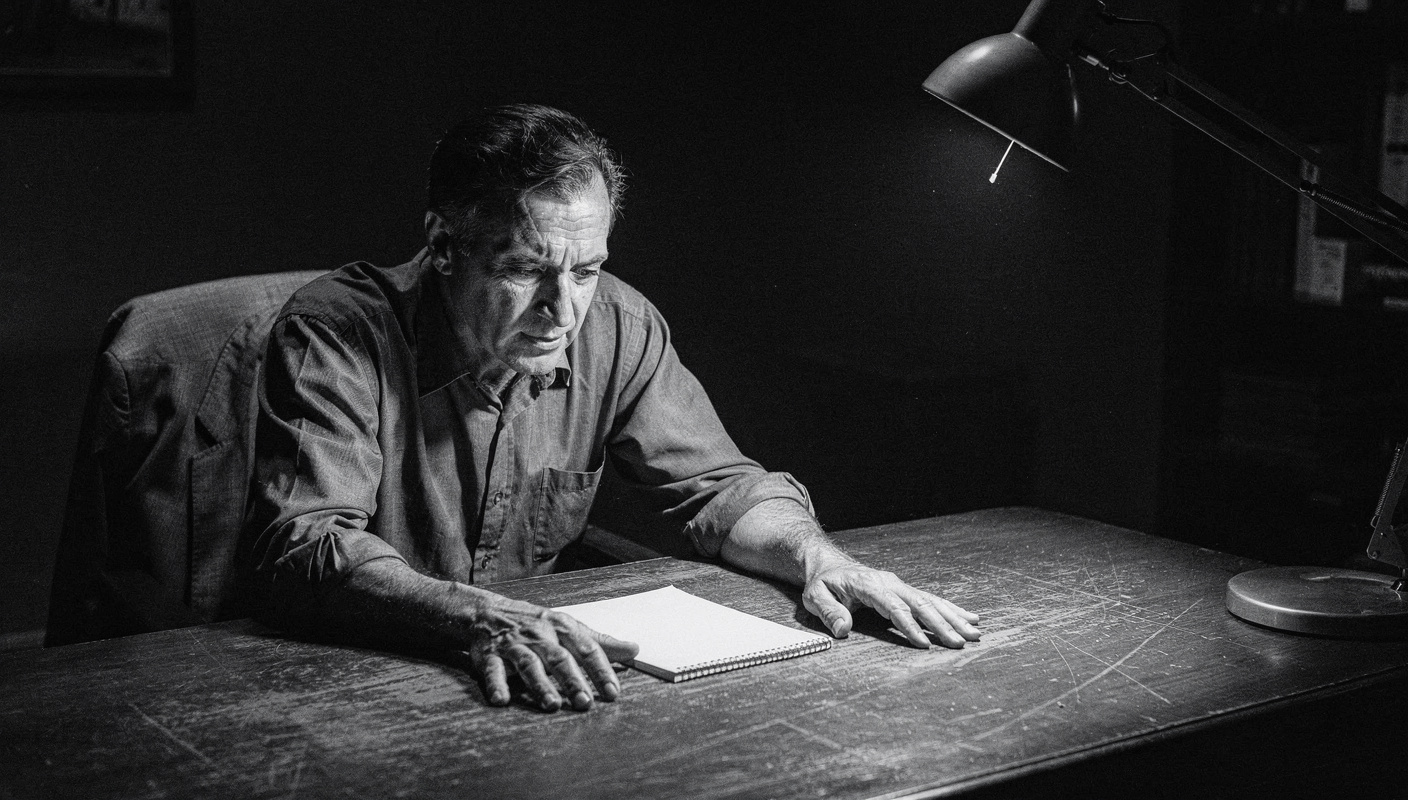
Passive toxic behaviour does its damage quietly. It rarely announces itself. The person exhibiting it will often appear cooperative on the surface, agreeable in meetings, and pleasant in corridors. The harm lives underneath.
Here is the truth of it: the defining feature of passive toxic traits is the gap between what is said and what is done. They agree and then do not follow through. They smile and then share damaging information behind closed doors. They withhold effort just enough to slow things down without ever being directly at fault. This is not shyness. It is not anxiety. It is a consistent pattern of using indirect means to exert control or express resentment.
Some of the clearest signs include: persistent deflection of responsibility onto others, using silence as punishment after disagreements, giving backhanded compliments that carry a sting, "forgetting" commitments that inconveniently require effort, and volunteering apparent support while privately undermining the outcome. If you have ever worked with someone like this, you know the particular exhaustion it creates. You cannot quite put your finger on what they are doing, which is precisely the point.
If your team is already navigating this kind of covert disruption, the article on how to address passive-aggressive behavior that's silently eroding team synergy offers specific tools you can apply directly.
What Aggressive Toxic Traits Actually Look Like in Practice
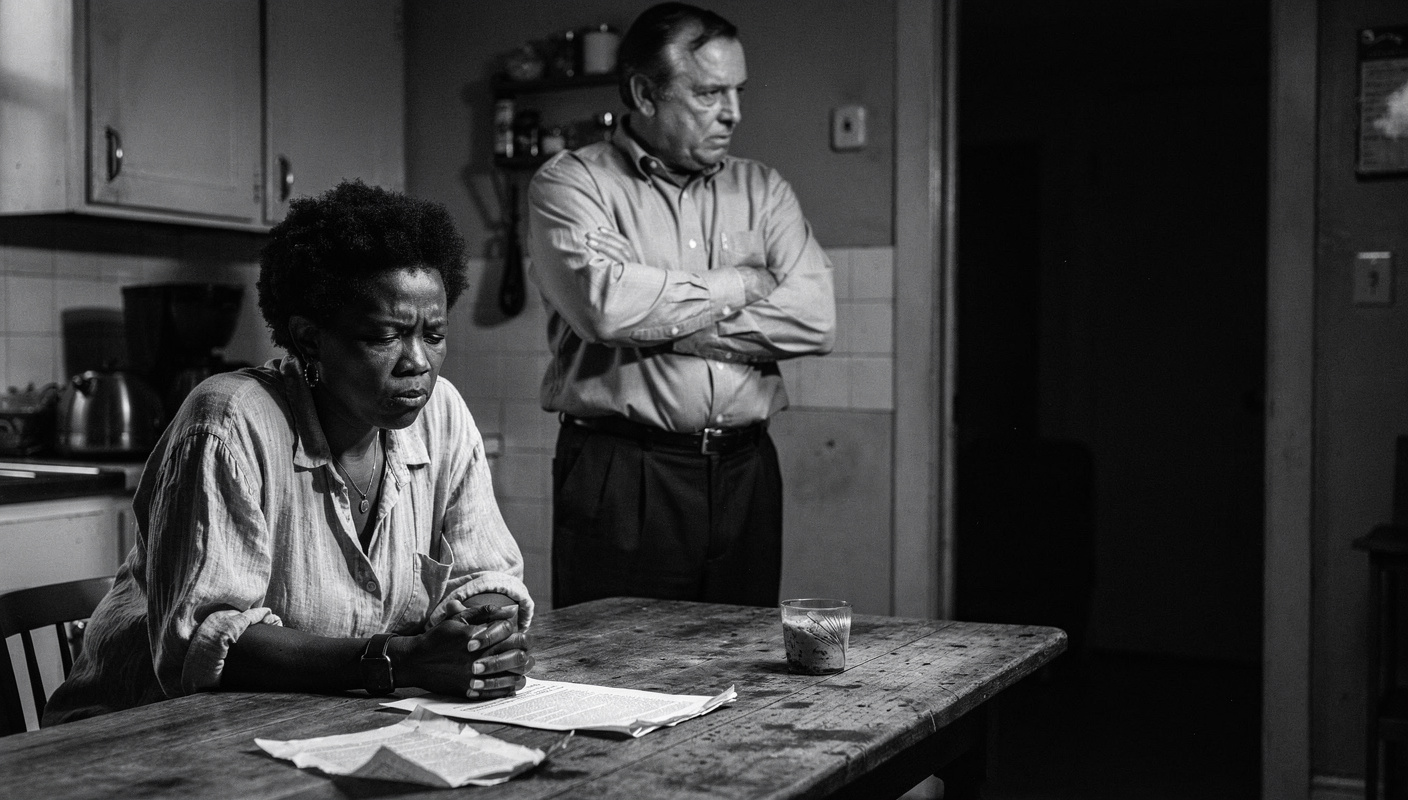
Aggressive toxic behaviour is visible from across the room. You feel it before you fully understand it. The air shifts when an aggressive person enters a tense conversation. Their toxicity operates through pressure, dominance, and the implicit or explicit threat of negative consequences for disagreement.
The core pattern here is the use of force, emotional or interpersonal, to override others. This shows up as interrupting and talking over people, assigning blame loudly and publicly, using tone and volume to shut down dissent, demanding credit and deflecting accountability, and treating any pushback as a personal attack requiring retaliation. The aggressive person often frames their behaviour as honesty or directness. "I just say what I think." But honest directness does not require humiliation, and it does not leave people feeling unsafe to speak.
What makes aggressive toxic traits particularly corrosive is the speed of the damage. A single incident in a meeting can permanently alter how twelve people behave going forward. They stop volunteering ideas. They soften hard truths before delivering them. They route conversations around the aggressive person rather than through them. The team loses access to its own collective thinking, and often does not fully realise what happened.
For a deeper look at how this pattern disrupts psychological safety in real time, the article on signs your team's amygdala hijack problem is destroying synergy explains exactly why aggression triggers a biological shutdown response in the people around it.
Side by Side: Comparing the Two Patterns
| Dimension | Passive Toxic Traits | Aggressive Toxic Traits |
|---|---|---|
| How harm is delivered | Indirectly, through omission and withdrawal | Directly, through confrontation and pressure |
| Visibility | Low; behaviour is deniable | High; behaviour is obvious to observers |
| Speed of damage | Slow accumulation over weeks or months | Immediate impact in the moment |
| Typical defence | "I was just being quiet" or "I forgot" | "I was just being honest" or "I was direct" |
| Effect on others | Confusion, self-doubt, exhaustion | Fear, silence, withdrawal |
| Accountability pattern | Deflects blame; positions as victim | Assigns blame outward; rarely self-reflects |
| Response to confrontation | Denies intent; minimises impact | Escalates or counter-attacks |
The table above shows the surface structure. But the deeper insight sits between the rows.
Notice that both patterns share one critical feature: they make it nearly impossible for the people around them to respond effectively. When someone is passively toxic, you cannot confront a behaviour they will deny doing. When someone is aggressively toxic, the cost of confrontation feels too high. In both cases, the toxic person has, often unconsciously, built a system that protects them from accountability. That is the shared engine, regardless of the outward style.
Notice also the accountability pattern. The passive person positions themselves as overwhelmed, put-upon, or misunderstood. The aggressive person positions everyone else as incompetent, soft, or ungrateful. Both interpretations serve the same function: they shift responsibility outward and keep the person at the centre from ever having to change.
Where the Two Patterns Overlap
Here is something that surprises most people: passive and aggressive toxic traits are not opposites. They are two different expressions of the same underlying failure to communicate honestly under pressure.
Both patterns emerge when a person has a genuine need, for respect, for recognition, for safety, for control, and lacks the skill or courage to state that need directly. The aggressive person tries to take what they need by force. The passive person tries to protect themselves from ever being vulnerable enough to ask. Both strategies cause damage. Neither actually works.
This overlap matters because it means you will sometimes see both patterns in the same person. Someone who is passive in most situations can become suddenly aggressive when they feel cornered. Someone who presents as aggressive in professional settings can be deeply passive at home. People are not one pattern. They are a set of responses shaped by context, history, and how safe they feel in a given relationship.
Understanding this prevents a common error: assuming that removing the aggressive person will solve the team's problems, only to find that the passive behaviours that were hidden beneath the louder conflict now become the dominant force. You have not changed the environment. You have only changed the volume.
When Passive Toxic Traits Do the Most Damage
Passive toxic behaviour is at its most destructive in three situations. The first is in long-term team relationships, where the slow accumulation of unmet commitments and quiet resentment goes unremarked for months before anyone names it. The second is in high-trust roles, where a colleague's reliability is assumed and a pattern of non-delivery is explained away rather than confronted. The third is during change initiatives, where silent non-compliance can effectively stall a project that appears to be running smoothly.
If you are leading a team through any kind of significant change, watch for consistent patterns more than individual incidents. A single missed deadline means little. A pattern of missed deadlines combined with plausible explanations and maintained surface agreeableness is a signal worth taking seriously. The article on why avoiding difficult conversations is the hidden enemy of team synergy speaks directly to why this pattern survives as long as it does: because the people around it tend to avoid naming it.
When Aggressive Toxic Traits Do the Most Damage
Aggressive toxic behaviour is most damaging in moments of group vulnerability, specifically when teams are under pressure, when stakes are high, and when people need to think clearly together. Those are the exact moments when aggression lands hardest and lingers longest.
A single aggressive outburst during a high-pressure presentation does more lasting damage to a team's willingness to speak than months of ordinary meetings. People remember how it felt to be in that room. They carry that memory into the next meeting, and the one after that. They start calculating risk before they speak. They stop bringing their best thinking to the table because the cost of being wrong feels personal and public.
Aggressive toxic traits also do sustained damage in mentoring and management relationships, where power imbalance amplifies every behaviour. A junior team member who experiences repeated aggression from their manager does not simply learn to manage up; they learn that speaking is dangerous. That lesson follows them into every team they join afterward.
Three Confusions That Keep People Stuck
Confusing passive behaviour with introversion or quietness
The mistake: Assuming that someone who is quiet, reserved, or low-energy is displaying passive toxic traits.
Why it happens: Introversion and passive toxicity can look alike at first. Both involve less overt participation and a tendency toward quiet.
What to do instead: Look for the pattern across time, not the behaviour in isolation. Introversion is consistent. Passive toxicity shows up specifically in moments where accountability, effort, or honesty is required, and then reliably disappears.
Confusing directness with aggression
The mistake: Labelling someone as aggressive simply because they speak plainly or challenge ideas with confidence.
Why it happens: Directness can feel uncomfortable, especially in environments where softened communication is the norm. Discomfort gets misread as threat.
What to do instead: Ask whether the communication is about the issue or about the person. Directness addresses problems and ideas. Aggression attacks people, assigns blame, and shuts down the conversation rather than opening it.
Assuming that visible behaviour is the greater threat
The mistake: Treating aggressive toxic traits as the serious problem and passive toxic traits as a minor irritant.
Why it happens: Aggressive behaviour is visible, measurable, and easier to report. Passive behaviour is deniable and often goes unrecorded.
What to do instead: Measure outcomes, not noise. If a team member's behaviour, however quiet, is consistently correlated with missed targets, damaged relationships, or a culture of confusion, that is a serious problem regardless of how it presents.
For scripts you can use when confronting either pattern directly, the scripts for addressing team members who are undermining group synergy resource gives you language that works for both styles.
Practical Steps for Responding to Both
When responding to passive toxic traits:
Address the specific behaviour, not the person's character. Say what you observed: "I noticed that the report was not submitted on the agreed date, and I did not receive any communication about why." Ask directly for the commitment you need going forward. Do not accept vague reassurance. Starting that conversation well matters more than most people realise; the opening sets the tone for everything that follows.
When responding to aggressive toxic traits:
Do not meet force with force. State clearly and calmly what you observed and name the impact it had. "When you interrupted three colleagues during that meeting, the conversation stopped and we did not hear their input." Hold the line on what behaviour you expect without becoming aggressive yourself. The strength here is in your steadiness, not your volume.
For both patterns:
Document the behaviour and the impact consistently. Avoid trying to manage either pattern through avoidance or accommodation. Both reward accommodation. The more you work around them, the more entrenched they become. If you are making systematic communication mistakes that allow either pattern to take hold, the article on common communication mistakes that quietly destroy team synergy shows you exactly what those mistakes look like and what to say instead.
It is also worth understanding what happens in your own nervous system during these encounters. The article on what the amygdala hijack is and how it blocks team synergy explains why your ability to think clearly is the first thing these behaviours tend to undermine, and how to get it back.
The Bottom Line on Equal Damage
I have watched passive toxic traits hollow out teams over years, so quietly that nobody could name what had gone wrong. I have watched aggressive toxic traits do the same damage in an afternoon. The volume is different. The harm is identical.
Recognising toxic traits passive or aggressive, for what they are is the first act of courage this work requires. The second is responding with clarity and directness, naming what you see, holding to what you need, and refusing to be managed by either pattern's preferred defence. That is where real change begins, and it is the only place it ever does.
Frequently Asked Questions (FAQ)
What are toxic traits in passive people?
Toxic traits in passive people include withholding information, deflecting blame onto others, agreeing in public while sabotaging in private, and using silence as a weapon. These behaviours erode trust gradually, making them harder to confront than open aggression.
How do toxic traits passive and aggressive differ in the workplace?
Passive toxic traits tend to be covert: silent non-cooperation, emotional withdrawal, backhanded compliance. Aggressive toxic traits are overt: interrupting, blaming, intimidating. Both destroy psychological safety, but passive harm is slower and harder to name, while aggressive harm is immediate and visible.
Can a person have both passive and aggressive toxic traits?
Yes, and it is more common than most people realise. Under pressure, someone with passive tendencies can escalate to aggressive outbursts. Over time, an aggressive person may learn to mask hostility through passive means. The two patterns are not mutually exclusive.
Why do passive toxic traits cause as much damage as aggressive ones?
Because damage is measured in outcomes, not volume. Passive toxic traits erode trust through consistent small betrayals: withheld effort, quiet undermining, slow non-compliance. Over months and years, these behaviours hollow out team relationships just as thoroughly as any aggressive confrontation.
How do you respond to toxic traits in passive people without escalating conflict?
Name the specific behaviour clearly and without accusation. Say what you observed and what outcome you need, not what you think the person intended. Keep the conversation focused on actions and results. Avoid labelling the person as passive or manipulative, which almost always increases defensiveness.
What is the most common mistake when dealing with aggressive toxic traits?
Matching aggression with aggression. When someone pushes hard, the instinct is to push back. That turns a correctable behaviour problem into a full territorial conflict. The stronger move is to stay calm, name what is happening, and make clear what behaviour you will and will not accept going forward.