
In Short
Emotional self-awareness is not a single skill. It splits into two distinct abilities: knowing yourself in the quiet, and knowing yourself in the storm.
- Private self-awareness is what you notice about your inner world when no one else is present.
- Public self-awareness is your capacity to track and manage your emotional state in real time, during live interactions.
- Most people are stronger in one than the other, and that gap quietly shapes every conversation they have.
Emotional self-awareness is the ability to recognise, name, and understand your own emotional states as they arise, and to see how those states drive your behaviour. In private, this means honest reflection. In public, it means real-time emotional tracking under social pressure.
Why Most People Only Know Half the Picture
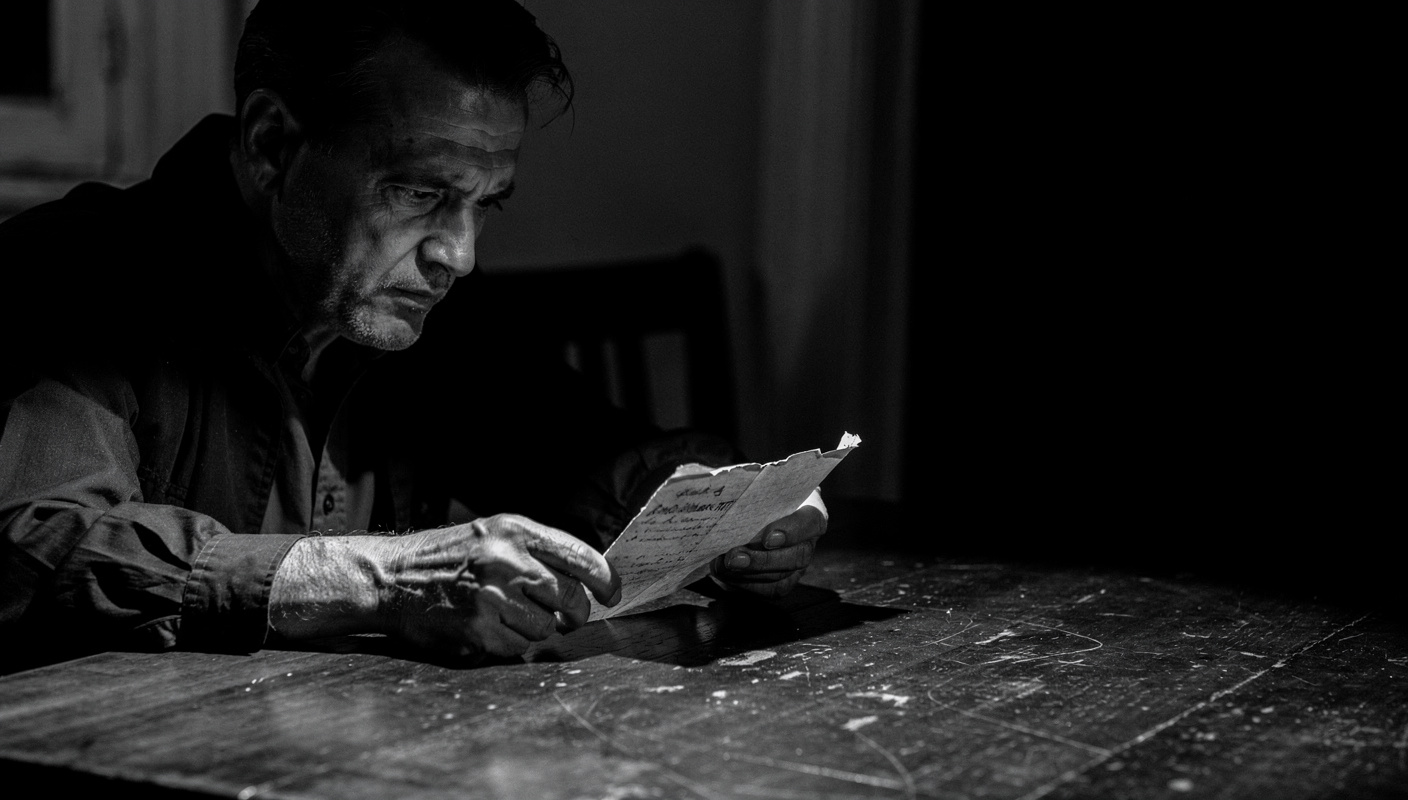
I once watched a senior manager spend a full weekend preparing for a difficult conversation with his team. He journaled. He rehearsed. He reflected carefully on his own frustration and worked out where it was coming from. By Sunday evening, he believed he was ready.
Monday morning, the meeting went sideways inside four minutes. His voice tightened. His jaw set. He interrupted twice. By the end, the team felt exactly what he had spent the weekend trying not to project. He was as confused as they were.
The trouble was not that he lacked emotional self-awareness. He had plenty of it, alone in his study. What he lacked was the ability to access it when the room got tense and the stakes felt high. Emotional self-awareness in private and public settings are related, but they are not the same skill. Treating them as one thing is where most people get stuck.
"The Conversation You're Avoiding Is the One You Need to Have."
"The Conversation You're Avoiding
Is the One You Need to Have."
Stop rehearsing conversations you'll never have. Say It Right Every Time gives you 115 word-for-word scripts and 16 proven frameworks to speak with confidence in every conversation that matters.
What Private Emotional Self-Awareness Actually Looks Like
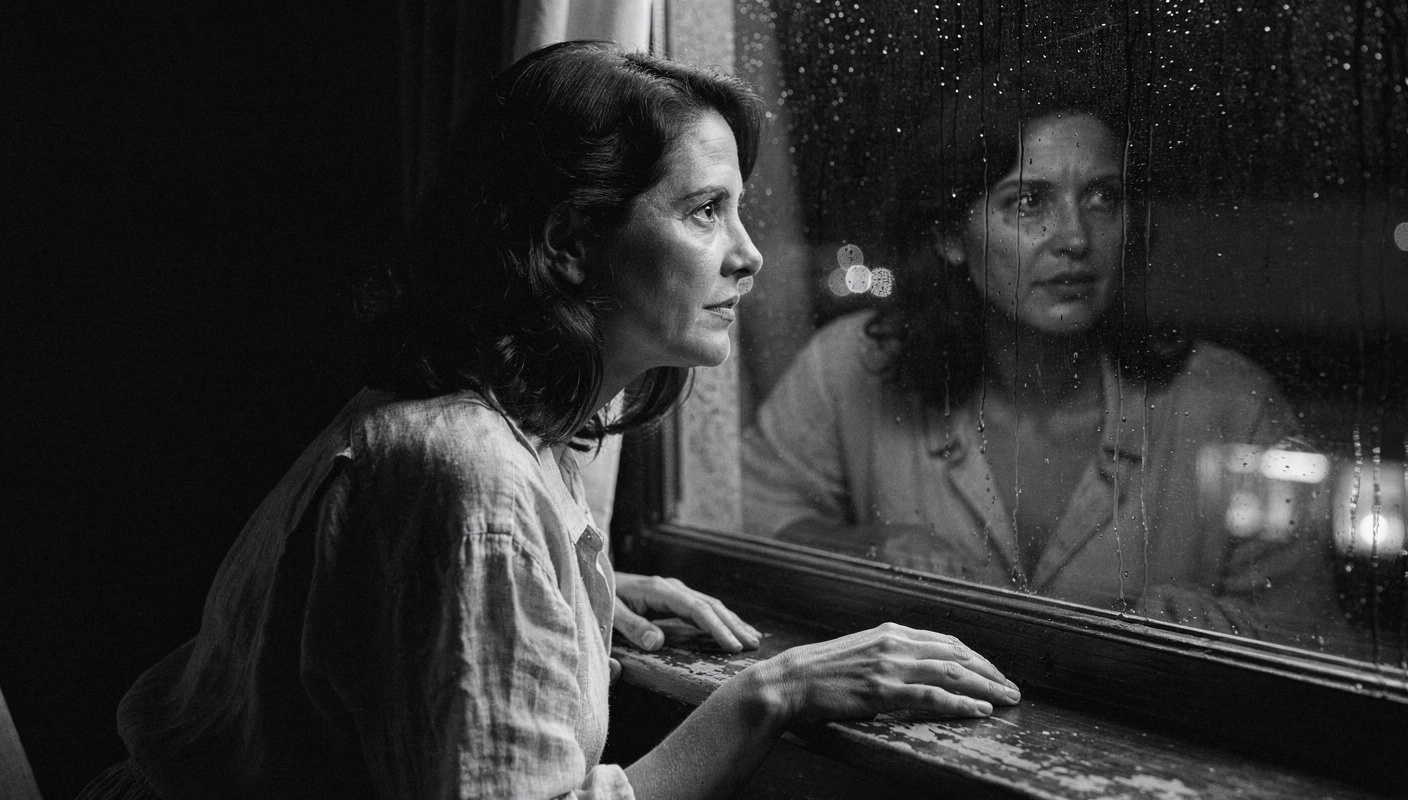
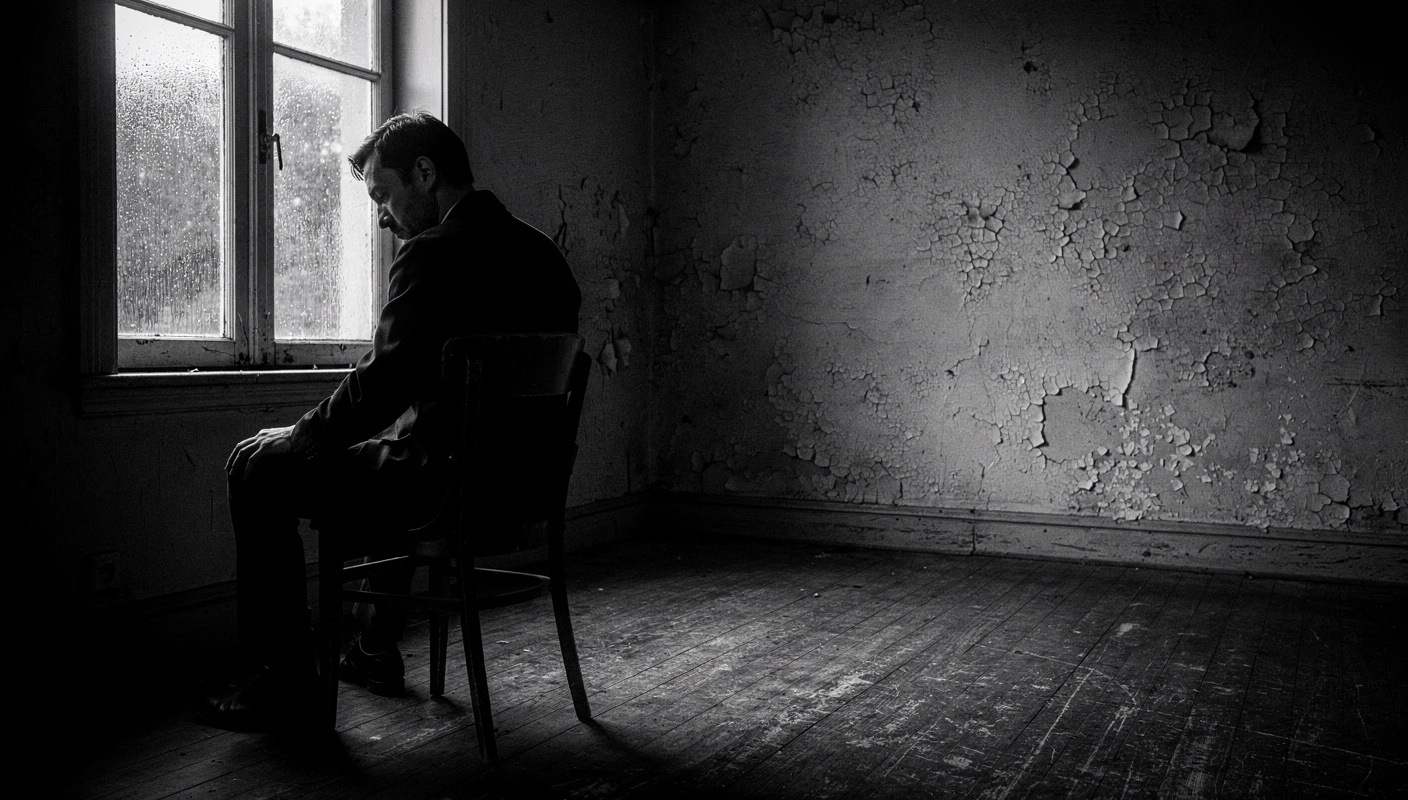
Private emotional self-awareness is the practice of knowing your own inner world when the pressure of other people's presence is removed. It is what happens in the quiet: in a journal, on a long walk, in the moments before sleep when you replay a conversation and finally admit to yourself how you actually felt.
This kind of self-awareness demands honesty above all else. You are the only witness. No one is watching, so there is no incentive to perform or protect. The question is whether you are willing to look clearly at what is actually happening inside you, rather than at the story you prefer.
Strong private self-awareness means you can name specific emotions with precision, not just "stressed" or "annoyed," but something closer to "I felt dismissed when he spoke over me, and underneath that, I was genuinely afraid the project was failing." That level of clarity is hard to reach in the middle of a live conversation. It takes stillness, and stillness requires privacy.
The foundation this builds is important. When you understand your emotional patterns in calm moments, you create a map. You begin to know which situations tend to trigger specific reactions. You recognise the shape of your defensiveness, your withdrawal, your overcorrection under pressure. That map becomes a tool you can apply in public, but only if you have drawn it carefully when alone.
What Public Emotional Self-Awareness Demands
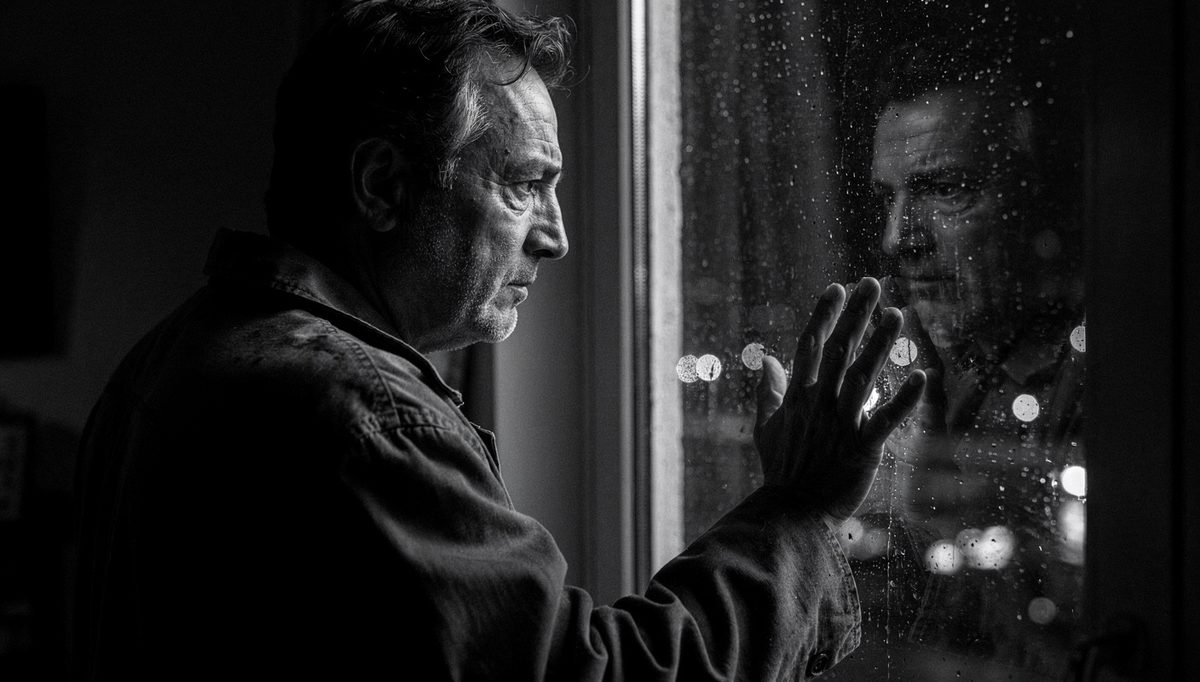
Public emotional self-awareness is a different challenge entirely. It asks you to do in real time what private self-awareness allows you to do in retrospect. You are not reflecting after the fact. You are noticing, naming, and adjusting while the conversation is still happening, while someone is watching your face and responding to your tone.
The difficulty here is biological as much as it is psychological. When social pressure rises, when someone challenges you, when the room turns uncomfortable, your nervous system responds before your conscious mind catches up. The body tightens. Breathing shallows. The emotional brain moves faster than the thinking brain. If you read about how amygdala hijack can destroy the quality of real-time interaction, you will recognise this pattern immediately.
Public emotional self-awareness is not about suppressing that response. It is about noticing it early enough to make a conscious choice about what to do next. It is the capacity to feel the tension rising in your chest and think, "That is frustration," and then decide whether to speak from that place or wait ten seconds first. It is a real skill, and it can be practised. But it requires a different kind of training than private reflection alone can provide.
A Side-by-Side Look at the Two Types
| Dimension | Private Self-Awareness | Public Self-Awareness |
|---|---|---|
| When it operates | In solitude, after the fact, in reflection | In real time, during live social interaction |
| Primary demand | Honesty with yourself | Speed and composure under pressure |
| Main obstacle | Self-deception and avoidance | Biological stress response, social performance |
| Core practice | Journaling, reflection, slow introspection | Body-checking, pausing, in-the-moment noticing |
| Feedback source | Your own memory and inner dialogue | Other people's responses, your own physical signals |
| Risk when weak | Patterns stay invisible; insight never forms | Emotions drive behaviour before you realise it |
| How it develops | Quiet time, structured reflection, honest review | Repetition in real interactions, deliberate practice |
The table draws a clean line, but the reality is more textured. Private self-awareness gives you the raw material: the knowledge of your triggers, your emotional history, your default responses under stress. Public self-awareness is where you apply that material in conditions that do not cooperate. The two reinforce each other when both are strong. When one is weak, the other carries more weight than it can bear.
The most important contrast is the timing. Private self-awareness can be leisurely. You can take an hour to figure out how you truly felt about something. Public self-awareness has a window measured in seconds. A reaction that takes two minutes to understand in a journal takes two seconds to express in a room. That compression changes everything.
Where the Two Concepts Genuinely Overlap
It would be a mistake to treat these as entirely separate territories. They are two expressions of the same underlying capacity, and each one feeds the other in ways that matter practically.
The more deeply you know yourself in private, the richer your public self-awareness becomes. When you have spent real time understanding why certain tones or certain topics activate a particular emotional response in you, you are faster at recognising those signals when they appear live. The map you draw in stillness is the one you read in motion.
And the reverse is also true. Every public interaction, every moment where you notice yourself reacting and choose to reflect on it afterward, gives you sharper material for private introspection. The conversation that rattled you on Tuesday is exactly the thing worth sitting with on Tuesday night. Staying grounded during tense workplace conversations becomes easier when you have already processed the emotional content in private.
This is where the two concepts stop being competitors and start being partners. Neglect either one, and you limit the other.
Three Confusions That Quietly Cost People
Assuming private clarity transfers automatically to public performance
The mistake: You have done the inner work. You have reflected carefully, named your emotions honestly, understood your triggers. You walk into a difficult conversation confident that you know yourself, and you are caught off guard when your behaviour does not match your intentions.
Why it happens: Private self-awareness is built in conditions that public self-awareness must survive without. The calm of solitude does not travel automatically into a charged room.
What to do instead: Treat your private insights as preparation, not as performance. Before high-stakes conversations, use what you know about yourself to set a concrete intention: "I know I go quiet when I feel dismissed. Tonight, I will name that rather than retreat."
Mistaking self-monitoring for self-awareness
The mistake: You become hypervigilant about how you are coming across socially. You watch yourself constantly, adjusting your tone, your expression, your words based on how others seem to be receiving you. You call this self-awareness.
Why it happens: Self-monitoring is about managing impressions. Emotional self-awareness is about understanding your inner state. The two can feel identical in the moment because both involve paying close attention to yourself.
What to do instead: Ask a different question in real time. Not "How am I coming across?" but "What am I actually feeling right now, and is that feeling driving this response?"
Using private reflection to avoid public accountability
The mistake: You journal extensively about a difficult interaction, reach a clear understanding of your own role in it, feel genuinely resolved, and never actually address it with the other person.
Why it happens: Private self-awareness can produce a feeling of completion that has not been earned through any real-world action. The insight feels like the resolution, but the relationship is unchanged.
What to do instead: Use private reflection as the beginning of a process, not the end of one. When your inner work reveals something important about how you showed up with another person, let that become the basis for a real conversation. The C.O.R.E. Framework gives you a reliable method for staying calm when that conversation gets difficult.
When Each Type of Awareness Matters Most
Private emotional self-awareness is most critical in the hours and days surrounding high-stakes interactions. Before a performance review, before a difficult conversation, before any situation where your emotional state will visibly shape the outcome, you need time alone with yourself. What are you carrying into this? What are you afraid of? What do you want? And separately: what do you need?
It is also the right tool for understanding patterns over time. If you keep finding yourself in the same kind of conflict, or if feedback keeps surfacing the same theme, private reflection is where you do the honest accounting. Why some people give better feedback than others often comes down to this: they have done the private work to understand their own emotional triggers around evaluation, so they are not carrying that noise into the conversation.
Public emotional self-awareness matters most in moments of friction. When a conversation shifts in an unexpected direction. When someone says something that lands harder than anticipated. When you feel the pull toward reaction rather than response. This is where the confidence to stay present under pressure comes from: not from suppression, but from genuine recognition of what is happening inside you, early enough to choose.
It also matters in sustained interactions, meetings that run long, negotiations, difficult conversations with no clear endpoint. The longer a charged interaction runs, the more important it becomes to keep checking in with your own internal state. Emotional fatigue is real, and it erodes your clarity faster than almost anything else. How managers handle workplace tension better than others usually traces back to this discipline: they stay aware of their own state across the full length of a difficult interaction, not just at the start.
Building Both Capacities Deliberately
For private self-awareness, the single most useful practice I have found over six decades is the honest post-mortem. Not "what happened in that conversation" but "what did I feel, when did I feel it, and what did I do with that feeling?" Do it in writing. The act of putting words to an emotion changes how clearly you see it.
For public self-awareness, the practice is slower and more uncomfortable: you have to put yourself into real situations with real stakes and pay attention to your body while it is happening. Notice the tightening in the shoulders. Notice the impulse to interrupt. Notice the moment your voice drops half a register when you are trying to sound unconcerned. How the confidence-competence loop explains why some teams develop stronger self-awareness faster is directly relevant here: competence in emotional self-awareness grows through repeated exposure, honest reflection, and gradual trust in your own capacity to handle what arises.
Start with low-stakes practice. Pay attention to your emotional state during routine interactions: a team standup, a casual disagreement with a colleague, a moment of praise that lands awkwardly. These are the training grounds where you build the capacity you will need when the stakes are genuinely high.
Frequently Asked Questions (FAQ)
What is emotional self-awareness?
Emotional self-awareness is the ability to recognise your own emotions as they arise, understand what is driving them, and see how they influence your thoughts and behaviour. It works differently when you are alone than when you are in front of other people.
What is the difference between private and public emotional self-awareness?
Private emotional self-awareness is what you notice about yourself when no one is watching. Public emotional self-awareness is how you track your own emotional signals in real time during social interactions. Both are necessary, but they require different skills and different kinds of practice.
Why does emotional self-awareness matter in the workplace?
Without emotional self-awareness in professional settings, you react before you reflect. Your emotions shape your tone, your decisions, and how safe others feel around you. People with strong emotional self-awareness build more trust, handle tension more effectively, and communicate with greater clarity.
How do I improve my emotional self-awareness in public settings?
Start by identifying your three most common emotional triggers in social situations. Before high-stakes conversations, set a clear intention for how you want to show up. During the conversation, check in with your body every few minutes. After it ends, reflect honestly on where your emotions led you.
Can you have strong private self-awareness but weak public self-awareness?
Yes, and it is more common than people realise. Someone can be deeply reflective in solitude, journaling every feeling with precision, yet completely lose that clarity the moment tension or social pressure enters the room. The two skills are related but they are not the same thing.
What is the cost of confusing private and public emotional self-awareness?
When you confuse the two, you assume that because you have reflected on your emotions privately, you will manage them well publicly. That assumption leads to overconfidence in high-pressure moments and genuine surprise when your behaviour does not match your intentions.