
In Short
Your body knows things your mind has not admitted yet. Movement and exercise self-awareness practices make those things visible by creating physical conditions that mirror emotional ones. Used with structure, they reveal your reactive patterns, your stress responses, and the gap between who you intend to be and how you actually behave under pressure.
- Physical activity amplifies emotional signals that are easy to suppress while sitting still.
- Five structured frameworks turn ordinary exercise sessions into genuine self-knowledge practice.
- What you discover in movement, you can apply directly to how you lead, communicate, and connect.
Movement exercise self-awareness is the deliberate practice of using physical activity as a structured mirror for your emotional and mental state. Rather than exercising for fitness alone, you attend to physical sensations, thought patterns, and reactive impulses that arise during movement, using them to build genuine self-knowledge.
I spent too many years thinking self-awareness was a quiet, sitting-still kind of practice. You journal. You reflect. You think carefully before you speak. That was my model, and it failed me regularly, because under real pressure, the careful thinking evaporated. What remained was a set of patterns I had never actually seen clearly. Movement and exercise self-awareness changed that for me. The body under physical stress is not polite. It shows you exactly how you handle discomfort, frustration, and fatigue, and those are the same conditions that govern every hard conversation you will ever have at work. If you want to know how you respond when things get difficult, stop waiting for a difficult meeting. Go for a run. Lift something heavy. Pay attention.
Why the Body Reveals What the Mind Conceals
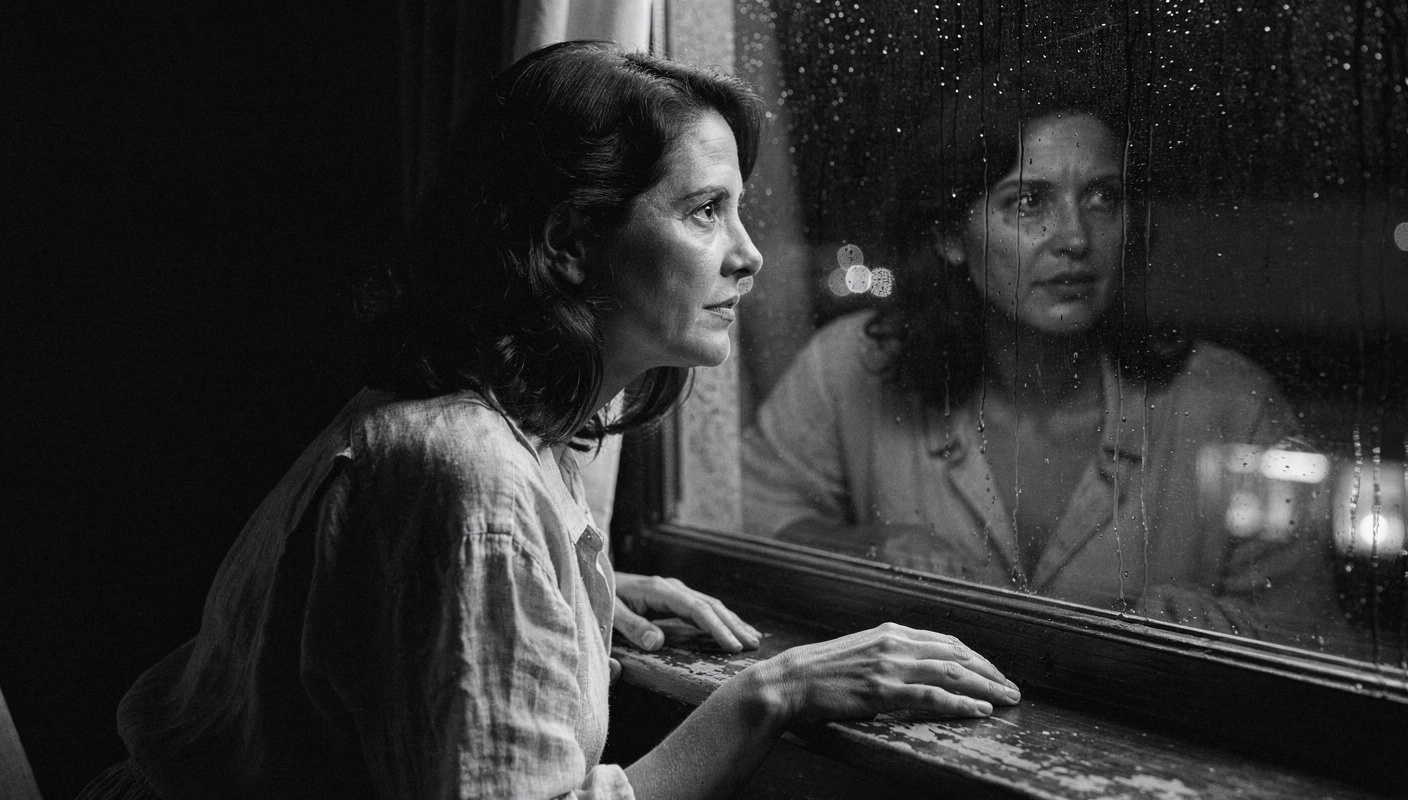
Your mind is a skilled editor. It smooths over your reactive moments, reframes your anxieties, and presents you with a version of yourself that is a little more composed than the truth. Your body does none of that. It registers tension in your shoulders before you have consciously decided you are stressed. It shortens your breath before you have named the feeling as fear. It pushes you to quit a hard set of intervals at precisely the same internal threshold where you abandon a difficult conversation too soon.
This is what makes movement such an honest mirror. Physical exertion strips away the editorial layer. The patterns that emerge when your legs are burning or your grip is failing are the same patterns that govern your behaviour when your manager challenges you in front of the team. The body and the emotional system share a nervous system. What shows up in one shows up in the other.
Understanding this connection is the foundation for all five frameworks below. Each one gives you a structured way to observe yourself honestly, so that what you learn in motion can be carried directly into your relationships and your work. For more on how anxiety drives communication patterns before awareness can intervene, see Signs Your Leadership Voice Is Driven by Anxiety Rather Than Intention. And How to Fix It.
"The Conversation You're Avoiding Is the One You Need to Have."
"The Conversation You're Avoiding
Is the One You Need to Have."
Stop rehearsing conversations you'll never have. Say It Right Every Time gives you 115 word-for-word scripts and 16 proven frameworks to speak with confidence in every conversation that matters.
Five Frameworks for Using Movement and Exercise as a Self-Awareness Practice
Framework 1: The Pre-Session Emotional Audit
What it is: A 90-second structured check-in done before any exercise session, designed to capture your emotional baseline before physical activity alters your state.
What it is designed for: Building the habit of naming your emotional state before pressure is applied. Most people enter exercise sessions the same way they enter meetings: distracted, unexamined, already operating from a mood they have not yet identified.
How it works:
- Pause before you start. Stand still for 30 seconds before you begin any warm-up. Feet flat on the ground. Breathing normal.
- Scan from the top down. Notice where tension lives right now: jaw, neck, shoulders, chest, stomach, hips. Do not fix anything. Just locate it.
- Name one emotion and one thought. Say it aloud if you can. "I am agitated and I keep thinking about the meeting this afternoon." This is not therapy. It is labelling, and labelling reduces the power of an unexamined state.
- Note your intention. Decide what you will pay attention to today beyond the physical: "I want to notice when I want to quit and what story I tell myself to justify it."
When to use it: Every session, without exception. Its value is in the consistency, not the novelty. Three days of this practice tells you nothing. Thirty days tells you everything.
When not to use it: Do not turn it into a lengthy journalling exercise before every session. Ninety seconds is the maximum. If you spend longer, you are performing reflection rather than practising it.
Quick example: A project manager who used this framework for six weeks discovered she always arrived at her Tuesday sessions with a tight chest and a fast, dismissive internal voice. Tuesday was the day after her team's weekly review meeting. She had never consciously connected the two. Once she saw the pattern in her body before exercise, she recognised the same tight chest and dismissive voice in how she handled questions from her team on Monday afternoons.
Eamon's note: The discipline here is not complexity, it is honesty. You are not analysing yourself; you are simply looking before you step into movement. That look is everything.
Framework 2: The Threshold Observation Method
What it is: A real-time attention practice applied at the moment physical discomfort peaks during exercise, designed to reveal how you respond to pressure before retreat becomes habitual.
What it is designed for: Identifying the specific strategies you use to avoid discomfort. These strategies, avoidance, bargaining, anger, denial, are identical to the ones you use in hard conversations at work. Understanding them in a low-stakes physical context gives you a clear map of your emotional defaults.
How it works:
- Choose a genuinely uncomfortable effort. This works with running, cycling, hill walking, or any resistance exercise where sustained discomfort is unavoidable. Easy sessions teach you nothing here.
- Watch the moment you want to stop. Do not stop yet. Observe the internal voice. What does it say? "This is pointless." "I have done enough." "I will make up for it tomorrow." Write nothing down. Just hear it clearly.
- Note the physical sensation paired with the story. Burning legs paired with "I never finish what I start." Breathlessness paired with "I am not built for this." The pairing is the data.
- Choose once. You can stop, or you can continue for 60 more seconds. Either choice is acceptable. What matters is that you make it consciously rather than automatically.
- Debrief immediately after the session. Write two sentences: what the voice said, and what you chose.
When to use it: In sessions where real physical difficulty is present. This framework loses all value in comfortable, easy-effort sessions.
When not to use it: Do not apply it when you are injured, genuinely unwell, or operating on inadequate sleep. The threshold observation method is for emotional patterns, not for overriding physical warning signals.
Quick example: A senior manager realised through eight weeks of this practice that his internal voice always used the word "enough" as a permission slip to stop. "I have worked hard enough." "I have said enough in that meeting." "I have given enough." He had used the same word in every exit from a difficult conversation. Seeing it in the gym first made it visible everywhere else.
Eamon's note: The voice at the threshold is the same voice that speaks up in hard moments at work. Learn it here, where the stakes are low, and you will recognise it when it matters.
Framework 3: The Body Scan During Rest
What it is: A structured attention practice conducted during recovery periods within a workout, using stillness to observe how your nervous system responds to effort and stress.
What it is designed for: Developing interoception, your capacity to read your own internal physical signals accurately. Poor self-awareness often begins not with emotional blindness but with physical blindness: the inability to notice that your heart rate is elevated, your muscles are braced, or your breath is shallow.
How it works:
- Use natural rest periods. Between sets of weights, between intervals, or during a planned rest in a circuit. Sixty seconds is enough.
- Breathe for ten seconds first. Normal breath. Not a technique, just breathing and noticing.
- Scan in sequence: chest, jaw, hands, stomach. These four locations carry emotional information most reliably. A tight jaw often signals unspoken frustration. Braced hands often signal anxiety. A clenched stomach often signals a decision you have not yet made.
- Name what you find in plain language. Not "I feel some tension in my thoracic region." Just: "My jaw is tight. I am probably still angry about this morning."
- Let it be information, not a problem to solve. You are not trying to relax. You are trying to read yourself accurately.
When to use it: Any session with natural rest intervals. It fits easily into weightlifting, circuit training, yoga, or interval running.
When not to use it: In flow-state activities like long steady runs where breaking attention interrupts a genuinely restorative state. Some movement is for recovery, not observation.
Quick example: A woman who had always described herself as "not an emotional person" began using the body scan during her weight sessions. Within three weeks, she noticed a consistent pattern: her hands braced hard during her rest periods on days when she had a performance review coming. She had been telling herself she was fine about those conversations. Her hands knew otherwise.
Eamon's note: Most people think self-awareness is about thinking more clearly. It is also about listening more honestly to what your body is already saying.
Framework 4: The Post-Session Reflection Protocol
What it is: A structured five-minute reflection completed within ten minutes of finishing any exercise session, while physical sensations are still fresh and emotional residue is still accessible.
What it is designed for: Connecting the patterns observed during movement to real situations in your work and relationships. Without this bridge, movement self-awareness stays inside the gym. With it, every session becomes a practical source of self-knowledge you can apply directly.
How it works:
- Sit down before you cool down completely. Immediately after exercise is when emotional and physical states are most transparently connected. Do not wait until you have showered and returned to normal.
- Write three things in a notebook or your phone. What pattern did I notice? Where have I seen this pattern before, outside of exercise? What might I do differently next time it shows up?
- Keep it to five minutes maximum. This is not journalling as a creative practice. It is pattern tracking. Brevity keeps it honest.
- Review your entries weekly. Patterns only become visible across time. One entry is an observation. Ten entries are a map.
When to use it: After every session where Frameworks 1, 2, or 3 surfaced something worth noting. You do not need to apply this after every single workout.
When not to use it: Do not force reflection when a session was genuinely uneventful. Not every session will yield insight. Forcing it produces fabricated patterns, which is worse than no data.
Quick example: A team leader reviewed four weeks of post-session notes and found that his most common observation was: "I pushed too hard at the start and had nothing left at the end." He had written it eight times about his running. His team had been telling him the same thing about his projects for two years.
Eamon's note: Patterns only reveal themselves over time. One session tells you something. A month of sessions tells you who you are.
Framework 5: The Intentional Movement Window
What it is: A designated weekly session, 20 to 40 minutes, where movement itself becomes the whole practice, with no performance goal, no measurement, and full attention given to what your body and emotions are doing moment by moment.
What it is designed for: Building the deepest layer of movement and exercise self-awareness: the capacity to be present in your own experience without judgment or agenda. This is where physical self-knowledge and emotional intelligence genuinely fuse.
How it works:
- Choose an unstructured movement form. Walking, slow swimming, gentle cycling, or free stretching. No targets. No tracking devices.
- Set a single intention at the start. Not a goal. An intention. "Today I will notice what I am avoiding thinking about." Or: "Today I will pay attention to when I speed up and why."
- Follow the body, not the plan. If you want to slow down, slow down. If you want to stop and stand still for a moment, do it. The point is to practise following genuine internal signals rather than external expectations.
- Speak two sentences aloud at the end. Before you re-enter normal life, say what came up. Saying it aloud makes it real in a way that silent thinking does not.
When to use it: Once weekly, as a complement to your regular training rather than a replacement for it. It serves a different purpose from performance-focused exercise.
When not to use it: This is not a replacement for demanding physical training. Do not let the Intentional Movement Window become an excuse to avoid genuine physical effort across the week.
Quick example: A director who had struggled to identify her own emotional triggers used this practice for six weeks. In her third session, she found herself slowing to a stop on a walk and realising she had been dreading a conversation with a colleague for three weeks without ever naming it. The absence of distraction and the presence of movement had made the avoidance visible in a way that no amount of reflection at her desk had managed.
Eamon's note: Sometimes the most honest self-awareness comes not from analysing yourself but from giving yourself enough quiet and movement to hear what is already there.
Choosing the Right Framework for Your Situation
Not every session needs all five. Here is a quick guide to matching framework to purpose.
| Situation | Best Framework |
|---|---|
| You rarely know what emotional state you are in | Framework 1: Pre-Session Audit |
| You quit things too easily or avoid difficulty | Framework 2: Threshold Observation |
| You carry stress physically without noticing | Framework 3: Body Scan During Rest |
| You repeat the same patterns and cannot see them | Framework 4: Post-Session Reflection |
| You feel disconnected from your own instincts | Framework 5: Intentional Movement Window |
Start with one, not all five. Framework 1 is the best starting point for most people because it costs almost nothing in time and immediately begins building the habit of naming your state before pressure is applied. Once that feels natural, add Framework 4. The two together, a check-in before and a reflection after, give you a complete session-level loop.
Frameworks 2 and 3 require sessions where real effort is already present, so they integrate naturally into any existing training routine. Framework 5 is the most advanced and the most easily misunderstood. Many people attempt it first because it sounds gentle. It is not easy. Being present in your own experience without agenda is one of the hardest things a person can practise.
Understanding your reactive patterns under pressure connects directly to how you perform in high-stakes team situations. How the Confidence-Competence Loop Explains Why Some Teams Build Synergy Faster Than Others shows how self-knowledge feeds directly into collective performance.
The Traps That Undermine This Practice
Three patterns consistently derail people who begin using movement for self-awareness.
Turning observation into performance. The trap is subtle: you start noticing your patterns during exercise and then begin managing them in the moment rather than simply observing them. Observation is the practice. The moment you start trying to perform equanimity during a hard interval, you have stopped learning and started posturing. Your patterns cannot show themselves if you are busy correcting them in real time.
Inconsistency disguised as wisdom. You do three sessions attentively, notice something interesting, and then drift back to exercising on autopilot. The mind convinces you that the insight you already gained is sufficient. It is not. Self-awareness built through movement is cumulative. The patterns that matter most are not the ones you see once; they are the ones you see repeatedly across weeks and months. This is also relevant to how movement self-awareness connects to feedback delivery: the people who give better feedback tend to be the ones who have seen their own patterns clearly enough to separate them from the feedback conversation itself.
Using the body without believing it. Many people, particularly those with strong analytical minds, observe a physical pattern clearly and then immediately discount it. "My jaw is tight but that is just how I carry tension. It does not mean anything." Here is the truth of it: your body does not produce symptoms without cause. If tension lives somewhere consistently, it belongs to something. Dismissing the data because it arrived through your body rather than your mind is the single most common way intelligent people avoid genuine self-knowledge.
Understanding the role of the nervous system in these patterns also helps. What Is the Amygdala Hijack and How Does It Escalate Workplace Tension in High-Pressure Moments gives direct context for why your body responds the way it does under stress.
Building Fluency Over Four Weeks
You do not need to overhaul your exercise routine to begin this practice. You need a reasonable commitment to four weeks of structured attention.
Week one: Apply only Framework 1 to every session. Do nothing else differently. The goal is simply to arrive at each session having named your state before you begin.
Week two: Add Framework 4 to every session where something was worth noting in the pre-session audit. You are building the input-output loop now.
Week three: Introduce Framework 2 or 3 depending on your training style. If you do high-intensity work, use the Threshold Observation Method. If you do strength or yoga, use the Body Scan During Rest.
Week four: Replace one session with Framework 5. Let one session each week be unmeasured and attentive. Review all your notes at the end of the week. Look for three patterns that appeared more than once.
After four weeks, you will have a working map of your emotional defaults under pressure. That map does not expire. It grows clearer every time you return to the practice. Leaders who develop stronger self-knowledge through practices like this tend to develop more consistent voices in pressure situations; How the Confidence-Competence Loop Explains Why Some Leaders Develop a Stronger Voice Faster explains why that pattern holds.
You can also apply this self-knowledge directly to team dynamics. How to Use the Confidence-Competence Loop to Make Your Team Synergy Conversations Less Terrifying and How the Confidence-Competence Loop Explains Why Some Managers Handle Workplace Tension Better Than Others both show how the self-knowledge you build through practices like these translates directly into how you perform under relational pressure.
What Movement Has Taught Me That Nothing Else Could
I have spent decades watching people try to build self-awareness through talking and thinking alone. Some of them got there. Most did not, because the mind, left to itself, will always protect you from the things you most need to see. The body cannot do that. It carries the truth of you whether you attend to it or not.
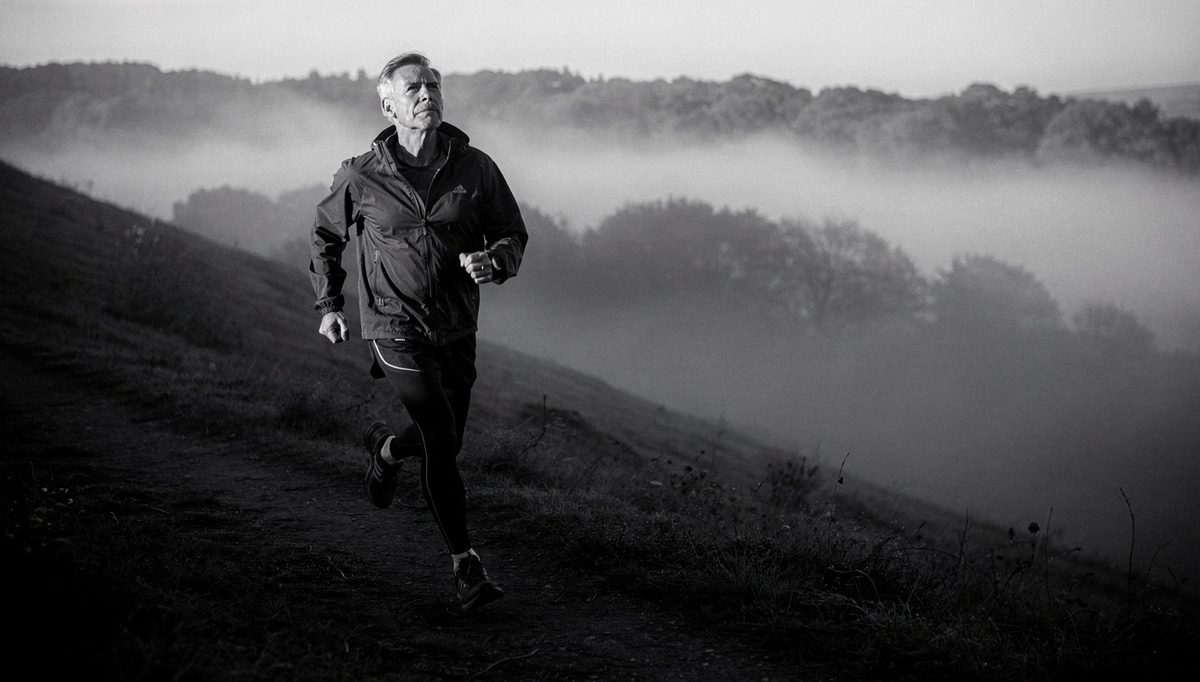
In my own experience, the clearest picture I have ever had of my own reactive patterns came not from a quiet hour of reflection but from watching myself want to quit a long run in the Mournes on a grey morning and listening to what I told myself about why that was acceptable. The voice I heard then was the same voice I had been using in difficult conversations for years. I had just never caught it in the act before.
Movement and exercise self-awareness is not a soft practice. It is one of the most direct and honest tools available to anyone who wants to understand how they actually behave under pressure, rather than how they imagine they do. Pick one framework. Apply it this week. Trust what your body shows you.
Frequently Asked Questions (FAQ)
What is movement exercise self-awareness?
Movement exercise self-awareness is the practice of using physical activity as a mirror for your emotional and mental state. Instead of exercising purely for fitness, you pay deliberate attention to how your body responds, what thoughts arise, and what patterns surface under physical stress.
How does exercise improve self-awareness?
Exercise creates physical stress that mirrors emotional stress, making your habitual patterns visible. When you observe how you react to discomfort, fatigue, or frustration during movement, you gain direct insight into how those same patterns show up in your work and relationships.
Can movement and exercise self-awareness help with emotional regulation?
Yes. Regular movement practice trains your nervous system to recognise and respond to emotional signals more quickly. Over time, you learn to identify tension, agitation, or anxiety in your body before they escalate into words or actions you later regret.
What types of exercise are best for building self-awareness?
Any exercise that demands attention works well: running, swimming, weightlifting, yoga, or walking. The type matters less than the quality of attention you bring. Even a 20-minute walk becomes a powerful self-awareness tool when you practise observing your physical and emotional state throughout.
How long does it take to build self-awareness through movement?
Most people notice clearer patterns within four to six weeks of consistent, attentive practice. The key is regularity combined with deliberate reflection, not duration or intensity. A short daily practice builds more self-knowledge than an occasional long session done on autopilot.
How is movement self-awareness different from just exercising?
Standard exercise focuses on output: speed, weight, reps, or distance. Movement self-awareness focuses on input: what your body is telling you, what emotional state you brought to the session, and what patterns emerged under pressure. The body becomes a source of information, not just a machine to push.