
In Short
A high anchor in negotiation only works if the other side stays in the room long enough to hear it. Drop your opening number without first building connection, and you trigger defensiveness before the conversation has a chance to begin.
- The Empathy Bridge creates psychological safety before your anchor lands.
- Connection does not weaken your position; it protects it.
- You can open strong and open with respect at the same time.
Empathy bridge anchoring is a negotiation technique in which you acknowledge the other party's situation, pressures, or perspective before stating your opening number. The bridge lowers emotional defenses so the anchor is received as a serious starting point rather than an attack.
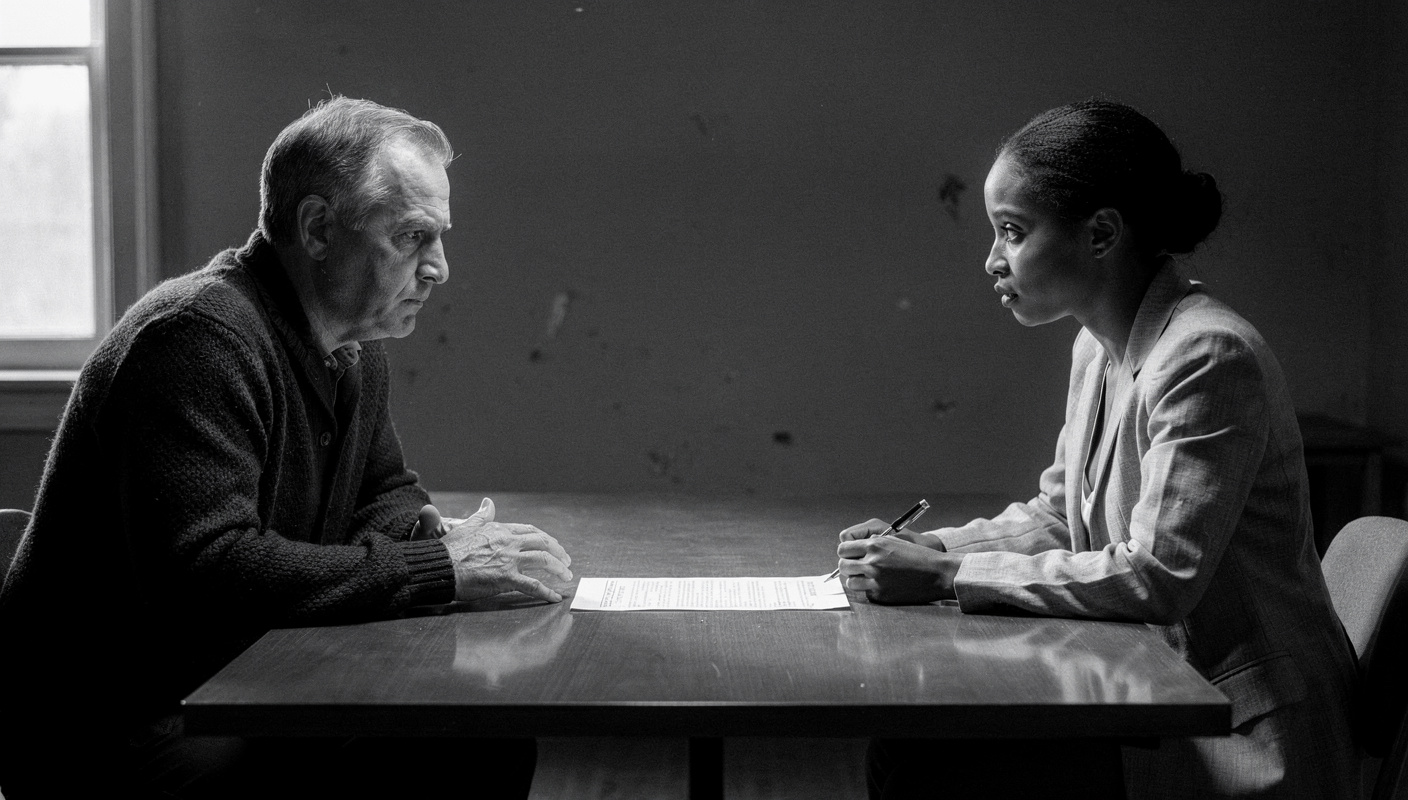
I watched a colleague lose a contract he should have won. He had done the preparation, he knew his number was fair, and he opened with confidence. His first words were the price. The client's face closed. Within ten minutes the conversation was over and he walked out without a deal. The number was not the problem. The way he arrived at it was.
That moment is what I think about whenever someone asks me about high anchoring in a negotiation. The anchor, the first number you put on the table, is one of the most powerful tools in any negotiation. Whoever names a number first sets the gravitational centre of the entire discussion. But an anchor dropped without care does not just fail to pull; it can sink the whole conversation. In Say It Right Every Time, I describe a technique called the Empathy Bridge, covered in Chapter 2, that solves exactly this problem. It is the step that most people skip, and skipping it is why their anchors land with a thud instead of a hold.
Why High Anchoring Feels Riskier Than It Should
Here is the truth of it: anchoring is not complicated in theory. You set a number higher than your target, the other side responds, and you negotiate toward a middle ground that ends up closer to your opening than to theirs. The research behind this is solid. The first number in any negotiation creates a reference point that shapes every number that follows.
But in practice, most people anchor too low. They soften their opening figure because they are afraid the other side will walk, or laugh, or think less of them. They give ground before the conversation has even begun. I have done this myself, more times than I care to admit, and every time I paid for it.
The fear is real but it is aimed at the wrong target. The risk is not in the number. The risk is in how the number arrives. A high anchor delivered without context, without acknowledgment of the other person's reality, reads as indifference or aggression. It puts them on the defensive before you have said anything else. Once someone is defensive, they stop listening and start protecting. The negotiation does not stall on the number; it stalls on the feeling the number created.
This is why the Empathy Bridge exists. It changes what the anchor means to the person receiving it.
"The Conversation You're Avoiding Is the One You Need to Have."
"The Conversation You're Avoiding
Is the One You Need to Have."
Stop rehearsing conversations you'll never have. Say It Right Every Time gives you 115 word-for-word scripts and 16 proven frameworks to speak with confidence in every conversation that matters.
What the Empathy Bridge Actually Does to a Negotiation
The Empathy Bridge is a technique from Chapter 2 of Say It Right Every Time. The core idea is straightforward: you acknowledge the other person's feelings or situation before delivering a difficult message. In the context of anchoring, that difficult message is your opening number.
When you name what the other person is carrying before you name your price, something shifts. Their nervous system relaxes slightly. They feel seen rather than ambushed. That shift from defense to engagement is not soft sentiment; it is a practical precondition for productive negotiation. As I write in Say It Right Every Time, "Ignoring emotions does not make them go away. In fact, ignoring emotions is one of the fastest ways to make a difficult conversation impossible."
A high anchor negotiation is a difficult conversation. Treat it like one. The person across from you has pressures, constraints, and a number in their head already. Acknowledge that reality before you introduce yours. This is the foundation of the technique.
The Empathy Bridge does not weaken your anchor. It does not signal that you will settle for less. It signals that you are a serious person who understands the other side's position and has still arrived at a considered opening figure. That combination, strength and respect together, is what keeps the other side in the conversation.
What Must Be in Place Before You Step Into the Room
The Empathy Bridge is a delivery technique, not a substitute for preparation. Before you use it, three things must be in place.
First, you need a genuine anchor. Your opening number must be defensible. It should be higher than your target, but not disconnected from reality. If your number is so extreme that no reasonable person could engage with it, the bridge will not save you.
Second, you need to know what is real for the other side. The empathy statement you make before your anchor must be specific enough to land. Vague empathy sounds like flattery. If you say "I know this is a tough time," it means nothing. If you say "I know your board approved a tighter ceiling for external contracts this year," that shows you have done your work and understand their constraints.
Third, you need clarity on your own desired outcome. As I outline in Chapter 2 of Say It Right Every Time, every difficult conversation requires you to know your core message, your desired outcome, and your why before you open your mouth. In negotiation terms: know your anchor, your target, and your walk-away point. With those three anchored in your mind, you can deliver the opening with genuine confidence rather than performed confidence.
The Six-Step Process for Using the Empathy Bridge Before Your Anchor
This is the sequence I have refined across decades of negotiation, consulting, and the hard lessons that come from getting it wrong. Use it in order. Each step depends on the one before it.
Set the tone before you set the number. Open the conversation with a short statement that signals your intention for the discussion. This is not the empathy statement yet; it is the frame. Keep it simple and direct. Something like: "I want us to find something that actually works for both sides, so I want to be straightforward with you about where I am starting." This signals good faith without conceding anything.
Name their reality, specifically. This is the Empathy Bridge itself. State what you understand to be true about their situation. Be precise. "I know your procurement team has been under pressure since the restructure" is more powerful than "I know times are tough." The specificity proves you have been paying attention. If you do not know enough to be specific, ask a question before anchoring. "Before I put a number on the table, can you help me understand what the constraints look like on your end?" Either way, you are building the bridge before you cross it.
Acknowledge the tension in the gap. You can name the fact that your number may be higher than they expected without apologising for it. This is a subtle but important move. It pre-empts the shock response and normalises the gap as part of the process. Try: "I want to be honest with you. My opening figure is higher than what you may have budgeted for, and I want to walk you through how I arrived at it." You have acknowledged the potential discomfort without retreating from your position.
Drop the anchor clearly and without flinching. State your number once, clearly, and then stop talking. This is where most people undermine themselves. They drop the anchor and then immediately start softening it, justifying it, or talking past it. That signals uncertainty. Say the number. Pause. Let it sit. Silence at this moment is not awkward; it is purposeful. Your willingness to hold the silence communicates that you stand behind what you have said.
Offer the reasoning, not the apology. After the pause, give a brief, confident explanation of how you arrived at your number. This is not a defence; it is a demonstration of serious preparation. Two or three clear points are enough. "This reflects the scope of work, the timeline, and the rate we have held for similar engagements over the past three years." Reasoning invites discussion. Apology invites exploitation.
Return to the bridge and invite their response. Close your opening by circling back to the empathy you opened with. "I know this is a significant ask relative to what you may have planned, and I am genuinely interested in hearing how you are thinking about this." This hands the conversation back to them from a position of respect rather than pressure. It signals that you are ready to listen, which is exactly what the Empathy Bridge technique is designed to create: the conditions for real dialogue.
Adapting This Method When You Are Negotiating Remotely
Remote negotiation, whether by video or in writing, strips away a significant portion of the Empathy Bridge's natural warmth. You lose the physical presence, the eye contact, and the small social signals that tell the other person they are being genuinely seen. This matters more in the empathy step than anywhere else.
On a video call, slow down. Deliver your empathy statement and then pause. Wait for a small acknowledgment from the other side before continuing to your anchor. A nod, a brief word of response, even a shift in their posture. That beat of recognition tells you the bridge has landed. Without it, you are just broadcasting.
In written negotiation, the structure must do the work that your tone would normally carry. Lead with a short paragraph that names their situation and signals your intent. Then state your number in a new paragraph, on its own, with a line of reasoning beneath it. The visual separation mirrors the pause you would create in person. End with an invitation for their perspective. The sequence is the same; only the medium changes.
Managing defensiveness in writing is harder, because you cannot course-correct in real time. If you sense from their reply that the anchor has landed badly, do not immediately concede the number. Instead, re-apply the bridge in your response. The Empathy Bridge technique for defusing tension works as a repair tool as well as a preventive one.
Where People Go Wrong With This Technique
I have seen experienced negotiators apply both the anchor and the empathy and still lose ground. Usually it comes down to one of three mistakes.
The mistake: The empathy statement sounds like an apology for the anchor.
Why it happens: The negotiator is genuinely uncomfortable with their number, and that discomfort leaks into the language. "I know this might seem like a lot" or "I hope this is not too far off from what you expected" are apologies dressed as empathy.
What to do instead: State what is true for them, not what you are worried they will think of you. "I understand you have a fixed budget for this quarter" is empathy. "I hope this is not too shocking" is anxiety.
The mistake: The anchor is too low because the empathy created guilt.
Why it happens: After genuinely connecting with the other person's pressures, some negotiators feel selfish about their number and reduce it before they have even heard a counter-offer.
What to do instead: Separate the empathy step from the anchor step deliberately. The Empathy Bridge prepares the ground for your number; it does not change what the number should be. Connection and strength are not opposites.
The mistake: Skipping the empathy entirely when time is short.
Why it happens: Pressure leads to shortcuts, and the empathy step can feel like a luxury when you need to get to the number quickly.
What to do instead: The empathy step takes thirty seconds. If you find yourself thinking there is no time for it, you are probably in exactly the kind of high-pressure situation where it matters most. Use the C.O.R.E. Framework to stay grounded when the pressure rises and you feel the urge to skip steps.
Before You Walk In: A Pre-Anchor Preparation Check
Use this before every significant negotiation where you plan to anchor first. It takes five minutes and it will save you from the most common failures.
- Do I know my anchor, target, and walk-away point? Write all three down. If you cannot state your walk-away point clearly, you are not ready to open.
- Can I name at least two specific pressures the other side is facing? Generic empathy lands as flattery. Specific empathy lands as respect. If you cannot name two real constraints they are working with, do more research or open with a question before anchoring.
- Have I prepared my reasoning for the anchor? Two to three clear points that explain how you arrived at your number. Not a defence; a demonstration of preparation.
- Is my empathy statement about them, or about my fear of their reaction? Read it back to yourself. If it contains "I hope" or "I know this might be" or any phrase that makes it about you, rewrite it.
- Am I ready to hold the silence after I drop the anchor? If you plan to immediately follow your number with qualifications or softeners, rehearse stopping yourself. The pause is part of the technique.
- Do I have a plan for if the anchor is rejected outright? Rejection of an anchor is not failure. It is the start of a conversation. Know in advance whether you will ask what number they had in mind or invite them to explain their reasoning before you move at all.
This checklist works alongside the Clarity Checklist I outline in Chapter 2 of Say It Right Every Time, which covers the five questions every difficult conversation requires you to answer before you open your mouth.
When you are dealing with defensiveness after an anchor, the C.O.R.E. Framework for managing triggered reactions gives you a clear structure for what to do next. And if the negotiation involves a high-conflict relationship rather than a single high-stakes moment, the D.E.A.L. Method for entrenched situations is worth reviewing before you sit down.
Before the Number, the Person
Preparation matters enormously in anchoring. The Conversation Pre-Mortem approach can help you anticipate the reactions your anchor might trigger and plan for them in advance, rather than improvising when the defensiveness arrives. For negotiations where a relationship has already broken down before the discussion begins, the B.R.I.D.G.E. Method for relationship repair can rebuild enough trust to make an anchor conversation possible at all.
This much I know for certain: the negotiators who earn the best outcomes are not the ones who open with the boldest numbers. They are the ones who make the other side feel respected before the number is ever spoken. When the other person feels seen, they stay in the room. When they stay in the room, the anchor holds. That combination, genuine empathy before a confident number, is the full practice of empathy bridge anchoring. Start there, every time, and you will be surprised how rarely your anchor needs to move very far.
Frequently Asked Questions (FAQ)
What is empathy bridge anchoring in negotiation?
Empathy bridge anchoring is the practice of acknowledging the other person's position or pressures before stating your opening number in a negotiation. It lowers their emotional defenses, making them more likely to engage seriously with your anchor rather than reject it outright.
Why should you use the Empathy Bridge before dropping a high anchor?
A high anchor without empathy reads as aggressive or dismissive, which triggers defensiveness and stalls the negotiation. The Empathy Bridge signals respect first, which makes the other side more willing to stay in the conversation and work toward a number that serves you both.
How do you phrase the Empathy Bridge before your opening offer?
Name what you understand about their situation before stating your number. A simple script: "I know budgets are tight this quarter, and I want to work within what makes sense for your team. With that in mind, my starting point is..." This acknowledges their reality before anchoring yours.
Can the Empathy Bridge work in remote or written negotiations?
Yes, but the delivery changes. In written negotiation, place your empathy statement in the paragraph before your number. In video calls, pause after your empathy statement and wait for a small acknowledgment before continuing. The principle holds; only the medium shifts.
What is anchoring in negotiation and why does it matter?
Anchoring in negotiation is the practice of stating the first number in a deal discussion. That number sets a reference point that shapes the entire negotiation. Research consistently shows that whichever side anchors first tends to reach outcomes closer to their opening figure than to the other side's.
What mistakes do people make when combining empathy with a high anchor?
The most common mistake is making the empathy statement sound like an apology for the number that follows. Another is anchoring too low out of fear of rejection. A third is skipping the empathy entirely when under time pressure, which is exactly when it matters most.