
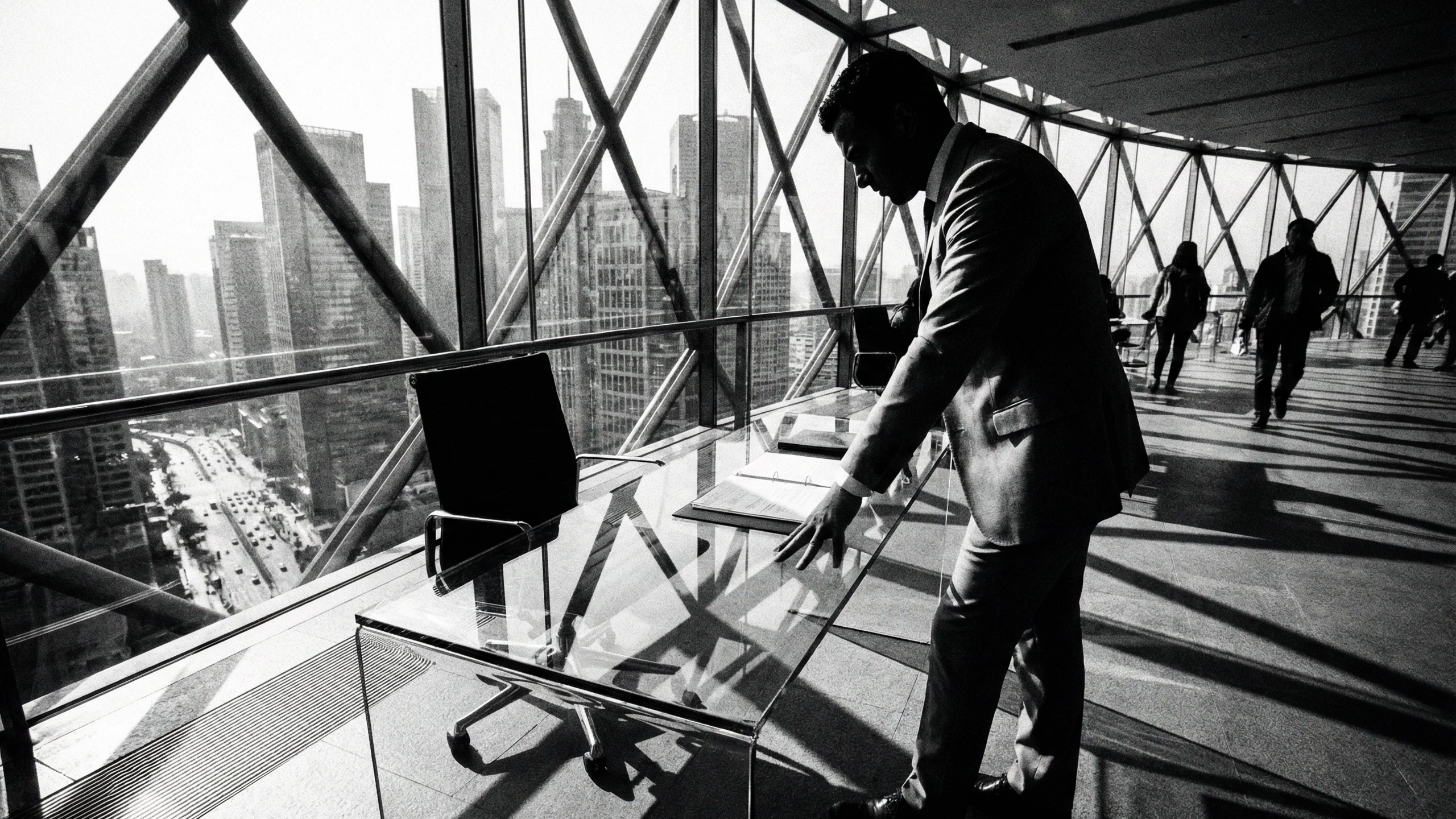
Professional Posture
How physical bearing, composure, and nonverbal signals shape professional credibility and the way colleagues and clients perceive your communication.
Physical presence is a communication act — and in professional contexts, the way a person holds themselves, moves through a room, manages their composure under pressure, and signals engagement or disengagement through their body shapes how they are perceived long before they speak. Professional posture is not about rigid formality or performance; it is the alignment between the physical signals you send and the professional qualities — confidence, attentiveness, authority, openness — you want to communicate.
This subtopic explores professional posture as a communication dimension: how upright, open physical bearing signals confidence and engagement in ways that affect how your verbal communication is received, how the management of eye contact communicates honesty, authority, and respect in professional interactions, how physical composure under pressure — the stillness that does not fidget or collapse — signals the kind of confident stability that leaders and trusted colleagues are perceived to have, and how the spatial and physical choices you make in professional settings — where you sit, how you enter a room, how you carry yourself in informal professional spaces — contribute to a cumulative impression of professional presence. You will also find guidance on the physical communication habits that quietly undermine professional credibility — the collapsed posture, the restless movement, the averted gaze — and on how to develop the physical self-awareness to address them.
Professional posture is the physical communication foundation that everything else is built on. These articles develop it with practical, observable guidance.
No articles yet
Check back soon for articles on Professional Posture.