
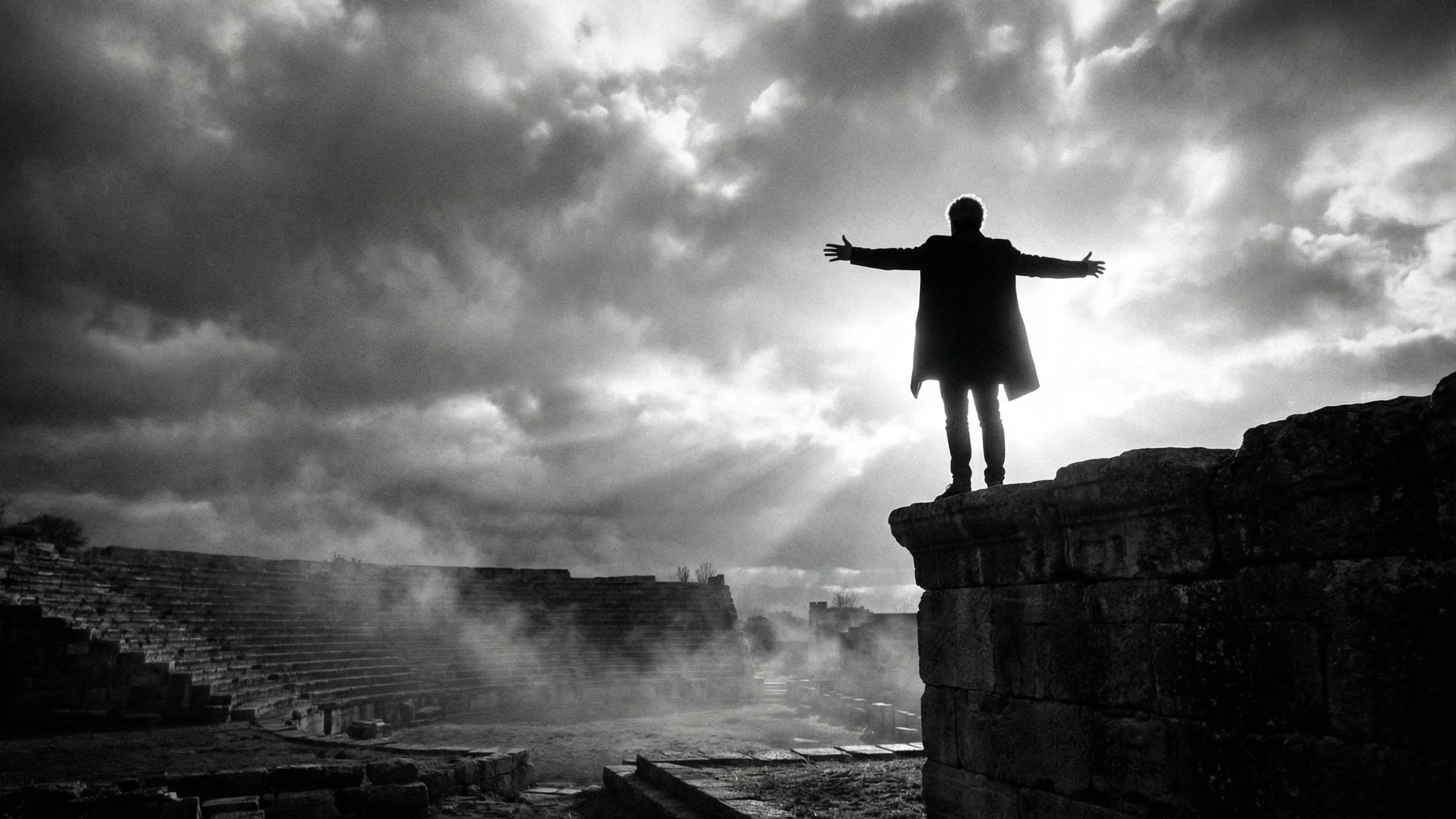
Stage Physicality
How to use movement, posture, gesture, and space on stage to project presence, reinforce your message, and command a room.
How a speaker uses their body and occupies the stage shapes the audience's experience as powerfully as the words they speak. Stage physicality — the intentional use of movement, posture, gesture, and positioning — communicates confidence, authority, and energy. When it is handled well, the audience feels it; when it is poorly managed, nervous habits and rigid stillness become distractions that undermine even excellent content.
This subtopic examines the physical dimensions of public speaking: how to own a stage rather than shrink to one corner of it, how purposeful movement creates transitions and visual interest, how gesture can reinforce and amplify verbal content without becoming mechanical, and how to manage the nervous physical habits — swaying, pacing, self-touching — that signal anxiety to an audience. You will find guidance on adapting your physicality to different performance spaces, from intimate boardrooms to large conference stages, and on using stillness as a deliberate tool for emphasis and gravitas.
Stage physicality is the silent dimension of public speaking — rarely noticed when it is done well, impossible to ignore when it is not. These articles help you develop a physical presence that serves your message.
No articles yet
Check back soon for articles on Stage Physicality.