
In Short
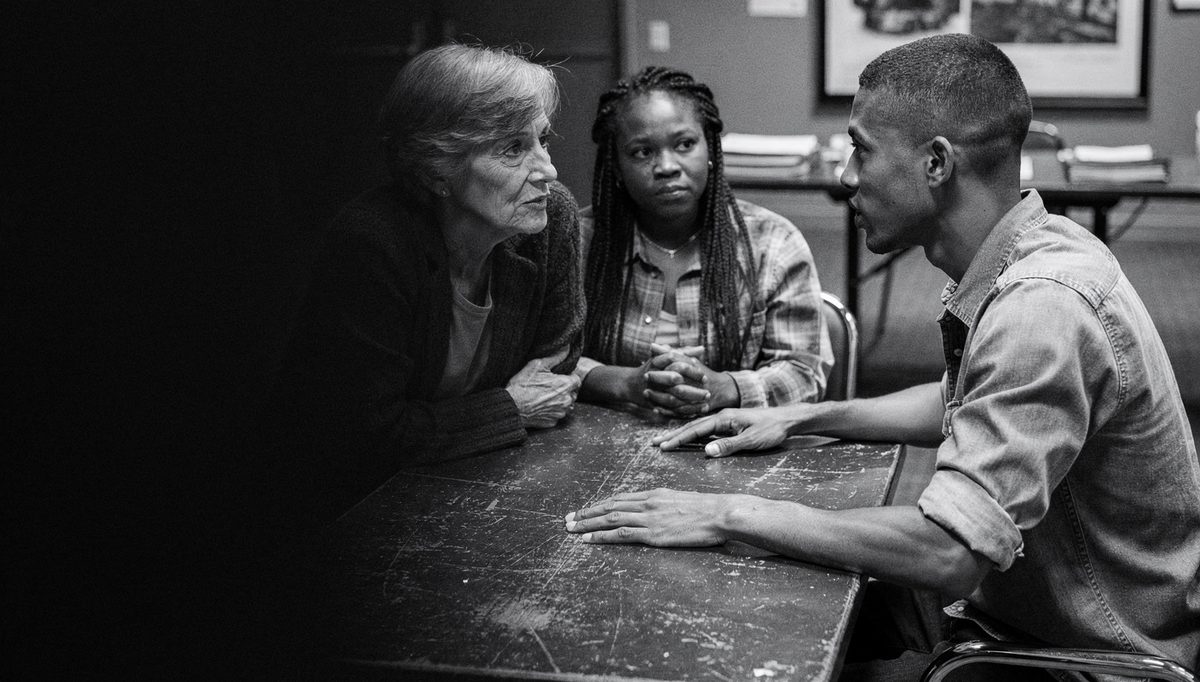
Amplifying overlooked voices as an icebreaker move is not about being nice. It is about deliberately structuring the first five minutes of a group setting so that quieter contributors get heard before dominant voices set the social hierarchy.
- Choose prompts with no wrong answers and low personal risk.
- Sequence contributions so quiet participants speak before louder ones.
- Reflect back what overlooked voices say so the whole group registers it.
An overlooked voices icebreaker is a structured opening activity that gives quieter or less powerful group members a deliberate, low-stakes entry point into a conversation before dominant voices establish control, building participation equity from the very first minute.
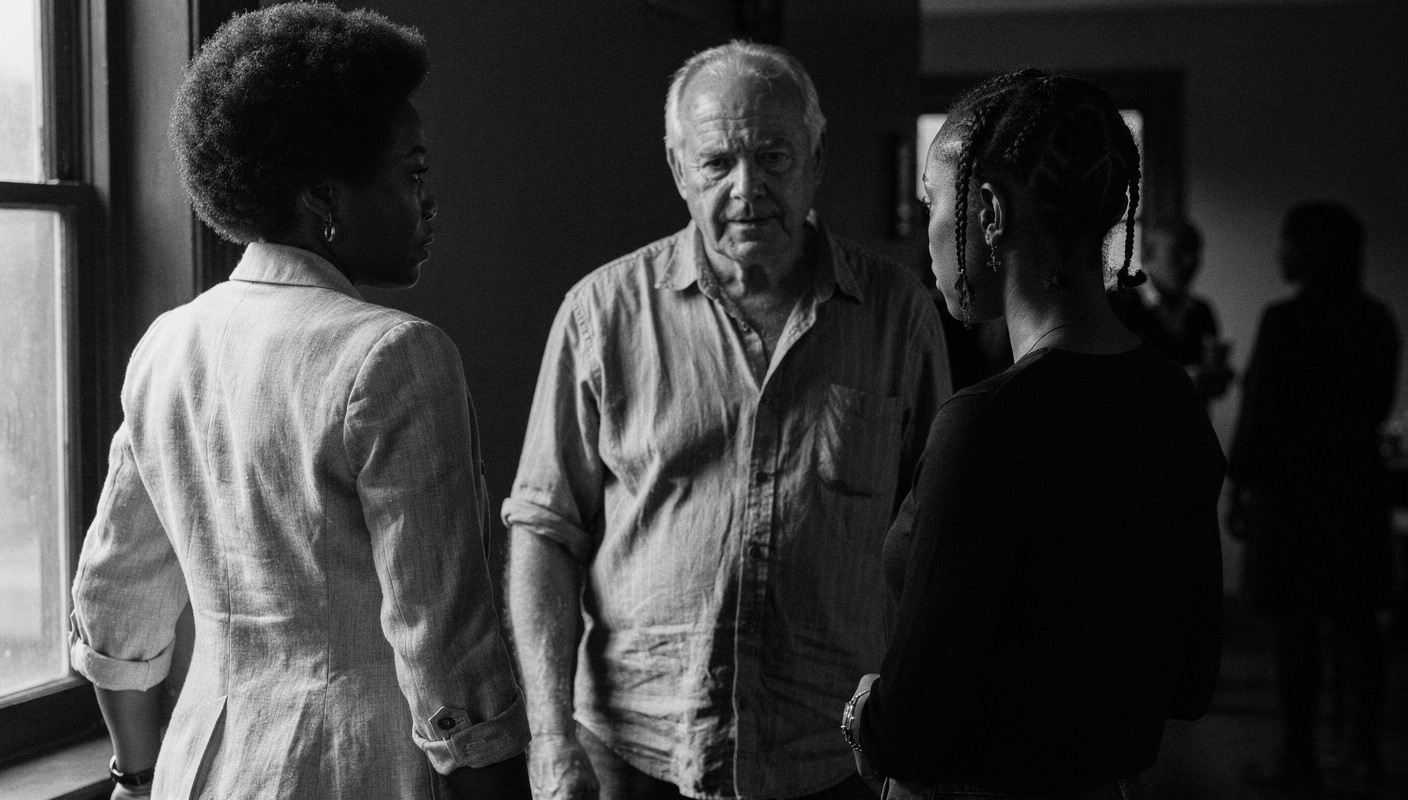
There was a woman on a project team I worked with years ago. Sharp thinker, careful listener. Every meeting, she came prepared. And every meeting, she left without having said a word, because the icebreaker at the start was a free-for-all, and by the time she found her moment, the room had already moved on. After three months, the team lead told me she seemed disengaged. She was not disengaged. She was invisible, and the icebreaker was the first door that closed in her face.
This is the real problem with most icebreakers. They do not open the room. They reveal the hierarchy. The loudest, most confident people speak first, the room responds to them, and the quieter contributors learn in the first five minutes that their voice is optional. The overlooked voices icebreaker is a direct response to that pattern: a practical method for structuring opening moments so that quieter participants get a genuine entry point before the social order has been set.
Here is how to do it.
Why Ordinary Icebreakers Make This Problem Worse
I have run, observed, and sat through hundreds of group openings. The most common format is some version of "let's go around and share." It sounds democratic. It is not. What actually happens is that the extroverts jump in, the hesitant participants watch the tone get established, and the quieter people spend their energy calibrating whether their response is good enough rather than simply contributing.
The open-floor invitation feels safe to the facilitator. It feels exposed to the person who is unsure of their standing in the group. And because icebreakers happen at the start, when psychological safety is lowest, the stakes for getting it wrong feel high. One awkward moment in the first five minutes can shut a person down for the rest of the session.
This is why your icebreaker structure matters more than your icebreaker question.
"The Conversation You're Avoiding Is the One You Need to Have."
"The Conversation You're Avoiding
Is the One You Need to Have."
Stop rehearsing conversations you'll never have. Say It Right Every Time gives you 115 word-for-word scripts and 16 proven frameworks to speak with confidence in every conversation that matters.
What You Need to Have in Place Before You Begin
You cannot amplify voices you have not thought about. Before you walk into a group setting, do two things.
First, know who is likely to be quiet. Not because quiet people are a problem, but because they are your signal. They are often the people whose perspective is most distinct from the group's default view. Think about who holds less positional power in the room, who is newer, who comes from a different background, or who has historically been talked over in this group.
Second, prepare your reflection phrases. These are short, specific sentences you will use to repeat back and name what a quieter contributor has said. Without these ready, you will instinctively spend more airtime on the confident contributors, not because you mean to, but because they are easier to respond to. Prepare phrases like: "What [name] just said is worth staying with for a moment" or "Let me make sure everyone caught that." For broader guidance on keeping all participants heard throughout a session, see How to Ensure Every Participant Gets Heard.
The Step-by-Step Method for Amplifying Overlooked Voices
Step 1: Choose a Prompt That Has No Wrong Answer
Your icebreaker question is the gatekeeper. If the question has a performance element, a culturally specific angle, or a competitive dimension, you have already disadvantaged some people before they open their mouths.
Good prompts invite personal perspective without requiring expertise. Examples: "What is one thing you noticed this week, inside or outside of work?" or "What are you currently learning, however small?" or "What is one word that describes how you arrived here today?" These are answerable by anyone, in any role, at any experience level. They do not reward the person who speaks most fluently or thinks fastest. They reward the person who reflects honestly.
Avoid prompts like "What is your biggest achievement this quarter?" or "Tell us something surprising about yourself." Both carry performance pressure that favours certain personality types.
Step 2: Assign a Sequence, Do Not Open the Floor
This is the single most important structural decision you will make. Do not say "who wants to go first?" Say "we are going to go in this order" and name it. You can use a visible order on screen, a physical seating sequence, or a pre-announced list. The method matters less than the commitment.
When you assign a sequence, you give quieter people something invaluable: a guaranteed turn. They no longer have to fight for a gap in the conversation. They can prepare their response, wait confidently, and speak when it is their time.
If you want to be deliberate about amplifying overlooked voices specifically, put the people you know to be quieter in the first third of the sequence. They speak before the louder voices have established the social temperature of the room. This is a small act of structural courage, and it changes everything.
Step 3: Set the Tone With Your Own Contribution
If you are facilitating, go first. Keep your own answer short, honest, and slightly imperfect. This is not modesty. It is a signal that the standard in this room is genuine participation, not performance. When the person with authority shows a real response, mid-level and junior contributors feel safer doing the same.
I have used this for thirty years. The facilitator who gives a polished, clever answer raises the bar for everyone who follows. The facilitator who gives a simple, honest answer lowers the perceived risk of being ordinary. Lower that risk. Participation goes up.
Step 4: Listen With Visible Attention
When each person speaks, your body tells the room what their contribution is worth. Look at the speaker. Nod. Do not glance at your notes or your screen. Do not begin formulating your response while they are still talking.
This is not just courtesy. It is a signal to every other person in the room that speaking is worth something here. Quiet contributors watch the facilitator's reaction before they decide whether to speak fully or give a compressed, safe version of what they actually think.
Step 5: Reflect Back What Quieter Voices Say
After a quieter participant contributes, name what they said and put it back into the group's awareness. Your goal is to make their input audible at a level that matches the louder voices who will come after.
Try this format: "[Name] said something I think is worth noting. She mentioned [paraphrase]. That connects to [why it matters for today]." You are not just repeating. You are giving the contribution weight and context. You are showing the group that this voice counts.
This is the amplification move. Without it, a quiet person can speak and still be functionally invisible, because the room processed their words but did not pause for them. With it, their input becomes part of the room's shared knowledge.
Step 6: Build the Next Question From What You Heard
After three or four contributions, ask a follow-up that grows from what the quieter contributors said. Something like: "A few people mentioned [theme from quiet contributors]. Let us stay with that for a moment. Does anyone else recognise that?"
This does two things. It confirms that what the quieter voices said was actually heard and considered. And it invites the room to engage with their perspective, not just acknowledge it. The difference is significant. Acknowledgement is polite. Engagement is respect.
For a complete framework covering group inclusion from opening to close, Running Inclusive Meetings with Diverse Teams is a practical companion to what you are doing here.
Step 7: Close the Icebreaker by Naming the Pattern You Established
Before you move into the main agenda, spend thirty seconds naming what just happened. Say something like: "What I want us to carry into this session is what we just did: everyone in the room had something worth saying, and we all heard it." This is not self-congratulation. It is setting a behavioural contract for the rest of the meeting.
When you name the norm, you give the group permission to hold each other to it. People who were quiet in the icebreaker feel seen. People who are naturally louder are reminded, gently and without blame, that today this room operates differently. If you want to go deeper on managing the flip side of this challenge, How to Deal with Dominant Voices in a Discussion covers the tools you need.
Adapting This Method for Remote and Hybrid Groups
In a room, you can read body language and manage the sequence by sight. Online, you lose both. The overlooked voices problem gets significantly worse in virtual settings, where the technical environment itself rewards whoever is most comfortable with the platform.
For remote sessions, use these adaptations. First, use a written warm-up before the live icebreaker. Ask participants to type one sentence in the chat before anyone speaks aloud. This gives quieter contributors a low-risk way to put their voice into the room, and it gives you material to draw from when you begin the spoken round.
Second, call the sequence by name and keep control of it. Say "I am going to bring you in one at a time, starting with [name]." This prevents the default pattern where the most confident speakers click unmute fastest and set the tone before others have gathered themselves.
Third, use the spotlight or pin function to visually centre whoever is speaking. It directs the group's attention and gives the speaker a moment of genuine focus that the gallery view denies them. For more on building genuine connection without physical presence, How to Maintain Connection in Remote Work Environments and How to Build Trust Without Physical Presence offer practical tools that pair well with this approach.
Where This Method Tends to Break Down
Three patterns consistently derail facilitators who are trying to amplify overlooked voices.
The mistake: Choosing a question and then abandoning the sequence when someone volunteers to go first.
Why it happens: It feels rude to say no to enthusiasm.
What to do instead: Thank the volunteer and say "I am going to hold to our order today. You are [position] in the sequence." This preserves the structure that makes the whole method work.
The mistake: Reflecting back only what the confident contributors said, not the quieter ones.
Why it happens: Confident contributors are easier to respond to because they signal completion.
What to do instead: Before you move on, pause and ask yourself: "Whose contribution have I not yet named?" Then name it.
The mistake: Treating humour as a way to ease the room before quieter people have had a chance to speak.
Why it happens: Humour relieves the facilitator's own anxiety about awkward silences.
What to do instead: Let the silence sit for two or three seconds after a quieter person speaks. The room will fill it with attention, not discomfort. How Humor Can Ease Workplace Tension (When Used Right) is worth reading to understand when lightness helps and when it undercuts inclusion.
The S.O.C.I.A.L. framework in Say It Right Every Time For Women addresses precisely this challenge: amplifying voices in group social dynamics through deliberate sequencing, direct inclusion moves, and leaving gracefully. The framework's sixth pillar, on amplifying voices, mirrors what this method asks you to practise in the icebreaker itself. It is worth reading if you want a structured script for the exact moments described above.
Your Pre-Icebreaker Preparation Checklist
Use this before every group session where you plan to draw out quieter contributors.
- I have identified which participants are likely to hold back, and I know why.
- My icebreaker prompt has no wrong answer and no performance pressure.
- I have a fixed sequence ready, with quieter participants placed in the first third.
- I have prepared two or three reflection phrases to name and amplify quieter contributions.
- I know what follow-up question I will ask that builds from what quieter voices are likely to say.
- I have planned my own contribution: short, honest, and slightly imperfect.
- I have a closing line ready that names the participation norm we established.
If you can check every one of these before you open the session, you are prepared. Not perfectly. But prepared enough to do the work well. For a broader set of opening activities that support this approach, Effective Icebreakers for Team Meetings offers additional formats you can combine with this method.
The Real Work Happens in the First Five Minutes
Here is the truth of it. Every group has a social hierarchy, and that hierarchy gets established faster than anyone intends. The first person who speaks confidently, gets laughed at warmly, or gets their idea built upon by the facilitator becomes, in the group's mind, a valued voice. Everyone who did not get that signal in the first five minutes spends the rest of the meeting wondering whether they have earned the right to take up space.
The overlooked voices icebreaker is your intervention at the moment it still matters. It is not a technique for being kind. It is a system for building the kind of room where the best thinking actually gets heard, which means the thinking that never would have surfaced if you had done what you always do.
This much I know for certain: the person who says the most important thing in a meeting is often the one who needed someone to hold the door open. Your job, in those first five minutes, is to be the person who holds it.
Frequently Asked Questions (FAQ)
What is an overlooked voices icebreaker?
An overlooked voices icebreaker is a structured opening activity designed to draw out quieter group members before dominant voices establish control. It uses deliberate prompts, sequencing, and framing to give every participant a low-stakes entry point into the conversation from the very first minute.
How do you run an icebreaker that includes quiet people?
Design the icebreaker so that quieter participants speak before louder ones. Use a set sequence rather than open-floor invitations, choose prompts with no wrong answers, and publicly reflect back what quieter contributors say so the group hears their input amplified and valued.
Why do standard icebreakers fail to include everyone?
Most icebreakers use open-floor formats that reward confidence and volume. Quieter participants wait for a gap that never comes, or they speak and get talked over. The result is that the meeting's social hierarchy gets established in the first five minutes, often before anyone notices.
How can a facilitator amplify overlooked voices in a group setting?
A facilitator amplifies overlooked voices by repeating or paraphrasing what quieter members say, naming their contribution explicitly, and building subsequent questions from what they raised. This signals to the whole group that those voices carry weight, which encourages the person to keep contributing.
What makes a good icebreaker prompt for diverse teams?
A good prompt for diverse teams has no culturally specific correct answer, requires no specialist knowledge, and can be answered in one or two sentences. It should invite personal perspective rather than performance. Questions like what you noticed this week, or what you are currently learning, work across most contexts.
How do you use an icebreaker to set an inclusive meeting tone?
Use the icebreaker to model the participation norms you want throughout the meeting. If you ensure every voice is heard, reflected back, and built upon in the opening five minutes, you demonstrate that equity is the operating standard, not an aspiration, for everything that follows.