
In Short
Most difficult workplace conversations fail before they begin. The mistakes are rarely about what you say; they are about when you say it, how you frame it, and whether you leave room for the other person to be heard.
- Waiting too long turns a small issue into a heavy confrontation.
- Vague language protects no one and resolves nothing.
- Treating the conversation as a delivery, not a dialogue, guarantees resistance.
Difficult conversations mistakes are the habitual errors people make before, during, and after hard workplace exchanges that escalate tension, prevent resolution, and damage working relationships over time. Recognising them is the first step toward changing the outcome.
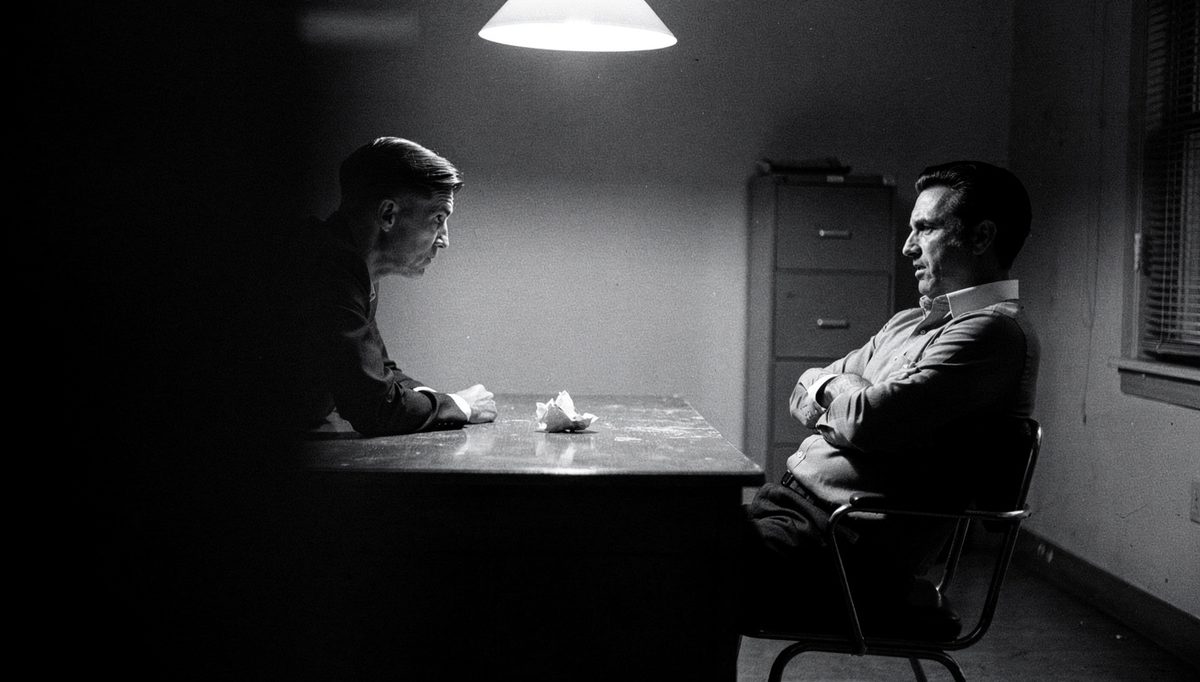
Someone I know spent three weeks preparing for a performance conversation with a direct report. She had her notes organised, her examples ready, her tone calibrated. She sat down across from the man and delivered everything she had prepared. He listened, said very little, and left the room. Nothing changed. Two months later, she was back in the same seat having a harder version of the same conversation. The difficult conversations mistakes she made were invisible to her at the time. She had confused preparation with readiness, and delivery with dialogue.
That story is not unusual. These mistakes are easy to miss because they often look like competence. You prepared. You stayed calm. You said what needed to be said. But something still went wrong.
Here is what I have learned across six decades of getting this wrong and slowly getting it right.
Why These Errors Hide in Plain Sight
Most people believe they have handled a difficult conversation well when it ends without a raised voice. That is a dangerously low bar. Absence of conflict is not the same as presence of resolution.
The mistakes that make these conversations worse tend to mimic good practice. Waiting feels like patience. Over-preparing feels like professionalism. Staying neutral feels like strength. Because they wear the costume of virtue, they survive unquestioned for years.
I have watched capable, well-intentioned managers repeat the same errors in every difficult conversation they had, genuinely baffled that nothing improved. The problem was never intent. It was pattern. Once you can name the pattern, you can break it.
"The Conversation You're Avoiding Is the One You Need to Have."
"The Conversation You're Avoiding
Is the One You Need to Have."
Stop rehearsing conversations you'll never have. Say It Right Every Time gives you 115 word-for-word scripts and 16 proven frameworks to speak with confidence in every conversation that matters.
Six Mistakes That Make Difficult Conversations Harder Than They Need to Be
1. Waiting Until the Tension Is Already Too High
The mistake: You notice the problem early but tell yourself it is not serious enough yet. You wait for more evidence, a better moment, a clearer case. By the time you act, the issue has grown roots.
Why it happens: Avoidance is wired into us. The brain treats social conflict as a threat, and delay feels like safety. Why it matters: Small conversations are almost always easier than large ones. Every week you wait, the emotional weight grows and the other person loses the chance to correct course early. What to do: Set a personal rule. If an issue affects someone's work or your working relationship, you address it within five working days. Not perfectly. Just directly. Eamon's note: I have never regretted starting a difficult conversation early. I have regretted almost every one I delayed.
2. Opening With the Conclusion Instead of the Conversation
The mistake: You lead with your verdict. "This is not working." "Your attitude has been a problem." "I need you to change." The other person hears a judgement before they have had a chance to speak.
Why it happens: You have been rehearsing your position for days. It feels honest to put it on the table immediately. Why it matters: When people feel judged before they feel heard, they defend, not reflect. The conversation becomes about the opening accusation, not the actual issue. What to do: Open with your intent and a question, not your conclusion. "I want to talk about something that has been affecting our work, and I'd like to understand your perspective first." Then wait. Eamon's note: The C.O.R.E. Framework builds on exactly this idea: clarity before openness, always.
3. Using Language So Vague It Cannot Be Acted On
The mistake: "You need to be more professional." "There are concerns about your attitude." "Communication has been an issue." These sentences feel safe because they are general. They are useless for the same reason.
Why it happens: Specific language feels harsh. We soften it to avoid seeming cruel, not realising we are also making it meaningless. Why it matters: The person walks away not knowing what to change. You walk away thinking you addressed it. Nothing moves. What to do: Name the specific behaviour, the specific moment, and the specific impact. "In Tuesday's meeting, you interrupted Sarah twice before she finished her point. The rest of the team went quiet after that." That is a sentence someone can work with. Eamon's note: Vague feedback is a kindness to the speaker, not the listener. Real respect means being direct enough to be useful.
4. Treating the Conversation as a One-Way Delivery
The mistake: You plan what you will say, you say it, and then you wait for the other person to agree. If they push back, you repeat your original point more firmly. The conversation becomes a loop.
Why it happens: We confuse having the conversation with completing a task. Once you have said your piece, the task feels done. Why it matters: Difficult conversations that skip genuine exchange rarely produce lasting change. People comply briefly and then revert, because they never processed the issue, they just absorbed the pressure. What to do: After you make your main point, stop and ask a real question. "What is your read on this?" Then listen without planning your response. If you need a system for staying grounded when someone pushes back, the C.O.R.E. Framework for tense conversations gives you a practical structure to hold onto. Eamon's note: The moment I started treating difficult conversations as two-way exchanges instead of performances, the outcomes changed almost immediately.
5. Choosing the Wrong Setting or Springing It Without Notice
The mistake: You pull someone into a corridor and raise the issue on the spot. Or you drop it into a meeting with others present. Or you send a message asking to "catch up" and then launch into something serious the moment they sit down.
Why it happens: Spontaneous delivery feels honest. You do not want it to seem calculated. Why it matters: Ambush conversations trigger a fight-or-flight response. The other person is not ready to think clearly; they are ready to survive. Whatever they say in that state is probably not what they actually believe or intend. What to do: Give brief notice that carries no threat. "I'd like to find thirty minutes this week to talk about how the project is going. Can we find a time?" Private, calm, neutral ground. That simple frame reduces defensiveness before you have said a single difficult thing. Eamon's note: If you want someone to hear you, give them the conditions to listen. The setting is not a small detail. It is half the conversation.
6. Confusing Emotional Suppression With Staying Professional
The mistake: You shut down every visible reaction in an effort to stay calm. Your face goes flat. Your tone goes clinical. You look controlled. The other person reads it as cold, contemptuous, or indifferent.
Why it happens: We are taught that professionalism means not showing emotion. We overlearn the lesson. Why it matters: This is the counterintuitive one. Performed calmness can escalate a difficult conversation faster than raised voices. When the other person senses that you are managing them rather than engaging with them, they become more defensive, not less. What to do: Allow natural, measured emotion to be visible. A slight lean forward signals care. A pause signals that their words landed. A softened tone signals respect. You are not performing neutrality; you are demonstrating genuine engagement. The D.E.A.L. Method for colleagues who refuse to cooperate addresses this dynamic directly. Eamon's note: People do not need you to be a stone wall. They need you to be a steady presence. There is a difference.
The Root That Feeds Most of These Mistakes
I cover the gap between knowing and doing in Say It Right Every Time. The core insight is this: most people approach a difficult conversation as a risk to manage rather than a relationship to serve. When your primary concern is not saying the wrong thing, you end up saying nothing useful at all. You wait too long, you stay vague, you deliver instead of dialogue. Every mistake on this list traces back to the same root: self-protection dressed up as professionalism.
The conversations that go well are the ones where the speaker shifts focus from their own discomfort to the other person's ability to hear, understand, and act. That shift sounds simple. It takes practice to make it real.
When conflict has already fractured a relationship, the D.E.A.L. Method for resolving team conflicts and the B.R.I.D.G.E. Method for rebuilding trust offer structured paths forward. But structure only helps if you have first identified where the conversation broke down. These mistakes are where you look first.
A Quick Diagnostic: How Are Your Difficult Conversations Going?
Read each statement and mark it honestly as Yes or No.
- I address issues within five days of noticing them, rather than waiting for more evidence.
- I open difficult conversations with a question, not a conclusion.
- I use specific behavioural examples, not general character observations.
- I ask at least one genuine question during the conversation and wait for the full answer.
- I give the other person notice and choose a private, neutral setting.
- I allow natural, measured emotion to show rather than suppressing all visible reaction.
- After a difficult conversation, both parties know what changes and when.
Scoring:
- 6–7 Yes: Your instincts are sound. Focus on the one or two gaps.
- 4–5 Yes: You have a working base but a clear pattern of avoidance or delivery errors. Pick the lowest score and work there first.
- 3 or fewer Yes: The mistakes are costing you more than you realise. Start with mistake number one: stop waiting.
Where to Go From Here
The first move is almost always the same. Find the conversation you have been postponing and schedule it this week. Not perfectly. Not with every script in order. Just booked and committed. Understand what specific behaviour you need to name, what outcome you are working toward, and how you will open with a question rather than a verdict.
If you want to go deeper into how unmet needs drive the conflicts that make these conversations necessary in the first place, understanding what lies beneath team conflict will reframe how you read the room before you even open your mouth. For teams where communication has broken down at the source, starting a conversation that restores team synergy gives you a clear opening framework.
For the full set of scripts and frameworks I use with these conversations, Say It Right Every Time walks through every scenario with word-for-word language you can adapt and own over time.
Avoiding difficult conversations mistakes is not about becoming fearless. It is about becoming prepared, specific, and genuinely interested in the person across from you. The courage follows the clarity. It always does.
Frequently Asked Questions (FAQ)
What are the most common difficult conversations mistakes in the workplace?
The most common difficult conversations mistakes include waiting too long to speak, over-preparing a script and ignoring the other person, using vague language, choosing the wrong time or place, and treating the conversation as a one-way delivery. Each mistake shifts the conversation from dialogue to confrontation.
Why do difficult conversations go wrong even when you prepare carefully?
Preparation often focuses on what you will say, not on how you will listen. When you rehearse a fixed script, you stop tracking the other person. Difficult conversations go wrong because the speaker prioritises their own delivery over genuine exchange, which shuts down the possibility of resolution.
How do you avoid making difficult conversations worse at work?
Avoid making difficult conversations worse by choosing a private setting, stating your intent clearly at the start, using specific behavioural language instead of character judgements, and leaving room for the other person to respond. A short pause after you speak signals that you want a dialogue, not a verdict.
Is staying calm during a difficult conversation always the right move?
Staying calm matters, but performed calmness can make things worse. If your composure feels cold or dismissive, the other person reads it as indifference. Genuine calm means slowing your pace, softening your tone, and staying open, not suppressing every visible reaction.
What is the biggest mistake people make before a difficult conversation even starts?
The biggest pre-conversation mistake is waiting until the tension is too high. Small issues left unaddressed compound into resentment. By the time most people act, the conversation is already harder than it needed to be. Early, specific conversations are almost always easier than delayed, generalised ones.
How does the timing of a difficult conversation affect the outcome?
Timing shapes everything. A conversation started immediately after a conflict triggers defensiveness. One started at the end of a long day hits an exhausted mind. The best timing is a private, neutral moment when neither person is reactive or rushed, ideally arranged in advance rather than sprung without notice.