
In Short
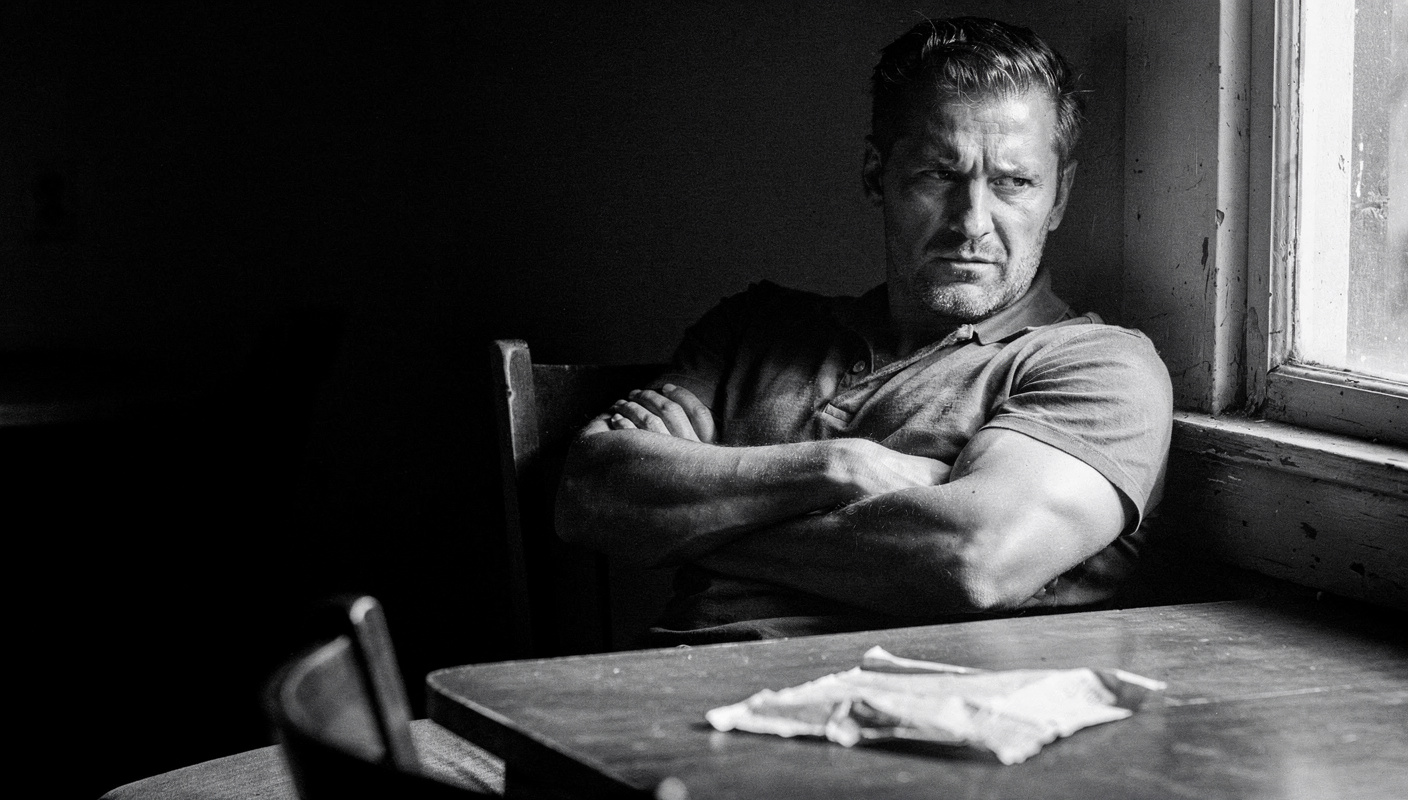
When someone enters a difficult conversation already certain they are the victim, the normal rules do not apply. Pushing facts harder makes things worse. The process that works requires you to acknowledge their experience first, keep your own footing second, and redirect toward future behaviour rather than past blame.
- Acknowledge their experience without validating the full narrative.
- Separate intent from impact to create space for honest dialogue.
- Move from proving the past to agreeing on the future.
A difficult conversation victim situation arises when one party enters a workplace exchange already convinced they have been treated unjustly. They interpret everything said through that lens, turning accountability conversations into confirmation of their grievance. Standard feedback approaches fail here because the problem is not the facts; it is the frame.
I watched a good manager lose a solid team member over a conversation that lasted nine minutes.
She had a genuine performance issue to raise. The team member had heard enough through the grapevine to arrive at the meeting already armed. Within two minutes, he was not responding to what she was saying. He was collecting evidence. Every word she offered became another brick in a wall he had already built. She pushed harder on the facts. He dug deeper into the wound. She left the conversation having said everything right, and still having achieved nothing.
That is the particular cruelty of a difficult conversation where the other person has pre-decided they are the victim. You can be completely correct and completely ineffective at the same time. The approach that works in ordinary hard conversations, staying clear, staying factual, staying direct, becomes its own accelerant here. This article gives you a method that actually moves things.
Why This Type of Difficult Conversation Breaks the Usual Rules
Most difficult conversations are hard because the subject is uncomfortable. This one is hard because the other person has already written the story, and you are cast as the antagonist before you open your mouth.
Victim positioning is not always manipulative. Sometimes it is a genuine, if distorted, response to feeling unheard over a long period. The person has accumulated grievances, real or perceived, and they have arrived at a conclusion. That conclusion is: I am not the problem. When you walk in with feedback or accountability, you are not offering information. You are threatening their story.
The defensive mechanisms that follow are predictable. They will reframe your points as attacks. They will bring up unrelated past incidents. They will question your motives. They will go quiet in a way that looks like listening but is actually evidence-gathering. If you escalate, they have their proof. If you back down, they have won the point. Neither outcome serves you or the working relationship.
This is why standard approaches fail. The problem is not the content of your message. It is the frame the other person has already placed around any message you could possibly send.
"The Conversation You're Avoiding Is the One You Need to Have."
"The Conversation You're Avoiding
Is the One You Need to Have."
Stop rehearsing conversations you'll never have. Say It Right Every Time gives you 115 word-for-word scripts and 16 proven frameworks to speak with confidence in every conversation that matters.
What You Must Settle Before the Conversation Begins
Two things need to be in place before you sit down. Without them, the steps that follow will not hold.
Know what you actually want. Most people enter this type of conversation wanting to be understood and wanting the other person to admit fault. Let go of the second one before you walk in. If you need their admission to feel the conversation was worthwhile, you have already handed them control. Decide on one concrete behavioural outcome instead. Not a feeling. Not an acknowledgement. A change in what happens on Tuesday morning.
Prepare for your own reaction. Victim-positioned people often say things that are genuinely unfair. They will misrepresent events. They will imply motives you do not have. If you are not prepared for that, you will react to it, and the moment you become defensive, you have joined them in the same trench. Prepare by anticipating the two or three most provocative things they might say, and decide your response in advance. This is not suppression. It is preparation. Strength in a hard conversation comes from choosing your responses, not discovering them.
The Six-Step Process for Having This Difficult Conversation
Step 1: Begin With Their Experience, Not Your Agenda
This is the hardest step and the most important. Before you raise any issue, make a brief, genuine acknowledgement of how they have been feeling. Not an agreement that they are right. An acknowledgement that you have heard something is wrong for them.
It might sound like: "I know things have felt difficult for you on the team lately, and I want that to be part of what we talk about today."
That one sentence does something critical. It tells them you are not there to ambush them. It lowers the temperature by about ten degrees. And it makes what follows easier to hear, because they are no longer braced against being ignored.
Do not fake this. If you cannot find anything genuine to acknowledge, you are not ready for the conversation.
Step 2: Separate What Happened From What It Meant
Once the temperature is lower, you can introduce the specific issue. The key is to name the observable behaviour or event without attaching a character judgment to it. Victim-positioned people are primed to hear personal attacks. Give them nothing that resembles one.
Instead of: "You have been undermining the team's decisions in front of clients."
Try: "In the last two client calls, when the team's recommendation came up, you said you personally disagreed. I want to understand what was behind that."
You are describing what you observed. You are not telling them what it means about them as a person. This distinction matters enormously because it leaves them room to respond without having to defend their identity.
Reviewing how unmet needs drive team conflict can sharpen your thinking here. Victim positioning almost always has an unmet need underneath it, and naming that need is often the fastest path through.
Step 3: Ask Before You Tell
After naming what you observed, stop. Ask them to tell you what was happening from their side. Then actually listen.
You are not doing this to be polite. You are doing it because victim-positioned people have usually been explaining their perspective and feeling dismissed for some time before this conversation. When you genuinely ask, and visibly take in what they say, you break that pattern. It is often the first crack in the wall.
You may hear things that are genuinely useful. You may also hear things that are wrong or unfair. Write down the latter mentally and set it aside for now. Your job in this step is to understand, not rebut.
If the conversation starts to spiral here, the D.E.A.L. Method can give you a framework for holding the structure when emotion starts pulling at the seams. You can find that process in how to use the D.E.A.L. Method to resolve conflicts that are fracturing team synergy.
Step 4: Name the Impact Without Prosecuting the Motive
After you have heard them, return to the impact of the behaviour. Not the intent behind it, which you cannot know for certain. The impact, which is factual.
"When the team's recommendation is questioned in front of the client, it makes it harder for us to hold a unified position. That affects our credibility and it affects the team."
You are not saying they meant to cause this. You are saying it happened. This matters because victim-positioned people defend their intentions fiercely, and rightly so when those intentions are good. If you attack their motive, you give them something to fight. If you name the impact, there is nothing to argue. The impact is simply what occurred.
Step 5: State What Needs to Change in Specific Terms
This is where most difficult conversations about performance or behaviour lose their grip. The message becomes vague. "I need you to be more of a team player" is not a direction. It is a character verdict with no clear path forward.
Be exact. "Going forward, if you have a concern about the team's recommendation before a client call, I need you to raise it with me first, not in the meeting." That is clear, do-able, and measurable. The other person knows exactly what you are asking.
If they push back here, which they may, hold the specific request steady. "I hear that you feel strongly about your view. That doesn't change what I need from you in client settings." You are not debating the merit of their feelings. You are holding the line on the behaviour.
For situations where this conversation is happening in a group context or meeting, the guidance on how to handle conflict during meetings covers the added complexity of managing a public dynamic alongside the interpersonal one.
Step 6: Close on the Relationship, Not the Disagreement
End the conversation by pointing forward, not back. A brief statement that names what you want the working relationship to look like from here.
"I want us to be able to work well together. That is why I am having this conversation. I am not here to make things worse for you."
This is not weakness. It is precision. You are signalling that the relationship has a future and that this conversation is meant to serve it. Victim-positioned people often expect to be punished or pushed out. Naming the opposite can shift the dynamic in ways that arguing over facts never will.
When the Conversation Is Happening Remotely
A video call strips away a significant portion of the signals you rely on in these conversations: posture, the pause before a response, the shift in the room's energy. Victim-positioned people become harder to read and easier to misread.
Two adjustments matter most. First, slow down further than you think you need to. Silence on a video call feels longer than it does in a room. Resist the pull to fill it. Let them sit with what you have said. Second, narrate your own intention more explicitly than you would in person. "I'm pausing because I want to make sure I've understood you" does the work that a nod or a shift in posture would do face-to-face.
If the conversation is already running high before you get to the substance, the techniques in how to de-escalate arguments during meetings translate well to a video setting, particularly the practice of slowing your own pace to bring the other person's register down.
Where People Go Wrong in These Conversations
The mistake: Opening with evidence and facts before acknowledging anything. Why it happens: You want to be credible. You want to be fair. So you arrive prepared with specific examples. What to do instead: Lead with acknowledgement for sixty seconds. Then bring the evidence. The facts land completely differently once the person knows you have heard them.
The mistake: Accepting a false either/or between their feelings and the facts. Why it happens: When someone insists loudly that they are the victim, it can feel like agreeing with the issue means dismissing their pain. What to do instead: Hold both. "I hear that this has been hard for you, and I still need to address what happened on Wednesday." Both things can be true. Insisting on that duality is one of the most powerful moves in this kind of conversation.
The mistake: Bringing up their pattern of victim-positioning directly. Why it happens: It is the obvious thing. You can see exactly what they are doing. It feels dishonest not to name it. What to do instead: Never name the pattern in the conversation itself. It will be heard as the deepest possible attack. Address the specific behaviour. Let the pattern shift through repeated specific conversations over time.
The mistake: Trying to resolve too much in one conversation. Why it happens: You have been avoiding this for weeks. Now that you are finally here, you want it settled. What to do instead: Aim for one clear agreement today. One change in behaviour, named and accepted. That is enough. The relationship repairs through many small moments, not one cathartic confrontation.
When the breakdown between two people has become structural, where they genuinely refuse to work together, how to use the D.E.A.L. Method to defuse tension between two colleagues who refuse to cooperate offers a more structured approach to that specific situation.
Before You Walk In: Your Preparation Checklist
Use this before any difficult conversation where victim positioning is likely.
- Name your one concrete outcome. What specific behavioural change do you need from this conversation? Write it in one sentence.
- Prepare your opening acknowledgement. What experience of theirs can you name genuinely? Two sentences maximum.
- Identify the observable behaviour. What specific event are you raising? No character judgments. What did you see or hear?
- Name the impact. What effect did that behaviour have on the team, the work, or the relationship?
- Anticipate the two hardest things they might say. Write your response to each, in advance.
- Decide your one specific request. What do you need them to do differently, stated in exact, actionable terms?
- Prepare your closing statement. One sentence about the working relationship you want to have from here.
If a previous breakdown has already damaged the relationship significantly, the work of repair extends beyond a single conversation. The B.R.I.D.G.E. Method for rebuilding working relationships after tension has created a genuine breakdown is the right next framework once the immediate conversation has been had.
The Hardest Part Is Not the Conversation Itself
Here is what nobody tells you. The most difficult part of a difficult conversation with a victim-positioned person is the work you do on yourself beforehand.
Getting clear on what you actually need. Releasing the expectation of an apology. Deciding to stay grounded when you are being misrepresented. These are not soft preparations. They are the ground the conversation stands on. Without them, even a perfectly scripted exchange collapses the moment they say something that stings.
I have had these conversations go wrong not because I said the wrong thing, but because I needed something from them I had no business needing. I needed them to admit it. I needed the satisfaction of being seen to be right. The moment I walked in wanting that, I had already lost the thread.
You can learn to have a difficult conversation victim dynamic and come out the other side with something real, a changed behaviour, a working relationship, a path forward. But it starts with knowing exactly what you are walking in for, and being willing to let everything else go.
For conversations where the roots go back further and the starting point feels overwhelming, how to start a difficult conversation that is blocking your team's synergy gives you a grounded entry point when you do not know how to begin.
Frequently Asked Questions (FAQ)
What is a difficult conversation with a victim mindset?
A difficult conversation victim situation occurs when one person enters the exchange already certain they have been wronged. They interpret everything you say as further proof of that. Standard feedback and accountability approaches break down because the person is defending a narrative, not engaging with facts.
How do you start a difficult conversation with someone who sees themselves as a victim?
Start by acknowledging their experience before raising the issue. A brief, genuine statement that you hear their frustration lowers the defensive wall enough for them to listen. Do not begin with the problem. Begin with the person. This shifts the emotional temperature before the real conversation starts.
Why does a victim mindset make difficult conversations harder?
When someone has decided they are the victim, they process your words as attacks rather than information. Every point you raise confirms their story. This is not stubbornness. It is how defensive thinking works. The more you push the facts, the more entrenched the position becomes.
What should you never say in a difficult conversation with someone defensive?
Never open with blame language, sweeping statements like always or never, or minimising phrases such as you are overreacting. These are petrol on a lit match. They hand the person exactly the evidence they need to reinforce their victim narrative and shut down all productive exchange.
How do you stay calm during a difficult conversation that is going in circles?
Name the loop without blame. Say something like: I notice we keep returning to the same point. I want to understand what would need to happen differently. This redirects both of you toward the future without conceding the past. It breaks the circular pattern without triggering further defensiveness.
Can a difficult conversation with a victim mindset actually lead to resolution?
Yes, but resolution rarely looks like the other person admitting fault. More often it looks like a shared agreement on what changes going forward. Letting go of the need for acknowledgement is often the price of progress. Focus on the working relationship, not on winning the argument.