
In Short
When difficult conversations go wrong, the instinct is to blame the other person or the timing. The real cause is almost always something that happened before, during, or immediately after you spoke.
- Most conversation breakdowns are predictable and preventable once you know the patterns.
- The mistakes that hurt most are often the ones that feel like the right move in the moment.
- Recovery is possible, but only if you can name exactly what broke down.
Difficult conversations go wrong when the exchange produces more conflict, distance, or damage than existed before it began. Instead of resolving a problem, the conversation escalates it, leaving both people less willing to engage and the original issue still unresolved.
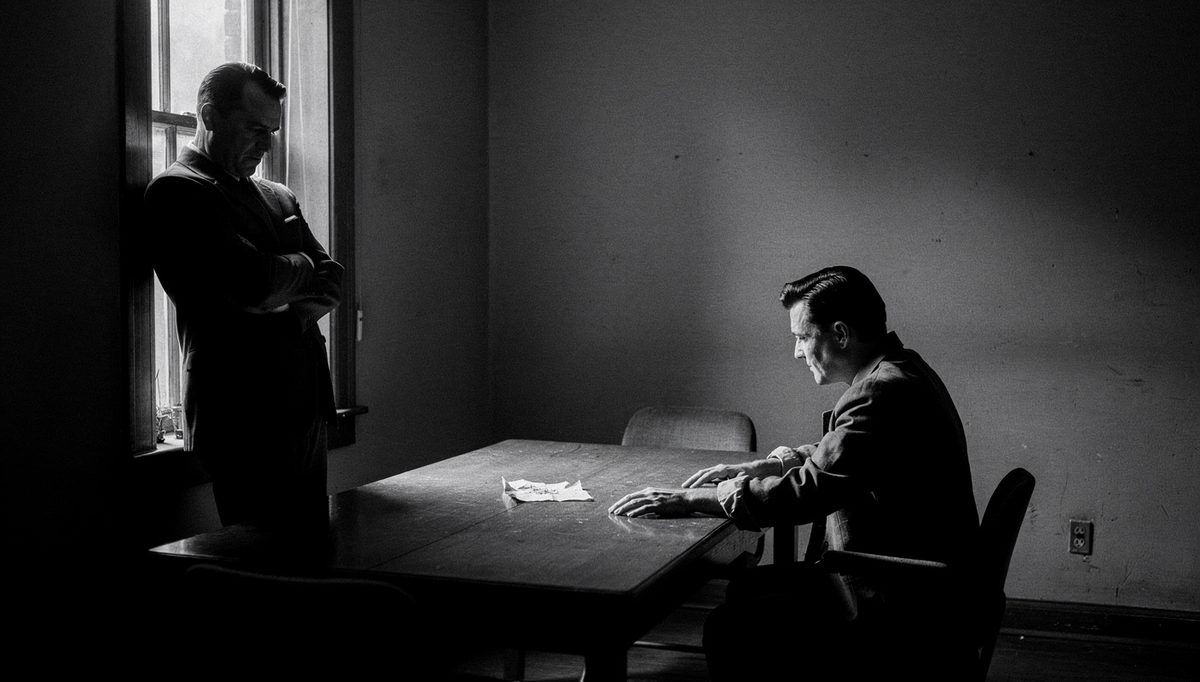
You went in with good intentions. You had thought about what to say. You even managed your tone in the opening minutes. And then something shifted. The other person's expression changed, their voice hardened, and within ten minutes you were further apart than before you sat down. A difficult conversation that was supposed to clear the air had made everything worse.
This happens more than most people admit. And the reason it happens is not that the other person is difficult, though sometimes they are. It is that certain mistakes make a hard conversation collapse in predictable ways. The trouble is, most of those mistakes feel like the right move while you are making them. That is what makes them so costly.
Here is what I have learned, the hard way, about why difficult conversations go wrong and what you can do the moment you recognise it.
Why These Breakdowns Are So Easy to Miss in the Moment
When a conversation starts to deteriorate, the signs are usually visible in hindsight but invisible while you are inside it. You are managing your own emotions, tracking the other person's reactions, and trying to remember what you planned to say. There is no spare attention left for noticing that the conversation itself has derailed.
The other reason these mistakes go undetected is that they mimic competence. Staying firm feels like courage. Pushing through discomfort feels like resilience. Explaining your position thoroughly feels like clarity. Each of those instincts is useful in the right context. In a deteriorating conversation, each one adds fuel.
"The Conversation You're Avoiding Is the One You Need to Have."
"The Conversation You're Avoiding
Is the One You Need to Have."
Stop rehearsing conversations you'll never have. Say It Right Every Time gives you 115 word-for-word scripts and 16 proven frameworks to speak with confidence in every conversation that matters.
Six Mistakes That Make a Difficult Conversation Worse
1. You Went In Without a Clear Purpose
What it looks like: The conversation starts broadly, touches several different issues, and never lands on one clear resolution.
Why it happens: You felt the urgency to speak but had not separated the problem you wanted to solve from the frustration you wanted to express.
Why it matters: Without a defined purpose, the conversation drifts toward the person rather than the issue. The other person stops hearing your point and starts defending themselves.
What to do: Before any difficult conversation, write one sentence: "My goal in this conversation is to..." If you cannot finish that sentence clearly, you are not ready. A single anchoring sentence changes everything.
I once sat down to address a colleague's missed deadlines and ended up in an argument about respect. I had never decided which of those two things I actually needed to talk about.
2. You Treated Silence as Agreement
What it looks like: The other person stops responding or gives short answers. You interpret this as acceptance and keep building your case.
Why it happens: In the absence of pushback, we assume progress. Silence feels safer than argument, so we lean into it.
Why it matters: Silence during a tense exchange almost always signals shutdown, not agreement. The other person has stopped engaging, and you are now speaking into a wall. By the time you finish, the relationship is cooler than when you began.
What to do: When silence appears, pause and name it gently. Something like, "I notice you have gone quiet. I want to hear how this lands for you." Give them a real opening, and wait.
This is one of the most counterintuitive mistakes. The moment a conversation gets quiet, most people feel relief. That quiet is often the first sign something has broken.
3. You Kept Going When You Should Have Stopped
What it looks like: Voices rise, or the topic shifts from the original issue to older grievances. Rather than pausing, you push through because you do not want to lose ground.
Why it happens: Stopping feels like weakness. You worry that pausing will allow the other person to regroup and come back harder. So you keep speaking.
Why it matters: Conversations that continue past the point of good faith rarely produce resolution. They produce damage. Words said in that state are remembered long after the original issue is forgotten.
What to do: Learn one phrase and use it without hesitation: "I think we both need a few minutes before we continue." Then actually stop. You can learn more about how to de-escalate arguments during meetings so you have a clear method ready before you need it.
4. You Explained When You Should Have Listened
What it looks like: The other person starts to respond, and you interrupt or immediately follow with a counter-explanation. Your turn to speak comes back around within seconds.
Why it happens: In a difficult conversation, we feel vulnerable. Talking feels safer than listening because it keeps us in control of the narrative.
Why it matters: When people feel unheard, they escalate. Every time you cut across someone or redirect too quickly, their frustration grows. Eventually they either shut down or lash out. The original issue disappears entirely.
What to do: After the other person finishes speaking, wait three full seconds before you respond. Use that time to summarise what you just heard, not to frame your next point. If you find this genuinely difficult in conflict situations, how unmet needs drive team conflict and what to say to restore synergy offers a useful frame for understanding why people stop listening.
5. You Introduced New Evidence Mid-Conversation
What it looks like: The conversation starts on one incident. Then you add a second example, then a third. By the end, you are presenting a case file.
Why it happens: Once the conversation begins and feels safe enough, all the stored frustrations come forward. Each new example feels like useful context.
Why it matters: The other person no longer hears clarification. They hear an attack. Their brain shifts into self-defence mode and nothing you say after that point is processed as information.
What to do: Choose one clear, specific incident and stay there. If other examples matter, schedule a second conversation. Bringing focused attention to a single issue is far more powerful than building a comprehensive case.
6. You Left Without Agreeing on What Happens Next
What it looks like: The conversation ends, sometimes on a reasonable note, but neither person has committed to a specific next action. Both walk away with different interpretations of what was resolved.
Why it happens: Ending a difficult conversation feels like relief. Nobody wants to extend it by talking about follow-up. So both people leave and hope the issue resolves itself.
Why it matters: Without a clear next step, nothing changes. When nothing changes, the original problem resurfaces, usually with more tension attached. The conversation that was supposed to resolve something has simply deferred it.
What to do: Before you close, ask directly: "What do we each do from here, and when do we check in?" Even one sentence of shared agreement transforms a difficult exchange into a productive one. If the conversation touched on team dynamics, a structured approach like the D.E.A.L. method for resolving team conflicts gives you a ready framework for that follow-up.
7. You Waited Too Long and the Stakes Rose Without You Noticing
What it looks like: You delayed the conversation for weeks, telling yourself the timing was wrong. When you finally spoke, the other person had already drawn conclusions, told others, or built a wall.
Why it happens: Difficult conversations are uncomfortable. Postponing them feels responsible, even cautious. In reality, silence during a conflict rarely stays neutral. It sends its own message.
Why it matters: Every week you wait, the other person fills in the gap with their own interpretation of your silence. By the time you sit down, you are not just addressing the original problem. You are addressing everything they have already decided about you.
What to do: Set a personal rule. If something matters enough to cause you stress, it is ready to be addressed. Waiting for the perfect moment usually means waiting until the moment is unavoidable. If you regularly face conflicts in group settings, how to handle conflict during meetings offers practical tools for those higher-stakes environments.
The Root That Feeds Most of These Mistakes
Each of the mistakes above is real and distinct. But most of them share a common root: you entered the conversation managing your own discomfort rather than serving the relationship.
When self-protection is your primary concern, you talk too much, listen too little, push through warning signs, and end prematurely. None of that is calculated. It is instinct. But instinct in a high-stakes conversation tends to preserve your comfort at the cost of the connection you actually need to repair.
The shift that prevents most of these errors is a simple one. Before you speak, ask yourself: what does this person need from this conversation in order for it to serve us both? That question does not ask you to abandon your own needs. It asks you to hold both sets of needs at once. That is the ground all good difficult conversations stand on.
A Quick Self-Diagnosis Before Your Next Difficult Conversation
Run through these before you sit down. Answer honestly.
- I can state my purpose for this conversation in one clear sentence.
- I know the single most important issue I want to address, and I am not planning to raise others.
- I am prepared to hear something I do not want to hear and stay in the room.
- I have chosen a time when neither of us is under immediate pressure.
- I know what a good outcome looks like, and it is not simply the other person agreeing with me.
- I am willing to pause if the conversation deteriorates, rather than push through.
- I have a plan for what we do after this conversation, not just during it.
If you answered yes to 6 or 7: You are well prepared. Your main risk is rigidity; stay open to where the conversation actually needs to go.
If you answered yes to 4 or 5: You have a working foundation. Identify the two items you could not confirm and address them before you begin.
If you answered yes to 3 or fewer: You are not ready yet. That is not a failure. It is honest information. Take another day and do the preparation work properly.
When the Damage Is Already Done: Your First Move
If the conversation has already gone wrong, the repair conversation is your most important next step. But do not rush it. Give both people at least a few hours, ideally a day, before going back in.
When you do return, go in with a clear acknowledgement of what went wrong on your side. Not a full accounting of everything that happened, just an honest sentence about where you contributed to the breakdown. That single act disarms more defensiveness than any well-constructed argument.
If the original conversation involved disagreement about feedback, how to use the D.E.A.L. method to resolve disagreements about feedback at work gives you a structured path forward. If two colleagues are involved and neither is willing to re-engage, how to use the D.E.A.L. method to defuse tension between two colleagues who refuse to cooperate is worth reading before your next attempt.
For situations where a tension-management conversation has made things significantly worse, the R.E.C.O.V.E.R. method offers a specific system designed for exactly that situation.
What You Can See Now That You Could Not Before
Most failed conversations do not fail because the problem was too big or the other person was too unreasonable. They fail because of small, correctable mistakes made under pressure. Now that you can name them, you can catch them. You will not catch them every time. Nobody does. But catching them once, in a moment that matters, is worth all the preparation in the world.
This much I know: the people who handle difficult conversations go wrong less frequently are not naturally braver or calmer. They have simply learned to notice the warning signs before the damage is done. You can learn that too.
Frequently Asked Questions (FAQ)
What causes difficult conversations go wrong at work?
Difficult conversations go wrong most often because of poor timing, unclear intent, or emotional escalation that neither person was prepared to manage. When someone feels attacked rather than heard, they stop listening and start defending. The conversation shifts from problem-solving to self-protection.
How do you recover after a difficult conversation goes badly?
Give both people time to settle, then request a second conversation with a clear and honest purpose. Acknowledge what went wrong on your side first. Recovery is possible when you take responsibility for your part without requiring the other person to do the same immediately.
What are the signs a difficult conversation is getting worse?
Watch for raised voices, sudden silence, physical withdrawal, or a shift to personal criticism rather than the original issue. When either person stops asking questions and starts issuing statements only, the conversation has moved from dialogue into conflict and needs to pause.
Should you pause a difficult conversation that is going off course?
Yes. Pausing is a strength, not a failure. Saying something like "I think we both need a moment" is far better than pushing through when emotions are high. Conversations that continue past the point of good faith rarely produce resolution and often cause lasting damage to the relationship.
How do you prepare to avoid difficult conversations going wrong?
Clarify your goal before you speak. Know whether you want to resolve a problem, give information, or repair a relationship. Write one sentence that captures your intent. If you cannot write it clearly, you are not ready to have the conversation. Preparation prevents most of the common breakdowns.
Can a difficult conversation that went wrong be fully repaired?
Most of the time, yes, if both people are willing to engage again. The repair conversation is often more important than the original one. It requires honest acknowledgement of what broke down, a shared intent to move forward, and enough patience to let the other person feel heard before you make your case.