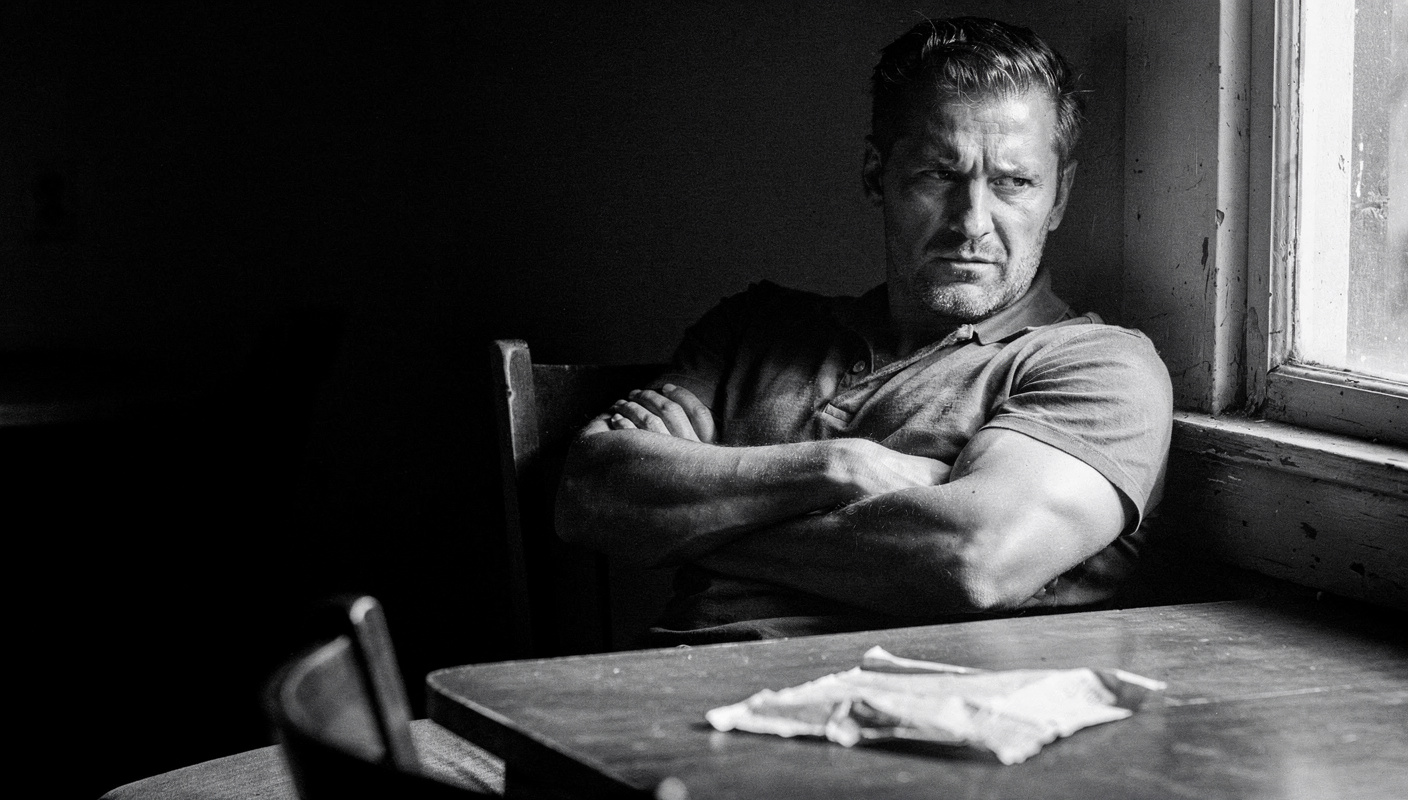

In Short
When a difficult conversation keeps getting postponed or dodged, the silence is not neutral. It is doing damage.
- Avoidance rarely looks like refusal. It looks like busyness, friendliness, and endless rescheduling.
- The longer you wait for the other person to be ready, the more the problem owns the room.
- You can name the pattern without starting a fight, and that naming is often the only move that works.
A difficult conversation avoided is one where one or both parties repeatedly postpone, deflect, or sidestep a necessary exchange about a problem, conflict, or unmet need in the workplace, allowing unresolved tension to accumulate and erode the working relationship over time.
Someone I managed years ago came to me looking relieved. "I think things are getting better with Marcus," she said. "He has been really friendly lately." I asked when they had actually spoken about the issue. She paused. They had not. Marcus had just stopped being cold, started bringing her coffee, and she had interpreted that as progress. Three weeks later, the same problem surfaced in a team meeting, louder and uglier than it would have been. The difficult conversation had never happened. It had simply been buried under pleasantness.
That is the particular cruelty of a difficult conversation avoided: it can look, from the outside, like resolution. The other person seems fine. The atmosphere lifts. You start to wonder if you were imagining the tension. You were not. The problem is still there, composting quietly, and the friendly behaviour is often a way of ensuring the conversation never arrives.
By the time you finish reading this, you will be able to name what is actually happening, understand why, and know exactly what to do first.
Why Avoidance Is So Hard to Spot Until It Is Too Late
Most people know when they are being shouted at. Far fewer recognise when they are being quietly managed out of a conversation they need to have.
Avoidance in the workplace is rarely dramatic. It does not announce itself. It arrives in the shape of full calendars, sudden warmth, and conversations that drift just before they get difficult. Because it mimics normal professional behaviour, it can go undetected for weeks. You keep giving the other person the benefit of the doubt, because each individual instance seems reasonable. It is only when you step back and look at the pattern that you see what has been happening.
"The Conversation You're Avoiding Is the One You Need to Have."
"The Conversation You're Avoiding
Is the One You Need to Have."
Stop rehearsing conversations you'll never have. Say It Right Every Time gives you 115 word-for-word scripts and 16 proven frameworks to speak with confidence in every conversation that matters.
The Signs That a Difficult Conversation Is Being Deliberately Sidestepped
1. Every Attempt to Schedule Is Met With a Conflict but No Alternative
What it looks like: You propose a time to talk. The other person says they are busy, apologises, but offers no substitute slot. This happens twice, then three times.
Why it happens: They are not necessarily lying about being busy. But a person who genuinely wants to resolve something will find the time. When no alternative is offered, the busyness is serving a function.
Why it matters: Each postponement gives the unresolved issue more time to harden. Trust erodes quietly on both sides.
What to do: Stop asking open-ended questions. Instead, name two specific times and ask them to choose one. "I need us to talk before the end of the week. I have Thursday at 2pm or Friday at 10am. Which works for you?" Remove the ambiguity that avoidance needs to survive.
Here is the truth of it: vague requests get vague responses. Precision makes evasion harder.
2. The Subject Gets Changed Every Time It Surfaces Naturally
What it looks like: The issue comes up organically in conversation, and the other person pivots immediately: changes the subject, introduces an unrelated piece of news, or suddenly remembers an urgent task.
Why it happens: Redirecting a conversation in the moment is a lower-risk manoeuvre than refusing to have a formal discussion. It requires no explanation and leaves no evidence.
Why it matters: If someone can steer away from the subject every time it surfaces informally, you will never reach the point of having the real exchange. The conversation gets pre-empted before it begins.
What to do: When it happens, hold your ground gently. "I want to come back to what I just raised. Can we take five minutes on it now?" You are not forcing a confrontation. You are closing the exit before it is used. Learning how to start a difficult conversation that's blocking your team's work gives you the specific language for this moment.
Pivoting is a skill. Recognising it is a skill too.
3. Excessive Warmth Immediately After the Issue Arises
What it looks like: Someone is notably friendlier, more helpful, or more generous than usual in the days following a tension or a request for a conversation. They bring coffee. They compliment your work. The relationship feels oddly improved despite nothing having been resolved.
Why it happens: This is the non-obvious one. Increased warmth can be a form of social debt payment. It communicates: "I know something needs to be addressed, and I am paying in goodwill to delay addressing it." The person is not being manipulative in a calculated way. It is often unconscious. They feel guilt or discomfort, and warmth is how they manage it.
Why it matters: This sign gets misread almost universally as progress. It is not. Warmth without resolution is a buffer, not a bridge. The issue remains, and the longer the warmth substitutes for the conversation, the more awkward the eventual exchange becomes.
What to do: Appreciate the warmth but do not let it replace the exchange. "I notice things feel lighter between us lately, and I am glad. I still think we need to have that conversation about what happened last month. When can we do that?"
I have made this mistake myself more than once: mistaking the thaw for the end of winter.
4. Agreement Without Commitment
What it looks like: The other person acknowledges your concern, says yes, absolutely, we should talk about it, and then nothing is ever scheduled. They agreed in the moment. They just never followed through.
Why it happens: Agreement is the path of least resistance. Refusing to engage would feel confrontational. So they say yes, intending to mean it, and then let the follow-through dissolve in the busyness of the week.
Why it matters: False agreement is more demoralising than open resistance. It leaves you feeling that progress was made when none was. If you let it repeat, resentment builds on your side without the other person having any clear sense of why.
What to do: End every agreement with a logged commitment. "Good. So let us say Tuesday at 3pm. I will send a calendar invite in the next ten minutes." Then send it immediately. Make the follow-through happen before you leave the conversation.
5. Over-Delegation or Withdrawal From Shared Work
What it looks like: The person who is avoiding the conversation gradually hands off shared responsibilities, stops collaborating directly with you, or finds structural reasons not to be in the same room.
Why it happens: Reducing contact reduces the chance of the conversation happening. It also reduces the discomfort of being near unresolved tension. The person is managing their own anxiety by managing proximity.
Why it matters: When collaboration drops, the team feels it. If the two of you are supposed to be working together and one person is quietly withdrawing, the quality of the work suffers. For guidance on what happens when this becomes entrenched, the D.E.A.L. method for resolving conflicts that fracture team cohesion offers a structured way forward.
What to do: Name the pattern directly: "I have noticed we are not connecting as much on this project as we usually do. I want to make sure we are working well together. Can we talk?"
6. Responses Addressed to Everyone Except You
What it looks like: In meetings or group communications, the person responds to the room but not to you specifically. They answer questions adjacent to yours but not yours. They refer to "the team's concerns" rather than engaging with what you raised.
Why it happens: Diffusing a direct exchange into a group dynamic is a socially safe way of not engaging. It is not ignored in an aggressive way. It is simply redirected through a wider lens. The dynamics at play during meetings make this particularly easy to miss because it blends into normal meeting behaviour.
Why it matters: If this happens repeatedly, you lose the ability to have any real exchange with this person in a group setting. The conversation you need gets further and further away.
What to do: Follow up after the meeting, one to one. "I wanted to circle back on something from this morning. I did not feel like my point was fully addressed. Can we take ten minutes?"
7. Volunteering Others as Mediators Without Being Asked
What it looks like: Before you have even raised the idea of involving a third party, the other person suggests bringing in a manager, an HR contact, or a neutral colleague. They frame it as helpfulness, not deflection.
Why it happens: Introducing a third party changes the nature of the conversation entirely. It formalises it, which some people hope will make it go away, or at least delay it indefinitely. It is also a way of distributing accountability so that no single conversation becomes the flashpoint. Understanding how unmet needs drive team conflict can help you see what is underneath this move.
Why it matters: If the other person controls the format of the conversation before it begins, they control its outcome. A conversation that disappears into a formal process may never resurface as a genuine human exchange.
What to do: Unless there is a genuine reason for mediation, name what you need first. "I appreciate that suggestion, but I think this is something we can handle between us. I would like to try that first."
The Root Underneath All of It
Individual acts of avoidance look different. But strip them back, and you find the same thing underneath most of them: the other person believes the discomfort of the conversation is greater than the cost of not having it.
That belief is almost always wrong. But it is not irrational. They are calculating based on what they can feel right now, which is the anxiety of confrontation, against what they cannot feel yet, which is the slow damage of unresolved tension. Your job is not to shame them out of that calculation. Your job is to change it, by making the cost of continued avoidance visible and the path to the conversation feel safe enough to take.
When someone refuses to cooperate entirely, the D.E.A.L. method for defusing tension between unwilling colleagues provides a proven framework. And when the avoidance has already created a breakdown in the working relationship, the B.R.I.D.G.E. method for rebuilding trust after genuine breakdown is worth your attention.
How to Tell If the Pattern Has Already Set In
Read each statement and mark it honestly. Count the ones that are true right now.
- You have requested this conversation more than once with no confirmed time agreed.
- The other person acknowledged the issue but has not followed through on a meeting.
- You have noticed them being warmer or more agreeable than usual since the issue arose.
- Shared work between you has slowed or shifted without explanation.
- The subject has come up naturally and been redirected at least twice.
- You have started to wonder if the problem is less serious than you thought.
- A week or more has passed since you first tried to initiate the conversation.
Your score:
- 1 to 2: One or two coincidences. Monitor, but do not escalate yet.
- 3 to 4: A pattern is forming. Name it in your next interaction, calmly and without accusation.
- 5 or more: The avoidance is established. Do not wait for the other person to be ready. Take the first move described below.
Your First Move When Avoidance Has Become the Problem
Stop trying to have the conversation you originally needed. Start by having a conversation about the avoidance itself.
This sounds counterintuitive. But naming the pattern directly, without blame, is often the move that finally creates movement. Try this: "I want to raise something I have noticed. We have tried a few times to connect on the situation with the Harris account, and it has not happened yet. I am not blaming the calendar. I just want to make sure we both have the chance to clear the air. I am free Thursday afternoon. Can we confirm that now?"
You are not accusing. You are not escalating. You are naming what is true and making it easier to step through than around. If arguments have already broken into the open, how to de-escalate arguments during meetings offers practical language for that moment.
The conversation may still be uncomfortable. That is fine. Discomfort passes. The damage from a difficult conversation avoided does not repair itself.
Frequently Asked Questions (FAQ)
What does it mean when someone keeps avoiding a difficult conversation?
It usually means they are uncomfortable with conflict, fear a negative outcome, or believe the problem will resolve itself. The avoidance is rarely personal. It is a coping response to anticipated discomfort. But left unchecked, it causes real damage to working relationships and team trust.
How do you approach a difficult conversation that has been avoided?
Name the pattern calmly and directly, without blame. Say something like: I have noticed we have not been able to find time to discuss this, and I want to make sure we do. Then propose a specific time. Remove the ambiguity that gives avoidance room to survive.
Why is a difficult conversation avoided by people in the workplace?
Most people avoid difficult conversations because they fear damaging the relationship, being wrong, or losing control of the outcome. In workplace settings, there is also the added fear of professional consequences. The discomfort of the conversation feels larger than the cost of silence, until the cost of silence becomes undeniable.
How long should you wait before escalating an avoided difficult conversation?
If a conversation has been postponed twice without a genuine reason, the pattern has begun. Waiting longer rarely helps and often allows resentment or misunderstanding to deepen. After two missed opportunities, shift from requesting the conversation to naming the avoidance itself as the issue.
What are the signs that a difficult conversation is being deliberately avoided?
Watch for repeated schedule conflicts with no alternative offered, topic changes when the subject arises, over-friendliness immediately after the issue surfaces, and responses that acknowledge your concern without committing to a conversation. Any one of these can be coincidence. Two or more is a pattern.
Can avoiding a difficult conversation at work damage your career?
Yes, in two ways. If you are the one avoiding, you develop a reputation for being unable to handle conflict. If you fail to address someone else's avoidance, problems compound and eventually surface at the worst possible moment. Either way, the silence costs more than the conversation would have.