
In Short
After reading this, you will know how to give feedback after a presentation in a way that is honest, specific, and genuinely useful without crushing the person who gave it everything they had.
- Prepare your observations before you speak, not during the conversation
- Lead with specific recognition before moving to areas for improvement
- Anchor every point of critique to a concrete moment from the actual presentation
Give feedback presentation means delivering a structured, honest response to someone's talk or pitch in a way that identifies specific strengths and clear areas for improvement. Done well, it respects real effort, drives growth, and keeps the relationship intact.
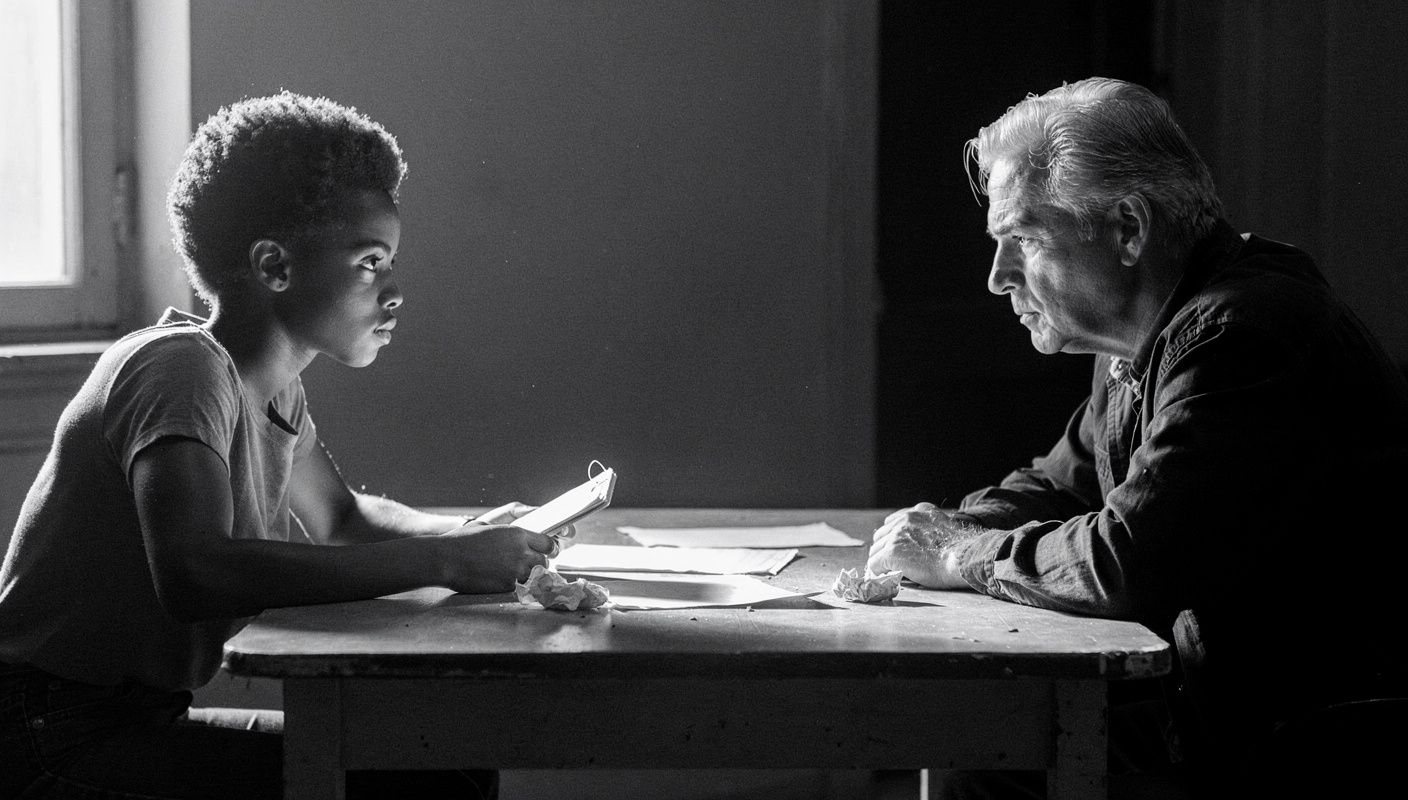
You watched someone stand up in front of a room and give everything they had. They prepared for days. You could see it in the way they carried themselves, in the slides, in the sheer effort of it. And then the presentation fell short. Maybe the structure was loose. Maybe they lost the room halfway through. Maybe the key message never landed. Now someone has to say something. And that someone is you.
This is one of the hardest moments in workplace communication. Not because people do not know that feedback matters, but because they do not have a clear method for delivering it when the stakes are personal. So they either say nothing useful, or they say something clumsy that the other person carries home with them.
The fear of causing harm leads to vague, toothless responses. The urge to be honest without a system leads to bluntness that damages trust. Neither serves the person in front of you.
In this guide, you will get a clear, practical process for how to give feedback after a presentation that you can use immediately. If you are also thinking about how this fits into broader team dynamics, How to Give Feedback That Strengthens Team Synergy Instead of Breaking It is a strong companion read.
Why Giving Feedback After a Presentation Is Harder Than It Looks
Most people know that good feedback is specific, timely, and kind. Knowing that and actually doing it in the moment after someone has poured themselves into a presentation are two entirely different things.
Here is what makes it genuinely difficult:
You are responding to a performance, not a document. A presentation is a live, personal act. Critiquing it can feel like critiquing the person, even when you have no intention of doing so. That blurred line makes many people pull their punches or avoid the conversation altogether.
Effort and quality are not the same thing, and saying so out loud is uncomfortable. Someone can work incredibly hard and still produce something that missed the mark. Holding both truths at once, respecting the effort while naming the shortcoming, requires real courage and a clear structure.
You often have no preparation time. The presentation ends, people look to you, and you are expected to respond. Without a system already in place, your words come out in whatever shape they find themselves in the moment.
The power dynamic complicates everything. If you are the presenter's manager, your words carry extra weight. A casual observation from you can land like a verdict. If you are a peer, there is a different kind of risk: the fear of sounding superior or unkind.
Vague feedback feels safer but causes real harm. Telling someone "it was good overall" when it was not protects you in the moment and fails them in the long run. That kind of response is kindness wearing a mask.
The goal is not to eliminate these difficulties. It is to build a system that works in spite of them.
"The Conversation You're Avoiding Is the One You Need to Have."
"The Conversation You're Avoiding
Is the One You Need to Have."
Stop rehearsing conversations you'll never have. Say It Right Every Time gives you 115 word-for-word scripts and 16 proven frameworks to speak with confidence in every conversation that matters.
The Foundation: What You Need Before You Start
Before you begin, there are three things that need to be clear.
Your purpose must be growth, not correction. Before you say a single word, ask yourself: am I doing this to help this person improve, or am I doing this to feel useful, to demonstrate my own knowledge, or to manage my discomfort? The answer shapes everything. Feedback given from genuine care lands differently to feedback given from ego or obligation. Check your motive first. If you are not sure, wait until you are.
Your observations must be specific and ready. You cannot give useful feedback on a presentation you were only half-watching. Before the conversation, write down two or three specific moments from the talk: a slide that worked, a point where you felt the audience disconnect, a line that landed well or fell flat. You need concrete material to work with. Vague impressions produce vague feedback, and vague feedback helps no one. Understanding the role of communication in meeting success will also sharpen your eye for what to watch during the presentation itself.
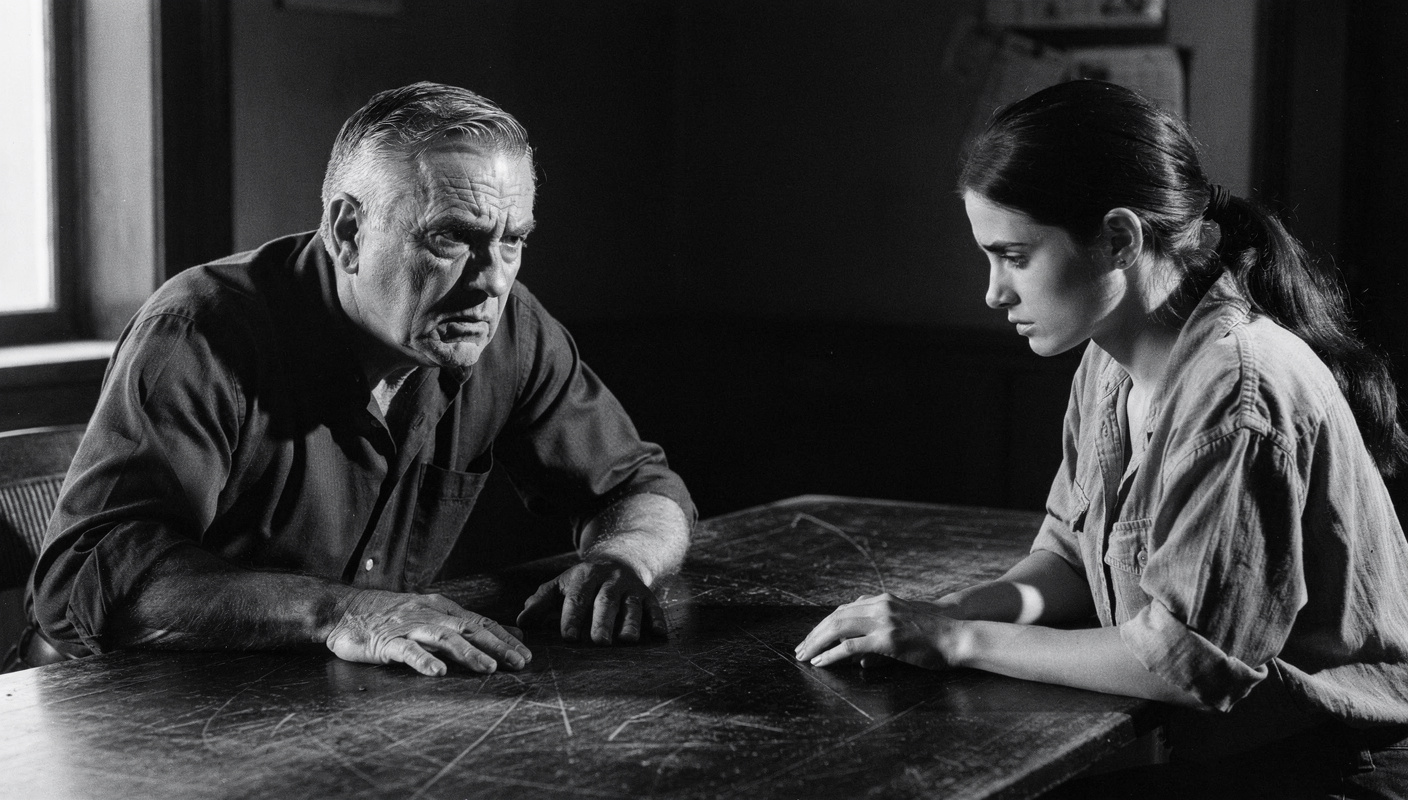
The setting must be private. Feedback on a presentation, especially developmental feedback, belongs in a one-on-one conversation, never in a group debrief, never in the hallway right after the talk. Give the person space to hear what you have to say, to respond honestly, and to ask questions without an audience watching.
Get these right first. The steps that follow will not work without them.
Step 1: Acknowledge the Effort Before Anything Else
This step sets the emotional tone for the entire conversation, and it must be genuine.
There is a difference between a formulaic opener and a real acknowledgement. "Good effort" said as a preamble to criticism is not recognition. It is a warning signal that people learn to dread. What you are doing here is naming something true and specific about what the person invested before you say anything else.
- Look back at your notes and find one thing that took real preparation or courage to do, then name it directly.
- Use the person's name. It signals presence and respect.
- Say something like: "I know you spent real time building that structure. The way you walked through the data in the first ten minutes was clear and confident."
- Keep this section brief. Two or three sentences. You are not building a wall of praise to soften a blow. You are opening the door.
- Do not follow this with "but." The word "but" erases everything before it. Use "and" or simply start a new sentence.
Example: "Sarah, I want to start by saying that the amount of work that went into this was obvious. The opening was strong, and you handled the technical slides with real confidence. I have some thoughts on the middle section that I think will be useful. Can we walk through them?"
After this step, the other person knows two things: you were paying attention, and you are not here to dismantle them. That is the ground you need before you go further.
Step 2: Name What Specifically Worked
This is not a softening device. It is a genuine diagnostic act. Understanding what worked helps the presenter repeat it. Skipping this step is a real loss.
Most feedback conversations move too quickly to the problems. When you name what worked, with precision, you give the presenter a map of their own strengths. That map is as important as any improvement point.
- Choose one or two moments from the presentation where something genuinely landed. Not everything. One or two.
- Be specific about what the behaviour was and what effect it had on the audience or on you.
- Use the S.B.I. approach: Situation, Behaviour, Impact. For feedback that unifies rather than divides, How to Use the S.B.I. Method to Give Team Members Feedback That Unifies Instead of Divides gives you the full framework.
- Do not praise in generalities. "The slides were great" tells them nothing. "The summary slide at the end pulled the three threads together in a way that made the recommendation obvious" tells them everything.
- Write this observation down before the conversation so you do not lose it under pressure.
After this step, the presenter has something concrete to trust about their own performance. That matters. It also builds the credibility you need to deliver the next part honestly.
Step 3: Raise One or Two Development Points, Not Six
Here is where most people make their biggest mistake. They have been holding back observations during the presentation, and now they release all of them at once. Do not do this.
A person can absorb and act on one or two specific development points from a single feedback conversation. More than that and the conversation stops being useful. The presenter cannot hold six observations in mind, and trying to process all of them at once produces a kind of shutdown that looks like acceptance but is actually overwhelm.
- Choose the one or two points that will make the biggest difference to the next presentation.
- Anchor each point to a specific moment: "Around the twelve-minute mark, when you moved to the cost slide, I noticed the room started checking their phones. I think that section needed a cleaner transition."
- Describe what you observed and what effect it had. Do not tell the person what it says about them as a presenter. Stick to the behaviour and its impact.
- Frame the point as a question where possible: "What would it look like if that section had a clearer signpost before the numbers appeared?"
- End each development point with what could be different next time, not with what went wrong this time.
Example: "The one thing I kept thinking about was the pacing in the middle section. You slowed down on the financial slide when the room needed you to speed through it and then pause on the recommendation. I think if you flip that rhythm next time, the recommendation will land harder. What do you think?"
After this step, the presenter has something specific to work on. That is the point.
Step 4: Invite Their Response Before You Finish
Feedback is not a monologue. If you speak and then leave, you have delivered information. You have not built anything.
After you raise your development points, stop and ask a genuine question. Not "does that make sense?" which is a closed door dressed as an open one. A real question: "What was that section like from the inside?" or "Was there a point where you felt you lost the thread?"
- Pause after your development point and wait. Let silence do its work.
- Ask something open: "What was your experience of that moment?" or "What would you do differently if you ran it again?"
- Listen to the answer without interrupting or correcting. The presenter often knows exactly where it went wrong. Your job is to confirm their instincts, not replace them.
- If they disagree with your observation, hear them out. Your view is not the only valid one. Sometimes they have context you do not.
- If they become defensive, slow down. Do not push. Name what you see: "I can hear this is landing hard. Take a moment."
This step transforms the feedback from something done to a person into something built together. That shift is the difference between a conversation someone dreads and one they actually seek out. Building this kind of trust over time is what feedback loops that boost team synergy are made of.
Step 5: Close With a Clear Forward Step
The conversation should not end with the development point hanging in the air. It should end with momentum.
A feedback conversation that closes without a clear next step leaves the presenter with the weight of the critique and nothing to do with it. That is the condition most likely to produce demoralization. You give them the observation and then you leave them alone with it.
- Before you close, ask: "What is one thing you want to try differently in the next presentation?"
- Let them name it. Their answer will tell you whether the feedback has landed.
- Offer one concrete suggestion if they are stuck: "If I were in your position, I would practice that transition three times before the next one."
- Confirm when you will check in: "Let us talk again after Thursday's session and see how it went."
- Thank them. Not for taking the feedback, but for the work they put in. Genuinely.
Example: "Before we finish, I want to ask: what is the one thing you are going to focus on for next time?" If they say "the pacing in the middle section," you know the message arrived. If they say "I'm going to redo all the slides," you know something got lost and you need to clarify.
After this step, the presenter leaves the conversation with a specific focus, a scheduled follow-up, and the knowledge that you respect them enough to invest real time in their growth. That is what good feedback does.
Adapting This Process for Remote and Hybrid Teams
Giving feedback after a virtual presentation requires specific adjustments. The absence of physical presence changes the emotional texture of the conversation in ways that matter.
Schedule a dedicated video call, not a written message. It is tempting to send feedback by email after a remote presentation. Resist that temptation. Written feedback lacks tone, and without tone, even a carefully constructed message can read as cold or critical. A video call preserves the warmth and nuance the conversation needs.
Name what the camera could not capture. In a remote presentation, the presenter cannot read the room the way they can in person. They may have sensed nothing went wrong. Before you raise development points, briefly describe what you observed in the virtual room: "I noticed a few people had their cameras off by the halfway point, and the chat went quiet during the cost section." This gives them data they genuinely did not have.
Watch for isolation after critical feedback. Remote workers who receive developmental feedback without a strong follow-up plan can feel alone with it in a way that office-based colleagues do not. Be more deliberate about the follow-up step. Send a brief message after the call that restates the one forward action you agreed on. Keep the thread open. For teams where psychological safety is still being established, What Is Psychological Safety and How It Drives Team Synergy gives you the context for why this matters. Also consider How Psychological Safety Enables Honest Communication and Sustains Team Synergy for deeper grounding in creating the conditions where feedback can actually be heard.
Allow more time for the invitation step. On video, silence feels longer and more uncomfortable than it does in a room. When you ask your open question and wait for a response, the other person may hesitate simply because of the medium. Hold the silence longer than feels natural. Do not fill it.
The core process holds in every context. Only the execution changes.
Common Mistakes to Avoid When Giving Feedback After a Presentation
Let me tell you about the mistakes I see most often. I have made most of them myself.
The mistake: Giving feedback immediately after the presentation, while the whole team is still in the room.
Why it happens: The moment feels right, the observations are fresh, and waiting feels awkward.
What to do instead: Ask for five minutes privately. Even a brief delay and a change of setting transforms the conversation.
The mistake: Opening with praise so excessive that the presenter braces for the blow they know is coming.
Why it happens: We want to cushion the criticism. We do not want to seem harsh.
What to do instead: Be specific and proportionate. One genuine observation of what worked is more powerful than three inflated compliments.
The mistake: Listing every problem you noticed rather than choosing the one or two that matter most.
Why it happens: You have been holding your observations all through the presentation and now you release them all at once.
What to do instead: Before the conversation, choose the point that will make the biggest difference to the next presentation. Save the rest for another time.
The mistake: Making the feedback about the person's character or ability rather than the specific behaviour.
Why it happens: We conflate the performance with the performer, especially when we know the person well.
What to do instead: Stay anchored to what you observed and its effect. "The transition between slides three and four lost the thread" is feedback. "You are not great at structure" is a judgement.
The mistake: Ending the conversation without a clear next step, leaving the presenter alone with the critique.
Why it happens: The difficult part is over and we want to move on.
What to do instead: Always close with one forward action and a follow-up time. Give the feedback somewhere to go.
These are not character flaws. They are gaps in the system. Fix the system.
Your Practical Checklist
Use this checklist before you begin and after each feedback conversation.
- I have prepared two or three specific observations from the actual presentation before we meet
- I have chosen a private setting with enough time for a real conversation
- I am giving this feedback within 24 hours of the presentation
- I have checked my own motive: this is for their growth, not my comfort
- I have identified one or two genuine strengths to name specifically
- I have chosen a maximum of two development points rather than listing everything I noticed
- Each development point is anchored to a specific, observable moment from the talk
- I have prepared an open question to invite their response
- I have a clear forward action to agree on before we close
- I have planned a follow-up check-in after the next presentation
If you cannot check most of these, that is your starting point.
Summary and Next Steps
You now have a working method for one of the most delicate conversations in professional life. You can give feedback after a presentation in a way that is honest, specific, and genuinely useful, without leaving the other person feeling diminished.
- Prepare your specific observations before you speak. Do not improvise this conversation.
- Acknowledge real effort with a real observation, not a formula.
- Name what worked with the same precision you bring to what needs to change.
- Limit your development points to one or two. More is not more. More is just noise.
- Invite the presenter's response before you close. Their perspective is part of the process.
- Always end with a clear forward action and a follow-up time.
- The goal is never correction alone. It is growth, trust, and a relationship strong enough to have this conversation again.
For the broader context of how feedback shapes team performance over time, How Feedback Loops Boost Team Synergy is worth your time. If conflict arises during or after a feedback conversation, How to Handle Conflict During Meetings gives you a practical approach for navigating that moment without losing ground.
If you want to build the kind of environment where people actively seek feedback rather than dread it, start with How to Give Feedback That Strengthens Team Synergy Instead of Breaking It. It is the natural next step from here.
The courage to give feedback honestly, and the skill to do it well, is one of the rarest things in any workplace. Build both, and people will trust you with their best work.
Frequently Asked Questions (FAQ)
How do you give feedback after a presentation without demoralizing someone?
Start by acknowledging the real effort the person invested, then move to specific, observable points for improvement. Keep your tone steady and your language precise. Focus on what you saw and heard, not on character judgements. The goal is growth, not correction.
What is the best way to give feedback on a presentation?
The best way to give feedback on a presentation is to prepare in advance, lead with genuine recognition, and then offer clear, specific observations tied to real moments from the talk. Avoid vague praise and vague criticism equally. Concrete examples make feedback land.
How do you give feedback on presentation skills to a colleague who tried hard?
Respect the effort first by naming something that worked. Then address one or two specific areas for improvement with examples from the actual presentation. Frame every point around what they can change next time, not what went wrong this time.
When is the right time to give feedback after a presentation?
The best time to give feedback after a presentation is within 24 hours, when the experience is still fresh for both of you. Avoid giving detailed feedback in the room immediately after, when emotions are high. A private setting the following day works best.
How do you give feedback on a presentation without making it personal?
Keep your feedback anchored to specific, observable moments from the presentation, not to the person's character or ability. Say what you saw and what effect it had on the audience. Separate the behaviour from the person and you keep the conversation safe and productive.
What should you avoid when giving feedback after a presentation?
Avoid vague statements like "good job" or "that could be better," which give the presenter nothing to work with. Do not give feedback in public or immediately after the talk. Never combine feedback with a personal assessment of the person's overall competence or worth.