
In Short
The rehearsal trap turns your feedback preparation against you by replacing real listening with rigid script-following, making the conversation worse, not better.
- Over-rehearsing triggers the amygdala hijack when reality deviates from your script.
- A fixed mental script prevents the adaptive listening that feedback conversations require.
- Clarity-based preparation, not word-for-word rehearsal, is what makes feedback land.
The rehearsal trap feedback cycle is the pattern of mentally over-rehearsing a feedback conversation until the script becomes a cage. When the real moment arrives and the other person responds unexpectedly, the rigid preparation collapses, leaving you more lost than if you had prepared nothing at all.
Why Over-Rehearsing Feedback Feels Right But Goes Wrong
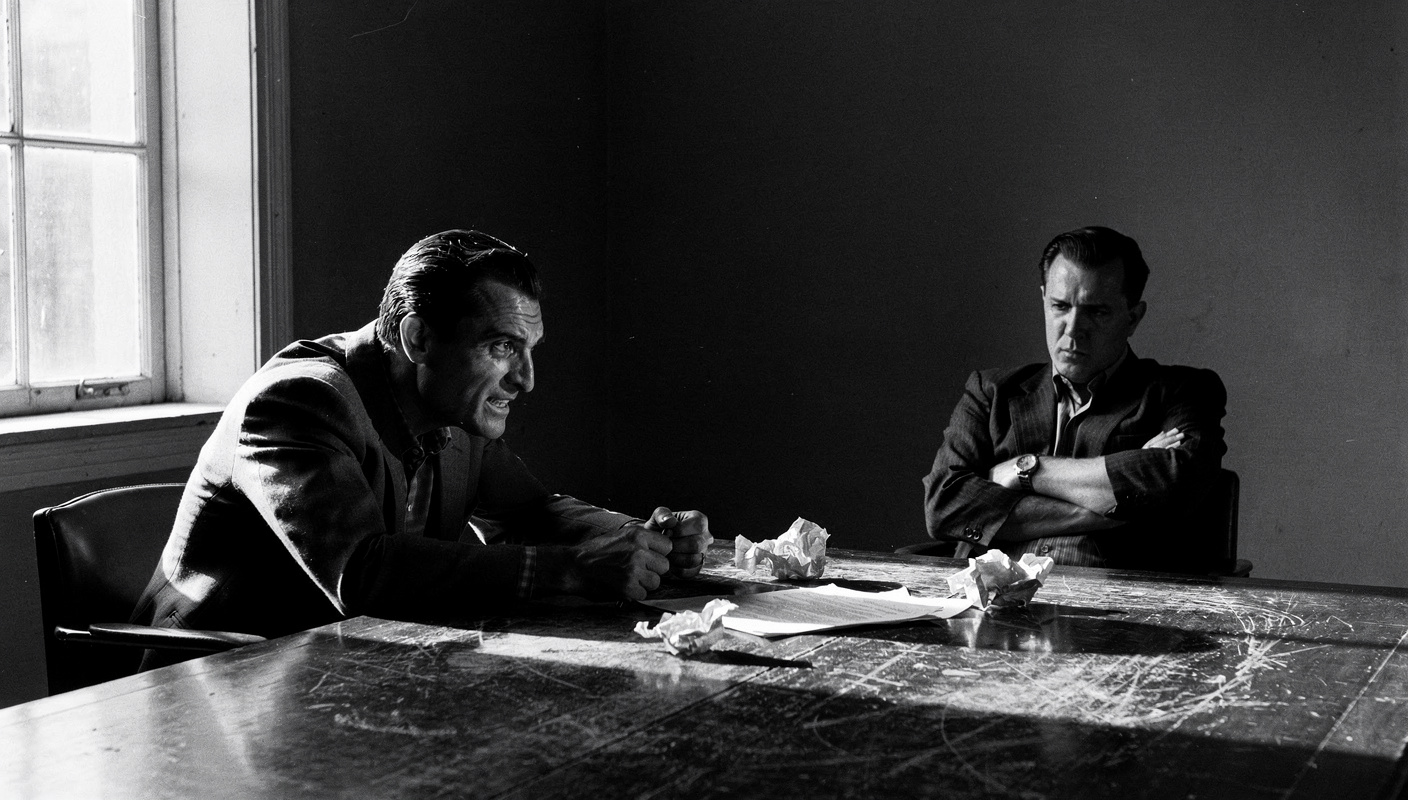
I have watched this pattern repeat itself for decades. A manager spends three days mentally scripting every word of a feedback conversation. She arrives at the meeting prepared, composed, certain. Within sixty seconds, the other person says something she did not plan for, and the whole thing unravels. She either rushes through her script regardless, or she freezes completely. The conversation ends badly, and she blames herself for not preparing enough.
That is the cruelty of the rehearsal trap. The harder you try to prepare your way out of discomfort, the deeper you dig yourself in.
The central question this article answers is: why does thorough preparation for a feedback conversation so often make it worse? Not what to do instead, though we will get to that. Why the mechanism works against you, at a biological and psychological level. Understanding the root of this pattern is what changes your relationship with feedback preparation permanently.
In Say It Right Every Time, I name this pattern the rehearsal trap and give it a full chapter's examination because it is the single most common reason skilled, well-intentioned people fumble feedback conversations they had every reason to handle well. In this article, you will understand why the trap works the way it does, and what that means for how you prepare.
"The Conversation You're Avoiding Is the One You Need to Have."
"The Conversation You're Avoiding
Is the One You Need to Have."
Stop rehearsing conversations you'll never have. Say It Right Every Time gives you 115 word-for-word scripts and 16 proven frameworks to speak with confidence in every conversation that matters.
The Surface vs the Root of Feedback Skills
Most people understand feedback skills at the surface level. Be specific. Focus on behaviour, not character. Choose the right moment. Deliver the message clearly and give the other person a chance to respond. These are sound principles, and knowing them is genuinely useful.
At the surface level, poor feedback is a skill problem. You did not use the right words. You chose the wrong time. You were not specific enough. The solution, most people believe, is more preparation. Rehearse more. Plan more. Know exactly what you are going to say before you say it.
What the deeper mechanism reveals is something different entirely. Poor feedback is not usually a skill problem in the moment. It is a preparation problem before the moment, specifically the wrong kind of preparation. The more rigidly you script a feedback conversation, the more vulnerable you become to the one thing a real conversation guarantees: unpredictability.
A real conversation, as I put it in Say It Right Every Time, is not a monologue. It is a dynamic, unpredictable exchange with another human being. Treating it like a performance to be memorised is not cautious preparation. It is a fundamental misreading of what feedback conversations actually are.
Understanding the root changes how you respond to the surface.
The Rehearsal Trap Feedback Mechanism, Explained
The rehearsal trap begins with a completely reasonable impulse. You have a difficult piece of feedback to deliver. The stakes feel high. You want to get it right. So you rehearse. You imagine the conversation playing out, and you prepare a response for every scenario. It feels like thorough preparation. It feels like courage.
Here is the problem. The brain does not experience an imagined conversation and a real one as the same thing. When you rehearse in your head, you control every variable. The other person says what you expect, responds the way you predict, and your script holds together. Your confidence is built on a scenario you wrote yourself.
When the real conversation begins, you lose that control immediately. As I describe in Chapter 1 of Say It Right Every Time, the part of the brain responsible for rational thought and complex language, the prefrontal cortex, gets hijacked by the amygdala, the brain's survival mechanism, when the conversation deviates from expectations. This is the amygdala hijack in action. Which means that in practice, the moment the other person says something outside your script, your capacity for clear thinking diminishes precisely when you need it most.
There is a second layer to this. When you are operating from a rigid script, you are not actually listening to the person in front of you. You are waiting for your cue. You are monitoring their words for the moment to deliver your next prepared line, rather than genuinely receiving what they are saying. This destroys psychological safety faster than almost anything else. People sense when they are being performed at rather than spoken to. The feedback recipient becomes guarded, defensive, or dismissive, not because the feedback was wrong, but because the delivery felt rehearsed and closed.
The third dimension of this mechanism is what I call the confidence illusion. Over-rehearsing creates a false sense of readiness. You feel prepared because the imagined version went well. But that confidence is untested. When reality disrupts the script, the collapse in confidence is sharper because the expectation gap is wider. You went in certain. You came out lost. This is why you see experienced managers, people who genuinely know how to give feedback, fumble conversations they should have handled with ease.
These three forces, the amygdala hijack, the listening shutdown, and the confidence illusion, work together. They do not need to all activate at once to derail a feedback conversation. Any one of them is enough. Which means that a preparation strategy built on rigid rehearsal carries three separate failure points before you have said a single word.
The rehearsal trap is not a sign of weakness or over-caution. It is what happens when a sensible instinct, prepare thoroughly, collides with a misunderstanding of what feedback conversations actually require.
What the Rehearsal Trap Looks Like in Real Feedback Situations
Here is where this mechanism becomes visible in everyday workplace communication.
A team leader had been rehearsing a conversation about a colleague's chronic lateness for a week. She had the opening line memorised. She had anticipated three possible responses and scripted replies to each. When the conversation began, her colleague opened with: "I'm glad you brought this up, because I've been wanting to talk to you too." She had not planned for that. Her script had no branch for this path. She stumbled, lost her thread, and spent the rest of the conversation reacting defensively rather than delivering the clear, specific feedback she had prepared. The lateness was never properly addressed. Her preparation had not protected her. It had narrowed her.
A project manager needed to give a senior team member feedback about the quality of her written reports. He had prepared extensively, with specific examples, clear language, and a well-reasoned desired outcome. When he began speaking, the team member became visibly emotional. He had no script for managing emotion. He had only a script for delivering facts. He rushed through his prepared points, ignoring her response entirely, because abandoning the script felt more dangerous than pushing through it. She left the conversation feeling unheard. He left feeling like he had read a statement at a stranger. If you are thinking about how to give feedback that actually strengthens working relationships rather than fracturing them, you can explore that further in How to Give Feedback That Strengthens Team Synergy Instead of Breaking It.
A new manager gave feedback to a team member about his communication style in meetings. She had rehearsed the words carefully, but the moment he responded with a question she had not anticipated, her answer contradicted one of her earlier prepared points. She noticed the contradiction, lost confidence mid-sentence, and backtracked. What had started as a clear piece of feedback became confused and uncertain. He walked away unsure what she actually wanted from him.
In each of these situations, the surface behaviour was different. The root mechanism was the same.
Why Most People Miss the Rehearsal Trap in Feedback Preparation
If this insight is this important, why do so few people see it clearly? The rehearsal trap disguises itself as responsible preparation. It does not feel like a mistake. It feels like diligence.
Preparation anxiety is mistaken for preparation itself. Most people rehearse feedback conversations not because they have assessed it as the best method, but because anxiety demands action. The act of rehearsing reduces pre-conversation anxiety in the short term, which reinforces the behaviour. It feels productive because it feels like doing something. The problem is that relieving anxiety and preparing effectively are not the same thing.
We measure preparation by the feeling of readiness, not its function. After extensive rehearsal, you feel ready. That feeling is real. But it is measuring imagined performance, not actual capability under pressure. The S.B.I. Method works precisely because it separates what you observe from what you interpret, a distinction that disappears when you are trying to deliver a memorised script.
The cost of the rehearsal trap is invisible until the moment of failure. You cannot see the listening you are not doing. You cannot observe the psychological safety you are eroding by performing rather than conversing. The damage surfaces only when the conversation goes wrong, and by then most people blame the other person's response rather than their own preparation strategy.
Conflict avoidance is baked into the rehearsal. When you script every line, you are unconsciously scripting a version of the conversation where conflict does not occur, where the other person responds predictably and agreeably. You are not preparing for reality. You are preparing for the version of the conversation that feels safest. As I discuss in Say It Right Every Time, this is one of the most common ways that fear of conflict masquerades as preparation.
Awareness is the beginning. But awareness without application changes nothing.
What Understanding the Rehearsal Trap Means for How You Give Feedback
Understanding this changes what you do in three specific ways.
Prepare your clarity, not your script. The goal of preparation is not to know every word you will say. It is to know your core message in one clear sentence, your desired outcome, and the specific behaviour you are addressing. The Clarity Checklist from Chapter 2 of Say It Right Every Time gives you five preparation items: your core message, your desired outcome, your supporting evidence, your reason for having the conversation, and your readiness to listen. Prepare these thoroughly. Leave the wording to the moment.
Build adaptive responses, not fixed lines. Instead of scripting what you will say, practise how you will respond to the unexpected. The Empathy Bridge, a technique of acknowledging the other person's feelings before continuing your message, and the 3-Second Pause, a micro-intervention that interrupts the amygdala hijack before you respond, are both designed for real-time use. These tools are taught in detail in Chapter 2 of Say It Right Every Time. They give you a repeatable method for staying grounded when the conversation moves into territory you did not anticipate. Practise these responses, not specific lines.
Recognise that listening is the skill you are actually preparing for. The most important thing you will do in a feedback conversation is not speak. It is hear. When you walk in with a rigid script, you have already decided the shape of the conversation before it begins. Walk in with clarity about your message and genuine openness to the other person's response. This is what How to Use the G.R.O.W. Method to Turn Team Feedback Into a Synergy Improvement Plan demonstrates in practice: real feedback conversations are collaborative by design, not performances delivered to a passive audience.
These are not new behaviors. They are the same behaviors, grounded in a deeper understanding of why they work.
Key Insights and Next Steps
The rehearsal trap feedback cycle is one of the most common reasons well-prepared people walk out of feedback conversations having made things worse rather than better.
- Over-rehearsing feels like preparation, but it is preparation for an imaginary conversation, not a real one.
- The amygdala hijack is triggered not by confrontation alone, but by any deviation from an expected script, which means rigid preparation increases biological vulnerability.
- Listening collapses when you are performing a script; the other person senses it, and psychological safety dissolves before the feedback is even delivered.
- The Clarity Checklist, the Empathy Bridge, and the 3-Second Pause from Say It Right Every Time replace script-based preparation with a system that holds under pressure.
- Great feedback communicators are not magicians. They are mechanics who trust a repeatable method over an imagined perfect delivery.
- The fix is not less preparation. It is the right kind of preparation: clear on the message, open to the response, and equipped with tools for what you cannot predict.
If you want to understand how this trap shows up at the team level, How to Recognize When Your Team Is Stuck in the Rehearsal Trap That Prevents Synergy-Building Conversations takes the individual pattern and maps it onto group dynamics. And if you are looking for structured frameworks to replace script-based preparation, explore How to Run Productive Meetings That Don't Waste Time for how clarity-based systems work across all high-stakes communication, not just feedback.
This much I know for certain: the courage to give feedback is not in the rehearsal. It is in the willingness to show up prepared, clear, and genuinely open to what happens next.
Frequently Asked Questions (FAQ)
What is the rehearsal trap in feedback conversations?
The rehearsal trap is the cycle of mentally rehearsing a feedback conversation so thoroughly that when the real moment arrives, you become rigid and tongue-tied. Over-preparation replaces genuine listening with script-following, and any unexpected response from the other person throws the entire exchange off course.
Why does overplanning a feedback conversation make it worse?
Overplanning creates a fixed mental script. When the other person responds unexpectedly, your brain treats the deviation as a threat, triggering the amygdala hijack. You either freeze, rush through your prepared lines, or become defensive, all of which undermine the quality and impact of the feedback.
How does the rehearsal trap affect feedback delivery?
The rehearsal trap turns a two-way conversation into a one-way performance. You stop listening because you are waiting for your next scripted line. The feedback recipient senses the rigidity, becomes guarded, and the psychological safety needed for honest exchange collapses before you have even finished speaking.
What should you prepare instead of rehearsing feedback word for word?
Instead of scripting every line, prepare your core message in one clear sentence, name your desired outcome, and identify the specific behaviour you are addressing. The C.O.R.E. Framework from Say It Right Every Time gives you a repeatable structure so you stay grounded without becoming rigid.
What is the amygdala hijack and how does it relate to feedback conversations?
The amygdala hijack happens when the brain perceives a conversation as threatening and the survival brain overrides rational thought. In feedback conversations, this cuts off your ability to listen, adapt, and respond clearly. Preparation based on a rigid script increases this risk by amplifying the fear of any deviation. You can read more about The Role of Communication in Meeting Success to see how this biological response affects all high-pressure communication, not just feedback.
How do you break the rehearsal trap feedback cycle?
Break the cycle by shifting from word-for-word preparation to clarity-based preparation. Know your core message, your desired outcome, and the behaviour you are addressing. Then trust the conversation to unfold. Practise adaptive responses using the Empathy Bridge and 3-Second Pause rather than fixed lines. For virtual feedback situations, Best Practices for Virtual Meeting Communication addresses how this same principle applies when you cannot read the room in person.