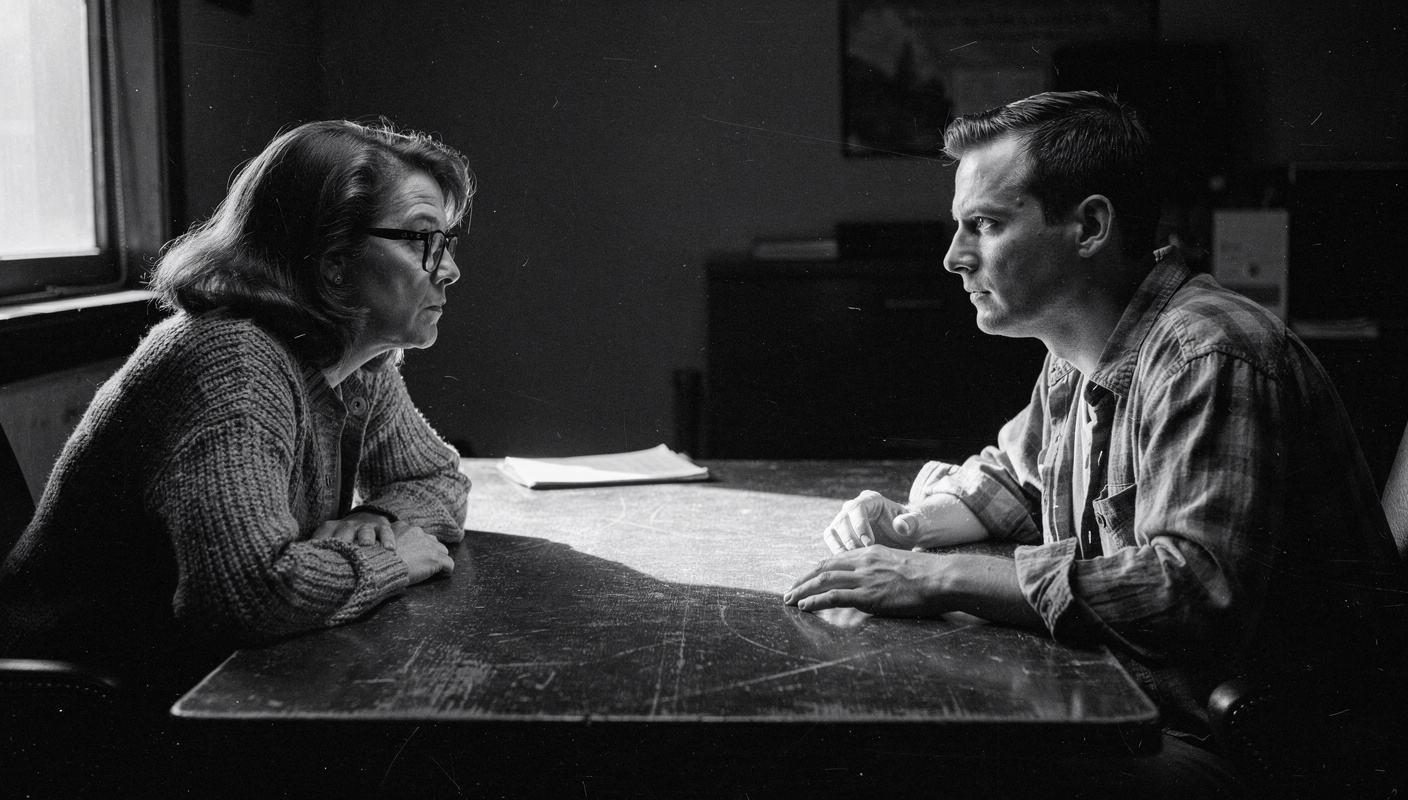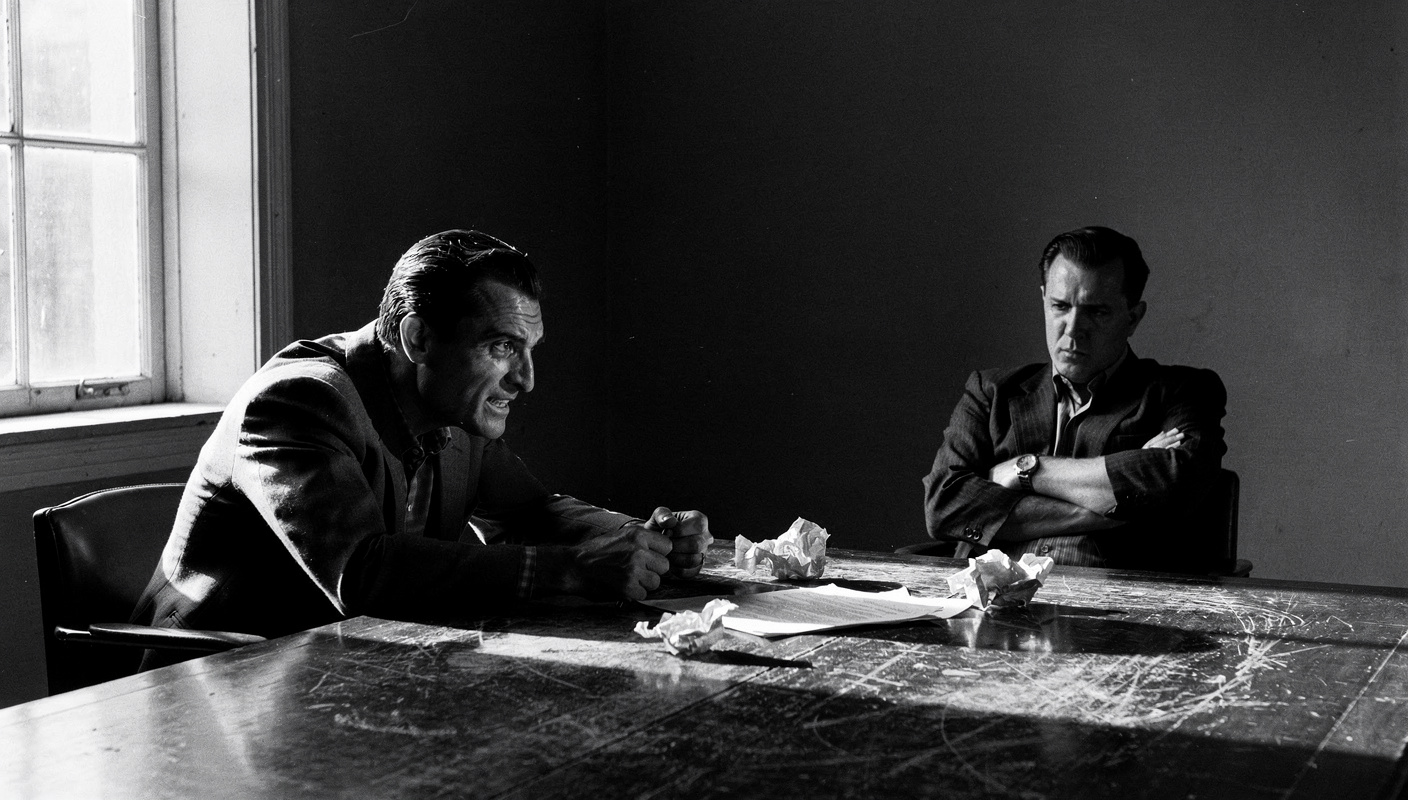

In Short
Avoiding a feedback conversation does not eliminate the cost of a problem; it transfers that cost to the relationship, the team, and your own credibility as someone who communicates with courage.
- Silence allows poor behavior to continue and compound, making the eventual conversation harder.
- Avoidance erodes trust on both sides, even when neither person can name exactly why.
- The perceived risk of speaking up is almost always smaller than the real cost of staying quiet.
Avoiding a feedback conversation is the deliberate choice to withhold honest, behavioral information from another person at work, usually out of fear of conflict or discomfort. Over time, this silence compounds into larger performance problems, eroded trust, and missed opportunities for genuine improvement.
Why the Choice to Stay Silent Feels So Reasonable
There is a pattern I have watched repeat itself across decades of working with teams and leaders. Someone notices a problem with a colleague's work or behavior. They decide, for entirely understandable reasons, not to say anything. And then, months later, that same problem has grown into something far more difficult to address.
Most people understand feedback at the surface level. They know it is supposed to be specific, timely, and focused on behavior rather than character. They know they should speak up when something is affecting the team. That much is the conventional wisdom, and it is not wrong.
What the surface does not explain is why people still do not do it. Knowing the right thing and doing it are two entirely different problems. The gap between them is where avoiding a feedback conversation lives, and it is a much wider gap than most people admit.
The deeper reality is that staying silent feels like the generous choice. It feels like you are protecting the other person. In truth, you are protecting yourself from the discomfort of their reaction, and costing them the chance to improve. That is the root. The surface behavior looks like kindness, but the mechanism underneath is fear dressed in thoughtful clothing.
Understanding the root changes how you respond to the surface.
"The Conversation You're Avoiding Is the One You Need to Have."
"The Conversation You're Avoiding
Is the One You Need to Have."
Stop rehearsing conversations you'll never have. Say It Right Every Time gives you 115 word-for-word scripts and 16 proven frameworks to speak with confidence in every conversation that matters.
The Real Mechanism Behind Feedback Avoidance
Here is the truth of it: avoiding a feedback conversation is not a single decision. It is a series of small, seemingly rational choices that accumulate into a pattern of silence.
The first mechanism is risk miscalculation. When you imagine giving someone difficult feedback, your mind naturally runs the worst-case scenario. You picture the person becoming defensive, the relationship fracturing, the conversation spiralling. What your mind does not picture with equal clarity is the cost of not speaking. The imagined risk of honesty feels vivid and immediate; the real cost of silence feels distant and abstract. This asymmetry is what makes avoidance feel reasonable even when it is not.
Which means that in practice, people consistently overestimate the danger of the conversation and underestimate the danger of the silence.
The second mechanism is what I call cost deferral. Every time you avoid a feedback conversation, you do not eliminate the problem. You defer it. The behavior continues. The impact accumulates. And the conversation you will eventually need to have becomes heavier and more loaded with history. What could have been a clean, specific exchange about one incident becomes a conversation burdened by months of unspoken frustration. This is why managers who avoid early feedback conversations often end up in crisis conversations that feel impossible to navigate.
That is why teams that address issues early, even imperfectly, consistently outperform those where silence is the default.
The third mechanism is the quiet erosion of trust. This one is the most insidious. When someone senses, even without knowing explicitly, that you have been holding something back, their trust in you diminishes. They may not be able to name it. But they feel the gap between what you say and what you actually think. Over time, that gap becomes the relationship. For a deeper look at how this trust erosion plays out across the whole team, Why Avoiding Difficult Conversations Is the Hidden Enemy of Team Synergy examines the broader pattern with real clarity.
The fourth mechanism is what happens to the person who receives no feedback. They continue working under the assumption that everything is fine. They do not know they are missing something. They cannot improve without information they are never given. Then, when the problem eventually surfaces, often in a formal review or a moment of crisis, they feel blindsided. The betrayal they feel is legitimate. You had the information. You chose not to share it.
Taken together, these four mechanisms explain why avoiding a feedback conversation always costs more than having it. The cost is not always visible immediately. But it compounds, steadily and without exception.
What Avoiding Feedback Conversations Looks Like in Real Situations
Here is where this mechanism becomes visible in everyday communication.
A manager notices repeated missed deadlines. She tells herself it is a one-off. Then it happens again. She mentions it loosely in a team meeting without naming the person directly. The individual does not register it as feedback. Three months later, a client relationship is damaged and the manager is now trying to have a formal performance conversation with someone who genuinely did not know there was a problem. The damage to trust, the project, and the relationship could have been reduced significantly by a direct, early conversation.
A senior colleague submits work that consistently misses the brief. A teammate notices but does not want to step on the senior person's toes. He tells himself it is not his place. The poor-quality work goes up the chain. The senior colleague is eventually spoken to by leadership in a way that feels public and harsh. The teammate, who had the information and stayed quiet, has also failed the person he thought he was protecting. How to Give Feedback That Strengthens Team Synergy Instead of Breaking It addresses exactly this situation: how to speak up without breaking what you value.
A team leader receives feedback that one team member's communication style is alienating others. She decides to wait until the annual review cycle rather than address it now. By then, two strong performers have quietly started looking for other roles. The person at the center of the problem has had no chance to course-correct. The culture damage takes a year to repair, if it repairs at all. How Feedback Loops Boost Team Synergy shows what becomes possible when teams build the habit of giving and receiving honest input regularly.
In each of these situations, the surface behavior was different. The root mechanism was the same.
Why Most People Miss the Real Cost of Staying Silent
If this insight is this important, why do so few people see it clearly?
The cost of avoidance is invisible at first. When you stay quiet, nothing bad happens immediately. The meeting ends. The day continues. It feels like you made a safe choice. The cost accrues in the background, in ways that are hard to trace back to the original silence. By the time the damage is visible, people rarely connect it to the conversation they did not have six months ago.
We confuse conflict avoidance with kindness. This one runs deep. Most people who avoid giving feedback genuinely believe they are protecting the other person. They reframe silence as grace. But real kindness gives people the information they need to grow. Withholding that information, however gently, is not grace. It is a choice that prioritizes your own comfort over their development. What Is Psychological Safety and How It Drives Team Synergy explains why honest feedback is actually a prerequisite for people feeling genuinely safe at work, not a threat to it.
The imagined conversation is always worse than the real one. People rehearse catastrophic outcomes in their minds: tears, anger, defensiveness, damaged relationships. In my experience, these outcomes are far rarer than the anticipation suggests. Most people, when given clear and respectful feedback, respond with something closer to relief than rage. The gap between the imagined conversation and the actual one is vast, and avoidance lives in that gap.
There is no immediate accountability for staying silent. Nobody pulls you aside after a meeting and says, "You should have said something." The feedback loop on avoidance is slow and diffuse. That makes it easy to keep deferring without feeling the consequences in real time.
Awareness is the beginning. But awareness without application changes nothing.
What Understanding This Means for How You Give Feedback
Understanding this changes what you do in three specific ways.
Recalibrate your risk assessment. Before you decide to stay quiet, name the cost of silence explicitly. Ask yourself: what happens if this continues for another month, another quarter, another year? Write it down if you need to. The goal is to make the cost of avoidance as vivid and concrete in your mind as the imagined cost of speaking. When the two are weighed honestly, speaking up wins almost every time. Commit to assessing both sides before you make the choice.
Deliver feedback close to the moment. Timeliness is not just courtesy; it is a structural requirement for feedback to be effective. The further you are from the incident, the harder it becomes to be specific, and the more the other person feels ambushed rather than informed. I cover this in detail in Say It Right Every Time, specifically the S.B.I. Method: Situation, Behavior, Impact. When you anchor feedback to a specific situation and a specific behavior, you give the other person something they can actually act on. Timeliness makes that specificity possible.
Separate the discomfort from the damage. Your discomfort in the moment of delivering feedback is real. But it is temporary. The damage caused by ongoing silence is also real, and it does not resolve on its own. Learning to tolerate short-term discomfort in service of a longer-term outcome is one of the most important skills a communicator can build. Practice this by starting with lower-stakes feedback first, building the habit progressively until the discomfort loses its power to stop you. How to Start a Difficult Conversation That's Blocking Your Team's Synergy gives you a practical place to begin.
These are not new behaviors. They are the same behaviors, grounded in a deeper understanding of why they work.
Key Insights and Next Steps
Avoiding a feedback conversation does not protect anyone. It defers a cost that will always be paid, usually at a higher rate than honest, timely communication would have required.
- The risk of speaking up is almost always smaller than the risk of staying silent, even though silence feels safer in the moment.
- Every avoided feedback conversation becomes a heavier one later, because the problem continues and accumulates history.
- Trust erodes quietly when people sense, without being told directly, that something is being held back.
- The person who receives no feedback cannot improve. They are working without the information they need, through no fault of their own.
- Timeliness and specificity are not stylistic choices in feedback delivery. They are the difference between a message that lands and one that damages.
- Discomfort in giving feedback is temporary. The damage of withholding it is not.
To understand how the environment around feedback either enables or prevents honest communication, How Psychological Safety Enables Honest Communication and Sustains Team Synergy and How to Recognize When Conversation Avoidance Is Killing Your Team's Synergy will give you the fuller picture.
This much I know for certain: the people who are remembered as genuinely good communicators are not the ones who always knew the right words. They are the ones who found the courage to say the necessary thing when it would have been easier to say nothing at all.
Frequently Asked Questions (FAQ)
What does avoiding a feedback conversation actually cost you?
Avoiding a feedback conversation costs you trust, team performance, and time. The problem you sidestep today grows quietly in the background. By the time it becomes impossible to ignore, the damage is always greater than an honest conversation would have caused.
Why do people keep avoiding feedback conversations at work?
Most people avoid feedback conversations because they fear the other person's reaction or worry about damaging the relationship. The irony is that silence damages the relationship more reliably than an honest, well-delivered message ever would.
How does avoiding feedback conversation affect team performance?
When feedback is withheld, team members continue repeating the same mistakes without knowing it. Performance stagnates, resentment builds on both sides, and the team loses the honest communication it needs to improve and grow together.
Is avoiding a difficult feedback conversation ever the right choice?
Rarely. Timing and delivery matter enormously, but delay almost always makes the conversation harder, not easier. The gap between the behavior and the feedback widens, and the problem compounds. Choosing the right moment is wise; indefinite avoidance is not.
What is the difference between delaying feedback and avoiding it?
Delaying feedback means choosing a better moment to deliver a message you have already committed to giving. Avoiding feedback means finding reasons not to give it at all. One is strategy; the other is a habit that erodes trust over time.
How can I start a feedback conversation I have been putting off?
Name the behavior specifically, describe the impact it has had, and do it soon. The longer you wait, the more weight the conversation carries. A simple, direct opening is always better than a carefully rehearsed speech that never gets delivered.