
In Short
Cultural differences tension is the hardest kind of workplace conflict to resolve because both people are often acting in good faith. The friction comes from different assumptions, not bad character.
- Most managers treat it like a personality clash and make it worse.
- The solution starts with curiosity, not mediation scripts.
- You need a clear process that reaches the root, not just the symptom.
Cultural differences tension is the interpersonal friction that arises when colleagues from different cultural backgrounds hold conflicting assumptions about communication, authority, directness, or respect. It is frequently misdiagnosed as a personality conflict, which is why it so rarely stays resolved.
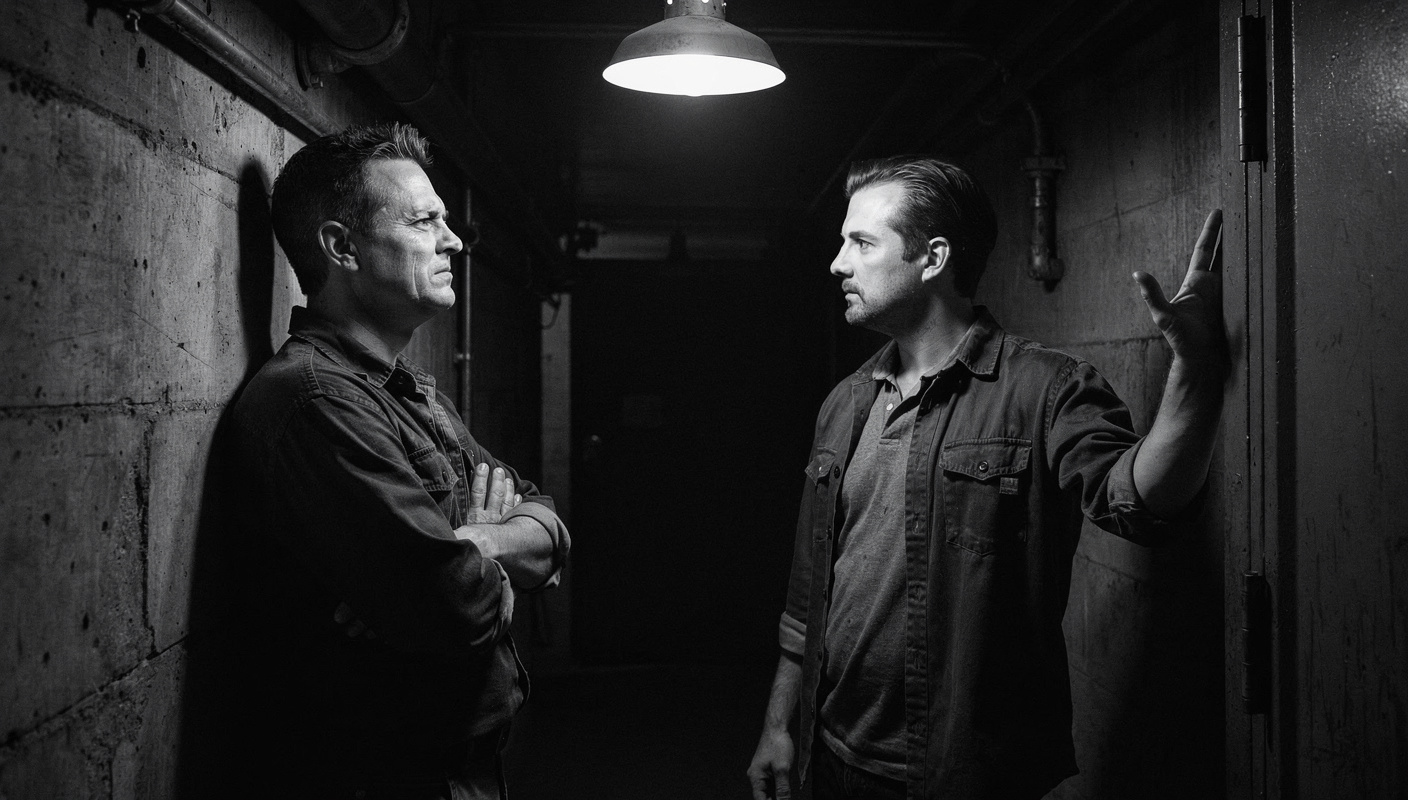
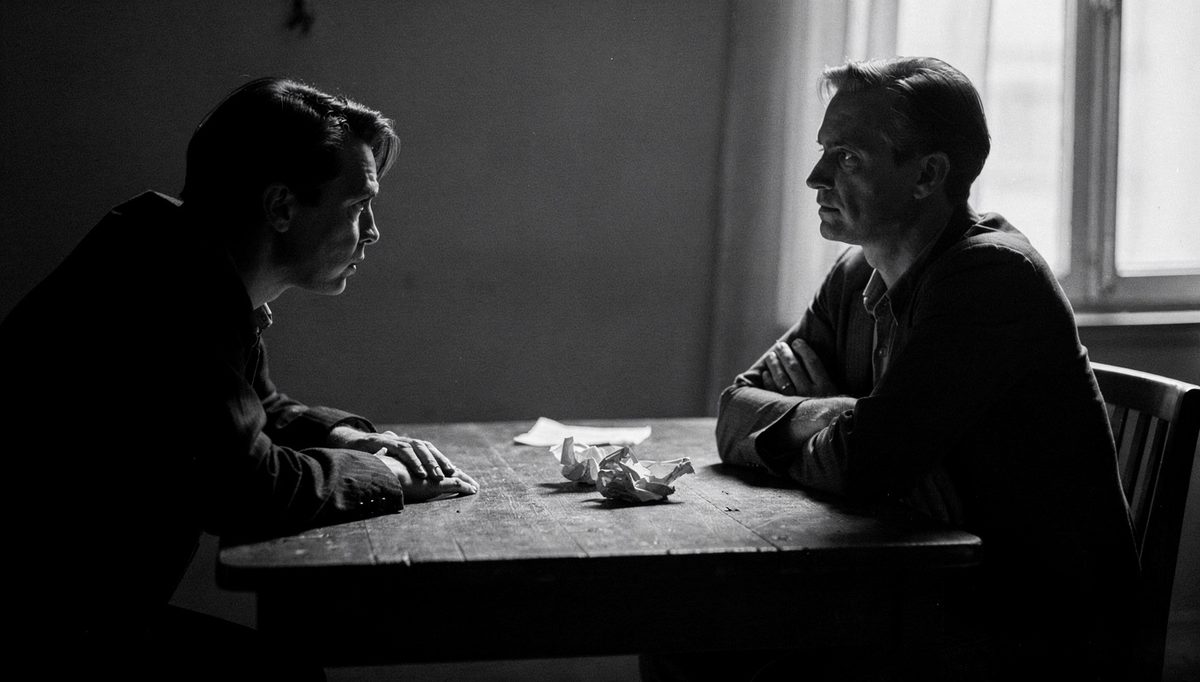
Two colleagues. Both capable. Both committed to their work. And yet the atmosphere between them has turned cold in a way nobody can quite name. One of them comes to you and says the other is rude, dismissive, always cutting across people in meetings. The other says the first is passive, vague, impossible to read. Neither of them is wrong about what they experienced. But both of them are wrong about what caused it.
This is how cultural differences tension usually arrives. Not with a clear incident you can point to, but with a slow build of misread signals, bruised pride, and growing certainty that the other person is simply difficult. I have sat in the middle of these situations more times than I can count, and I have watched well-meaning managers reach for the wrong tools every single time. The hard truth is that cultural conflict does not respond to standard conflict resolution. It needs something different. This article will give you the process.
Why Cultural Conflict Resists the Usual Fixes
Standard conflict resolution assumes both parties share a common understanding of what respectful behaviour looks like. You name the problem, hear both sides, find common ground, and agree on a way forward. That works when the conflict is about competing interests. It falls apart when the conflict is about competing assumptions.
Someone from a high-context culture, where meaning is conveyed indirectly and relationships are built slowly, will often read a direct, get-to-the-point communicator as aggressive or disrespectful. That direct communicator, equally, may read the indirect style as evasive or dishonest. Neither person is being unreasonable. Both are applying the communication norms that have served them well their entire lives. The problem is that those norms are invisible to the person using them.
This invisibility is what makes cultural differences tension so stubborn. You cannot solve a problem you cannot see. And until someone names the underlying cultural difference clearly, both parties will keep explaining the conflict in terms of character: "She is cold," "He is arrogant," "They do not care about the team." When you address cultural conflict as a character problem, you get defensiveness, not resolution.
There is also a risk that cuts the other way. If you handle this clumsily and your attempt to name a cultural difference lands as a stereotype, you will do real damage. Running inclusive meetings with diverse teams requires the same careful footing: the goal is always to see the person more clearly, never to reduce them to a category.
"The Conversation You're Avoiding Is the One You Need to Have."
"The Conversation You're Avoiding
Is the One You Need to Have."
Stop rehearsing conversations you'll never have. Say It Right Every Time gives you 115 word-for-word scripts and 16 proven frameworks to speak with confidence in every conversation that matters.
What Needs to Be True Before You Begin
You cannot manage this kind of tension without a baseline of psychological safety. That does not mean everyone needs to feel comfortable. It means each person needs to believe that speaking honestly will not cost them their standing.
Before you sit anyone down, ask yourself three questions. Does each party trust that you are neutral? Do they believe the conversation is genuinely confidential? And are you genuinely curious, or are you hoping to confirm a conclusion you have already reached? If the answer to any of those is uncertain, do the groundwork first. Meet with each person individually before you bring them together. Build enough trust that honesty feels safe.
One more thing. You need to check your own cultural assumptions before you begin. The way you listen, the pace you expect people to speak, the amount of directness you consider appropriate: all of these are shaped by your own background. If you walk in convinced that directness equals honesty and indirectness equals evasion, you will not be neutral. You will be another cultural lens in the room, and not a helpful one.
A Six-Step Process for Managing Tension Rooted in Cultural Difference
Step 1: Separate the Behaviour from the Intent
Before you involve anyone else, do this work on your own. Write down the specific behaviour that caused the friction. Then ask: is this behaviour something that would be considered normal, even respectful, in a different cultural context?
A person who interrupts in conversation may be expressing enthusiasm and engagement, not dismissiveness. A person who avoids eye contact may be showing deference to seniority, not indicating discomfort or dishonesty. When you can identify a plausible cultural explanation for a behaviour that caused offence, you have found your entry point.
This step matters because it changes how you frame the conversation. You are not investigating who was wrong. You are exploring how two different sets of expectations collided.
Step 2: Meet with Each Person Individually First
Never open a joint conversation cold when cultural tension is involved. You need to understand each person's experience before you can help them understand each other.
In these individual conversations, ask open questions and listen without commentary. "Tell me what you noticed." "What did that feel like from where you were sitting?" "What were you hoping would happen?" Do not offer interpretations yet. Your job at this stage is to understand the internal logic of each person's experience fully enough that you could represent it fairly to the other.
Empathy bridges in team communication are built exactly here, in these quiet conversations where someone finally feels that their version of events has been genuinely received.
Step 3: Name the Cultural Dimension Directly
This is the step most managers skip, and it is the most important one. At some point in this process, the cultural difference itself needs to be named. Not as an accusation, not as an excuse, but as a real explanation for what happened.
Here is a script that has served me well in these moments: "I want to share something I noticed that I think might explain part of what has been happening between you two. Different backgrounds shape how we communicate, and sometimes two perfectly reasonable approaches create real friction. I'd like us to look at that together."
From there, you describe the specific communication style difference as neutrally and specifically as you can. You are not labelling anyone's culture as a whole. You are naming one specific norm that appears to be operating differently for each person. This takes courage, but it clears the air in a way that vague conflict resolution language never can.
Step 4: Create the Conditions for Each Person to Be Heard
Once the cultural dimension is named in the room, you need to slow the conversation down considerably. People need to hear each other, not just wait for their turn to respond.
Use a simple structure. Ask one person to describe their experience for two minutes without interruption. Then ask the other person to reflect back what they heard, before they offer their own perspective. This is not about agreement. It is about each person knowing that the other has genuinely received their experience.
The D.E.A.L. Method for defusing tension between colleagues who refuse to cooperate builds on exactly this structure, and it is worth reading alongside this process for situations where the tension has hardened into active resistance.
Step 5: Build Shared Norms Together
This is where repair becomes real. You do not end the conversation with an apology and a handshake. You end it with a concrete agreement about how these two people will communicate going forward.
Ask each person: "What would you need from the other person to feel respected in your day-to-day work?" Then ask the other: "Is that something you can genuinely offer?" The word "genuinely" matters. You are not looking for social compliance. You are looking for real agreement.
The norms you agree on might be small. Direct feedback will be shared privately rather than in meetings. Disagreement will be voiced in the moment rather than left to simmer. Status updates will include enough context that nobody has to read between the lines. Small, specific, and real. That is what lasts.
Step 6: Follow Up and Name Progress
Most managers end the process with the joint conversation and consider the matter closed. That is a mistake. Cultural friction has deep roots, and new situations will create new moments of friction. Your job is not finished when the conversation ends.
Check in with each person individually two weeks later. Ask not whether everything is fine, but what they have noticed. This signals that you take the ongoing relationship seriously, and it gives you an early warning if the tension is resurfacing. When you see progress, name it. "I noticed you two handled that disagreement in the meeting well. That was not easy, and it mattered."
When the Tension Involves a Power Difference
The process above assumes that the two people in conflict have roughly equal standing in the organisation. When a cultural difference in tension involves a manager and a direct report, the dynamics shift considerably, and you need to adjust.
The person with less power is far less likely to name the tension honestly, because the cost of doing so feels too high. They may have learned through experience that expressing disagreement with a senior colleague is seen as a threat to harmony or to authority, depending on their background. If you ask them directly how they feel and they say "fine," that is not confirmation that things are fine.
In these situations, make it structurally safe to be honest. Use anonymous written reflection before the conversation. Give the junior party the first word in the joint session. Make explicit that you expect and welcome honest disagreement. And if you are the senior party, accept that your cultural norms may have more influence in the room than you realise, simply because of your position.
How to give feedback across cultures without causing offense or misunderstanding addresses this power dimension directly, and it is essential reading if the cultural tension involves the feedback relationship between a manager and their team.
Where This Process Usually Goes Wrong
The mistake: Treating cultural tension as a standard conflict and pushing for quick resolution. Why it happens: Managers are trained to resolve conflict efficiently, and ambiguity feels like a failure. What to do instead: Slow down deliberately. Spend more time in the individual conversations than you think you need. The joint conversation will be more productive if both parties already feel understood.
The mistake: Naming someone's culture as a monolith ("In your culture, people tend to..."). Why it happens: We reach for categories when we do not have specific language. What to do instead: Name the specific behaviour and the specific norm, not the entire cultural identity. "It sounds like giving feedback in public is comfortable for you, and it lands very differently for her" is specific. "That is just how people from your background communicate" is reductive, and it will end the conversation.
The mistake: Resolving the incident without addressing the underlying difference. Why it happens: The incident is visible and the difference is not. What to do instead: Always ask, after you have addressed what happened, "What does this tell us about how we might communicate differently going forward?" Move from the past incident to the future relationship.
How to deliver negative feedback positively contains tools for exactly this kind of forward-facing repair conversation, and they translate well to cross-cultural settings where the goal is constructive dialogue rather than blame.
The mistake: Assuming the process is finished after one conversation. Why it happens: Relief. The tension has visibly eased, and nobody wants to poke at it again. What to do instead: Schedule a follow-up before you leave the room. Make it part of the agreement, not an afterthought.
If you are nervous about facilitating these conversations at all, the conversation pre-mortem technique is a genuinely useful way to prepare. Walking through what could go wrong before you sit down will sharpen your thinking and steady your nerve.
A Practical Checklist for Cultural Conflict Situations
Use this before, during, and after any tension management conversation rooted in cultural difference.
Before the conversation:
- Have I identified the specific behaviour causing friction, separate from the person's character?
- Can I articulate a plausible cultural explanation for that behaviour?
- Have I examined my own cultural assumptions about communication and respect?
- Have I met with each person individually and genuinely heard their version?
During the joint conversation:
- Have I named the cultural dimension directly, not just addressed the incident?
- Has each person reflected back what they heard before responding?
- Have we agreed on specific shared norms, not just general intentions?
- Have I confirmed that the agreement feels genuine to both parties, not just socially acceptable?
After the conversation:
- Have I scheduled a follow-up within two weeks?
- Am I watching for early signs that the friction is resurfacing in new situations?
- When I see progress, am I naming it explicitly?
The D.E.A.L. Method for resolving conflicts that are fracturing team synergy offers a complementary framework that pairs well with this checklist, particularly for situations where the cultural tension has already begun to affect the wider team.
What Gets Built When You Do This Well
Here is the truth of it. When you handle cultural differences tension carefully and honestly, you do not just resolve the conflict between two people. You build something more durable in the team around them.
Other people watch how you handle this. They are asking themselves: is this a place where differences are named and worked through, or a place where they are politely ignored until they explode? When you model the courage to address cultural friction directly, you give the whole team permission to do the same.
This much I know for certain: the teams that handle cultural differences tension with the most skill are not the ones with the fewest differences. They are the ones that have learned to talk about difference without flinching. That is a practice you build over time, one honest conversation at a time.
Frequently Asked Questions (FAQ)
What is cultural differences tension in the workplace?
Cultural differences tension is the friction that builds between colleagues when their backgrounds shape conflicting assumptions about communication, hierarchy, directness, or respect. It is often misread as a personality clash, which is why surface-level fixes rarely work and the conflict tends to persist.
How do you manage tension caused by cultural misunderstandings at work?
Start by separating the behaviour from the intent. Most cultural friction comes from misread signals, not bad faith. Name the tension openly, ask curious questions about each person's expectations, and work together to agree on norms that both parties can genuinely accept.
Why does cultural differences tension keep coming back after you resolve it?
Because most resolutions address the incident, not the underlying difference. When two people operate from different cultural assumptions, the same friction will re-emerge in a new situation. Lasting resolution requires naming the difference directly and agreeing on shared norms going forward.
How do you tell the difference between a cultural conflict and a personality clash?
Ask whether the behaviour that caused offence would be considered normal or even respectful in the other person's cultural background. If the answer is yes, you are likely dealing with cultural differences tension rather than genuine hostility or a character problem.
What mistakes do managers make when handling cross-cultural workplace tension?
The most common mistake is treating it like any other conflict and pushing for a quick apology or compromise. Cross-cultural tension needs curiosity first, not resolution. Jumping to solutions before both parties feel genuinely understood tends to drive the conflict underground.
How do remote teams manage tension from cultural differences?
Remote settings strip away the non-verbal cues that help people read intent, which makes cultural friction worse. Written communication especially benefits from explicit context. Name your intent at the start of difficult messages, slow down response expectations, and build in regular check-ins to catch friction early.