
What Happened
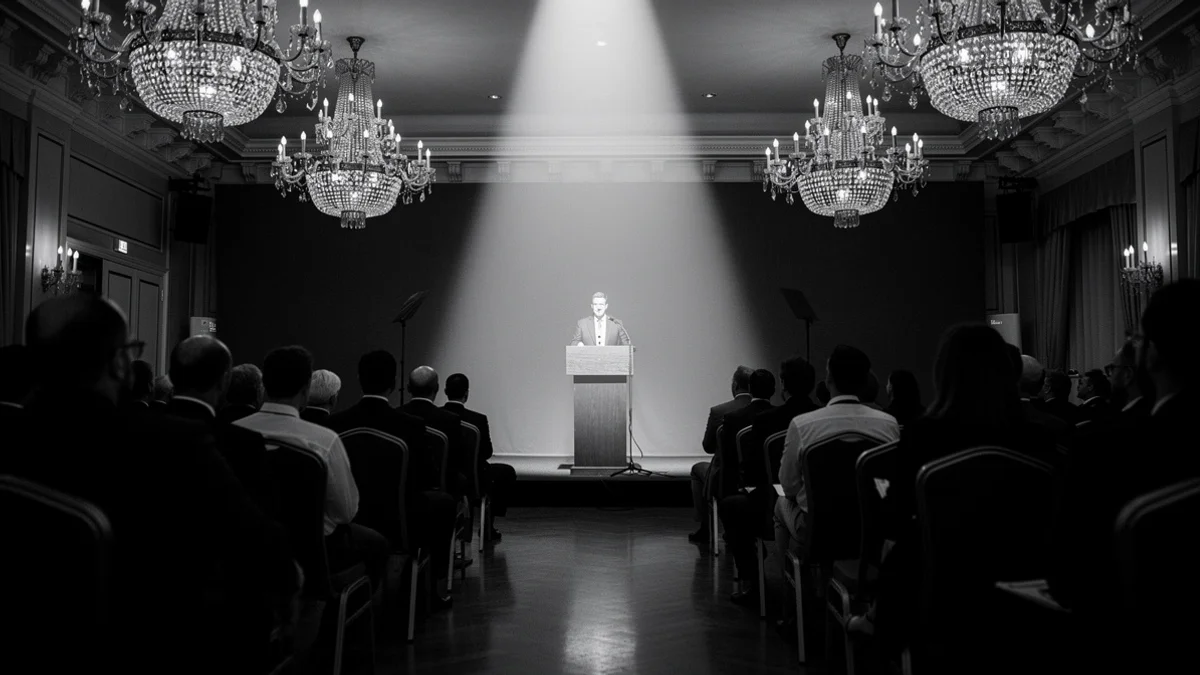
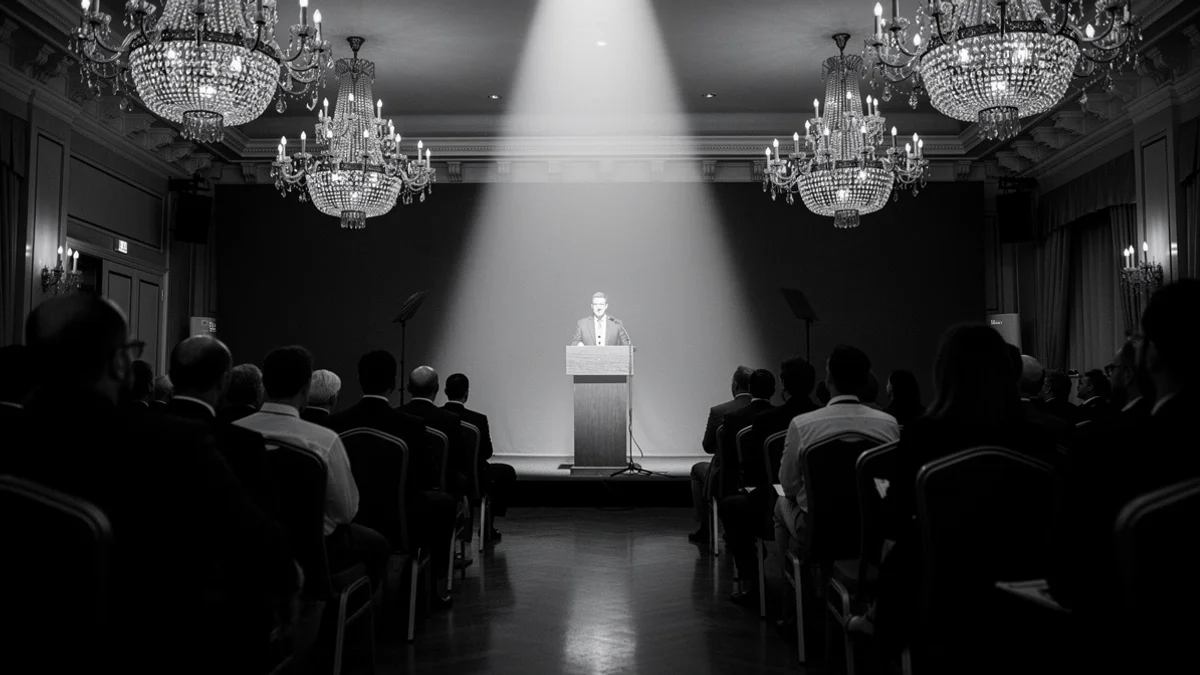
Gianni Buonsante stood before more than 200 luxury hospitality professionals at The Dorchester and made the case that artificial intelligence belongs in high-end service, not as a threat to it. His central argument: AI is a tool that amplifies what great service already does well. The audience was senior, skeptical, and had every reason to push back.
The Communication Angle
Here is the real question this event raises: how do you walk into a room full of people who fear your message and make them leave believing it?
This is one of the hardest communication challenges in professional life. Buonsante was not pitching to converts. Luxury hospitality people are protective of the human touch by identity, not just by preference. Tell that crowd that AI is coming and you will lose them in the first sixty seconds. So the framing choice he made was everything.
He did not say "AI is changing hospitality." He said "AI amplifies what you already do." That is not a small distinction. It is the entire game. The first framing positions the audience as passengers. The second positions them as drivers. When you reframe a threat as a lever, you give people agency. And people with agency listen. People without it get defensive.
The venue choice also did real work here. The Dorchester is not a conference center. It is a symbol. It says: this conversation belongs in the world of excellence, not the world of disruption startups. That context primes the audience to receive the message differently before Buonsante says a single word. Smart speakers understand that the room itself communicates before they do.
The "orchestrating" language reported in the coverage is worth noting too. Orchestration implies a conductor. A conductor does not disappear when the instruments play better. A conductor becomes more necessary. If that word came from Buonsante deliberately, it was a precise and elegant move. It tells the audience exactly where they stand in the future he is describing: at the center, not on the sidelines.
That is the full architecture of a well-built vision speech. You pick a frame that serves your audience. You let the setting do part of the lifting. You choose one metaphor and you commit to it all the way through.
This is exactly the kind of scenario I break down in Say It Right Every Time. The chapter on audience resistance gives you a framework for identifying the emotional objection underneath the logical one. Most speakers try to argue their way past resistance. The better move is to name the fear out loud, then redirect it. Buonsante appears to have done that instinctively. You can learn to do it on purpose.

Never Be Lost
for Words Again
Get word‑for‑word scripts for the conversations that shape your life, from job interviews and negotiations to difficult talks with family and partners, so you always know exactly what to say and how to say it.
Never Be Lost
for Words Again
Get word‑for‑word scripts for the conversations that shape your life, from job interviews and negotiations to difficult talks with family and partners, so you always know exactly what to say and how to say it.
Key Takeaway
Before your next presentation to a skeptical audience, write down the one thing they are most afraid of. Then rewrite your opening sentence so that it speaks directly to their fear and repositions it as their advantage. Not "here is why this change is good." But "here is why you are the people who will make this work." That single shift changes the energy in the room before your second slide loads.