
In Short
After reading this, you will be able to hold your body with deliberate calm when someone is shouting at you.
- Ground your body before you try to manage your face or voice.
- Open, visible hands signal safety; crossed arms and clenched fists signal threat.
- Stillness is not weakness. It is the most powerful physical response you have.
Physical expression anger is the way your body communicates during a high-anger confrontation. It includes your posture, stance, hands, gaze, and facial tension. Managing these nonverbal signals deliberately keeps you from escalating a situation and holds the conditions for real communication.
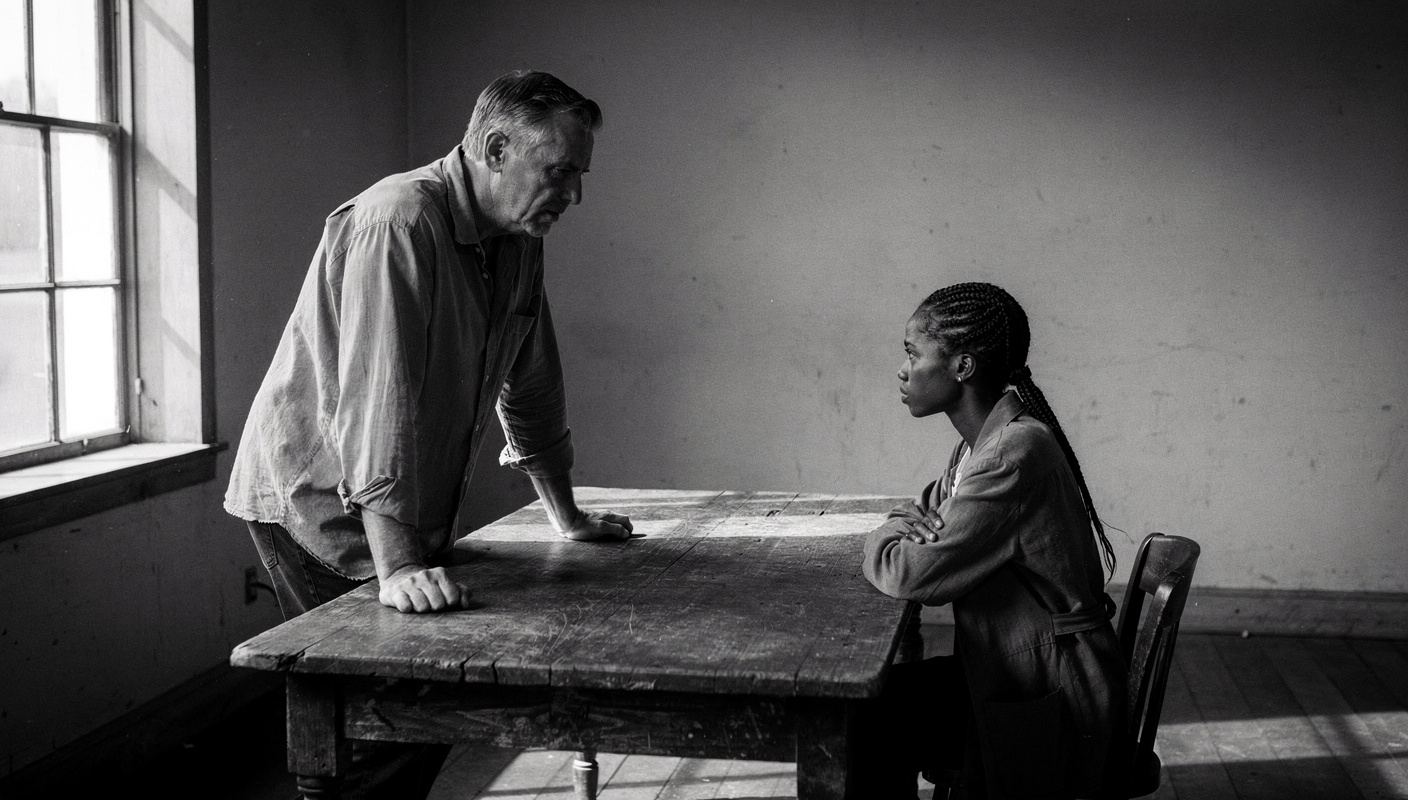
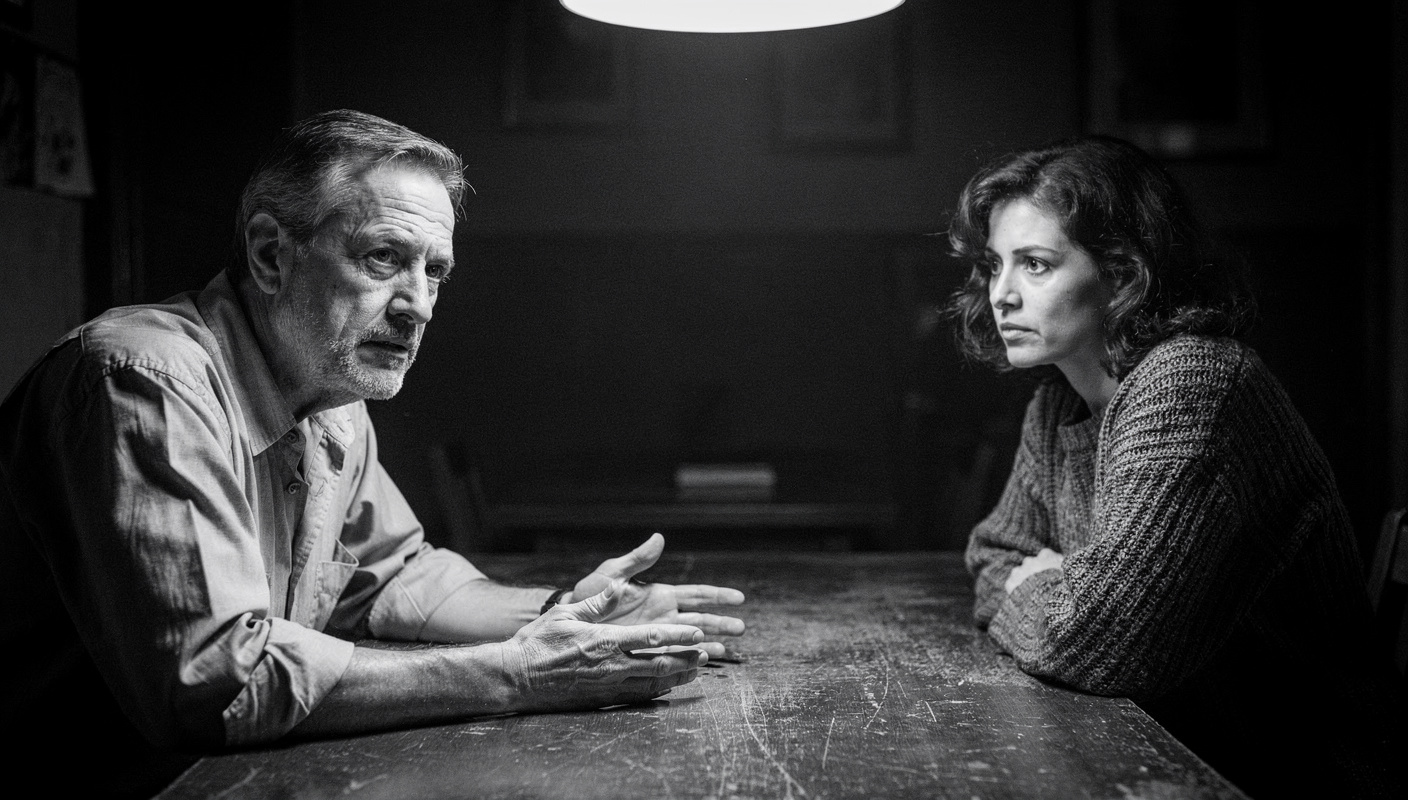
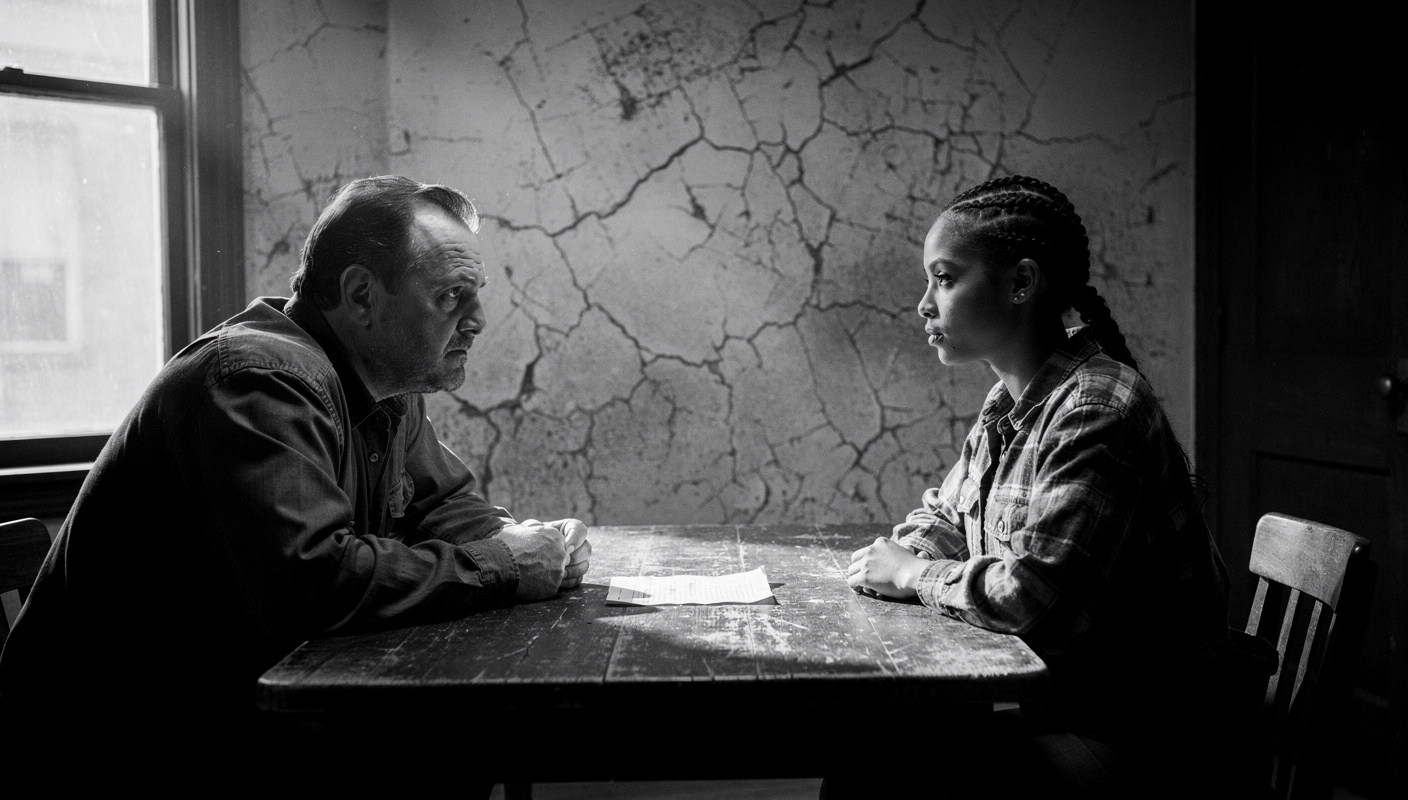
I want to tell you about a man I coached years ago. He was a production manager, experienced, respected. One morning his director came in shouting over a missed deadline. The manager stood perfectly still and said nothing wrong. But his arms were crossed, his jaw was clenched, and he kept glancing at the door. The director escalated. The situation became a formal complaint. Not because of a word he said. Because of the story his body told.
Physical expression anger is the gap most people never close. They practice what to say under pressure, but they never practice how to hold themselves. And when the shouting starts, the body betrays everything. It tenses, flinches, puffs up, or collapses. All before a single word is spoken.
The real problem is not that people panic. It is that nobody ever taught them what to do with their hands, their shoulders, their eyes, when the air in a room turns hot. There is no clear system. So the body goes to instinct, and instinct rarely helps.
In this guide, you will get a clear, practical process for physical expression that you can use immediately. If you want to understand the deeper psychology of what happens to you under pressure, What Is the Amygdala Hijack and How It Silently Blocks Team Synergy in High-Pressure Moments is worth reading first.
Why Controlling Your Body in Conflict Is Harder Than It Looks
You already know body language matters. Knowing it and doing it under fire are two entirely different things.
There is a significant gap between understanding that you should stay calm and actually keeping your shoulders down when someone is inches from your face, veins showing in their neck. That gap is where most people live. Here is what makes it so difficult:
Your nervous system moves faster than your intentions. The threat response is biological. Before your mind decides to stay calm, your body has already braced for impact. Shoulders rise, fists close, breathing goes shallow. Reversing that takes practice, not willpower.
The environment is unpredictable. You can prepare for a difficult conversation, but explosive anger often arrives without warning. There is no warm-up. You go from normal to extreme in seconds, and your body has no script.
You are trying to manage someone else's emotions at the same time. Part of your attention is tracking what the other person is doing, and that split focus makes it harder to stay present in your own body.
Your instincts work against you. Crossing your arms feels protective. Looking away feels safer than holding eye contact. Breaking spatial distance feels sensible. But each of these instincts sends exactly the wrong signal to an already escalated person.
Nobody has practised this under real conditions. You can read about body language all day. But reading and rehearsing are different from doing. Most people have never deliberately practised their physical stillness under pressure until it becomes automatic.
The goal is not to eliminate these difficulties. It is to build a system that works in spite of them.
"The Conversation You're Avoiding Is the One You Need to Have."
"The Conversation You're Avoiding
Is the One You Need to Have."
Stop rehearsing conversations you'll never have. Say It Right Every Time gives you 115 word-for-word scripts and 16 proven frameworks to speak with confidence in every conversation that matters.
The Foundation: What You Need Before You Start
Before you begin, there are three things that need to be clear.
Know your default under pressure. Everyone has a physical habit that kicks in when they feel threatened. Some people go rigid. Some lean forward. Some physically retreat. You need to know your default before you can interrupt it. Pay attention next time you are in any tense moment, not just a shouting match. Notice your shoulders, your hands, your jaw. Knowing your pattern is the first act of control.
Accept that you will not be perfect. You will not hold every micro-expression in place. Your jaw may tighten. Your breathing may catch. That is fine. The goal is not a flawless performance. The goal is directional: each moment you consciously choose your physical response is a moment you are in control rather than reacting. Progress matters more than perfection.
Understand that your body affects their state. This is the part people underestimate. Your physical expression is not just about how you feel. It sends real-time signals to the other person. Calm, grounded stillness is contagious. So is visible anxiety and aggression. You have more influence on the arc of this exchange than you think.
Get these right first. The steps that follow will not work without them.
Step 1: Ground Your Feet Before You Do Anything Else
This step is the foundation of everything. Without it, the rest collapses.
When someone starts shouting, most people shift their weight, step back, or start to drift. That physical instability feeds the sense of threat in your nervous system and communicates weakness or agitation to the other person. Grounding is the fastest way to interrupt that cycle.
Feel both feet flat on the floor. Distribute your weight evenly. Do not lean away. Do not rock. You are not rooting yourself to be stubborn. You are giving your body a stable base from which every other signal can flow.
- Feel the floor under both feet before you respond to anything.
- Soften your knees slightly so you are not locked or rigid.
- Resist the urge to step backward; hold your position with quiet steadiness.
- Take one deliberate breath downward into your belly to anchor yourself.
- Let that breath release slowly before your shoulders have a chance to rise.
Here is what this looks like in practice. A colleague comes into your office furious about a decision you made. They are standing, voice raised. Your instinct is to push your chair back. Instead, you place both feet flat on the floor, feel the weight settle, and take one slow breath. You have not said a word. But your body has already changed the conversation.
Grounded feet are the first signal you send. Everything else builds from that foundation.
Step 2: Drop and Open Your Shoulders
Once your feet are set, your upper body needs to follow. Raised, tight shoulders signal fear or aggression. Neither serves you.
Most people, when confronted with shouting, pull their shoulders up toward their ears without noticing. It is a bracing response. The problem is it makes you look either threatened or ready to fight. Both readings will push an angry person further. The goal is a different signal: I am here, I am steady, I am not a threat, and I am not afraid.
- Consciously lower your shoulders away from your ears.
- Roll them back slightly so your chest opens rather than caves.
- Keep your spine upright but not stiff; think tall, not tense.
- Breathe into the space you have just created in your chest.
- Check your shoulders again thirty seconds into the exchange; they will have crept back up.
The checking is important. Your shoulders will rise again. That is automatic. The practice is the repeated act of noticing and lowering. Every time you do it, you are sending a deliberate signal and resetting your own nervous system at the same time.
Understanding the role of emotional intelligence in team synergy gives you useful context here. Emotional intelligence begins in the body, not the mind.
Step 3: Place Your Hands Openly and Deliberately
Your hands speak louder than your face when the room is charged. People track hands under threat. It is ancient and involuntary.
Clenched fists signal aggression, even when you are simply tense. Arms crossed signal defensiveness or contempt. Hands shoved in pockets signal evasion. None of these serve you. The single most powerful hand position is open, visible, and low.
- Keep both hands below chest height at all times during the confrontation.
- Open your palms slightly so fingers are relaxed, not splayed wide.
- Rest your hands loosely on your thighs if sitting, or at your sides if standing.
- Resist any urge to point, wave, or gesture assertively while the other person is still escalated.
Here is what this feels like in real life. Your manager is shouting about a report that went out with errors. Your hands want to come up, palms out, in the universal "calm down" gesture. Do not do it. That gesture reads as patronising to someone in a rage. Instead, keep your hands low and open, resting naturally. You are demonstrating through your palms that you carry no threat. It is a quiet, powerful signal.
From open hands, your next task is managing what your face is doing.
Step 4: Hold a Steady, Non-Aggressive Gaze
Eye contact is one of the most contested physical signals under anger. Too much reads as a challenge. Too little reads as guilt or submission. You need the middle ground.
Breaking eye contact entirely when someone is shouting at you signals one of two things: you are lying, or you are afraid. Either reading gives the angry person more momentum. Holding a hard, unflinching stare signals dominance and aggression, which tends to escalate rather than settle. The target is a calm, steady, human gaze. Present. Attentive. Neither submissive nor combative.
- Keep your gaze in the general area of the other person's eyes and face without locking into a fixed stare.
- Blink naturally; forced unblinking eye contact reads as threatening.
- Look slightly to the side occasionally, as you would in any normal conversation.
- Do not look at the door, the ceiling, or your phone under any circumstances.
- Let your eyes reflect attention, not judgment.
Signs Your Team's Amygdala Hijack Problem Is Destroying Synergy in Real Time gives you a useful picture of what is happening neurologically in the person in front of you, which makes it easier to hold steady rather than react.
Steady eyes tell a simple story: I am still here, I am listening, and I am not going anywhere.
Step 5: Manage Your Facial Expression Deliberately
Your face is broadcasting in high definition. Everything you feel passes across it before you have time to stop it.
The most common mistake under explosive anger is an expression that lands as contempt, even when it is simply stress. A tight jaw, raised eyebrow, or slight smirk can inflame a situation faster than any word. You are not trying to perform serenity. You are trying to keep your face from making things worse.
- Soften your jaw deliberately; let it release rather than clench.
- Keep your brow as smooth as you can; furrowing it reads as either anger or contempt.
- Aim for an expression that is attentive and neutral, not blank or cold.
- Avoid any expression that could be read as dismissive: eye rolls, compressed lips, tight smiles.
- Let the concern you genuinely feel show in your eyes, not in tension around your mouth.
Here is a script you can use immediately after the physical expression work has settled things slightly. You say, quietly: "I can see this matters a great deal to you. I want to hear it properly." Your face needs to match those words. If your expression says "you are exhausting me," the words mean nothing. The face and the language must carry the same message. I explore this connection between physical presence and spoken clarity in Say It Right Every Time, which breaks down exactly how your nonverbal signals either support or contradict what you are trying to say.
When face and body are aligned, the other person feels the coherence, and that is what begins to lower the temperature.
Adapting This Process for Remote and Video Confrontations
Explosive anger does not stay in physical spaces. It arrives in video calls too, and the dynamics shift enough that the process needs specific adjustment.
On a screen, certain physical signals are amplified and others disappear entirely. Here is how to adapt what you have learned.
Your upper body becomes your entire presence. On a video call, the other person can only see your torso, neck, and face. Ground yourself in your seat with feet flat on the floor for the nervous system benefit, but focus most of your physical expression attention on your shoulders, face, and hands above the desk line. A slumped or rigid upper body on camera reads worse than in person.
Distance is fixed; posture replaces it. In a physical room, you can choose your spatial position. On a call, you cannot. Leaning back in your chair is the equivalent of creating distance without retreating. Leaning in, by contrast, can read as aggressive even when you mean to convey attention. A neutral, upright position is your target.
Your eyes need a camera, not a screen. When someone is shouting on a call, your instinct is to watch their face on the screen. That means your eyes drop below the camera, which reads as avoidance on their end. Train yourself to look at the camera lens for extended periods, especially when the other person is venting. It creates the impression of direct eye contact and significantly reduces their sense of being dismissed.
Silence your environment. Physical stillness on a video call is disrupted by background noise, notifications, and movement. Close other windows, silence your phone, and eliminate visual clutter in your background. These are extensions of your physical composure. A calm, still environment amplifies your physical expression.
The core process holds in any format. Only the execution changes.
Common Mistakes to Avoid
Let me tell you about the mistakes I see most often. I have made most of them myself.
The mistake: Crossing your arms because it feels protective.
Why it happens: Arms crossed over the chest genuinely feels like a shield, and under threat, you reach for anything.
What to do instead: Recognise the urge as a signal that your body feels threatened, then choose open hands instead; the feeling of safety you want comes from grounding, not armour.
The mistake: Using a "calm down" palm gesture directly at the person.
Why it happens: It feels like a reasonable, de-escalating signal, and sometimes you have seen it work in films.
What to do instead: Keep your palms open and low at your sides; directing a gesture at an escalated person reads as condescending and often throws fuel on the fire.
The mistake: Breaking eye contact entirely and looking away.
Why it happens: Looking away feels safer when someone is in your face, and the instinct is to reduce the intensity of the interaction.
What to do instead: Hold a soft, attentive gaze and let your eyes return steadily; looking away signals guilt or fear and gives the other person more momentum.
The mistake: Mirroring the other person's energy without realising it.
Why it happens: Mirroring is a natural human tendency, and under pressure it happens faster than conscious thought.
What to do instead: Ground your body deliberately before you have a chance to drift into their state; your physical stillness is an anchor, not just for you but for the room.
The mistake: Holding your breath under stress, which tightens your whole body.
Why it happens: Shallow, held breathing is part of the threat response and happens automatically.
What to do instead: Take one slow deliberate breath downward into your belly before responding to anything; it resets your nervous system and visibly changes your physical expression.
These are not character flaws. They are gaps in the system. Fix the system.
Your Practical Checklist for Physical Expression Under Anger
Use this checklist before a difficult conversation you anticipate, and review it after any encounter that caught you off guard.
- Both feet are flat on the floor before I say a single word.
- My shoulders are lowered and rolled back, not raised toward my ears.
- My hands are open, visible, and below chest height.
- I am not crossing my arms or putting my hands in my pockets.
- My gaze is steady and attentive, neither hard nor avoidant.
- My jaw is soft, not clenched or tight.
- My facial expression is neutral and present, not dismissive or cold.
- I am breathing slowly and deliberately, not holding my breath.
- I am not leaning in aggressively or retreating physically.
- I have resisted the urge to mirror the other person's physical intensity.
- My posture communicates calm and confidence, not submission or threat.
If you cannot check most of these, that is your starting point.
Summary and Next Steps
You now have a working process for physical expression under explosive anger. You know what to do with your feet, your shoulders, your hands, your eyes, and your face when a conversation turns hostile.
- Ground your feet first; everything else follows from that one decision.
- Open hands are the most powerful nonverbal signal you can send in a confrontation.
- Shoulders down and back tell the other person and your own nervous system the same thing: we are not in danger.
- Steady, soft eye contact holds connection without issuing a challenge.
- Your facial expression must match your words; coherence is what calms people, not technique alone.
- These physical habits feel unnatural at first and natural after real practice.
- Stillness is not passivity. It is the strongest thing you can bring to a volatile room.
For the next step, I recommend reading How to De-escalate Team Conflict Without Destroying Synergy, which takes the physical work you have done here and connects it to what you say in the moments after the storm begins to pass. If you want to understand what is driving the other person's reaction at a neurological level, What Is Psychological Safety and How It Drives Team Synergy will give you that context. And for a complete system covering both the words and the body language for high-stakes encounters, Say It Right Every Time covers physical expression anger in the context of every difficult conversation you will face.
The person who masters their body in a storm masters the conversation before it begins.
Frequently Asked Questions (FAQ)
What is physical expression anger and why does it matter?
Physical expression anger refers to how your body responds and what it communicates when you are in a heated confrontation. Your posture, hands, and face send signals that either calm or escalate a situation. Managing these signals deliberately keeps you in control of the interaction.
How do you control your body language when someone is shouting at you?
You control your body language by grounding your feet, lowering your shoulders, keeping your hands open and visible, and maintaining a steady but non-aggressive gaze. These actions tell your nervous system you are safe and signal to the other person that you are not a threat.
Why does physical expression under anger escalate conflict?
When someone shouts, your body defaults to fight-or-flight responses such as tensing up, leaning forward, or breaking eye contact. These automatic reactions can read as aggression or fear, both of which push the confrontation further. Conscious physical stillness interrupts that cycle.
What is the best posture to use during a heated argument?
Stand or sit with both feet flat on the floor, shoulders back and low, and your spine upright but relaxed. Keep your hands open and below chest height. This posture communicates calm and confidence without appearing confrontational or submissive.
Can your physical expression affect how angry someone stays?
Yes. Nonverbal signals account for a significant part of how people read a situation. If you tense up, cross your arms, or back away nervously, it can intensify the other person's emotional state. A calm, grounded physical presence often reduces the intensity of explosive anger over time.
How does breathing affect your physical expression during conflict?
Shallow breathing tightens your chest and raises your shoulders, making you look and feel more anxious. Slow, deliberate breaths lower your physical tension and help regulate your nervous system. That internal shift shows in your face and posture, signalling composure to the person confronting you.