
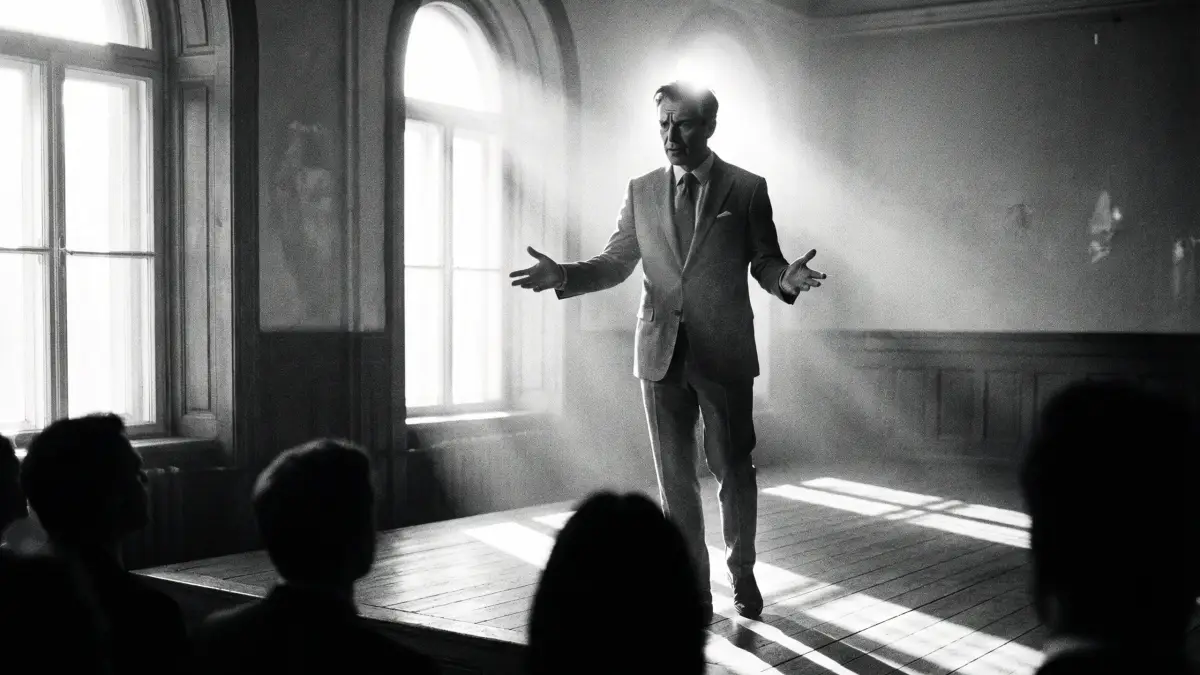
Physical Expression
How posture, gesture, movement, and facial expression shape how your communication is received and how others perceive you.
Communication is a full-body activity. The way you hold yourself, move through a space, gesture while speaking, and express emotion through your face all contribute to how your message lands — often more powerfully than the words themselves. Physical expression is not about performing confidence; it is about aligning your body with your intent so that what you say and how you appear are working together rather than at cross-purposes.
This subtopic covers the practical dimensions of physical expression in communication: how posture signals confidence or uncertainty, how deliberate gesture reinforces spoken ideas without becoming distracting, how facial expression either supports or undercuts your message, and how movement and stillness affect the energy and authority of your presence. You will find guidance on becoming more aware of your own physical habits and developing greater intentionality in how you use your body to communicate.
For speakers, leaders, professionals in client-facing roles, and anyone who wants to communicate with greater impact, physical expression is an often-overlooked lever. These articles help you use it with awareness and purpose.
 18 min audio
 Power Posture vs Defensive Posture: How to Recognize and Shift Between Them in Real Time
Power posture and defensive posture are physical stances that shape how others perceive you and how you feel in any conversation. This article explains what each posture looks like, when to use it, and how to shift between them consciously in real situations.
Read Article → 23 min audio
 Physical Expression Tips for Managers Delivering Difficult Feedback in Person
Delivering difficult feedback in person is as much about your body as your words. This guide covers practical physical expression tips for managers, from posture and eye contact to gesture control and spatial awareness, so your message lands with clarity and respect.
Read Article → 18 min audio
 Sitting vs Standing Physical Expression: How Your Position Changes What Your Body Communicates
Sitting and standing each send different signals through your body language, even before you speak. This article explains how your physical position shapes the messages you send, the authority you project, and the connection you build with others in any professional setting.
Read Article → 25 min audio
 How to Use the C.O.R.E. Framework to Align Your Physical Expression With Your Message
The C.O.R.E. Framework gives you a structured approach to aligning physical expression with your spoken message. This article explains each pillar, shows you how to apply the framework in real situations, and helps you choose the right tool when pressure is high.
Read Article → 15 min audio
 The Link Between Stress and Body Expression
Stress does not stay inside you. It moves through your body and changes how others read you, often before you speak. This article explains the mechanism behind stress and physical expression, and what it means for how you communicate under pressure.
Read Article → 15 min audio
 Understanding Space and Boundaries in Communication
Space and boundaries in communication are not just about comfort. They shape trust, authority, and connection in every interaction. This article explains what proxemics and physical boundaries mean in practice, why they matter, and how to read and adjust them with confidence.
Read Article →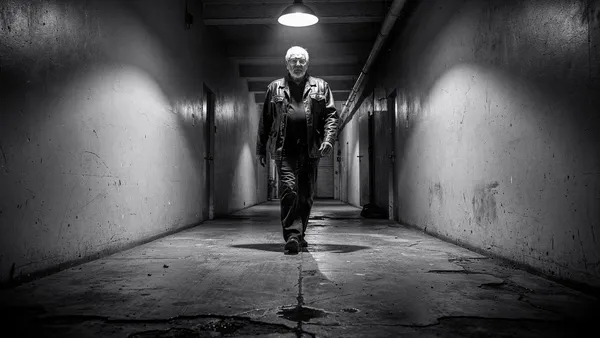 15 min audio
 What Your Walking Style Says About You: How Gait and Movement Function as Physical Expression
Physical expression shapes how others perceive you before a single word is spoken. This article explains what gait and movement communicate, why they matter in professional and personal settings, and how to understand and refine the silent signals your body sends every day.
Read Article → 19 min audio
 Common Body Language Mistakes to Avoid at Work
Most professionals focus on what they say and forget that their body speaks first. This article names six common body language mistakes that quietly damage credibility and trust at work, explains why each one happens, and gives you a clear, practical fix for every single one.
Read Article → 26 min audio
 How to Use Eye Contact as a Physical Expression Tool Without Intimidating Others
Eye contact is one of the most powerful physical expression tools you have, but most people either avoid it or overdo it. This guide gives you a clear, practical process for using your gaze to build trust, show confidence, and connect with others without making them uncomfortable.
Read Article → 23 min audio
 Power Posture as a Pre-Conversation Ritual: The Physical Expression Step the S.T.R.O.N.G. Method Builds In
Power posture is the physical preparation step built into the S.T.R.O.N.G. Method. This article teaches you exactly how to use body position, breath, and deliberate physical reset to enter any high-stakes conversation with grounded confidence and clear presence.
Read Article → 18 min audio
 Symmetry vs Asymmetry in Physical Expression: How Balanced and Unbalanced Body Positions Send Different Messages
Symmetrical body positions signal confidence, authority, and calm. Asymmetrical positions signal openness, ease, or discomfort, depending on context. This article explains both physical expression styles, when each applies, and how to use them deliberately to say what you actually mean.
Read Article → 20 min audio
 Managing Body Language in High‑Pressure Situations
Under pressure, your body communicates before your words do. This article identifies six specific body language mistakes people make in high-stakes moments, explains why each one happens, and gives you concrete steps to manage your physical expression when it matters most.
Read Article → 23 min audio
 How Movement Enhances Message Delivery
Movement is one of the most overlooked tools in message delivery. This article gives you a practical, step-by-step process for using physical expression to make your communication clearer, more credible, and more memorable in any professional setting.
Read Article → 15 min audio
 Conscious vs Unconscious Physical Expression: How Intentional and Automatic Body Signals Differ in Communication Impact
Your body communicates constantly, whether you intend it to or not. This article explains the real difference between intentional and automatic physical signals, why unconscious body language carries more weight than spoken words, and what you can do to bring both into alignment.
Read Article → 16 min audio
 Why Mirroring Body Language Works: The Science Behind Reflective Physical Expression
Mirroring body language is one of the most powerful tools in human connection, yet most people use it unconsciously and understand it poorly. This article explains the neurological and psychological mechanisms behind reflective physical expression and what they mean for how you communicate.
Read Article → 27 min audio
 How the V.A.L.U.E. Method's Listening and Engagement Steps Require Specific Physical Expression to Signal Credibility
The V.A.L.U.E. Method is a five-step career negotiation framework from Say It Right Every Time. This article teaches how the Listening and Engagement steps depend on deliberate physical expression, including posture, eye contact, and gesture, to signal credibility and build genuine trust.
Read Article → 23 min audio
 How to Use the Acknowledge-Correct-Move On Method to Recover Your Body Language Mid-Conversation
The Acknowledge-Correct-Move On method gives you a practical system for recovering your body language when nerves or pressure cause you to close off, collapse, or send mixed signals mid-conversation. This article teaches you how to apply each step with confidence and keep the conversation moving forward.
Read Article → 14 min audio
 Why Practicing Body Language Out Loud Matters: The Physical Expression Case Against Silent Rehearsal
Most people rehearse communication in their heads, but physical expression requires the body to practice too. This article explains why silent rehearsal fails, how the gap between mental preparation and physical delivery undermines your communication, and what to do instead.
Read Article → 15 min audio
 Physical Expression in Sales Conversations: How Body Language Signals Build or Break Buyer Trust
Physical expression in sales conversations shapes buyer trust before a single word lands. This article explains the core mechanisms behind nonverbal signals, why most salespeople miss them entirely, and what understanding them means for how you show up in every sales conversation you have.
Read Article → 19 min audio
 Facial Expression vs Body Posture: Which Physical Signal Carries More Communicative Weight
Facial expressions and body posture both carry meaning, but they work differently and serve different purposes. This article explains what each physical signal actually communicates, where they overlap, and how to use both more deliberately in real conversations.
Read Article → 15 min audio
 Nonverbal Consistency: Aligning Messages and Movements
Nonverbal consistency means your physical expressions match your spoken words. This article explains what that alignment looks like in practice, why mismatches destroy trust faster than any wrong word, and how to build the physical awareness that makes people believe what you say.
Read Article → 16 min audio
 Why Breathing Patterns Matter: How Breath Control Shapes Your Physical Expression Under Pressure
Breathing patterns directly shape physical expression under pressure. When breath becomes shallow and fast, the body signals fear before you speak a word. This article explains the mechanism behind breath control and what it means for how you carry and present yourself in high-stakes moments.
Read Article → 27 min audio
 How to Use the M.A.S.T.E.R. Method to Prepare Your Physical Expression for High-Stakes Meetings
The M.A.S.T.E.R. Method gives you a six-step system for preparing your physical expression before high-stakes meetings. This article teaches each step in full, shows you how to apply it in practice, and helps you choose the right approach for your situation.
Read Article → 24 min audio
 Training for Confident Stage and Meeting Presence
Confident stage and meeting presence is built through deliberate physical practice, not natural talent. This article covers five proven frameworks for body language, posture, gesture, movement, and vocal grounding that help you command any room with clarity and credibility.
Read Article →