
In Short
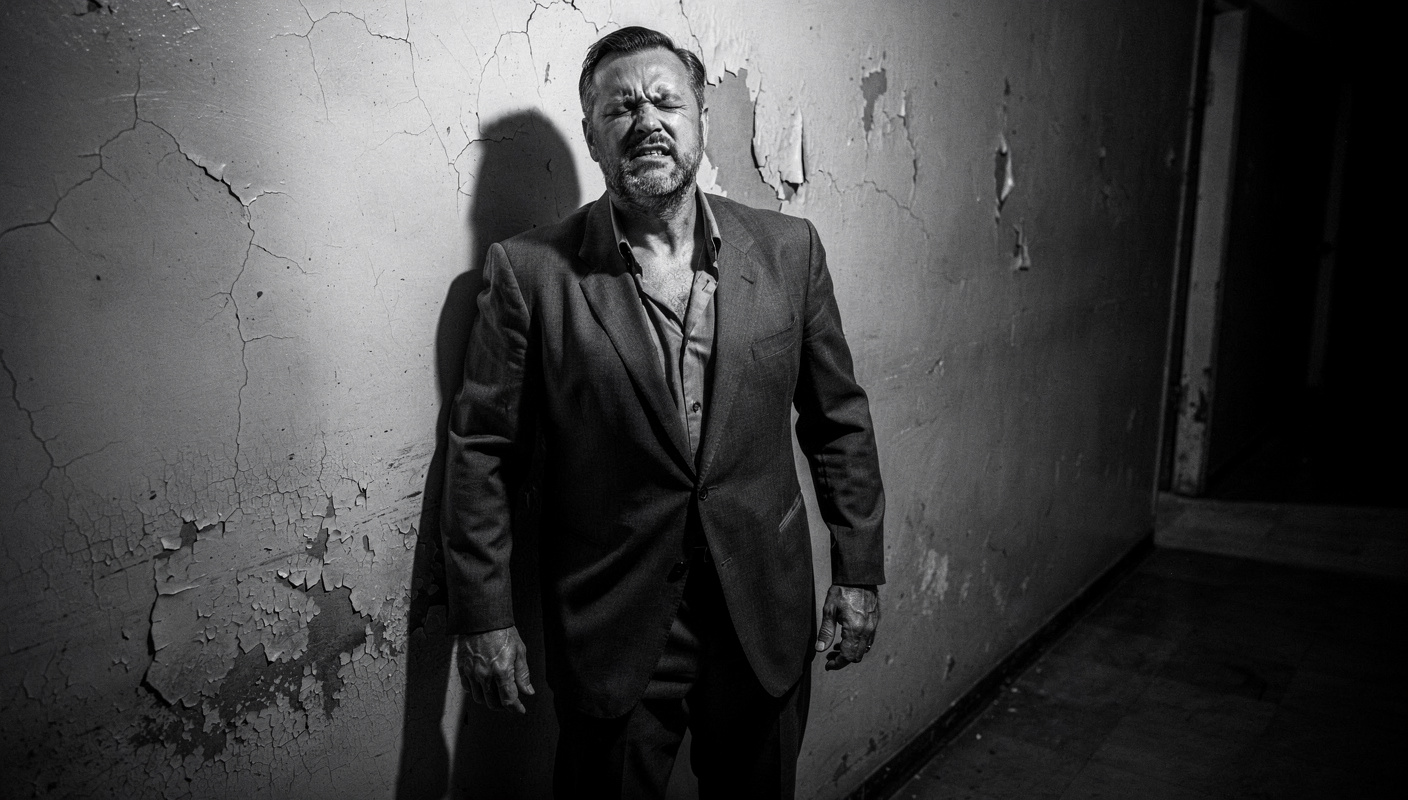
Emotional control in mediation is not about feeling nothing. It is about knowing what you feel, managing how it moves through you, and keeping your internal state from driving the room.
- Without practised self-regulation, even skilled mediators become reactive under pressure.
- Emotional coaching exercises train your nervous system before conflict tests it.
- The exercises in this article are sequenced: prepare before, regulate during, recover after.
Emotional coaching exercises are structured, repeatable practices that build a mediator's capacity for self-regulation, internal awareness, and emotional control under pressure. They train the nervous system to recognise reactive patterns early and return to a grounded, functional state without losing professional effectiveness.
A seasoned colleague of mine once described watching herself become part of the conflict she was supposed to be resolving. Two senior managers were arguing about a restructure, voices rising, blame sharpening into accusation. She told me she could feel her chest tightening, her thoughts narrowing, and before she knew it she was subtly siding with the quieter party, steering the conversation, not from neutrality but from her own discomfort. She did not notice it until the session was over. She said it took her weeks to admit that her emotional state had steered that room.
That is the particular difficulty of emotional coaching exercises as a discipline: you have to build a skill that most people believe they already have. Most mediators think they are composed. The test comes when someone across the table says something that lands personally, when the conflict mirrors something unresolved in you, when two people's pain fills the room and you have nowhere to put your own. That is when the real work begins.
What follows is a practical sequence. You will leave with a working process and a checklist you can use from your next session forward.
Why Emotional Regulation in Mediation Is Harder Than Staying Calm
There is a version of emotional control that looks like composure from the outside but is actually suppression. You hold still. You keep your face neutral. You speak in measured tones. But underneath, your nervous system is flooded. Your thinking narrows. You miss the subtle signals in the room because you are spending cognitive energy managing yourself.
This is not control. It is containment, and it has a cost.
Mediation puts you inside other people's emotional storms for sustained periods. Understanding how the amygdala hijack silently blocks performance in high-pressure moments helps explain why good mediators can lose their footing without realising it. The threat response does not wait for permission. It fires before you consciously register what triggered it.
The goal of emotional coaching exercises is not to stop you feeling. It is to train your response time between stimulus and action, so that you choose your next move rather than react to the last one.
"The Conversation You're Avoiding Is the One You Need to Have."
"The Conversation You're Avoiding
Is the One You Need to Have."
Stop rehearsing conversations you'll never have. Say It Right Every Time gives you 115 word-for-word scripts and 16 proven frameworks to speak with confidence in every conversation that matters.
What Must Be in Place Before You Begin
Two conditions make this process work. Without them, the exercises become performance rather than practice.
First, you need honest self-knowledge about your specific reactive triggers. Vague awareness that you "get affected sometimes" is not enough. You need to know which kind of conflict, which type of person, which topic, or which dynamic tends to pull you out of neutrality. A mediator who gets reactive when people use contemptuous language has a different preparation need than one who struggles when someone cries. Get specific before you begin.
Second, you need a clear signal system for your own physiological arousal. The body always moves before the mind catches up. Learn your early warning signs: a tightening across the shoulders, a shallow shift in your breathing, a particular quality of mental quickening that precedes reactive speech. Understanding what amygdala hijack looks like in real time can sharpen your ability to spot these signals in yourself before they escalate.
Once you know your triggers and your body's alarm system, the process below will actually land.
The Core Emotional Coaching Process for Mediation Practitioners
Step 1: Map Your Reactive Landscape
Before any session, spend five minutes with a single question: what in this conflict has the potential to pull me off centre?
Look at the case notes. Identify the themes, the personalities, and the power dynamics. Ask yourself honestly whether any of it mirrors something personal. Write down two or three specific moments that might challenge your neutrality. This is not catastrophising. This is preparation.
A concrete example: if you know the dispute involves a senior leader dismissing a junior's concerns, and you have your own history with that dynamic, name it. "This scenario tends to make me protective of the quieter party." Naming it gives you distance from it.
Step 2: Run a Pre-Session Grounding Sequence
Do this in the ten minutes before the session begins. Not at your desk surrounded by email, but somewhere quiet.
- Sit with both feet flat on the floor.
- Breathe in for four counts, hold for two, out for six. Repeat five times. The extended exhale activates the parasympathetic nervous system and begins to lower baseline physiological arousal.
- Scan your body from feet to crown. Notice where tension lives. Do not force it out. Simply observe it.
- Say internally, or quietly aloud: "I am here to hold the space. What happens in that room is not mine to carry."
This sequence does not make you detached. It makes you present. There is a difference.
Step 3: Use Affect Labelling in the Room
When you feel your internal state shifting during a session, name the feeling to yourself silently and precisely. Not "I feel uncomfortable" but "I am feeling a pull to rescue this person" or "I am feeling irritated by the repetition of this argument."
Research in neuroscience supports what practitioners have known for decades: naming an emotion reduces its intensity and restores prefrontal function. In mediation terms, this means you get your thinking back. You return to your role.
This skill pairs directly with the broader work of emotional intelligence in feedback conversations. The capacity to name what you are feeling, without acting on it, is the foundation of both.
Step 4: Apply a Micro-Deactivation Signal
Before you speak after an emotionally charged exchange, build in a half-beat. One breath. A deliberate pause before your next sentence. This is your circuit breaker.
Develop a physical anchor: a particular way of placing your hands, or a deliberate softening of your shoulders, that signals to your nervous system to settle. Practise this anchor outside sessions until it is automatic. In the room, it becomes a silent tool no one else can see.
If you feel significantly flooded, you are allowed to create space in the room. "I want to make sure I understand this clearly. Let me take a moment before I respond." That sentence is not a sign of weakness. It is the exercise in action.
Step 5: Use Cognitive Reappraisal to Restore Neutrality
Cognitive reappraisal means consciously shifting how you interpret what is happening. If one party's anger is triggering your defensiveness, reappraise it: "This person is frightened and expressing it as aggression. My role is not to defend against it but to help them feel heard."
This is not a trick. It is a genuine shift in perspective that changes your physiological response. You are not suppressing the reaction; you are replacing the interpretation that generated it.
A short script you can run silently: "What is this person needing right now that they cannot ask for cleanly?" That question moves you from reactive to curious, which is exactly where you need to be.
Step 6: Conduct a Post-Session Emotional Debrief
Spend ten minutes after each session with a structured self-reflection. Three questions only:
- Where did I feel my internal state shift, and what triggered it?
- Did I respond from that shifted state, or did I manage it successfully?
- What would I prepare differently next time?
Write the answers down. Over time, this record becomes your personal emotional map. You will see patterns. You will know exactly where you need more practice and which exercises to prioritise. The role of emotional intelligence in sustaining collaborative conditions is well established, and this debrief is where you build it deliberately rather than hoping it develops on its own.
Step 7: Run Weekly Trigger Rehearsal Drills
Once a week, outside of any live session, practise deliberate exposure to your known triggers using role-play or visualisation.
Sit quietly. Bring to mind a scenario where your control has slipped before. Run through it in detail: what was said, what you felt, how you responded. Then rehearse a different response. Specifically, precisely. Hear yourself saying the grounding phrase. Feel the breath. See yourself staying present and neutral.
This is not wishful thinking. It is the same rehearsal method athletes use to hardwire better responses before the pressure is real. Your nervous system does not distinguish cleanly between vivid imagination and live experience. Use that.
Adapting These Exercises for High-Conflict Mediation
In high-conflict settings, where parties are entrenched, where there is a history of harm, and where sessions can run for hours, the standard process needs reinforcing at two points.
Before: extend your pre-session grounding sequence to fifteen minutes and include a specific visualisation of the moment you anticipate being hardest. Do not skip past it. Rehearse it. Know what you will do when it arrives.
During: shorten your cognitive reappraisal loop. In intense sessions you will not have the luxury of a long internal dialogue. Compress it to one word. If contempt triggers you, your one-word anchor might be "curious." If helplessness triggers you, it might be "ground." A single word, rehearsed enough times, can return you to neutrality in seconds.
Psychological safety within the mediation space depends directly on your own regulated presence. When you are steady, the room can be unsafe for conflict and safe for resolution. When you are reactive, the room tends to mirror you.
Where Practitioners Go Wrong
The first mistake: Treating emotional preparation as optional. Why it happens: Most practitioners feel competent walking in. The need for preparation only becomes obvious after a session where control slipped. What to do instead: Make the pre-session grounding sequence non-negotiable, regardless of how routine the case looks.
The second mistake: Confusing emotional distance with emotional control. Why it happens: It feels safer to stay removed. Distance feels like professionalism. What to do instead: Practise being present and regulated, not present and disconnected. The affect labelling exercise in Step 3 is the corrective.
The third mistake: Skipping the post-session debrief when sessions go well. Why it happens: If nothing went wrong, it feels like there is nothing to examine. What to do instead: The debrief after a clean session is often your most valuable data. You learn what worked, not just what failed.
The fourth mistake: Practising these exercises in isolation and never stress-testing them. Why it happens: Solo practice is comfortable. Rehearsal with a partner or coach feels exposing. What to do instead: Periodically work through trigger rehearsal drills with a trusted colleague who can push back and create genuine emotional pressure. Mediating effectively between two parties while preserving the relationship requires that your tools hold under live conditions, not just in quiet reflection.
Your Pre-Session Emotional Control Checklist
Print this. Carry it. Use it before every session until it becomes instinct.
Before the session:
- I have reviewed the case for personal triggers and named them in writing.
- I have completed the five-breath grounding sequence.
- I have done a body scan and noted where tension is present.
- I have stated my role to myself: to hold the space, not to carry the content.
During the session:
- I am monitoring my physiological state at regular intervals.
- When I feel a shift, I name the feeling silently and precisely.
- I use the micro-deactivation pause before responding to charged exchanges.
- I apply the one-word reappraisal anchor when the situation escalates quickly.
After the session:
- I have completed the three-question debrief in writing.
- I have noted the specific moments that tested my regulation.
- I have identified one thing to prepare differently or practise before next time.
The Ground You Stand On
There is an old idea I return to often: you cannot hold a storm for someone else if you have not learned to stand in one yourself. Emotional coaching exercises are how you build that ground. Not once, and not in theory. Repeatedly, practically, honestly.
The empathy and attentiveness that create conditions for genuine resolution do not emerge from technique alone. They come from a practitioner who has done the internal work. Every mediator I have seen truly master this craft has one thing in common: they take their own emotional preparation as seriously as they take their process frameworks.
Use the checklist before your next session. Run the debrief after it. Add the weekly trigger drill to your practice schedule. Emotional coaching exercises are not supplementary to this work. They are the foundation everything else is built on.
Frequently Asked Questions (FAQ)
What are emotional coaching exercises for mediators?
Emotional coaching exercises are structured practices that help mediation professionals develop self-regulation, internal awareness, and the ability to stay grounded when conflict escalates. They include body-based grounding methods, cognitive reappraisal drills, and reflective debriefs practised between sessions.
How do emotional coaching exercises build emotional control?
They train your nervous system to recognise and interrupt reactive patterns before those patterns shape your behaviour. With consistent practice, you build the capacity to notice emotional flooding early, name what you are feeling, and return to a neutral internal state without losing your effectiveness.
How often should a mediator practise emotional coaching exercises?
Daily short practice of five to ten minutes builds more durable self-regulation than occasional long sessions. A pre-session grounding routine and a post-session debrief are the two anchors. Add a trigger rehearsal drill weekly to maintain readiness for high-conflict moments.
Can emotional coaching exercises help with amygdala hijack in mediation?
Yes. Exercises that focus on physiological slowing, affect labelling, and grounding interrupt the threat response before it overrides your judgment. Recognising the early physical signs of arousal, tightness in the chest, shortened breath, gives you a window to reregulate before the hijack takes hold.
What is the difference between emotional control and emotional suppression in mediation?
Emotional control means you recognise what you are feeling, manage its expression, and stay functionally present. Suppression means you push the feeling down without processing it, which erodes your attentiveness and often leaks into your body language. Control is active and skilled; suppression is avoidance.
How do emotional coaching exercises differ from general mindfulness practice?
General mindfulness builds broad awareness and calm. Emotional coaching exercises are specifically calibrated to the demands of mediation: they rehearse the triggers you will actually face, train your response to escalating affect in others, and build the particular kind of steadiness that high-conflict work requires.