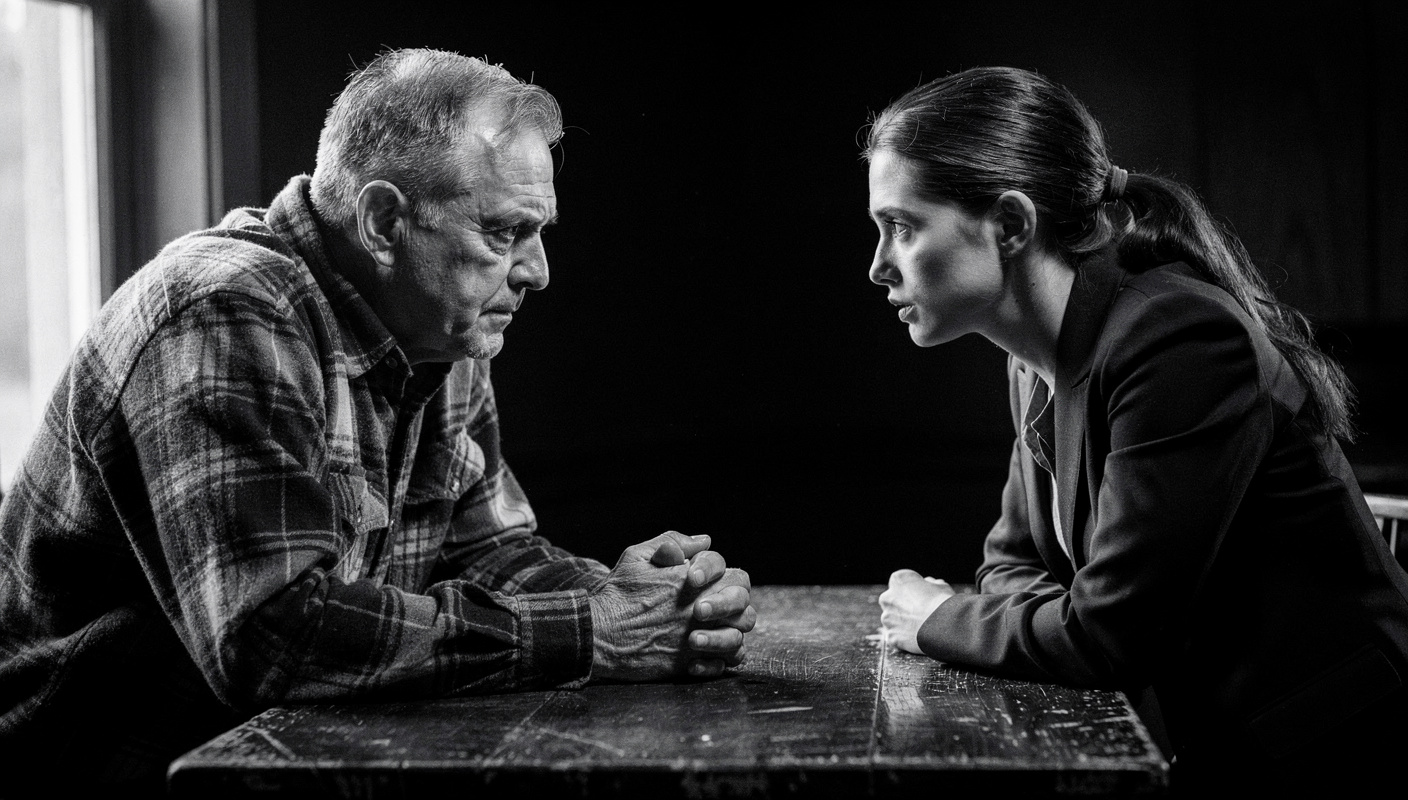

In Short
Emotional control under stress is not about hiding how you feel. It is about what you do with it in the moment that matters most.
- Leaders set the emotional tone of every room they enter, especially under pressure.
- One unguarded reaction can undo weeks of trust-building with a team.
- Composure is a learned skill, not a personality type, and it is visible to everyone watching.
Emotional resilience stress is the capacity to manage your internal emotional state during high-pressure situations so that your response remains deliberate rather than reactive. It means feeling discomfort without letting that discomfort control your words, your tone, or your decisions.
I watched a manager walk into a crisis meeting already defeated. Her face was tight, her shoulders drawn in, and before she had spoken a single word, her team of five had read every signal. The room went quiet in the wrong way. That silence was not calm. It was contagion. What I learned that afternoon was something no definition ever captured for me: emotional resilience under stress is not private. It is public. It broadcasts. And the people around you adjust their own behavior to match it, often without knowing they are doing so.
These examples are not here to show you perfect leaders. They are here to help you recognize emotional control in the real world, in the half-second decisions and small physical tells that determine whether a room steadies or spirals.
What to Watch for Before You Read the Examples
Most people watch for explosions. The raised voice, the slammed folder, the cutting remark. Those are obvious. The subtler signals are what this article is really about.
Watch for tone shifts. A leader whose voice drops and slows when pressure rises is exercising control. One whose voice tightens and accelerates is losing it. Watch for posture. Watch who speaks and who goes quiet. Watch how long it takes before someone in the room adjusts their own behavior to mirror the leader's. That lag time tells you everything about how much authority the leader's emotional state actually carries.
"The Conversation You're Avoiding Is the One You Need to Have."
"The Conversation You're Avoiding
Is the One You Need to Have."
Stop rehearsing conversations you'll never have. Say It Right Every Time gives you 115 word-for-word scripts and 16 proven frameworks to speak with confidence in every conversation that matters.
Five Moments Where Emotional Control Was Visible
Example 1: The Project That Fell Apart Two Days Before Launch
A senior project manager received word at 4 p.m. on a Wednesday that a critical vendor had pulled out. The launch was Friday. Her team of eight watched her read the message at the front of the room.
She put her phone face-down. She took one slow breath through her nose, and she said, "All right. Tell me what we have." Not what went wrong. Not who was responsible. Just: what do we have. Her voice was quieter than usual, not louder.
Within the hour, her team had rebuilt the plan. Not because the situation was not serious. It was. But because she had signaled, through her body and her tone, that panic was not an option and therefore the team did not reach for it.
This is what emotional resilience looks like before it produces a single word. It lives in the breath, the pause, and the question you choose when every instinct is pushing you toward blame.
Example 2: The Budget Meeting That Went Sideways
A finance director faced a room of department heads who were all furious about budget cuts. One colleague, a man known for his sharp tongue, said publicly that the cuts were "incompetent and short-sighted."
The director's jaw tightened. Everyone saw it. But he did not respond immediately. He looked directly at the man and said, "That is a strong word. Tell me what you are most worried about losing." His tone was level. Curious, even.
What he did in that moment was redirect without retreating. He acknowledged the emotional heat without matching it. By asking a genuine question, he forced the conversation from attack into substance. The room took its cue and followed.
This is the quiet power of emotional intelligence in conflict. You do not win by winning the argument. You win by refusing to let the argument stay at the level of heat.
Example 3: When Control Failed and the Team Paid the Price
Here is the one that cost someone dearly. A new team of six was three weeks into a challenging restructure when their manager, under pressure from above, walked in on a Monday morning and began the meeting by announcing, "I am going to be honest with you. Leadership has no idea what they are doing, and I am exhausted." He then spent twenty minutes venting, ending with, "I don't even know why we are here today."
He felt better. He had been honest. His team went silent and stayed silent for the rest of the meeting, and for much of the week.
What he had done was transfer his fear directly into the people who needed him most to be steady. He thought he was being transparent. He was being unregulated. There is a real difference. Transparency means sharing relevant truth in service of the work. Venting means discharging your own discomfort at the expense of the room.
Two of those six team members later said separately that the restructure itself did not worry them. That Monday did. Psychological safety requires a leader who does not make the team responsible for managing his emotions.
Example 4: The One-to-One That Could Have Ended Badly
A team leader called in a long-serving employee to discuss performance concerns. The employee, caught off guard and frightened, became defensive immediately. Within two minutes she was speaking loudly and the team leader felt his own temperature rise.
He paused. He looked down at his notes, not to read them, but to give himself three seconds. Then he said, "I want to understand this from your side. Let me stop talking and hear you."
He did not feel calm. He felt irritated and slightly ambushed. But he knew that his job in that room was not to discharge his feelings. His job was to keep the conversation moving in a direction that served her and the team.
She spoke for four uninterrupted minutes. By the end, she had said things he had not known, and the conversation that followed was different in quality from the one that had almost happened. The role of emotional intelligence in de-escalation is nowhere clearer than in these one-to-one moments where no one is watching but the cost is entirely real.
Example 5: The Leader Whose Stillness Changed the Room
A new hire had made a significant error on a client proposal, one that would require two days of repair work from a team that was already stretched. The managing director found out in a group setting, with six people present.
She went very still. No sharp breath, no visible frustration, no searching glance at the new hire. She simply said to the room: "Let us figure out the fastest path through this." She assigned tasks clearly, thanked people for staying focused, and closed the meeting in twelve minutes.
She spoke to the new hire privately that afternoon, directly and without cruelty. The team noticed all of it. They noticed the stillness, the speed, the lack of spectacle. Several of them later said that moment changed how much they trusted her.
That trust is the long return on a single act of composure. Building that kind of team trust takes many moments, but a single moment of real grace under fire can anchor it.
The Pattern Running Through All of These
Three things show up consistently across these examples, and they are not the things people usually expect.
The first is the pause. Every leader who held steady created a small gap between the trigger and the response. It was never dramatic. A breath, a look down, a single quiet question. That gap is where emotional control actually operates. It is not the restraint that happens across minutes. It is the restraint that happens across seconds.
The second is the redirect. Leaders who maintained composure consistently moved the conversation from heat to substance. They did not suppress the emotion in the room. They redirected its energy toward something useful. "Tell me what you are most worried about" is not a therapy technique. It is a practical tool that moves a stuck conversation forward.
The third pattern is the most important one, and the most uncomfortable: the team mirrors the leader faster than the leader realizes. This connects directly to what happens during an amygdala hijack in group settings. When the leader's nervous system fires, the team's nervous system fires in response. The signs of this spreading reactivity are subtle but unmistakable once you know to look for them. Example 3 shows that cost in the rawest form. The manager who believed he was being transparent was actually being contagious. His team did not need his honesty in that moment. They needed his steadiness.
What These Examples Ask of You
Reading these examples, it is easy to recognize the leaders who got it right and feel a comfortable distance from the one who did not. I would ask you to close that distance.
Think of the last time you entered a room already carrying something. Frustration from a call. Anxiety about a decision above you. Fatigue that had been building for days. Think of what your face communicated before you spoke. Think of who adjusted their behavior in response.
Emotional resilience under stress is not a trait reserved for the composed and the naturally steady. It is a practice, and every piece of it is learnable. The pause. The redirect. The quiet question. The choice to carry your weight without setting it down in the room. That practice shapes honest communication and the kind of environment where your team can bring real problems to you rather than managing them around you.
Start with the pause. That is where all of it begins.
Frequently Asked Questions (FAQ)
What is emotional resilience under stress?
Emotional resilience under stress is the capacity to manage your internal state during high-pressure moments without letting it drive your behavior. It means feeling the discomfort fully but choosing your response deliberately, rather than reacting from instinct or fear.
How do leaders model emotional control in conflict?
Leaders model emotional control by staying physically steady, lowering their voice rather than raising it, and naming the problem without attacking the person. The team reads the leader first. When the leader holds steady under fire, the team learns that staying calm is possible.
Can you learn emotional resilience if you are naturally reactive?
Yes. Reactivity is not a fixed trait. It is a trained pattern. With practice, you can recognize your early warning signs, slow your physical response, and create a gap between the trigger and your reply. That gap is where emotional control lives.
What does it look like when emotional control fails under stress?
When emotional control fails, you often see sharp tone shifts, interrupting, dismissing ideas without examination, or a cold withdrawal that shuts conversation down. The cost is not just that moment. It signals to the team that emotions run the room, and trust erodes quickly.
How does a leader recover after losing emotional control at work?
Recovery requires acknowledgment, not just moving on. Name what happened, take direct responsibility without deflecting, and make clear what you will do differently. Teams forgive leaders who own their failures honestly far more readily than those who pretend nothing occurred.
Why does emotional control matter more during team conflict?
During conflict, emotions spread fast. One person's panic or anger becomes the group's panic or anger within minutes. The leader who holds steady interrupts that contagion. Their composure gives others permission to stay regulated and think clearly rather than react defensively.