
In Short
Emotional balance during conflict is not about suppressing what you feel. It is about building the capacity to stay present with strong emotion without being controlled by it.
- Mindfulness practices train your nervous system before conflict arrives, not after.
- The pause between trigger and response is a skill you can lengthen with daily practice.
- Consistent, simple techniques matter far more than complicated routines you never use.
Mindfulness practices balance refers to the use of deliberate, present-moment awareness techniques to regulate emotional reactivity. Applied consistently, these practices strengthen your capacity to stay grounded under pressure, so that conflict triggers a considered response rather than an automatic one.
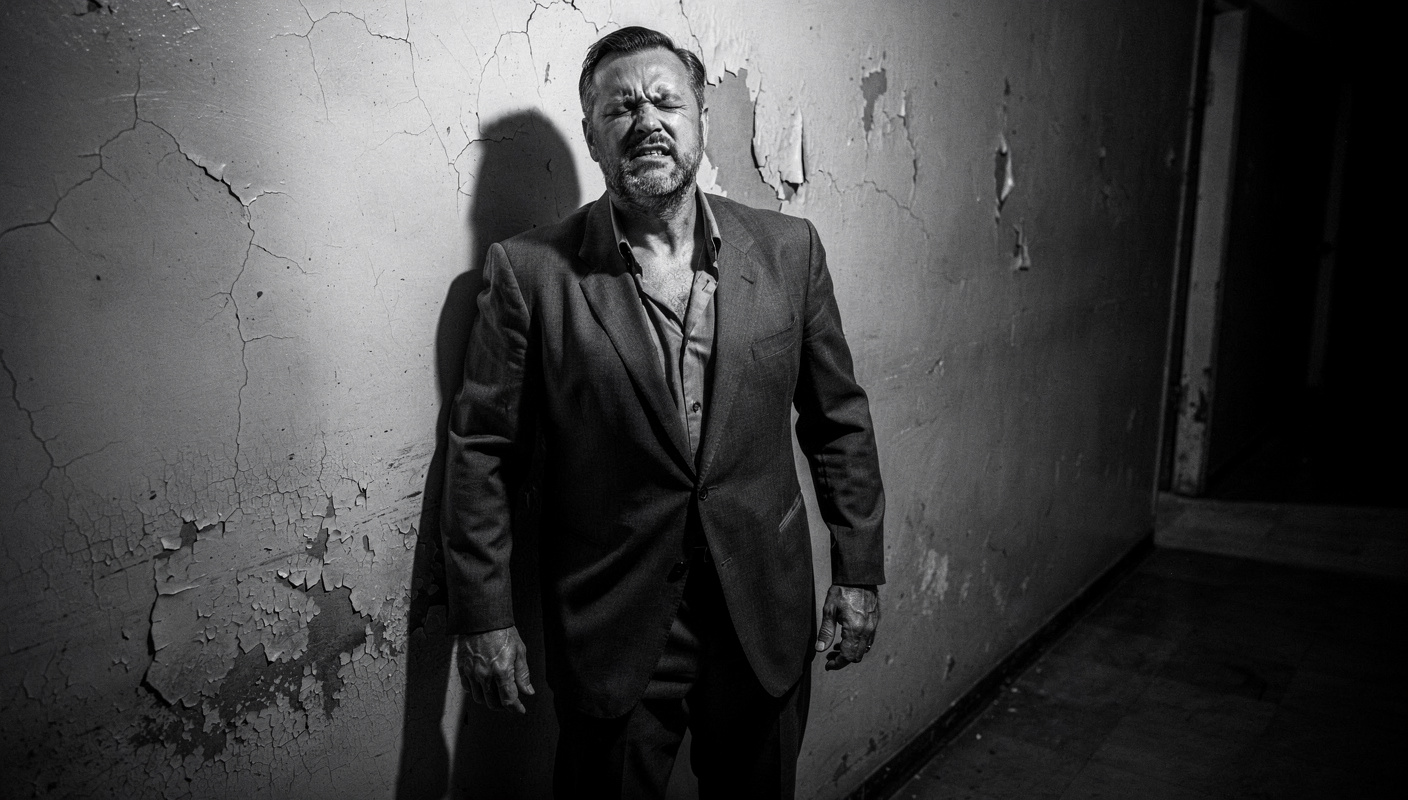
I watched a colleague destroy a five-year working relationship in about ninety seconds. A disagreement about project timelines turned sharp. He felt undermined, and before anyone could blink, he said things that could not be unsaid. He was not a bad person. He was simply flooded. His body had decided this was a threat, and his mouth was already moving before his brain had a chance to catch up. He told me later that he had seen it coming. He had felt the heat rising in his chest for several minutes before he spoke. He just had no way to do anything about it. That is exactly what mindfulness practices balance is designed to solve. Not the feeling itself, but the gap between the feeling and the action you take next.
Why Emotional Regulation in Conflict Feels So Difficult
Here is the truth of it. When conflict arrives, your body does not wait for your permission. Your chest tightens, your jaw sets, your thoughts narrow. This is a physiological process, not a character flaw. Your nervous system has been wired over thousands of years to respond to social threat much the same way it responds to physical danger. By the time you are consciously aware of being triggered, you are already mid-reaction.
The difficulty is not that people lack the intention to stay calm. Most people who lose their composure in conflict genuinely wanted to handle it differently. The problem is that they trained nothing. They assumed good intentions would be enough. They were not. What is the amygdala hijack and how it operates under pressure is worth understanding, because it explains precisely why willpower alone collapses when emotions run high.
Mindfulness does not remove the emotional charge from conflict. It builds something more useful: the capacity to stay present with that charge without being swept away by it.
"The Conversation You're Avoiding Is the One You Need to Have."
"The Conversation You're Avoiding
Is the One You Need to Have."
Stop rehearsing conversations you'll never have. Say It Right Every Time gives you 115 word-for-word scripts and 16 proven frameworks to speak with confidence in every conversation that matters.
What Needs to Be in Place Before You Begin
Before any practice works under pressure, two things must be true.
First, you must already have some honest awareness of your own triggers. This is not deep psychological excavation. It is simply knowing which situations, tones, or words tend to light the fuse for you specifically. If you do not know your early warning signs, no technique will catch the reaction in time.
Second, you must be willing to practise when you do not need it. This is where most people fall short. They pick up a mindfulness technique during a crisis and are surprised when it fails them. A tool you have never held before will not perform when your hands are shaking. These practices must become habitual in quiet moments before they become reliable in difficult ones.
Understanding the role of emotional intelligence in team synergy will help you see why this kind of self-regulation is foundational, not supplementary, to how you function in any team environment under stress.
A Working Process for Building Emotional Balance Through Mindfulness
This sequence is ordered deliberately. Each step prepares the ground for the next. Do not jump to step four because it sounds more interesting. Build the foundation first.
Map your personal trigger pattern. Start by identifying the physical sensations that arrive before you lose composure. For most people, it is something in the body: heat in the face, tightness across the shoulders, a shortening of breath. For others, it is a sudden narrowing of thought, where everything outside the conflict disappears. Spend one week simply noticing these sensations as they arise in ordinary frustrating moments, not just major conflicts. Write down what you notice. You are building a personal early warning system. Without this map, every other step is guesswork.
Establish a daily anchor practice. Choose one simple breathing technique and practise it every morning for five minutes, regardless of how you feel that day. A reliable method: inhale for four counts, hold for four, exhale for six. The extended exhale directly activates the parasympathetic nervous system, which counteracts the stress response. You are not doing this because you are stressed. You are doing it to make the calming pathway in your nervous system wider and more accessible, so it is there when you need it urgently.
Use a body scan to build present-moment awareness. Once daily, take three minutes to move your attention slowly from your feet to the top of your head, noticing areas of tension without trying to change them. This is not relaxation for its own sake. It is training your attentional control, your ability to direct your focus deliberately rather than have it pulled by whatever is loudest. In conflict, this skill lets you stay present with what is actually happening rather than spinning into rumination about what it means or what you should have said.
Develop a personal grounding cue. This is your in-the-moment tool. Pick a physical action you can perform invisibly during a conversation: pressing both feet firmly into the floor, placing your palm flat on the table, or taking one slow, deliberate exhale through the nose. Practise this cue every day during your morning breathing practice, pairing the physical action with the calm, regulated state you have created. Over time, the cue begins to summon the state. When you use it during a tense exchange, your nervous system has a reference point to return to.
For example: before a difficult conversation, you might press both feet down, take one slow exhale, and say silently to yourself, "I am here." That three-second sequence, practised daily for a month, becomes a reliable anchor when your physiological arousal starts to spike.
Build a pre-conflict preparation habit. Before any conversation you know will be emotionally charged, take five minutes alone. Not to rehearse arguments, but to do three things: check your body for current tension and release what you can, remind yourself of the outcome you actually want from this conversation, and set a single intention for how you want to show up. "I want to listen before I respond" is enough. This pre-conflict routine lowers your baseline reactivity before the conversation begins. How to use the C.O.R.E. Framework to stay calm when feedback triggers a defensive reaction pairs well with this step if the conversation involves performance feedback.
Practise the pause in low-stakes situations. Before you can hold a pause under genuine pressure, you need to build the muscle in ordinary friction. When a colleague says something that mildly irritates you, practise not responding for three full seconds. When a small frustration arises, use your grounding cue before you speak. These micro-practices are not trivial. They are the field training that makes the pause available to you when the stakes are real. You cannot borrow a habit you have not built.
Review and recalibrate after each difficult interaction. After a high-conflict moment, spend five minutes with a simple question: where did my emotional regulation hold, and where did it break down? Not to judge yourself, but to refine your personal map from step one. This reflective practice is what separates people who gradually get better at emotional control from those who keep reacting the same way for decades. Growth lives in the honest review, not the performance itself.
Adapting This Process for Remote and Hybrid Work
Remote conflict has a specific quality that makes emotional regulation harder. There are no physical cues to read, no shared room atmosphere, and the lag in video calls compresses social signals in ways that make misreading tone almost inevitable.
When you cannot see someone's full posture or expression, your brain fills the gap, often with threat. A short reply in a message reads as cold. A long silence on a call reads as disapproval. Your nervous system reacts to what it imagines, not just what is real. What is psychological safety and how it drives team synergy speaks to this dynamic directly: without a foundation of trust, remote teams interpret ambiguity as danger.
For remote conflict, your grounding cue becomes even more important because you have fewer environmental anchors. Add one practice: before joining any video call you expect to be difficult, stand up for sixty seconds and breathe slowly. The physical reset interrupts the anticipatory anxiety that builds up before the call begins. And after the call, give yourself a ten-minute buffer before your next commitment. The emotional residue of conflict does not disappear when you close a window.
The Three Mistakes That Undermine Emotional Balance
The mistake: Practising only when you feel calm, then expecting the technique to work under pressure.
Why it happens: Mindfulness is often taught as a stress-relief tool rather than a performance skill, so people reach for it reactively rather than building it proactively.
What to do instead: Commit to daily practice of your chosen technique regardless of your emotional state that day. The practice is not about how you feel in the moment; it is about conditioning your nervous system over time.
The mistake: Confusing emotional suppression with emotional control.
Why it happens: Most people were taught to manage conflict by appearing unaffected. This creates a dam, not a channel. The pressure builds and eventually breaks.
What to do instead: Use your body scan and breathing practices to acknowledge what you feel before a difficult conversation, not during it. Emotion acknowledged has less force than emotion ignored. Emotional intelligence in feedback conversations explores this distinction in the context of performance conversations specifically.
The mistake: Treating a single mindfulness technique as sufficient across all conflict types.
Why it happens: When one tool works in one situation, people assume it will work everywhere.
What to do instead: Build a small repertoire: a daily practice for baseline regulation, a pre-conflict routine for preparation, and a grounding cue for in-the-moment steadiness. Each serves a different function. You need all three.
Your Emotional Balance Check: A Practical Before-and-After Tool
Use this before and after any high-conflict conversation. Honesty is the only requirement.
Before the conversation:
- Have I done my daily practice in the last twenty-four hours?
- Do I know which specific trigger this conversation is likely to activate in me?
- Have I completed a five-minute pre-conflict preparation, including body check, desired outcome, and single intention?
- Is my grounding cue active and accessible?
- Am I entering this conversation at a physical state where I can genuinely listen?
During the conversation:
- Am I using my grounding cue when I notice tension rising?
- Am I responding to what is actually being said, or to what I fear it means?
- Have I taken at least one three-second pause before a response that matters?
After the conversation:
- Where did my emotional regulation hold?
- Where did it break down, and what was the early warning sign I missed?
- What is one adjustment to my daily practice or preparation routine based on what I just learned?
How psychological safety enables honest communication and sustains team synergy offers useful context on why the environment you practise in matters as much as the technique itself.
When the Practice Meets the Pressure
I have made every mistake in this article. I have told myself I did not need to practise because I was feeling fine. I have confused gritted silence with emotional control, and I have paid for it in conversations that took weeks to repair. What I know now, after six decades of getting this wrong and slowly getting it less wrong, is that emotional balance in conflict is not a gift some people have. It is a ground you clear, a little at a time, through unglamorous daily work.
How to use the C.O.U.R.A.G.E. Method to deliver feedback you have been avoiding is worth reading alongside this process, because the moment your emotional regulation holds long enough to have a courageous conversation, you need a method for that conversation too.
The mindfulness practices balance described here will not make conflict painless. Nothing does. But they will make you someone who can stay in the room with difficult emotion long enough to do something useful with it. That is the real measure of emotional control: not that you feel nothing, but that what you feel does not speak for you before you are ready.
Frequently Asked Questions (FAQ)
What are mindfulness practices for emotional balance?
Mindfulness practices for emotional balance are deliberate, present-moment awareness techniques that interrupt automatic emotional reactions. They include breathwork, body awareness, and present-moment focus. Used consistently before and during conflict, they help you stay grounded rather than reactive when tension rises.
How do mindfulness practices improve emotional control in conflict?
Mindfulness practices improve emotional control by creating a pause between the trigger and your response. That pause is where your judgement lives. With regular practice, you train your nervous system to stay regulated under pressure, so you can think clearly and speak deliberately instead of reacting instinctively.
Can you use mindfulness practices during an active conflict?
Yes, but the most effective practices are used before conflict escalates, not in the middle of it. Brief grounding techniques, such as a slow exhale or pressing your feet into the floor, can steady you mid-conversation. The real power comes from daily preparation that lowers your baseline reactivity over time.
How long does it take mindfulness practice to improve emotional balance?
Most people notice a meaningful difference in their emotional reactivity within three to four weeks of daily practice. The changes are not dramatic at first. You simply notice the pause before you react getting slightly longer. Over months, that pause becomes a reliable resource you can trust under real pressure.
What is the biggest mistake people make with mindfulness for emotional control?
The most common mistake is practising only when calm and then expecting it to work under pressure. Mindfulness for emotional control must be trained daily, in ordinary moments, so the habit is already wired in when conflict arrives. Occasional practice produces occasional results, and that is not enough when it matters.
How does mindfulness help when you feel emotionally triggered at work?
When you feel triggered, your body tightens and your thinking narrows. Mindfulness gives you a physical anchor, a breath, a grounded posture, a deliberate pause, that interrupts the automatic stress response. Over time, you learn to recognise the early signs of being triggered before they control your words and decisions.