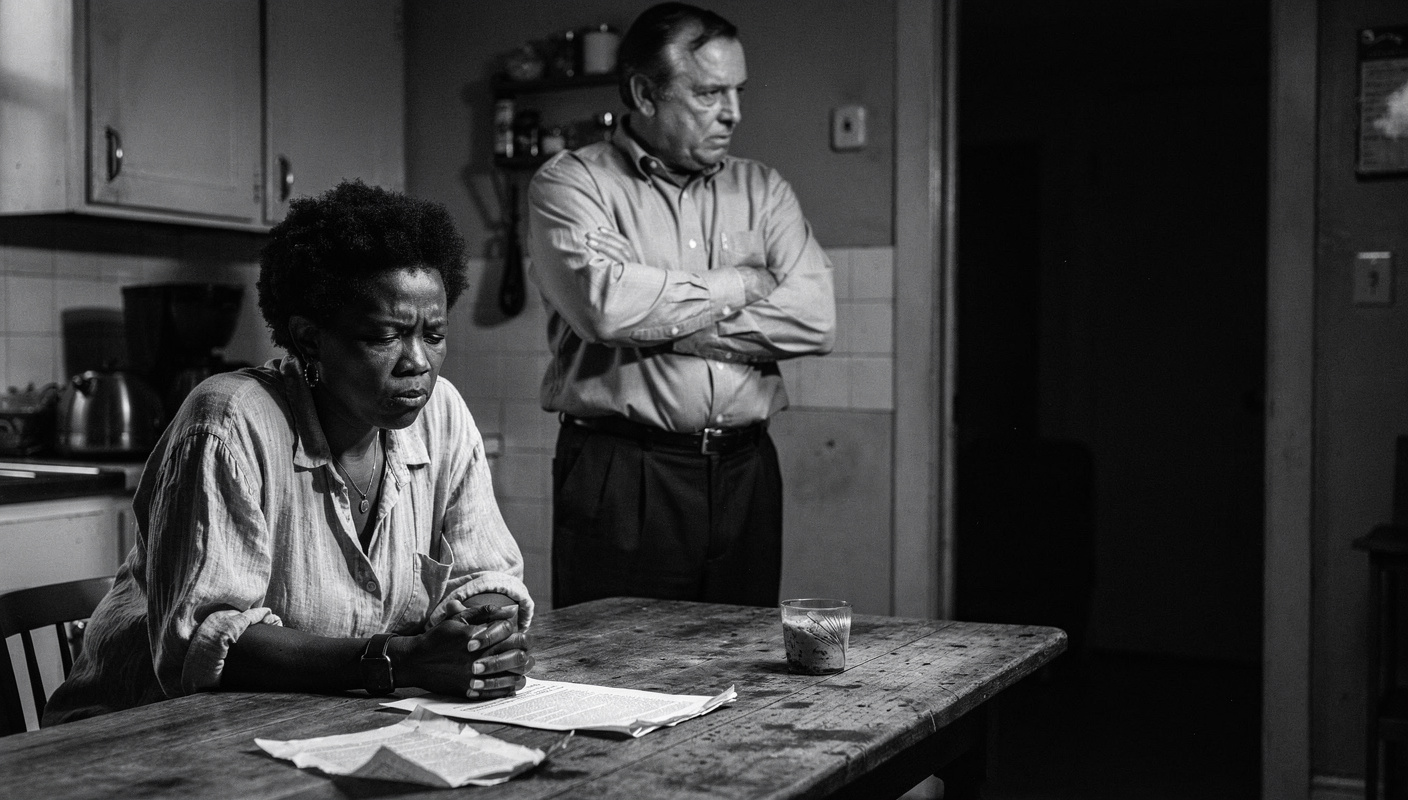

In Short
Tolerating toxic traits is not a knowledge problem. It is a doing problem, and the gap between those two things is kept open by fear, normalisation, and the social cost of acting.
- Recognition alone does not produce action; something else must shift first.
- Toxic traits persist partly because we unconsciously lower the cost of staying silent.
- Closing the gap requires naming the behaviour, calculating its real cost, and preparing a direct response.
Tolerating toxic traits means accepting a consistent pattern of harmful behaviour without taking action to address or change it. It involves staying in a dynamic that you recognise as damaging, while the cycle of harm continues unchallenged.
The Knowledge That Does Not Move You
Here is something I have noticed across sixty years of watching people communicate. Most people who tolerate toxic traits are not confused. They know exactly what is happening. They can name the pattern with striking precision: the colleague who undermines people in meetings, the manager who dismisses every concern with a smirk, the team member whose passive hostility slowly poisons every collaboration.
They know. And they stay silent.
This is the central puzzle. We tend to treat communication problems as information problems. If someone understood more clearly, we think, they would act differently. But tolerating toxic traits is rarely a knowledge problem. The understanding is already there. What is missing is the bridge between recognition and response.
That bridge is what this article is about. By the end, you will not just understand that a gap exists. You will understand precisely why it stays open, and what it takes to close it.
"The Conversation You're Avoiding Is the One You Need to Have."
"The Conversation You're Avoiding
Is the One You Need to Have."
Stop rehearsing conversations you'll never have. Say It Right Every Time gives you 115 word-for-word scripts and 16 proven frameworks to speak with confidence in every conversation that matters.
Why Recognition Does Not Equal Response
The moment you notice toxic traits in someone's behaviour, your mind immediately runs a calculation. It is fast, mostly unconscious, and it shapes everything that follows. The calculation is not: "Is this harmful?" You already know it is. The calculation is: "What will it cost me to say something?"
That cost can be social. You might damage a relationship, create conflict, or become the person who made things awkward. It can be professional. You might be seen as difficult, dramatic, or a poor fit for the culture. It can be emotional. Confronting toxic behaviour requires energy, and many people are already running on empty. When the cost of acting feels higher than the cost of absorbing the harm, silence wins.
This is not weakness. It is a rational, if painful, response to a genuine dilemma. The problem is that the cost calculation is almost always wrong.
When you tolerate toxic traits over time, the cost of the behaviour compounds quietly. The draining colleague does not become easier to work with. The dismissive manager does not grow more respectful. The passive aggression does not soften. What actually happens is that your threshold for what you will accept rises, making each new incident feel just barely bearable, and the total harm invisible.
How Toxic Traits Become the Background Noise
There is a process I have watched unfold in workplaces, in families, and in friendships too many times to count. It moves in three stages, and it is worth naming each one clearly.
First, there is the incident. A toxic behaviour occurs and it registers. You notice the manipulation, the cruelty, the dishonesty, or the contempt. Something in you says: that is not right.
Second, there is the explanation. You find a reason that makes the behaviour more bearable. They are under pressure. They had a difficult background. That is just how they are. The explanation is not always wrong. But it functions as a reason to defer action rather than a reason to understand the person.
Third, there is normalisation. Over time, the explanation becomes the default. The behaviour is no longer an incident requiring a response. It is simply a feature of the landscape. You have stopped seeing it as a choice they make and started seeing it as a fact of life. This is when tolerating toxic traits stops being a decision and starts being a habit.
This is why people often respond with genuine surprise when someone outside the situation names the behaviour clearly. You have stopped seeing it. The cost has been rising for months, and your perception has been adjusting to match.
What It Looks Like When the Gap Is Open
Let me give you three situations that illustrate this in practice. Each one is ordinary. Each one is familiar.
A team member takes credit for other people's work in front of leadership. Everyone notices. No one says anything, because speaking up feels like a bigger risk than staying quiet. Over time, the person's behaviour escalates, because it has been met with silence and silence reads as permission. The team's trust in leadership erodes. Quietly, the strongest people start looking for the exit. Understanding what psychological safety means for a team makes it clear why this silence does so much damage.
A manager delivers feedback with contempt. Not occasionally. Consistently. Their reports tell themselves it is just their communication style. They adjust their own behaviour to avoid triggering the worst reactions. They begin to manage the manager rather than their own work. The toxic trait has restructured how the entire team operates, and no one has said a word.
A peer uses sarcasm as a weapon in team meetings. It is subtle enough to be deniable. Anyone who calls it out risks looking oversensitive. So no one does. The passive-aggressive behaviour erodes the team's synergy slowly and systematically, and the gap between knowing and acting stays open because the cost of closing it feels too high.
In all three cases, the knowledge is present. What is absent is the practical preparation to act on it.
Why the Gap Stays Open So Long
There are three forces that keep the gap between knowing and acting wide open. Understanding them is not enough to close the gap, but it is where closing it has to begin.
The first is the social contract of endurance. In most professional settings, tolerance is rewarded. Being easy to work with, not making things difficult, keeping the peace: these are seen as virtues. When you address a toxic trait directly, you are often seen as the disruptor, even if the behaviour you are addressing has been the real source of disruption all along. This inverts the moral logic of the situation, and it keeps people quiet.
The second is the comfort of ambiguity. Toxic traits frequently come packaged in ways that make them deniable. Was that comment dismissive or just blunt? Was that behaviour controlling or just thorough? Ambiguity is not an accident. It is often the mechanism that makes the behaviour durable. When you cannot be certain, you cannot act with confidence. And so you wait for clarity that rarely arrives.
The third is emotional exhaustion. Avoiding difficult conversations takes energy too, though we rarely account for it that way. Every time you absorb a toxic behaviour without responding, you carry it. It sits in you. It occupies space. After enough of this, the idea of addressing the behaviour feels not just frightening but simply too heavy to lift.
I cover this mechanism in depth in Say It Right Every Time, which unpacks the rehearsal trap: the cycle where we keep telling ourselves we will address something when the moment is right, and the moment never comes because we have not prepared for it. The gap between knowing and doing is almost never closed by waiting. It is closed by preparation.
Closing the Gap: What Actually Works
Insight without direction is just comfortable suffering. Here is what the analysis actually means for how you act. Each point has one consequence and one practical move.
The cost calculation is distorted. You are weighing the discomfort of acting against a filtered version of the cost of staying silent. Recalculate. Write down, plainly and specifically, what tolerating this behaviour has already cost you and your team. Not a vague sense of unease. Specific costs: trust lost, time wasted, quality of work affected, people discouraged. The action: Calculate the real cost before you decide whether speaking up is worth the risk.
Ambiguity is serving the behaviour. Stop asking whether the behaviour is definitely toxic. Start asking whether it is consistently causing harm. The pattern matters more than any single incident. Naming the behaviour specifically, not the person's character, is what makes the conversation possible. The action: Identify two or three specific, concrete examples of the behaviour before any conversation happens.
Preparation is the bridge. The gap between knowing and doing is not primarily about courage. It is about readiness. When you do not know what to say, your brain defaults to silence. When you have a clear, calm script, action becomes far less costly. For practical scripts and frameworks built for exactly this kind of conversation, see Say It Right Every Time. The action: Write out your opening two sentences before any conversation. Not to read from, but to settle your thinking.
One small action breaks the pattern. You do not need to resolve everything in a single conversation. Starting a difficult conversation once changes the dynamic. It signals that silence is no longer guaranteed. It recalibrates how the other person reads the situation. The action: Choose the lowest-stakes version of the response and take it. Even a short, clear observation changes the ground beneath you.
Understanding how empathy bridges and I-statements work in difficult conversations gives you the tools to address toxic behaviour without triggering defensiveness. The tools matter. But they only work once you have decided to use them.
The Gap Is a Choice, Even When It Does Not Feel Like One
Here is the truth of it. Every day you go without addressing a toxic trait, you are making a choice. Not a dramatic one. A quiet one, made by default. The absence of action is still a decision, and it carries consequences as real as any conversation you might have.
The gap between knowing and doing is not a character flaw. It is a completely human response to a genuinely difficult situation. But it does not close on its own. It does not close because you understand it better or because you feel more certain. It closes when you prepare, when you accept that discomfort is the price of clarity, and when you decide that tolerating toxic traits has cost enough. That decision is yours. And you are ready for it.
Frequently Asked Questions (FAQ)
What does tolerating toxic traits actually mean?
Tolerating toxic traits means staying in a situation where someone is consistently causing harm through their behaviour, while choosing not to address or change it. It includes accepting the behaviour as normal, minimising its impact, or repeatedly forgiving without any change taking place.
Why do people keep tolerating toxic traits even when they know better?
Knowing that behaviour is toxic does not automatically produce the courage to act. Social costs, fear of conflict, emotional exhaustion, and the gradual normalisation of harmful patterns all create a gap between recognition and response. Awareness alone rarely bridges that gap.
How do you stop tolerating toxic traits in the workplace?
Start by naming the specific behaviour clearly, not the person's character. Then identify the exact cost it is creating for you or your team. Prepare a direct, calm response using specific examples. Taking even one small action breaks the cycle of passive tolerance and builds momentum.
What makes toxic traits different from ordinary difficult behaviour?
Ordinary difficult behaviour tends to be situational and responsive to feedback. Toxic traits are consistent patterns that persist regardless of the impact they cause. They repeat across different contexts, affect multiple people, and continue even when the person is aware of the harm they create.
Is tolerating toxic traits ever the right choice?
Occasionally, a short-term tolerance is strategic, such as managing a situation while you prepare a proper response. But ongoing tolerance without action is rarely a choice. It is usually avoidance dressed up as patience. The distinction is whether you have a plan or whether you are simply hoping the problem resolves itself.
How does psychological safety relate to tolerating toxic traits?
When psychological safety is low, people feel the cost of speaking up is too high. This makes tolerating toxic traits far more likely, because the risk of addressing the behaviour feels greater than the risk of staying silent. Building safety in a team creates the conditions where naming harmful patterns becomes possible.