
In Short
You can confront gaslighting toxic traits with confidence when you build written records that anchor you to verifiable facts before any conversation begins.
- Document incidents on the day they happen, with specific dates, words, and witnesses.
- Use your records to prepare a clear, calm script before the confrontation.
- Present facts without accusation, and let the documented evidence do the heavy lifting.
Gaslighting toxic traits describe a pattern of behavior where one person systematically distorts another's memory of events, denies things they said or did, and manipulates the target into doubting their own perception of reality, eroding their confidence and judgment over time.
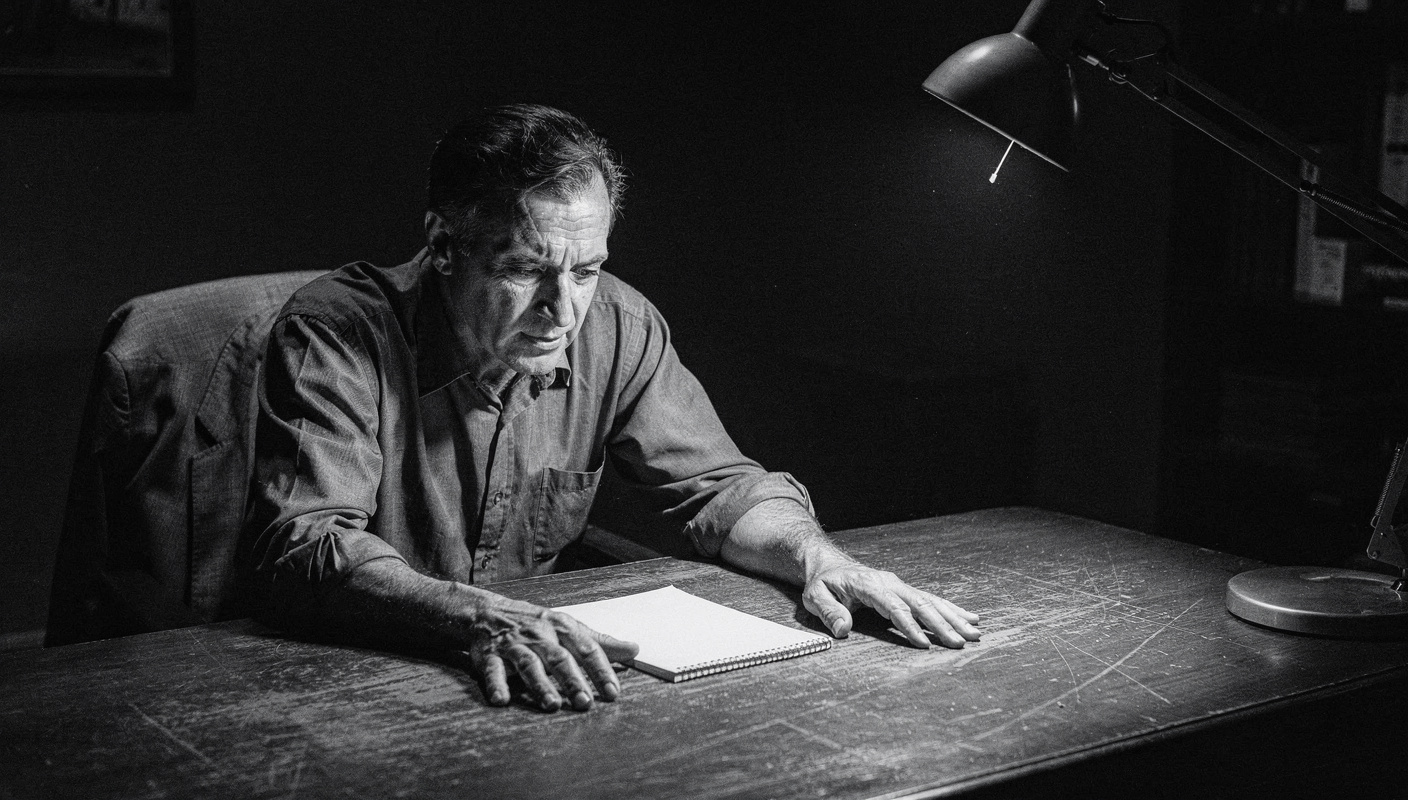
There is a particular kind of exhaustion that comes from being told, repeatedly, that something you clearly remember simply did not happen. I watched a colleague of mine, a sharp and capable woman, spend eight months second-guessing every instinct she had at work. Her manager had a gift for rewriting history. After every difficult meeting, the version of events that followed bore almost no resemblance to what had actually occurred. She had no records. She had only her memory, and her memory, after months of this, had started to feel unreliable. By the time she tried to address it, she had so little to stand on that the confrontation collapsed. The gaslighting toxic traits she had endured continued unchecked.
This pattern is genuinely hard to fight. Not because people are weak, but because these toxic traits are designed to make you doubt yourself. The ground shifts under you. You begin to wonder whether you are being fair, whether you are too sensitive, whether perhaps you did misunderstand. Written records solve this problem. They do not require you to have a perfect memory. They simply require you to write things down before the other person has a chance to rewrite them.
Why Gaslighting Is So Difficult to Confront Without Evidence
Most toxic behaviors leave visible damage: the sharp comment in a meeting, the blocked project, the cold shoulder. Gaslighting leaves something less visible and more corrosive. It targets your confidence in your own perception.
By the time you recognize the pattern clearly enough to name it, weeks or months of history have accumulated. And that history exists now in two competing versions: yours and theirs. Without written records, you are bringing a memory to a fight against someone who specialises in making memories feel untrustworthy.
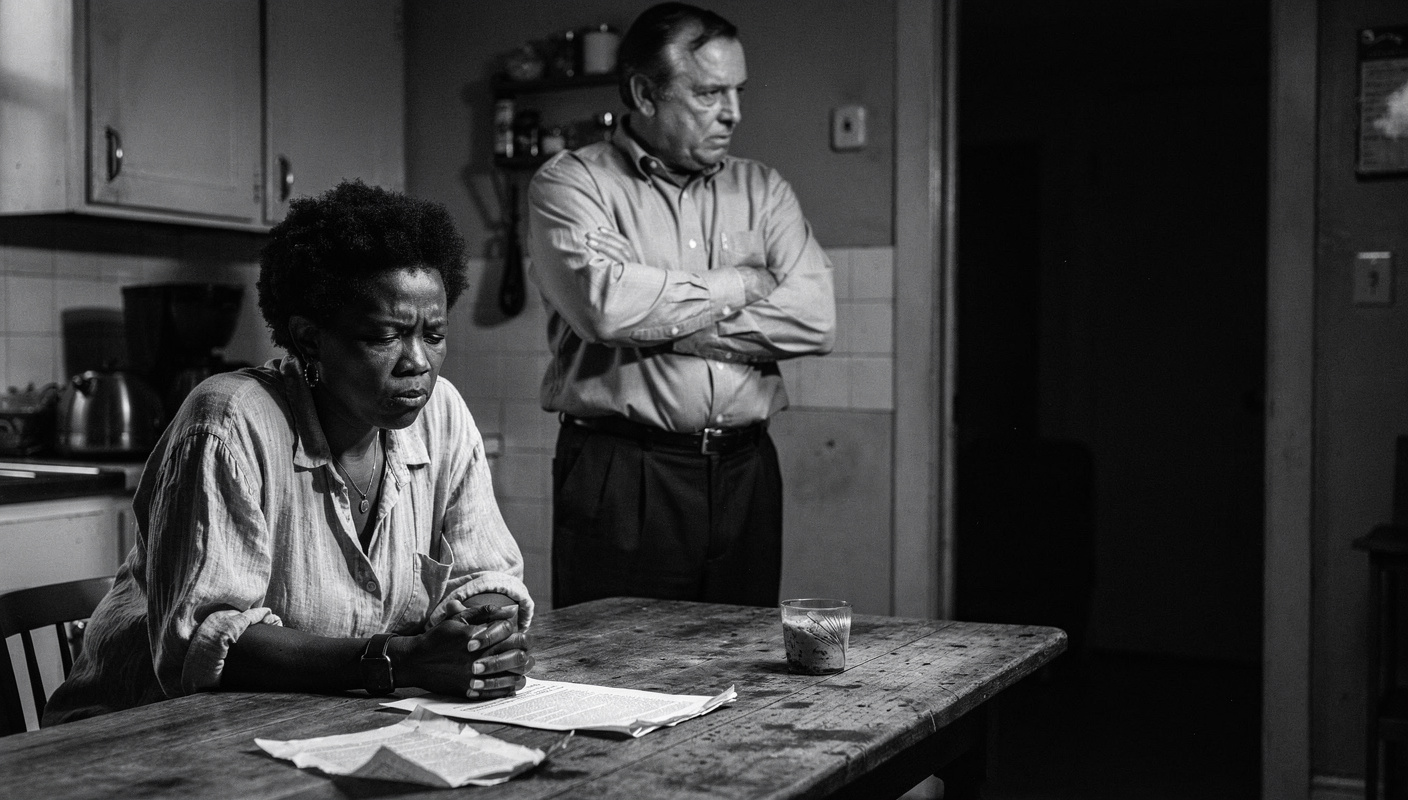
There is also a social cost to consider. When you confront someone's behavior without evidence, you risk looking unstable, vindictive, or confused. These toxic traits thrive precisely because confronting them without documentation looks like a personal attack. The person doing the gaslighting appears calm and certain, while you appear emotional and vague.
This is exactly why you need to anchor yourself before you walk into that room.
"The Conversation You're Avoiding Is the One You Need to Have."
"The Conversation You're Avoiding
Is the One You Need to Have."
Stop rehearsing conversations you'll never have. Say It Right Every Time gives you 115 word-for-word scripts and 16 proven frameworks to speak with confidence in every conversation that matters.
What Must Be in Place Before You Start Documenting
Before you write a single note, you need to be clear on two things.
First, you need to separate pattern from incident. One confusing conversation is not evidence of gaslighting toxic traits. A consistent, repeating pattern of denial, revision, and blame-shifting is. Give yourself enough time observing the situation to know the difference. Your records will mean more once you have identified a real pattern worth documenting.
Second, you need a secure place to write. If your records are stored somewhere the other person can access, you have created a problem, not a solution. Use a personal notebook, a private email account, or a locked note on your phone. Your documentation is only as strong as its security. If you are dealing with a manager or senior colleague, be especially careful here.
The Six-Step Process for Using Written Records Against Gaslighting
Step 1: Start the Same Day
The single biggest mistake people make with documentation is starting too late. Write your first entry on the day the incident occurs. Not that weekend. Not the following Monday. The same day.
Memory degrades faster than we believe it does. Details that feel vivid today, the exact words used, the tone, the look exchanged, will soften within 48 hours. The other person's ability to challenge your recollection grows with every day you wait.
A same-day entry needs only a few lines: the date, the time, the location, who was present, and exactly what was said. "Tuesday 14th, 2:30 PM, my office. Sarah told me the deadline was the 20th. I confirmed this in front of Marcus." That is enough to start.
Step 2: Record the Specifics, Not the Feelings
Your records must be factual, not interpretive. This is not about suppressing your emotional response. It is about building something the other person cannot dismiss as subjective.
Write what was said, not what it meant to you. Write where you were, not how it made you feel. Write who was present, not what you think their motives were. Feelings are important, and you can note them separately, but the core record must be specific and concrete.
For example: "James told the team in the weekly call that he had never approved the budget increase. I have the email he sent on March 4th where he gave written approval." That entry is useful in a confrontation. "James made me feel undermined again" is not.
Step 3: Preserve the Written Trail
Written records are not limited to what you write yourself. They include every email, message, calendar invite, and document that provides objective evidence of what occurred.
When someone tells you something important in person, follow it up in writing. This is one of the most powerful tools you have. After the conversation, send a short email: "Just confirming what we agreed in our meeting today: the project deadline is the 31st and you will provide the budget sign-off by the 15th. Let me know if I have misunderstood anything."
This approach does two things. It creates a timestamped record that the other person can challenge or confirm. And it signals, quietly, that you are paying attention. Many people with these toxic traits will adjust their behavior when they realize their words are being preserved.
If you want a deeper framework for how written follow-up fits into the preparation for difficult conversations, the C.O.R.E. model in Say It Right Every Time covers this groundwork thoroughly. Clarity before speaking is a cornerstone of that approach.
Step 4: Review for Pattern Before You Act
Before any confrontation, sit with your records and read them in sequence. You are looking for pattern, not just incident. This review step is where individual entries become a coherent case.
Ask yourself: Does the same type of distortion repeat? Are certain witnesses consistently present? Does the behavior escalate when you approach particular topics? Pattern is what transforms a complaint into a credible account of toxic behavior.
This review also protects you from acting too early, when you still only have two or three isolated entries that could be attributed to miscommunication. The strength of written records is cumulative. Give them time to build before you move.
When you are preparing to address behavior that is quietly damaging how a group functions, it also helps to understand the dynamics at play. The article on how to start a difficult conversation that's blocking your team's synergy covers exactly that preparation process.
Step 5: Build Your Script from the Records
Once your records show a clear pattern, prepare a script for the confrontation. Do not go in without one. Gaslighting toxic traits are most effective when they catch you unprepared, because the other person can introduce confusion faster than you can recover from it.
Your script should do three things: name a specific incident, state what the record shows, and name what you need to change.
Here is how that sounds in practice:
"I want to talk about the meeting on the 7th. My notes from that day show you confirmed the approach we agreed. In the full team meeting on the 14th, you told the group the approach had never been approved. I have both written records here. I need us to be clear going forward: I will document our agreements in writing after every conversation, and I need you to correct the record with the team."
That script is direct, grounded, and leaves no room for the conversation to be turned against you. For word-for-word scripts for giving constructive feedback at work that follow the same structure, those examples will sharpen your language further.
Step 6: Conduct the Confrontation with Calm and Clarity
When the conversation begins, stay anchored to your records. This is what they are for.
If the other person denies the event, you do not need to argue. You simply read from your notes: the date, the words, the context. State it once, clearly. Do not repeat it multiple times in an escalating tone. The strength is in the specificity, not the volume.
Expect a counter-move. Common responses from people with gaslighting toxic traits include claiming you misinterpreted the tone, that the note is out of context, or that your memory is always selective. Prepare for these. Your script should include a calm, pre-prepared response: "I understand we remember it differently. This is what I wrote down on the day."
When dealing with passive-aggressive behavior that is silently eroding team synergy, similar principles apply: stay factual, stay specific, and do not get drawn into an emotional argument about intent.
Adapting This Process for Remote and Hybrid Settings
Remote work creates both a challenge and an advantage when documenting gaslighting toxic traits.
The challenge is that much of the toxic behavior that happens in person, the dismissive tone, the rewritten verbal agreement, the quiet intimidation, does not translate into written form. You will need to be more deliberate about creating written records of conversations that happen over video calls.
The advantage is that remote communication leaves a trail. Emails, chat threads, shared documents, and calendar entries are already written. Your job in a remote setting is to use these tools actively. After every significant call, send the follow-up confirmation email. Use calendar invites that include agendas. When decisions are made in a video meeting, write them into the chat during the call itself.
For particularly toxic situations in remote settings, consider requesting that important decisions go through email rather than verbal conversation. You can frame this professionally: "I find it easier to track action points when we confirm them in writing. I'll send a summary after each call." Most reasonable people will agree. The people who push back on this are often the ones most invested in keeping their words unrecorded.
The Mistakes That Undermine Your Records Before You Even Begin
The mistake: Documenting only the big incidents and ignoring the small ones.
Why it happens: The small events feel trivial in the moment, not worth recording.
What to do instead: Record every instance, no matter how minor it seems. Patterns are built from small moments. A single incident sounds like a complaint; ten documented instances sounds like a serious problem.
The mistake: Writing records that include your interpretation rather than the facts.
Why it happens: It is natural to write what something meant to you, not just what happened.
What to do instead: Separate your observations from your analysis. Write what was said and done first. Then, if useful, add a separate line noting how it affected you. Keep the two clearly distinct.
The mistake: Telling others you are keeping records before you confront the person.
Why it happens: You want support, or you want to warn colleagues who may be experiencing the same thing.
What to do instead: Wait until after the confrontation. Sharing your documentation process early can alert the person you are building a case, giving them time to adjust their behavior or pre-emptively discredit you.
The mistake: Using the records as a weapon rather than a tool.
Why it happens: After months of being manipulated, anger is entirely understandable.
What to do instead: Present your records as evidence of your effort to be accurate, not as ammunition in an attack. The moment the other person feels prosecuted, they stop listening. The S.B.I. method, covered in the article on how to use the S.B.I. method to give feedback that actually changes behavior, keeps your delivery specific and behavior-focused without sliding into accusation.
Your Pre-Confrontation Checklist
Use this before any conversation where you plan to address gaslighting toxic traits.
- Do I have at least three documented incidents with specific dates, words, and context?
- Have I identified a clear pattern across those incidents, not just isolated events?
- Is my documentation stored securely, somewhere the other person cannot access?
- Have I preserved any supporting written evidence, including emails or messages?
- Have I written a script that names a specific incident, states the record, and describes what I need to change?
- Have I prepared a calm, factual response to the most likely denial or counter-move?
- Have I chosen the right setting for this conversation: private, low-pressure, adequate time?
If you cannot check every item on this list, you are not ready yet. Wait until you can. A confrontation without preparation gives a person with these toxic traits exactly the opening they need. For structured approaches to the conversation itself, the D.E.A.L. method for resolving conflicts and the guidance on addressing team members who undermine group synergy are both worth reading before you walk in.
When the Records Change the Dynamic Without a Single Word
Here is something I have seen happen more than once. A person starts keeping thorough, disciplined written records. They begin sending follow-up emails after every significant conversation. They document quietly, consistently, professionally. And weeks before any confrontation takes place, the toxic behavior starts to shift.
People who rely on gaslighting toxic traits rely on the other person's doubt. The moment they sense that doubt is gone, that you are writing things down and creating a paper trail, many of them recalibrate. Not all of them. But some. The records do not just prepare you for a confrontation. They change the power of the situation before a word is spoken.
For practical tools that reinforce this kind of confident, clear communication across all difficult conversations, I cover the foundations in Say It Right Every Time, including how to stay grounded when someone is actively trying to destabilise your confidence.
The guidance on how to give constructive feedback without causing tension is also worth reviewing here. It sharpens the tone you need: calm, clear, and impossible to dismiss.
Frequently Asked Questions (FAQ)
What are gaslighting toxic traits in the workplace?
Gaslighting toxic traits involve someone deliberately distorting your memory of events, denying things they said or did, and making you question your own perception. At work this often looks like a colleague or manager insisting a conversation never happened or that you misunderstood something completely clear.
How do written records help with gaslighting toxic traits?
Written records create a fixed, dated account of what actually happened before memory fades or gets distorted under pressure. When someone with gaslighting toxic traits denies or rewrites events, you have specific, timestamped evidence to anchor the conversation in fact rather than competing recollections.
When should I start documenting gaslighting toxic traits?
Start documenting the moment something feels wrong, even if you are not yet certain what is happening. Early, detailed records are far more credible than notes written after a pattern becomes obvious. A single entry the same day an incident occurs is worth more than a detailed summary written weeks later.
What should I include in a written record for gaslighting?
Record the date, time, location, exact words used, who was present, and your immediate emotional response. Include any follow-up communications such as emails or messages. The more specific the entry, the harder it is for the other person to dismiss it as a misunderstanding or faulty memory.
How do I confront someone with gaslighting toxic traits using written records?
Open the conversation by naming a specific incident from your records, not a general pattern. Read directly from your notes: the date, the words, the context. Stay grounded in what was documented. If the other person denies it, do not argue. Simply state the record clearly and move to what you need to change going forward.
Can written records backfire when confronting a toxic person?
Records only become a problem if you present them aggressively, as an accusation rather than a clarification. Lead with the intent to resolve, not to prosecute. Frame your documentation as your effort to be fair and accurate, not as evidence in a case against them. Tone and framing matter as much as the facts themselves.