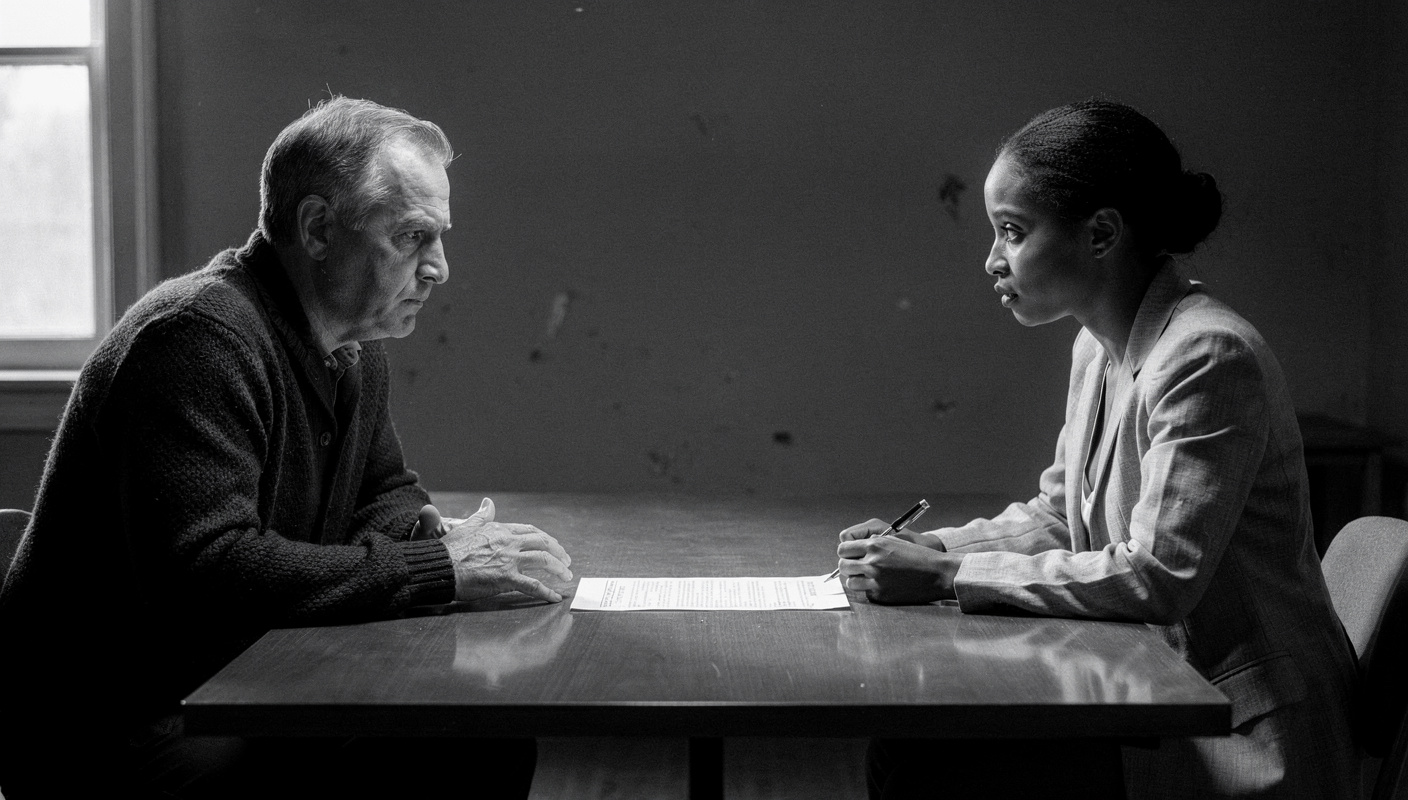

In Short
Anchoring in negotiation means the first number stated pulls the entire deal toward it. Whoever sets the anchor first holds a quiet but powerful advantage.
- An early, confident number shapes every counter-offer that follows.
- A weak or absent anchor hands control of the range to the other side.
- Defending against an anchor requires preparation before the conversation starts, not reaction during it.
Anchoring in negotiation is the act of stating the first significant number or position in a deal discussion. That figure becomes the reference point both parties measure all later offers against, giving the person who placed it a structural advantage throughout the negotiation.
I want to tell you about the moment I finally understood what anchoring actually does. I was watching a procurement manager walk into a supplier meeting, and before anyone had settled into their chairs, she said, "We are looking at a figure around thirty thousand for the full contract." The supplier had prepared to open at fifty-five. By the time coffee was poured, the conversation was already happening on her terms. That is anchoring in negotiation. Not manipulation. Not aggression. Simply the recognition that the first number said aloud becomes the gravitational centre of everything that follows.
A definition will not teach you that. Watching it happen will.
What to Notice Before the First Number Lands
Before we get into the scenarios, I want to give you one thing to look for. In every example below, pay attention to timing: who speaks the first number, and how confident they sound when they do. That is the whole game in one sentence. The person who hesitates, who waits to hear the other side first, who leads with "well, it depends," has already handed the anchor to someone else.
Also watch what happens immediately after an anchor is placed. The other side rarely says "no, that is wrong." They adjust from it, even when they resent it. That adjustment is the evidence that anchoring is working.
"The Conversation You're Avoiding Is the One You Need to Have."
"The Conversation You're Avoiding
Is the One You Need to Have."
Stop rehearsing conversations you'll never have. Say It Right Every Time gives you 115 word-for-word scripts and 16 proven frameworks to speak with confidence in every conversation that matters.
Six Scenarios Where the First Number Changed Everything
1. The Supplier Who Arrived Prepared
A procurement manager at a mid-sized manufacturing company was renegotiating her packaging supplier's annual contract. She had spent an hour the previous evening researching comparable suppliers and their rates. When she sat down, before the supplier's representative had finished arranging his papers, she said: "Based on current market rates for this volume, we see value at around forty-two thousand for the year."
The supplier had planned to propose sixty-eight thousand. His counter came in at fifty-eight. They settled at forty-nine. The procurement manager did not get her opening number. She never expected to. But she got a deal that was nineteen thousand below what the supplier had intended to ask for, because the entire conversation happened in the range she had defined.
The lesson here is not about being aggressive. It is about arriving prepared with a number that reflects your interests, and having the courage to say it first.
2. A New Hire Who Sold Himself Short
A talented project coordinator accepted a job offer without ever stating a number of his own. When the hiring manager said "We are thinking somewhere around forty-four thousand to start," he nodded and said "that sounds fair." He had privately hoped for fifty-two.
He told me about this six months later, still frustrated. The company had budget room. The hiring manager confirmed it casually in a later conversation. The offer was an anchor, and he accepted it as if it were a fixed fact rather than an opening position. This is anchoring in negotiation working against the person who fails to prepare one of their own. He came to the table without a number. The other side had one ready.
If you are walking into any salary discussion, your number must exist before the meeting starts. Write it down. Say it aloud to yourself the night before. When the time comes, say it clearly and without apology.
3. A Freelancer Who Anchored Too Low
A graphic designer was pitching a rebrand project to a small retail chain. She was nervous about losing the work, so she opened at four thousand five hundred, thinking it left room to negotiate upward if needed. The client immediately agreed, without a counter-offer, without hesitation.
She left the meeting with the job and a hollow feeling. The instant acceptance told her what she already suspected: she had anchored below what the client had budgeted. There was no negotiation because her anchor had landed so far from the client's ceiling that no adjustment was necessary.
An anchor set too low does not just cost you money on one deal. It trains the other side in what to expect from you. When she returned for a second project, the client opened at five thousand, knowing that was generous by her own standard. Her first anchor had become the reference point for the entire relationship.
4. The Agency That Refused to Blink
A small communications agency was pitching a twelve-month retained contract to a regional property developer. The agency owner opened the conversation with a figure of nine thousand per month. The developer pushed back hard, said the number was "way above budget," and proposed four thousand five hundred.
The agency owner did not panic. She acknowledged the gap, held her position, and asked the developer to walk her through what "above budget" meant in practice. It turned out the developer had a figure of seven thousand in mind but had counter-anchored aggressively to see what would happen. They settled at eight thousand two hundred.
This is what I want you to see: the developer's aggressive counter was itself an anchor. Both sides were using the same tool. The outcome depended on who held their nerve. If you want to learn how to stay grounded during a tense workplace conversation, that skill is just as valuable at a negotiating table as it is in any other high-pressure moment.
5. A Manager Who Let the Room Anchor Him
A department head was asked to present the budget proposal for his team's annual training spend. He had a figure of thirty-eight thousand ready. Before he could open his mouth, the finance director said, "I imagine we are looking at something in the low twenties for training this cycle."
The department head paused, recalibrated, and opened at twenty-nine thousand. He had anchored against the finance director's number rather than his own. They settled at twenty-four. He left with a training budget six thousand below the minimum he had calculated his team needed.
This is the cost of letting someone else's anchor replace your own before the conversation has even started. The finance director's "low twenties" was not a decision; it was a frame. The department head treated it as a constraint. This is precisely the kind of moment where knowing how to de-escalate arguments during meetings can help, because the instinct to soften and accommodate under pressure is powerful, and it costs you.
6. A Vendor Who Set the Anchor in Writing
A software vendor sent a proposal ahead of a negotiation call. The proposal listed the full list price: eighty-two thousand for a three-year licence. The client had assumed the deal would be negotiated down to somewhere around sixty. When the call started, the client's natural first move was to try to move from eighty-two, not from sixty.
They reached seventy-one. The client felt they had won a significant concession. The vendor had planned for exactly this outcome: send the high anchor in writing before the conversation starts, let the client feel the satisfaction of driving it down, and land comfortably above what you would have accepted. Writing the anchor before the meeting is simply anchoring with better timing.
The Patterns That Appear Across Every Deal
Three things show up consistently in every scenario above. The first number stated pulls the discussion, regardless of whether it is realistic. Preparation determines whether you walk in with an anchor or walk in as a target. And the emotional response to an anchor, the discomfort of hearing a number that feels wrong, is the mechanism through which it works. When you understand that discomfort is normal and expected, you can de-escalate tension with a colleague or a counterpart without abandoning your position.
The second pattern is subtler. In every failed anchoring moment, the person who was hurt had not prepared a number of their own before arriving. The new hire. The department head. The designer who went too low. None of them had committed to a specific figure before sitting down. Preparation is not just research; it is deciding your number and rehearsing the confidence to say it.
The third pattern: anchors set in writing before a meeting carry extra weight. Once a number is on paper, both sides treat it as a starting point rather than a suggestion. This is not a trick. It is simply using the anchor earlier in the process.
What These Examples Are Asking You to Do
Read back through the six scenarios and ask yourself honestly: which one looks most like the negotiations you typically walk into? If it is the new hire or the department head, the fix is straightforward. Define your number before the meeting. Write it down. Rehearse saying it with the same tone you would use to state a fact.
If your situation looks more like the agency owner's, you are already anchoring. The skill to develop is holding your anchor when the other side pushes back hard and uses their own counter-anchor to rattle you. Using a neutral problem statement can help you reframe the conversation when a counter-anchor threatens to derail it entirely.
And if you are managing a negotiation where two parties are gridlocked, the tools for defusing tension between colleagues who refuse to cooperate apply directly: name the gap, establish shared ground, and work from there rather than from competing anchors. Sometimes rebuilding a working relationship after a breakdown has to come before any productive negotiation can resume.
There is one more thing worth naming. If you have tried to raise a negotiation issue with a manager who simply dismisses it, the approach in advocating for resolution with a manager who won't engage gives you a method that does not require the other side to cooperate first.
Frequently Asked Questions (FAQ)
What is anchoring in negotiation?
Anchoring in negotiation is the practice of stating the first number or position in a deal discussion. That first figure acts as a reference point that pulls all subsequent offers toward it, giving the person who set the anchor a measurable advantage throughout the conversation.
Why does the first offer matter so much in a negotiation?
The first offer creates a psychological reference point that both sides unconsciously measure all later figures against. Even experienced negotiators adjust from that anchor rather than calculating what a fair outcome should be independently, which means the first number shapes the entire range of the discussion.
How do you use anchoring in negotiation effectively?
State a specific, high or low number early and confidently, before the other side can set their own anchor. Make sure your number is ambitious but defensible with a clear rationale. A well-placed anchor does not need to be accepted; it only needs to pull the conversation in your direction.
Can anchoring in negotiation backfire?
Yes. An anchor that is wildly unrealistic can damage trust, end talks early, or harden the other side against any reasonable movement. An anchor also fails when you are the one who states a number too low too early, setting a ceiling on what you can realistically gain.
How do you defend against someone else anchoring you?
Pause before responding to any first number. Name the anchor out loud to reduce its pull, prepare your own number before the conversation starts so you have a counter-reference ready, and avoid adjusting from their figure. Ask what the number is based on before making any counter-offer.
Does anchoring work differently in salary negotiations than in procurement deals?
The mechanics are the same but the stakes feel more personal in salary discussions. In procurement, both sides often expect aggressive opening numbers. In salary talks, a candidate who anchors high can feel exposed, which is why preparation and a clear rationale matter even more in that context.