
In Short
Credibility in anchoring is what separates a number that shapes the entire negotiation from one that gets brushed aside in seconds.
- An anchor without credibility is just a number. The other party will dismiss it before it can do any work.
- Credibility comes from preparation, specificity, and the calm confidence with which you deliver your opening position.
- When your credibility holds, your anchor becomes the reference point around which everything else adjusts.
Credibility in anchoring refers to the perceived authority and reasoned justification behind an opening number or position in a negotiation. When credibility is present, the other party treats your anchor as a legitimate reference point rather than an uninformed demand, and all subsequent adjustments orient toward it.
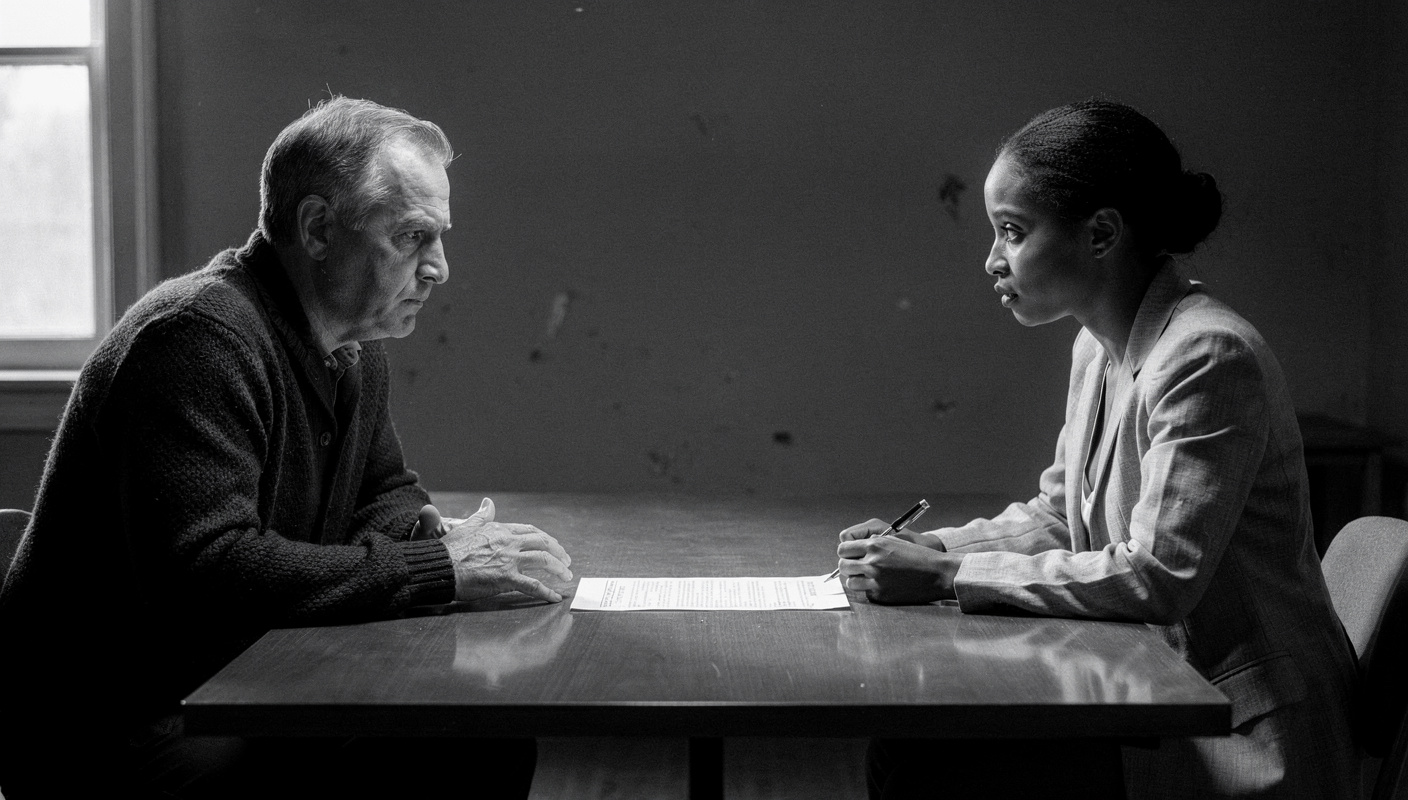
There is a moment I have watched play out in negotiating rooms more times than I can count. Someone states their opening number with real confidence. The other party pauses, recalibrates, and spends the rest of the conversation trying to move from that reference point rather than ignoring it entirely. That is anchoring working exactly as it should. But I have watched the same technique collapse just as many times, where a number gets placed on the table and the other party simply waves it away, almost without discussion. The difference between those two outcomes almost always comes down to credibility in anchoring, not the size of the number, not the confidence in the delivery, but the perceived legitimacy behind the position itself.
Why an Opening Number Is Not Enough on Its Own
Most people understand the surface mechanics of anchoring. You set a high number first. The other party adjusts from that number. You end up closer to your position than if you had waited for them to go first. That understanding is correct as far as it goes. The trouble is it leaves out the most important variable entirely.
An anchor is not a lever you pull. It is more like a stake you drive into ground. The stake only holds if the ground is solid enough. The ground, in every negotiation, is the credibility you carry into the room. Without it, no anchor holds, regardless of how boldly it is stated.
When someone places an opening number, the other party does not just evaluate the number. They evaluate the person behind it. They are asking themselves, sometimes without realising it: does this person know what they are talking about? Do they have a real basis for this position? Should I take this seriously or dismiss it and start fresh? The answer to those questions shapes how powerfully the anchor takes hold.
"The Conversation You're Avoiding Is the One You Need to Have."
"The Conversation You're Avoiding
Is the One You Need to Have."
Stop rehearsing conversations you'll never have. Say It Right Every Time gives you 115 word-for-word scripts and 16 proven frameworks to speak with confidence in every conversation that matters.
The Psychology Behind Why Credibility Amplifies an Anchor
Here is the truth of it. The mechanism that makes anchoring work is a cognitive tendency to adjust from a reference point rather than build an independent assessment from scratch. That tendency is strong. But it is not unconditional. It gets activated, or suppressed, based on how much weight the other party assigns to the anchor's source.
Think of it this way. If a stranger on the street tells you a house is worth a particular price, you might note it but you would form your own view. If a respected property expert with thirty years of experience gives you the same number with a clear rationale, you will adjust your thinking around it. The number is identical. The credibility behind it is not. That is the lever most people miss.
This is why specificity matters so much in anchoring. A precise, reasoned number signals preparation. Preparation signals knowledge. Knowledge builds credibility. And credibility turns your anchor from a conversational opening into a psychological reference point that the other party genuinely struggles to move away from. If you want to give feedback in a high-stakes conversation with the same kind of deliberate framing, the dynamics I describe in Advanced Feedback Techniques: Mastering Nuance, Tone, and Psychological Dynamics in High-Stakes Feedback Conversations follow a remarkably similar principle: credibility shapes how your message lands before the words even finish arriving.
Round numbers work against you for the same reason. When you say "around fifty thousand," you are quietly signalling that you have not done the calculation. The other party registers that. They sense the lack of preparation, and the anchor loses its grip. A number like forty-seven thousand six hundred signals the opposite. It says: I have thought about this. I have a basis for this. Push back if you like, but you will need a good reason.
What Credibility Actually Looks Like Before You Place an Anchor
Credibility is not a personality trait. It is not something you either have or lack. It is something you build before you walk into the room, and then signal through specific behaviours when you arrive.
Preparation is the foundation. Before you anchor, you need to understand the range of outcomes in this negotiation, the reasoning behind your number, and the two or three most likely objections the other party will raise. When you can answer those objections calmly and specifically, you are not just defending a position. You are demonstrating that your position was never arbitrary.
Tone and pace matter too. An anchor delivered with visible anxiety, or rushed as though you are testing whether the other party will laugh, undermines the number before they have even responded. The calm, unhurried delivery of an opening position is itself a credibility signal. It says: I am not surprised by this number. Neither should you be.
Context and justification seal it. Placing an anchor with a brief, confident rationale attached changes everything. "We are proposing this figure because it reflects the full scope of work, current market rate, and the turnaround required" is a different kind of anchor than a bare number. The rationale does not need to be long. It needs to be specific and delivered without apology. This same composure under pressure is what the C.O.R.E. Framework for staying grounded during tense workplace conversations is built to support.
Three Scenarios Where This Plays Out Visibly
Picture a freelance consultant naming a project fee to a new client. She says forty thousand. The client, who had expected twenty-five, pushes back hard. She has no rationale ready. She starts to soften immediately. The anchor collapses because the credibility behind it was not established before the number landed.
Now the same consultant, same client, same number. This time she says: "Based on the scope you described, the three-phase delivery timeline, and comparable projects in this sector, the fee is forty thousand." The client still pushes back. But now there is something to push back against. The conversation becomes a negotiation about the rationale, not a dismissal of the number. That is credibility holding an anchor in place.
The third scenario is a salary negotiation. A candidate names a figure twenty percent above the advertised range. If they can speak, without hesitation, to the market rate for their specific skills, the value they bring to this particular role, and the outcomes they have delivered elsewhere, the hiring manager adjusts their thinking toward that number even when they cannot immediately meet it. The anchor sticks. The final offer lands higher than it would have without it. This kind of high-stakes professional exchange follows the same influence principles I describe in Advanced Email Strategy: Persuasion, Influence, and High-Stakes Professional Messaging: the frame you set before the ask determines how the ask is received.
Why Most People Anchor Without Building the Ground First
After decades of watching people negotiate, I have noticed that most people treat anchoring as a tactic you deploy in the moment. Set a bold number. Sound confident. See what happens. The credibility work that makes the anchor hold, they leave out entirely, usually because they never realised it was necessary.
Part of the problem is that anchoring gets taught as a cognitive trick. Set the first number and let the bias do the work. That framing is not wrong, exactly, but it is dangerously incomplete. It gives people the confidence to throw down an anchor without the preparation to justify it. When the other party pushes back, they have nothing to hold the position with. The anchor does not just fail; it actively damages their position by revealing the absence of thought behind it.
There is also a discomfort many people feel with strong opening positions. They worry that anchoring high will offend, seem unreasonable, or kill the conversation before it starts. So they soften the number preemptively, hedge it with apologies, or qualify it into meaninglessness. What they do not realise is that a confident, credible, well-justified anchor almost never offends. What offends, and what damages trust, is an anchor that feels manipulative or arbitrary. Credibility is the thing that keeps an anchor from feeling like a cheap trick. When navigating the defensive reactions that sometimes follow a strong opening position, the tools in How to Use the C.O.R.E. Framework to Stay Calm When Feedback Triggers a Defensive Reaction apply directly.
Turning This Understanding into Practice
If you take one thing from this analysis, let it be this: credibility in anchoring is built before the conversation starts, not during it. The work happens in preparation. Here is what that preparation looks like in practice.
First, do not anchor with a round number unless you have a specific reason for it. Odd, precise numbers signal calculation. They tell the other party that something real sits behind your position. Even if the precision is partly constructed, its effect on perceived credibility is genuine.
Second, prepare your rationale before you need it. Know the two or three strongest reasons your number is justified. Know what evidence, context, or comparable references you can point to. You may not use all of it. But having it ready changes how you hold the anchor when challenged, and the other party can sense that readiness even before you speak.
Third, pair your anchor with context. A brief, confident framing sentence before the number does enormous work. "Given the scope, the timeline, and what comparable work commands in this market, I am proposing..." is not padding. It is credibility arriving ahead of the number and softening the ground for the anchor to go in. For conversations where you need to resolve genuine disagreement after the anchor phase, the D.E.A.L. Method for resolving disagreements about feedback at work offers a practical framework that transfers well to post-anchor negotiation dynamics.
Finally, do not apologise for your anchor after you place it. Silence after a number is not uncomfortable; it is the sound of your anchor doing its work. The instinct to fill that silence with concessions is one of the most costly habits in negotiation. Let the number stand. Your credibility, built before the room, will hold it there.
When you have genuinely prepared, when your rationale is ready, when you have delivered the anchor with calm precision and left it to work, you will notice a different quality in how the other party responds. They may push back. They will probably push back. But they will push back against your rationale, which means they are already inside the frame you set. The anchor has held. The conversation, from that point forward, is yours to lead. Building that kind of trust between parties, before and after the anchor phase, is what the Empathy Bridge Technique and the B.R.I.D.G.E. Method address when a negotiation gets difficult after the numbers have been placed.
This much I know for certain: in sixty years of watching negotiations succeed and fail, the gap between an anchor that shapes a deal and one that ends a conversation has almost nothing to do with the number itself. Credibility in anchoring is the thing that matters most. Earn it before you arrive, and your opening position becomes the foundation the whole conversation is built on.
Frequently Asked Questions (FAQ)
What is credibility in anchoring?
Credibility in anchoring is the perceived authority and reasoned justification behind your opening number. When the other party believes your anchor reflects genuine knowledge or justified reasoning, they adjust toward it. Without credibility, even a well-placed anchor gets dismissed before the conversation properly begins.
Why does credibility affect how anchoring works in negotiation?
Because an anchor without credibility is just a number. The other party uses their perception of your knowledge and preparation to decide how seriously to treat your opening position. Credibility signals that your anchor has a foundation, which makes it harder to dismiss or ignore.
How do you build credibility before placing an anchor?
Prepare with specifics, not round numbers. Know the range, the rationale, and the reasoning behind your opening position. Signal competence through the precision of your anchor and the calm confidence with which you deliver it. Preparation and specificity are the two fastest credibility builders.
Does anchoring first always give you an advantage in negotiation?
Anchoring first gives you a structural advantage only when your credibility is strong enough to hold the number in place. If you anchor first without credibility, you may set a reference point the other party easily dismisses. Credibility is what converts an early anchor into genuine influence.
What makes an anchor lose credibility in negotiation?
Round numbers, vague justifications, and visible uncertainty all drain credibility from an anchor. If the other party can see you pulled the number from nowhere, they will not adjust toward it. Specificity, preparation, and calm delivery are what keep an anchor standing.
How is anchoring in negotiation different from just making an opening offer?
An opening offer is a position. An anchor is a psychological reference point that shapes every subsequent number in the conversation. Credible anchoring does not just state what you want; it reframes the entire range around your number and makes adjustment toward it feel natural to the other party.