
In Short
Precise number anchors outperform round numbers in negotiation because they signal preparation, not guesswork.
- A figure like $64,750 carries more weight than $65,000 because it implies calculation.
- Whoever sets the anchor first shapes the entire negotiation range.
- Failing to anchor at all hands the other side a free advantage.
Precise number anchors are specific, non-round opening figures used in negotiation to establish a reference point. Unlike round numbers, precise anchors signal deliberate calculation, which increases perceived credibility and reduces the distance other parties feel entitled to push back.
I watched a contractor lose four thousand pounds in a single conversation. Not because he lacked courage or skill. Because he opened with a round number, the client heard a placeholder, and the negotiation unravelled from there. That moment taught me more about anchoring than any book ever did. The number you place on the table first does not just start the conversation. It frames every number that follows.
How Anchors Actually Work Before Anyone Speaks Twice
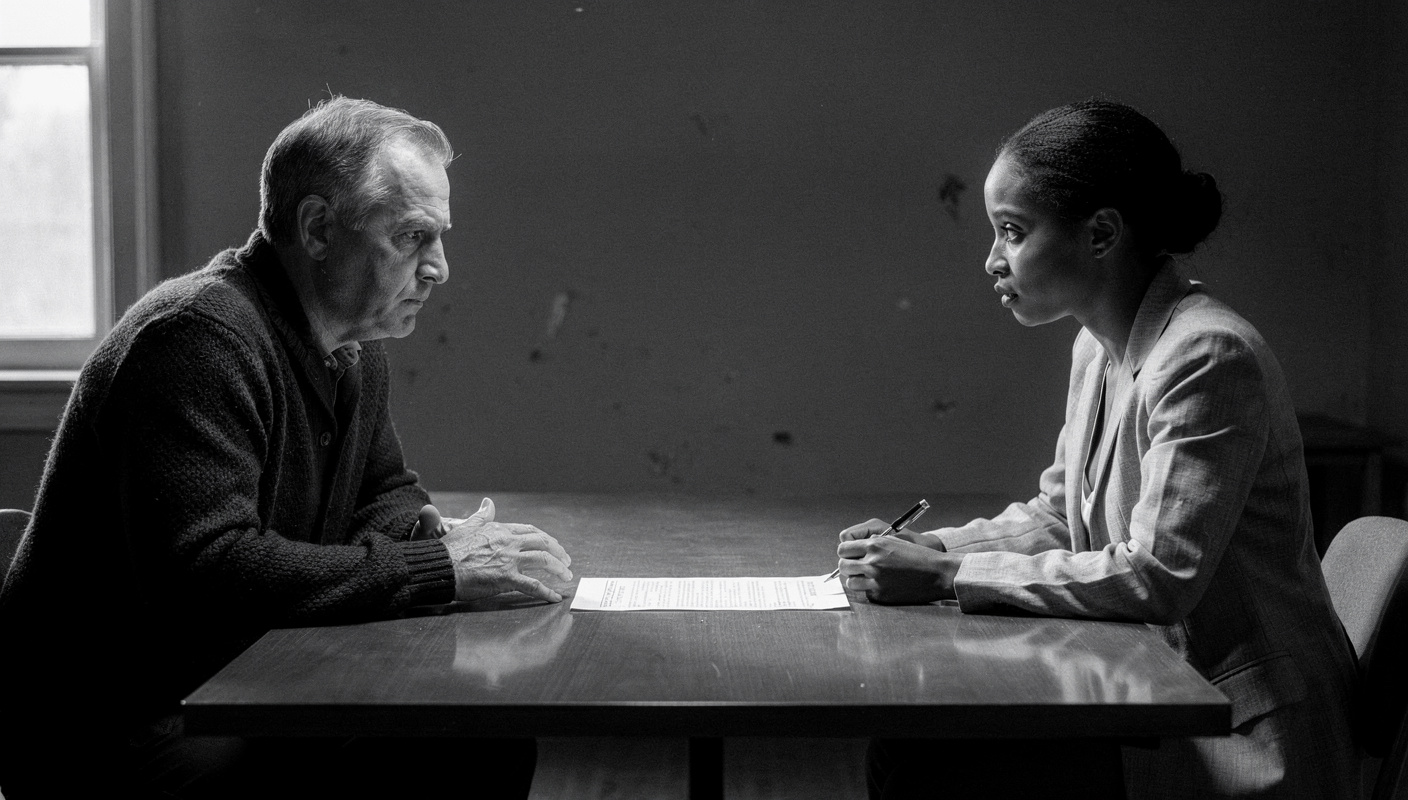
Most people think negotiation is about persuasion. It is partly. But before persuasion begins, something quieter happens: one party's number becomes the invisible centre of gravity for the entire discussion. Both sides start adjusting from that point. The question is whose point it is.
When you name a figure first, you set the anchor. The other side does not start fresh from their own number. They start from yours and pull toward theirs. That adjustment is almost always smaller than people expect. The anchor holds more than it should, which is exactly why setting it deliberately matters so much.
What separates a precise anchor from a round one is signal. A precise figure, say £47,300 rather than £47,000, tells the other party you did not pluck a number from the air. It implies a calculation behind it. And that implied calculation makes them think twice before dismissing it.
"The Conversation You're Avoiding Is the One You Need to Have."
"The Conversation You're Avoiding
Is the One You Need to Have."
Stop rehearsing conversations you'll never have. Say It Right Every Time gives you 115 word-for-word scripts and 16 proven frameworks to speak with confidence in every conversation that matters.
Five Scenarios Where the Anchor Made or Broke the Deal
Read these with one question in mind: where did the power in the room shift, and why?
Example 1: The Contractor Who Opened Soft
A self-employed builder was quoting a kitchen renovation for a new client. He had costed it carefully: materials, time, a fair margin. His figure was £8,200. He rounded it to £8,000 because it "sounded cleaner."
The client immediately said, "I was thinking more like six thousand." The builder, caught off guard, met somewhere in the middle. He finished the job for £7,000. The £1,000 he left behind was not because the client was aggressive. It was because £8,000 read like an estimate, and estimates invite negotiation.
Had he opened with £8,175, the client would have heard a number that came from somewhere. The precision signals: this is what the job costs, not what I hope to get. The builder learned this lesson the expensive way, and he never opened round again.
Example 2: A Job Offer Handled with Precision
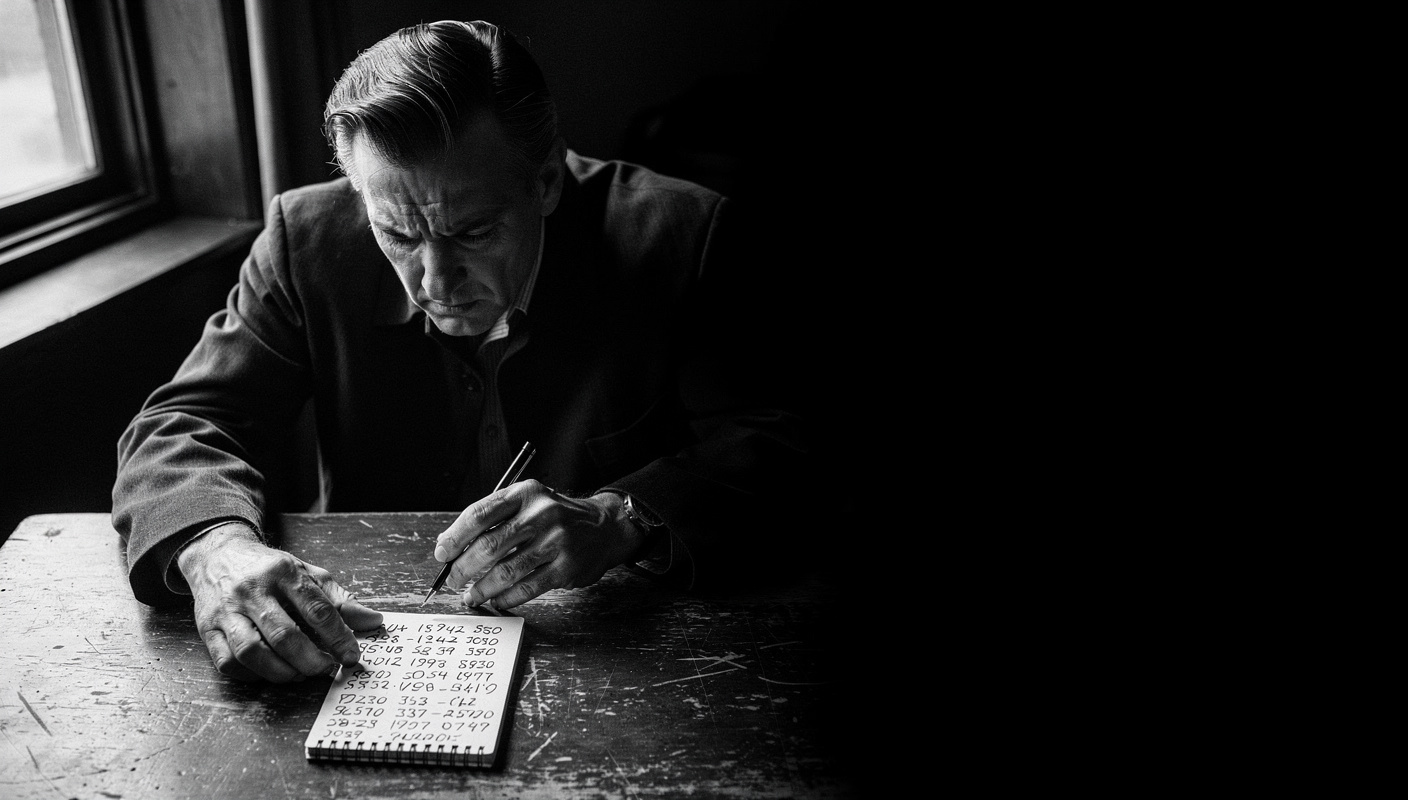
A project manager was offered a position at a salary she considered below her value. Instead of countering with £60,000, a figure she had initially planned, she took an extra evening and worked out what she genuinely needed: pension contribution gap, commute cost, the market rate she had researched carefully. Her counter came in at £62,400.
The hiring manager paused, then asked how she had arrived at that number. She explained it clearly. The conversation shifted from haggling to discussion. She was offered £61,500. That outcome likely would not have happened from £60,000, which signals "I want more" rather than "I have calculated my value."
Precision in a salary counter tells the room you are not guessing. That confidence earns respect even before the outcome is settled.
Example 3: When the Other Side Anchors First
A small agency was pitching a retained contract to a mid-size firm. The agency expected to open the pricing conversation. Instead, the client's procurement lead opened with a number: "Our budget for this kind of engagement is around twenty thousand per quarter."
The agency lead had been prepared to open at £28,000. Now that figure was gone. Every number he named would be measured against £20,000, not against his own anchor. He countered at £26,500, citing scope specifics. They settled at £23,000.
The lesson here is not that the agency failed entirely. It is that letting the other side anchor first cost them before they had said a word. If you are preparing a negotiation and you have not decided whether to open or respond, you have not finished preparing. Whoever names the first number has the advantage. Lose that, and you are climbing uphill for the rest of the conversation.
For more on maintaining your position under pressure, the principles in How to De-escalate Arguments During Meetings apply directly when an opposing anchor triggers friction at the table.
Example 4: A Team Budget That Nobody Anchored
A team of six was putting together a proposal for an internal investment in new equipment. They had done the research. They knew what they needed. But in the meeting with the finance director, they presented a range: "somewhere between forty and sixty thousand."
The finance director anchored immediately: "Let's work from forty." The team spent the next twenty minutes defending upward from a number they had accidentally offered. They left with fifty-two thousand, which felt like a win until they realised they had handed the opener to the other side for free.
A range is not an anchor. A range is an invitation for the other side to choose the number that suits them. When you are ready to make a case, make it with a single precise figure that reflects your real position.
Example 5: Precision That Rebuilt Credibility Mid-Negotiation
A freelance copywriter had been negotiating a project rate and had opened too low, a round £1,500, hoping to secure the work. The client accepted without hesitation. She felt the sting of that immediately.
On the next project with the same client, she came in at £1,840. The client blinked. She explained: it reflected the research phase, three rounds of revision, and the specific turnaround required. The client countered at £1,700. She held, and they agreed at £1,780.
The precise anchor did two things at once. It reset the rate perception, and it demonstrated that she now understood her own value. Clients respond to that signal. Confidence expressed through a specific, defensible number tells them you are operating from calculation, not hope.
Staying grounded through that kind of high-stakes exchange draws on the same skills covered in How to Use the C.O.R.E. Framework to Stay Grounded During a Tense Workplace Conversation.
What These Five Situations Have in Common
The surface difference across these examples is the numbers. The deeper pattern is credibility.
In every case where an anchor held, it was because the number felt earned rather than wished. Precise figures imply a method behind them, even when the other side never asks what that method was. Round numbers do the opposite: they imply flexibility, approximation, a willingness to move.
A second pattern runs through these cases: the cost of not anchoring. The agency that let the client open first, the team that offered a range, the contractor who rounded down. None of them failed through poor communication or weak argument. They failed before the conversation properly began. The anchor shapes the entire room before anyone makes a case.
There is also something worth naming about confidence. Precise numbers require you to commit. You cannot hedge a specific figure the way you can hedge a round one. That commitment is visible to the other side, and it changes how they read you. If your opening number feels like you mean it, the other party treats it accordingly. Advanced Email Strategy: Persuasion, Influence, and High-Stakes Professional Messaging explores how this same principle of deliberate precision carries into written negotiation as well.
Putting This to Work in Your Next Negotiation
The gap between knowing this and doing it is narrower than you might think. Before your next negotiation, ask yourself three questions.
First: do I have a precise opening figure ready, or a round number I chose because it felt easier? If the answer is round, go back to your actual calculation and let the real number show. Second: am I prepared to open, or am I waiting to see what the other side says? Waiting is not neutral. It is a concession. Third: can I explain where my number came from if asked? Precision without reasoning behind it is just a different kind of bluff.
The work of building a defensible anchor connects directly to how you handle pushback once the number is on the table. Advanced Feedback Techniques: Mastering Nuance, Tone, and Psychological Dynamics in High-Stakes Feedback Conversations offers tools for staying composed when someone challenges your position directly. Similarly, when a counteroffer arrives and the disagreement sharpens, How to Use the D.E.A.L. Method to Resolve Disagreements About Feedback at Work and How to Use the D.E.A.L. Method to Defuse Tension Between Two Colleagues Who Refuse to Cooperate provide practical frameworks for keeping the conversation productive rather than defensive.
And when the pressure builds and your instinct is to soften your position before you need to, How to Use the C.O.R.E. Framework to Stay Calm When Feedback Triggers a Defensive Reaction helps you stay grounded in exactly that moment.
The number you open with is one of the most consequential sentences you will say in any negotiation. Precise number anchors do not just change outcomes. They change how the other side reads you from the very first moment. Choose yours with care.
Frequently Asked Questions (FAQ)
What are precise number anchors in negotiation?
Precise number anchors are specific, non-round opening figures used in negotiation, such as $47,300 instead of $47,000. They signal that the number was calculated rather than guessed, which increases the other side's perception of your credibility and reduces how far they push back.
Do precise anchors actually change negotiation outcomes?
Yes. When you open with a precise number, the other party tends to adjust less aggressively from that figure. A round number invites larger counteroffers because it reads as a placeholder. Precision implies research and preparation, which makes your anchor harder to dismiss.
When should you use a round number versus a precise anchor?
Use a precise anchor when you want to signal careful preparation, particularly in salary, contract, or high-stakes price negotiations. Round numbers can work when you are opening a broad range discussion, but in most one-on-one negotiations, precision gives you a stronger starting position.
What happens when you fail to anchor first in a negotiation?
When you let the other side anchor first, their number becomes the psychological reference point for the entire discussion. Every adjustment you push for will be measured against their opening figure, not yours. Recovering from a strong opposing anchor is difficult and often costly.
How do you choose the right precise anchor number?
Start from your genuine target outcome and work backward. Add a defensible buffer, then make the figure specific rather than rounded. The precision should reflect actual calculation, not random digits. If challenged on it, you need to be able to explain where the number came from.
Can anchoring backfire if the number is too extreme?
Yes. An anchor that is wildly outside the credible range damages your credibility and can end the negotiation before it begins. Precision helps, but the number still needs to sit within a range the other party considers serious. The goal is bold but defensible, not extreme.