
In Short
Eye contact does not mean the same thing at every point in a conversation. In small talk, relaxed and intermittent gaze builds warmth without pressure. When a conversation turns serious, the same casual gaze signals that you are not fully present. Knowing how and when to shift your eye contact is one of the most underestimated skills in human communication.
Eye contact shifts refer to the deliberate and natural changes in gaze pattern that occur as a conversation moves from casual to serious. These shifts in eye contact signal attentiveness, emotional engagement, and respect, and they operate differently depending on the stakes and depth of what is being discussed.
You are two minutes into pleasant conversation with a colleague about the weekend. Then they say, quietly, "Actually, I wanted to talk to you about something that has been bothering me." Most people keep the same gaze they had thirty seconds ago. That is the mistake. The eye contact shifts required in that moment are real, and missing them costs you the other person's trust before you have spoken a single word in response.
I have watched this happen in boardrooms, in kitchens, in hospital corridors. The words change. The gaze does not. And the person who needed to feel truly heard walks away feeling alone. This article is about understanding exactly how eye contact behaves differently in casual conversation versus serious discussion, so you can make that shift consciously and earn the connection the moment demands.
What Casual Eye Contact Actually Does in Small Talk
Small talk is not shallow. It serves a real purpose: it builds the social ground that serious conversation later stands on. And the gaze that accompanies it has its own logic.
In casual conversation, eye contact is relaxed and intermittent. You look, you glance away, you look back. You might watch someone across the room for a moment, notice a detail in your surroundings, return your gaze to the person in front of you. None of this signals disrespect. In small talk, that wandering quality is normal. It reflects the low emotional stakes of the exchange, and both parties understand it.
This kind of gaze also carries a social bonding function. It says: I am comfortable with you. There is no threat here. Think of the easy, warm eye contact shared between old friends catching up after time apart. It is not intense or sustained. It flickers between faces, coffee cups, and passing strangers, and nobody feels dismissed.
The trap is assuming this same gaze will serve you when the conversation changes register. It will not. What reads as relaxed ease in small talk reads as detachment when someone is telling you something that matters to them.
"The Conversation You're Avoiding Is the One You Need to Have."
"The Conversation You're Avoiding
Is the One You Need to Have."
Stop rehearsing conversations you'll never have. Say It Right Every Time gives you 115 word-for-word scripts and 16 proven frameworks to speak with confidence in every conversation that matters.
How Eye Contact Must Change When the Stakes Rise
When a conversation moves into serious territory, the rules governing your gaze change entirely. The other person is now asking something of you: not just your presence, but your full attention. And they will read your eyes to find out if they have it.
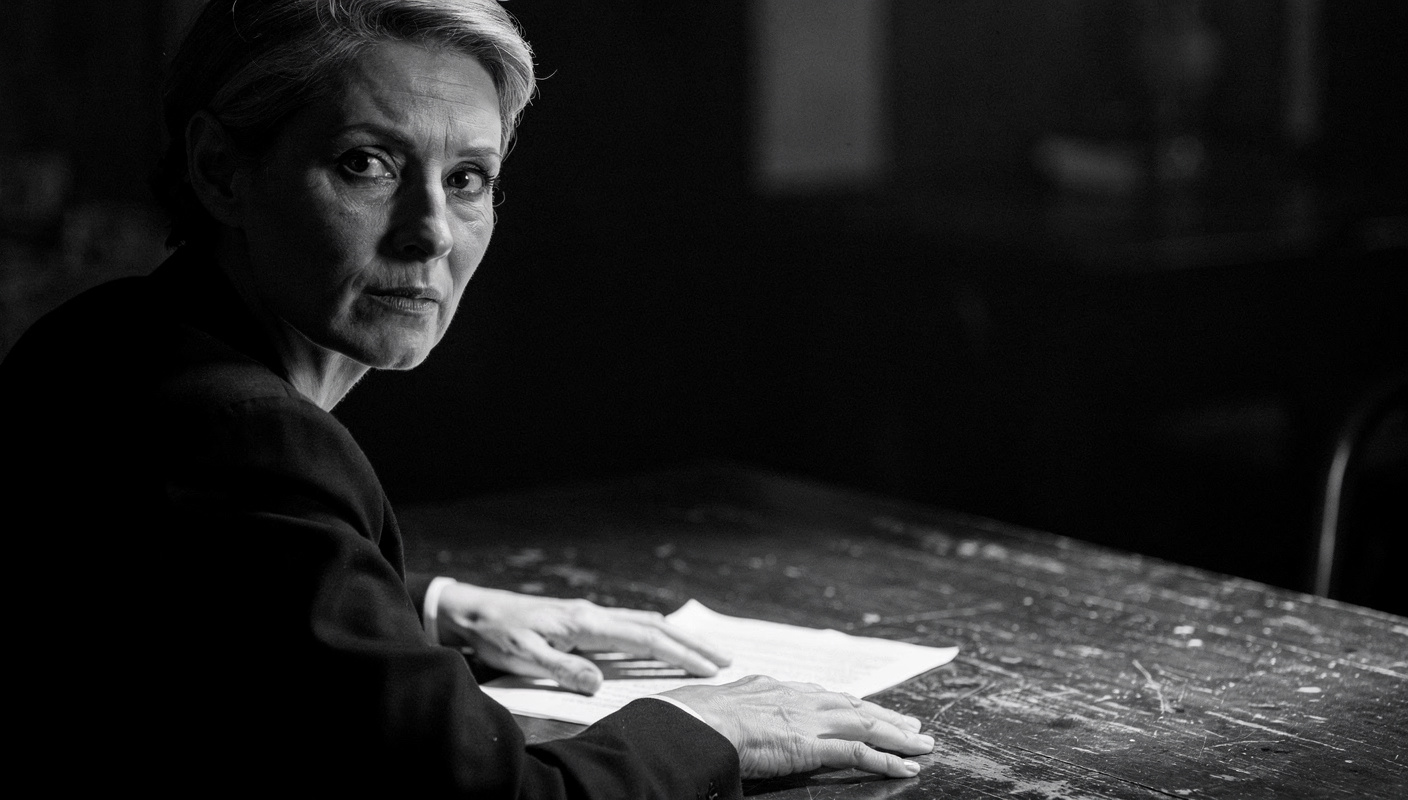
Sustained eye contact becomes the primary signal of respect and engagement. You are not staring. You are staying. There is a meaningful difference, and learning to feel it in your own body is part of what it means to practice this well. A natural gaze that holds for three to five seconds, softens briefly, and then returns is very different from the rigid, unblinking glare that makes someone feel they are being interrogated.
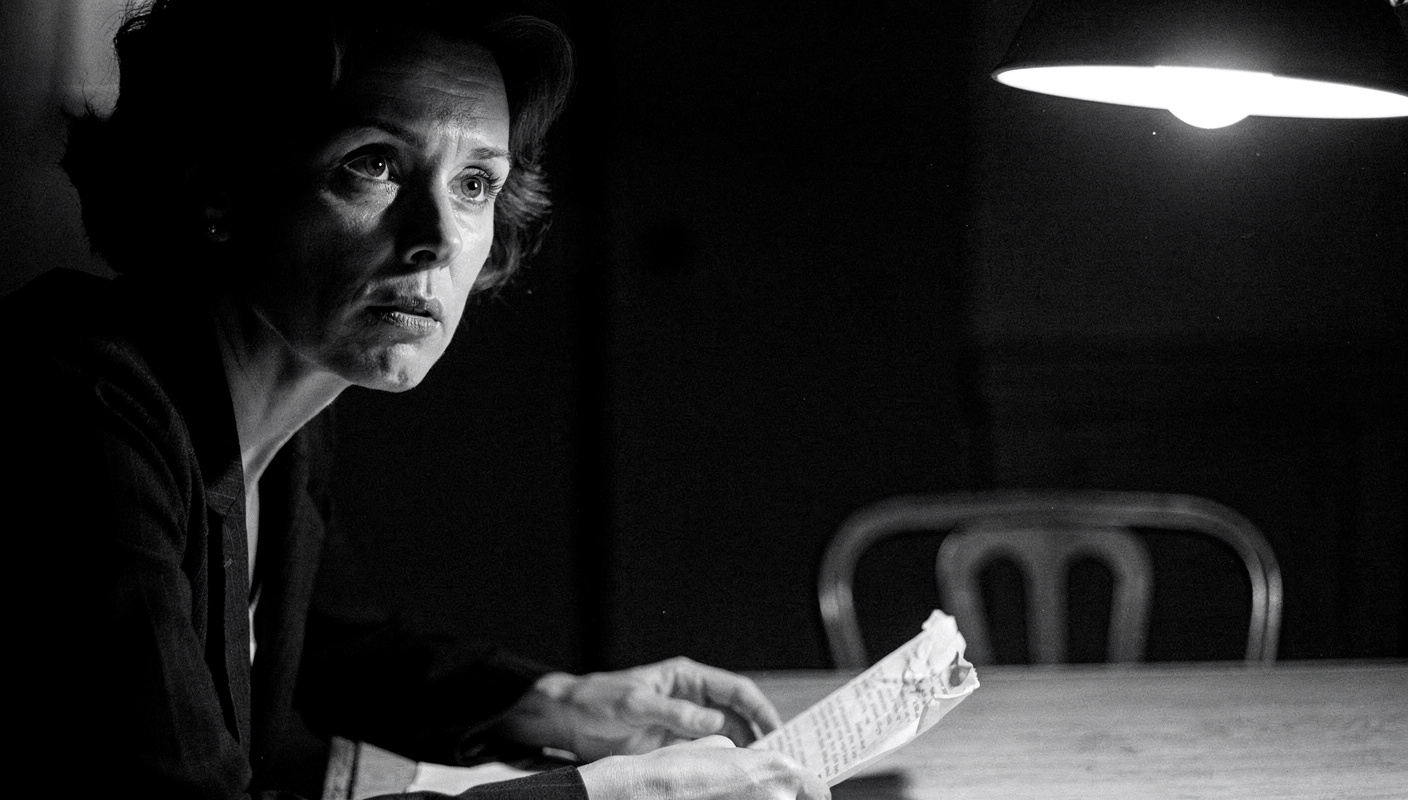
The quality of your gaze shifts too. In small talk, your eyes are alert but neutral. In serious conversation, they need to carry attentiveness. Your brows respond to what you hear. Your expression follows the weight of their words. This is not performance. It is what real listening looks like from the outside, and the person speaking reads it immediately. If you want to understand how nonverbal signals escalate or calm the emotional temperature in a room, the treatment in Nonverbal Communication in Tense Situations is worth your time.
The Comparison: Gaze in Two Conversational Registers
| Dimension | Small Talk Eye Contact | Serious Topic Eye Contact |
|---|---|---|
| Duration per glance | Short, intermittent (1–2 seconds) | Sustained, deliberate (3–5 seconds) |
| Quality | Relaxed, neutral | Attentive, emotionally responsive |
| Gaze aversion | Natural and unremarkable | Reads as disengagement or discomfort |
| Function | Social bonding, ease, warmth | Trust-building, validation, presence |
| Facial response | Mild, social | Tracked closely to what is being said |
| Return speed after looking away | Slow, unhurried | Prompt; signals you are still engaged |
| Risk of getting it wrong | Low | High; misread gaze can end the conversation |
What the table does not capture is how the shift feels in real time. In small talk, you barely notice your own gaze. It moves naturally. In serious conversation, your attention to where your eyes are becomes a conscious act, or it should.
The biggest contrast is in what gaze aversion communicates. Look away during a lighthearted story and nobody notices. Look away repeatedly when someone is telling you about a problem at work, or a worry they have been carrying, and they notice immediately. The research does not need to confirm this; you have felt it yourself. You know the sinking feeling of realising someone is not truly with you when you are trying to say something that matters.
That is precisely why The Role of Communication in Meeting Success treats eye contact as a foundational skill, not an afterthought. In any setting where decisions carry weight, the gaze of those in the room tells you more than the words.
The Grey Area: Where Casual and Serious Eye Contact Overlap
Here is the truth of it: the transition between registers is never a clean line. Conversations drift. Small talk can surface into something serious in a single sentence, and serious topics sometimes need a moment of levity that brings the gaze back down.
There is also a temperament factor. Some people hold strong, sustained eye contact naturally in all conversations. Others use less, even when they are fully engaged. You learn to read the individual in front of you, not an abstract standard. What matters is the direction of change: does your eye contact deepen as the conversation deepens? That movement is what the other person is tracking.
Direct gaze in both registers shares one function: it communicates respect. Whether you are sharing a laugh or sitting with someone through a difficult disclosure, looking at them says they have your attention. The difference lies in how much, how steadily, and how expressively that gaze is maintained.
Three Ways This Goes Wrong
People confuse small talk and serious eye contact more often than they realise. Here are the three most common errors, and what actually drives them.
The mistake: Keeping casual, wandering gaze when a colleague transitions into a serious concern.
Why it happens: The person did not signal the shift clearly, so you missed the cue and your gaze continued on its old pattern.
What to do instead: Train yourself to listen for tonal shifts in the other person's voice. When the energy changes, your eyes should return and hold.
The mistake: Overcorrecting into an unbroken stare during a difficult conversation.
Why it happens: You have read or been told that eye contact matters in serious moments, so you lock on, afraid to look away.
What to do instead: Allow your gaze to soften and briefly shift every few seconds. This is what attentive listening actually looks like; sustained does not mean relentless.
The mistake: Treating a workplace serious conversation with the same soft, wandering eye contact you use in social small talk.
Why it happens: You want to appear relaxed and non-threatening, so you dial back intensity without realising you are dialling back presence.
What to do instead: Understand that in professional settings, measured, steady eye contact communicates competence and care simultaneously. It is not aggression; it is attention. When conflict is already in the room, this distinction becomes critical. How to Handle Conflict During Meetings covers how your gaze either settles or inflames the dynamic.
Reading the Other Person's Eye Contact as the Conversation Deepens
Your own eye contact is only half of what is happening. The other person's gaze tells you whether you are landing correctly.
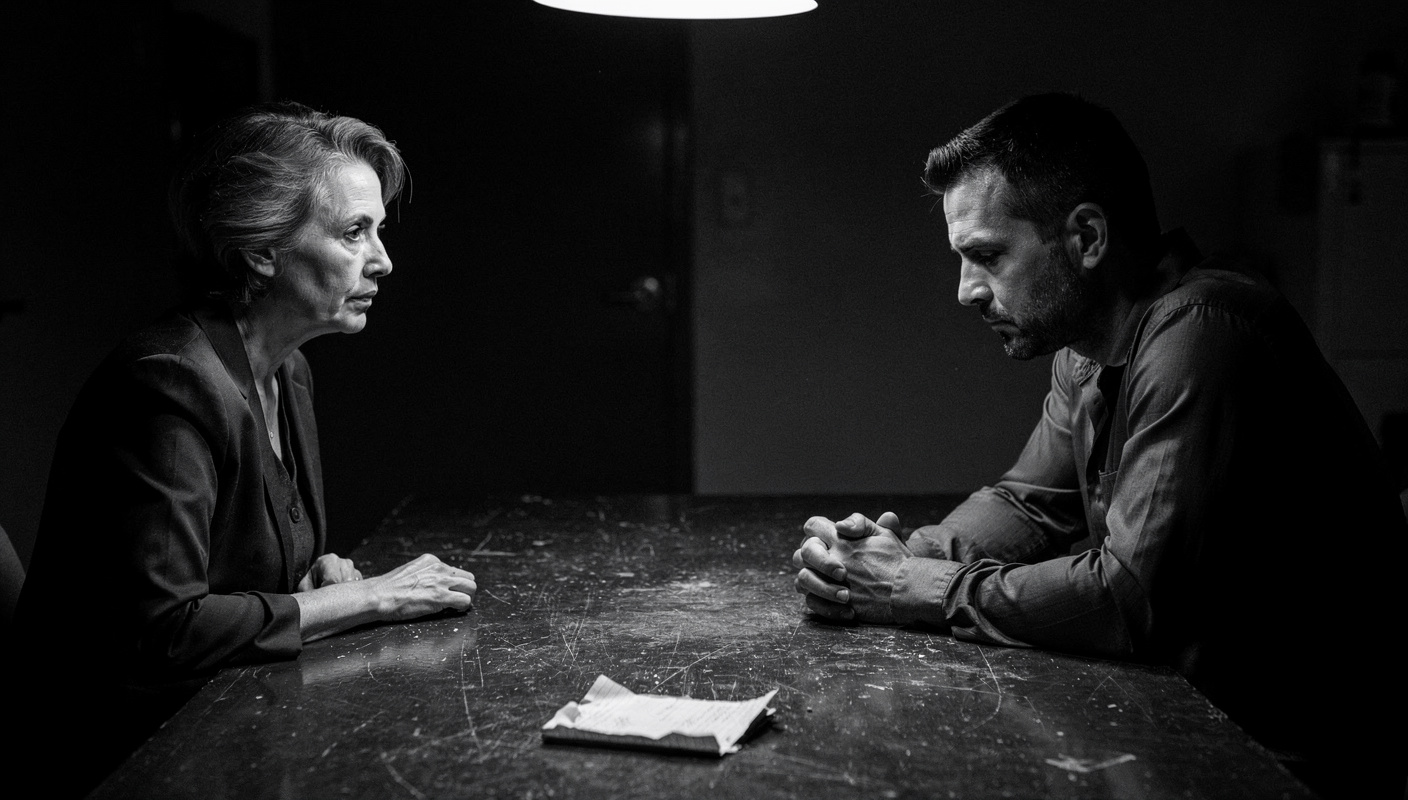
When someone drops their eyes during a serious topic, it often means they are processing something difficult, not that they have lost interest. Give them that space. Do not fill it with words. Hold your own gaze steady and let them return to it when they are ready. That patience is a form of respect.
When someone holds your gaze more than usual, they are asking for something: acknowledgment, connection, or confirmation that you are genuinely present. This is the moment to still yourself. Put down whatever is in your hands. Let your face do what it would do if you were listening to someone you deeply trust.
If someone avoids your gaze entirely, they may be carrying something they are not yet ready to say directly. Do not push. Do not increase your own gaze intensity as a prompt. Hold a warm, open expression and leave room. That approach to de-escalating emotional pressure through nonverbal means is detailed in How to De-escalate Arguments During Meetings.
When Your Gaze Needs to Slow Down, Not Speed Up
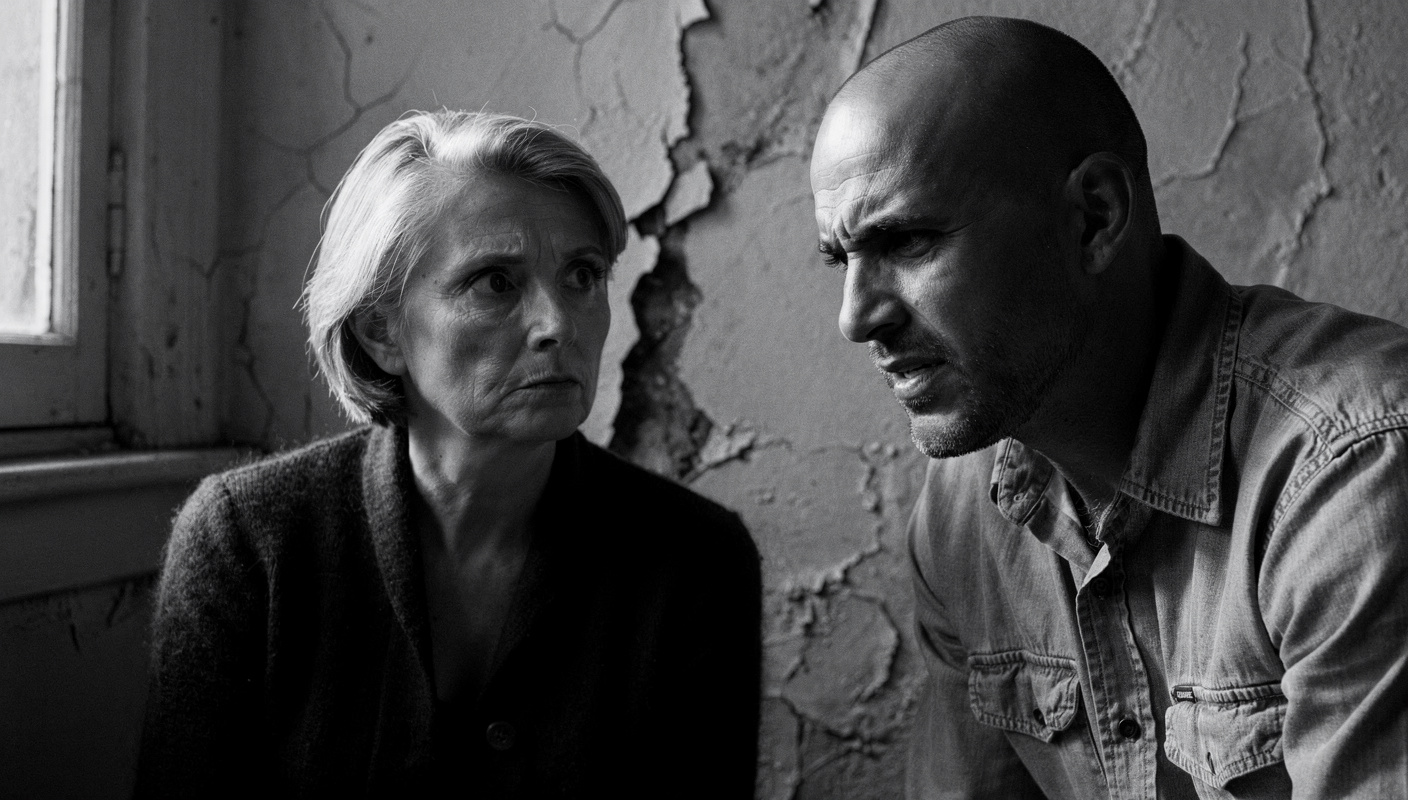
There is a particular kind of serious conversation where the instinct to intensify eye contact is exactly the wrong move. When someone is upset, or when the emotional charge in a room is already high, leaning into strong direct gaze can read as confrontational rather than caring.
In those moments, a slightly softened, downward-angled gaze, still attentive but less direct, can lower the temperature. You are not looking away. You are giving the other person room to feel without feeling scrutinised. This is different from the casual gaze of small talk; it is deliberate, considered, and purposeful.
This matters enormously in moments of conflict or emotional spike. When the amygdala is firing and someone is in genuine distress, what they need from you is presence without pressure. What Is the Amygdala Hijack and How Does It Escalate Workplace Tension in High-Pressure Moments explains why the nervous system responds so quickly to perceived threat, and why your gaze is one of the first signals it reads.
Practical Guidance: Applying the Right Gaze for the Right Moment
You do not need a complicated system. You need a habit of noticing when the conversation changes, and adjusting accordingly.
Before a conversation that you know will be serious, take a breath and decide to be present. Set your phone down. Position yourself so your gaze can reach the other person naturally. These small physical choices prepare your body to hold the kind of attention serious conversation requires.
During the conversation, if you notice your gaze has drifted, bring it back without drama. A quiet return of eye contact is enough. If you are the one delivering difficult news, hold your gaze steady through the moments that feel hardest to say. Looking away precisely when the weight lands reads as a withdrawal of care.
After a difficult conversation, do not abruptly return to casual gaze. Let the transition out be as gradual as the transition in was. The other person needs to feel that what was said still matters, even as the conversation finds easier ground. If that conversation was one that damaged a working relationship, the path forward is described in detail in How the B.R.I.D.G.E. Method Rebuilds Working Relationships After Tension Has Created a Genuine Breakdown.
If you want a script to help you open a serious conversation in a way that prepares both of you for a different kind of exchange, Word-for-Word Scripts for De-escalating Tension With a Colleague Before It Becomes a Conflict gives you the exact language to use.
The Shift Is the Skill
After six decades of watching people talk to each other, I am certain of this: most communication failures are not about the words. They happen in the gap between what someone needed to feel and what the other person's body actually communicated.
Eye contact shifts are that gap made visible. The person in front of you is watching your eyes to decide whether to go deeper or pull back. You owe them the attention your gaze can offer, calibrated to what the moment genuinely asks of you. Practice the shift. Notice it in others. Let it become the natural, practised response that eye contact deserves to be.
Frequently Asked Questions (FAQ)
What are eye contact shifts in conversation?
Eye contact shifts are the natural changes in gaze pattern that occur as a conversation moves between registers. In casual talk, gaze is relaxed and intermittent. In serious discussion, it becomes more sustained and deliberate. Reading these shifts helps you stay emotionally attuned to the other person.
How much eye contact is appropriate during serious topics?
During serious topics, steady and sustained eye contact signals that you are fully present. Aim to hold a natural gaze for most of the exchange, with brief breaks every few seconds so it does not feel like a stare. The goal is attentive presence, not an unblinking contest.
Why does eye contact feel different in small talk versus serious conversation?
Small talk is low-stakes, so gaze wanders naturally without harm to connection. Serious conversation carries emotional weight, and looking away too often reads as indifference or discomfort. The same gaze behaviour that feels relaxed in casual talk can feel dismissive when the topic is difficult.
What happens when eye contact shifts go wrong mid-conversation?
When gaze does not adjust as the conversation deepens, the other person often feels unseen or dismissed. Holding casual, wandering eye contact during a serious topic signals that you are not fully engaged. Conversely, drilling someone with an intense stare during small talk creates unnecessary pressure.
How can I use eye contact to signal I am listening during a difficult conversation?
Maintain a steady, soft gaze rather than a hard stare. Allow your face to respond to what you hear. Brief, natural breaks in eye contact are fine, especially when the other person is processing something difficult. The key is returning your gaze consistently, so the person knows you have not checked out.
Do eye contact rules differ in workplace serious conversations versus personal ones?
The core principle is the same: more sustained gaze signals more serious attention. In workplace settings, slightly softer eye contact can feel safer because it reduces the sense of confrontation. In personal conversations, closer and warmer gaze tends to reinforce emotional connection rather than threaten it.