
In Short
Nonverbal communication in tense situations is deciding outcomes before the first word lands. Your posture, gaze, and tone either trigger the other person's defences or lower them.
- The body sends threat signals faster than speech, and the other person responds to those signals first.
- Most people cannot see their own nonverbal behaviour under pressure, which is why tension escalates without anyone intending it.
- Preparing your physical presence before a difficult conversation is as important as preparing your words.
Nonverbal communication in tense situations encompasses all the signals your body transmits during conflict or pressure: posture, eye contact, facial expression, physical distance, gesture, and vocal tone. These cues reach the other person's nervous system before language does, shaping whether they feel safe enough to listen.
Why Tense Conversations Are Won or Lost Before Anyone Speaks
I have sat in hundreds of difficult conversations over the years. Performance reviews gone wrong. Team confrontations that started civil and turned hostile inside two minutes. Negotiations that collapsed before the core issue was ever named. And for a long time, I focused on what people said. The words, the framing, the arguments.
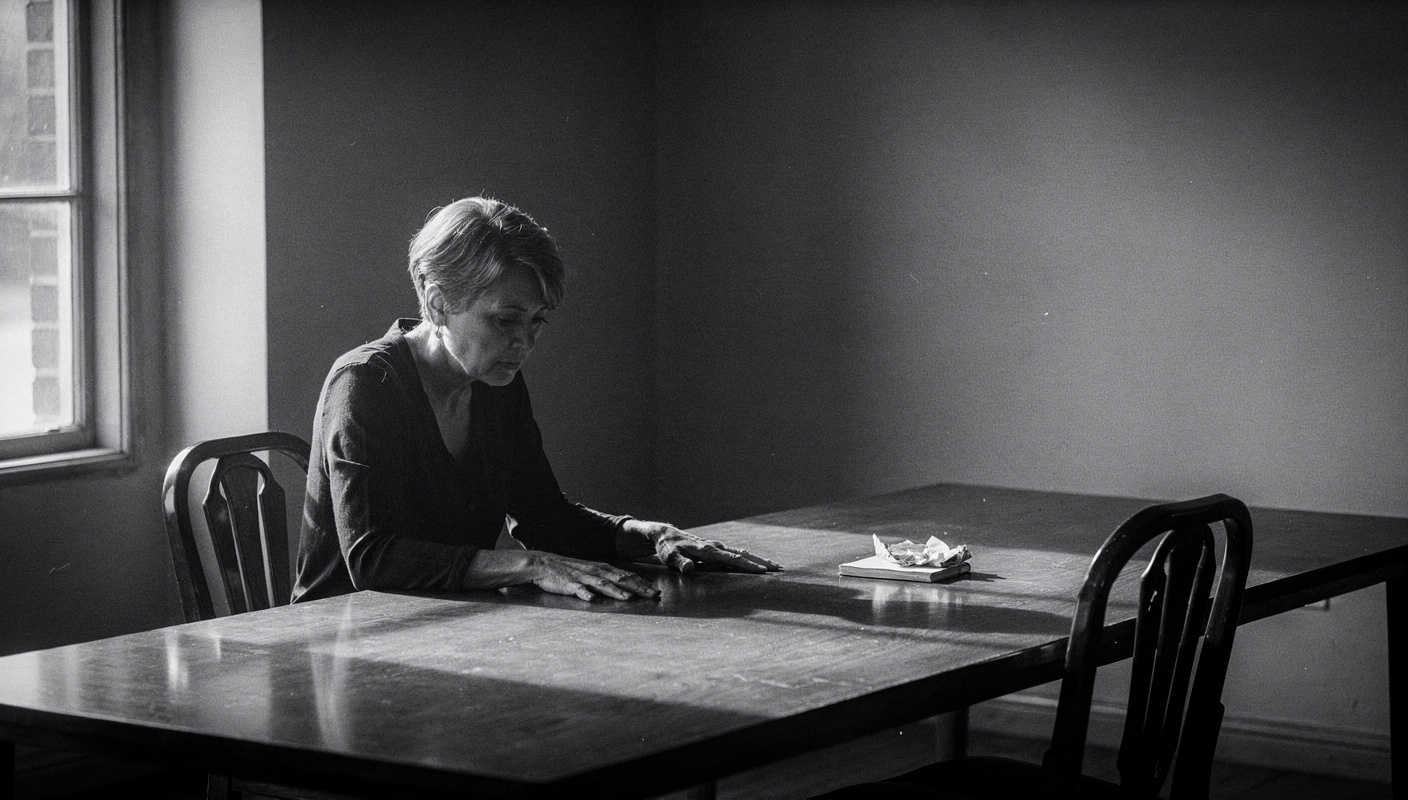
What I eventually understood is that the conversation was frequently over before anyone had finished their first sentence. Sometimes before anyone had spoken at all. The body had already broadcast the message. The other person had already decided whether this was a threat or a conversation.
Nonverbal communication in tense situations is not a soft concern sitting at the edges of conflict management. It is the engine underneath. Every technique you apply, every careful word you choose, every framework for staying grounded during a tense conversation depends, in the end, on whether your body is broadcasting safety or alarm. Until you understand why, you will keep watching good strategies fail.
"The Conversation You're Avoiding Is the One You Need to Have."
"The Conversation You're Avoiding
Is the One You Need to Have."
Stop rehearsing conversations you'll never have. Say It Right Every Time gives you 115 word-for-word scripts and 16 proven frameworks to speak with confidence in every conversation that matters.
The Nervous System Reads the Room Before You Do
Here is the truth of it: your brain has a system whose entire job is to scan other people for signs of danger. It does this constantly, well below conscious awareness, and it is extraordinarily fast. It reads posture, micro-expressions, the tension around someone's eyes, the angle of their jaw, the rhythm of their breathing. It makes a threat assessment in fractions of a second.
When that system detects a potential threat, the body responds. Shoulders tighten. Breathing shallows. The voice climbs in pitch or hardens in tone. Eye contact either drops away or locks in with an intensity that reads as aggression. These responses happen without instruction. They are physiological, not chosen.
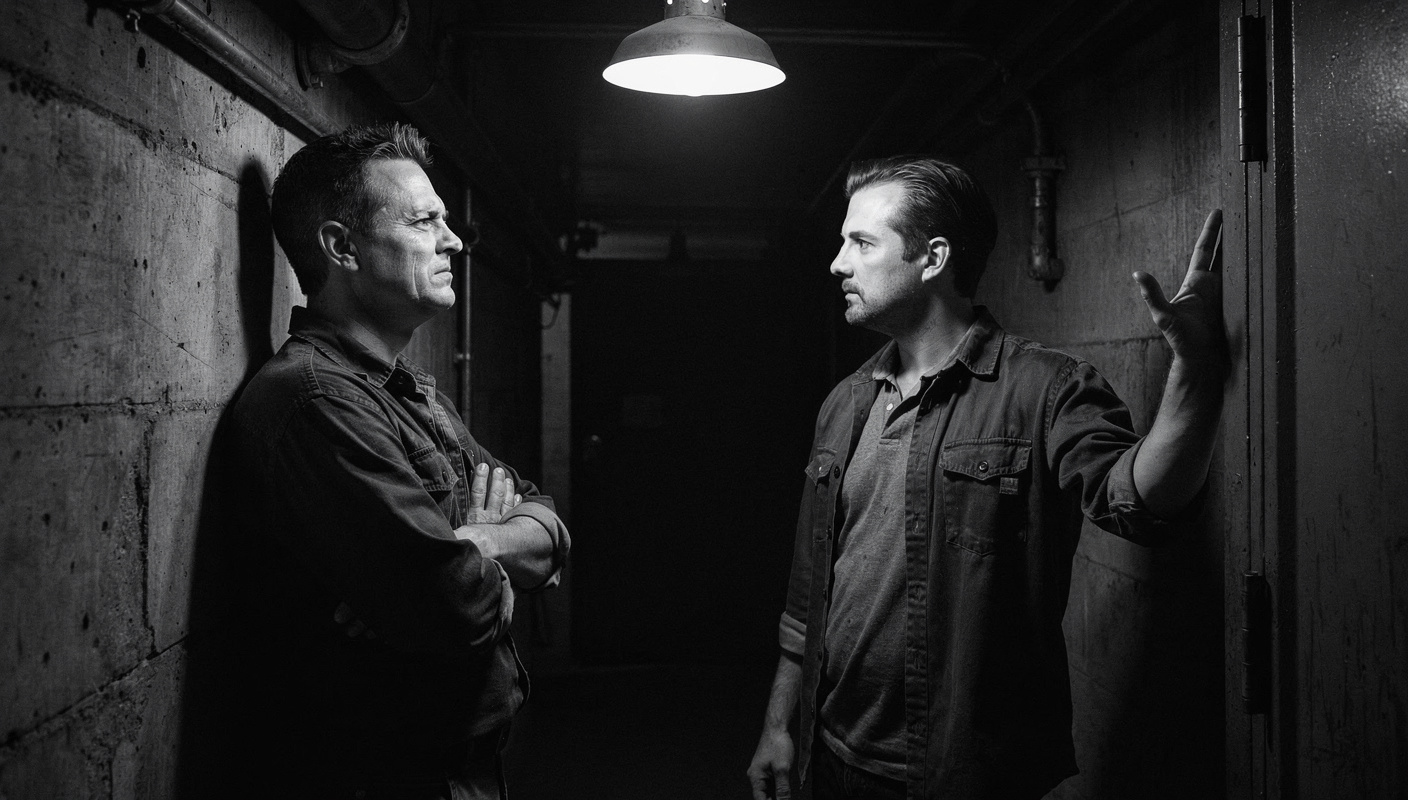
The critical problem in tense workplace exchanges is that both people's nervous systems are doing this simultaneously. One person's tension response triggers the other person's threat detection, which triggers a stronger response in the first person, and so on. This is not a communication breakdown caused by misunderstanding. It is an escalation loop driven by the body's own signals, running faster than either person can think.
This is related to what happens during an amygdala hijack: the rational brain gets effectively offline while the survival brain takes over. The practical consequence is that trying to de-escalate a tense conversation purely through better words is like trying to change course by adjusting the sails while the anchor is still down. You must address what the body is doing first.
What Escalation Actually Looks Like in a Real Room
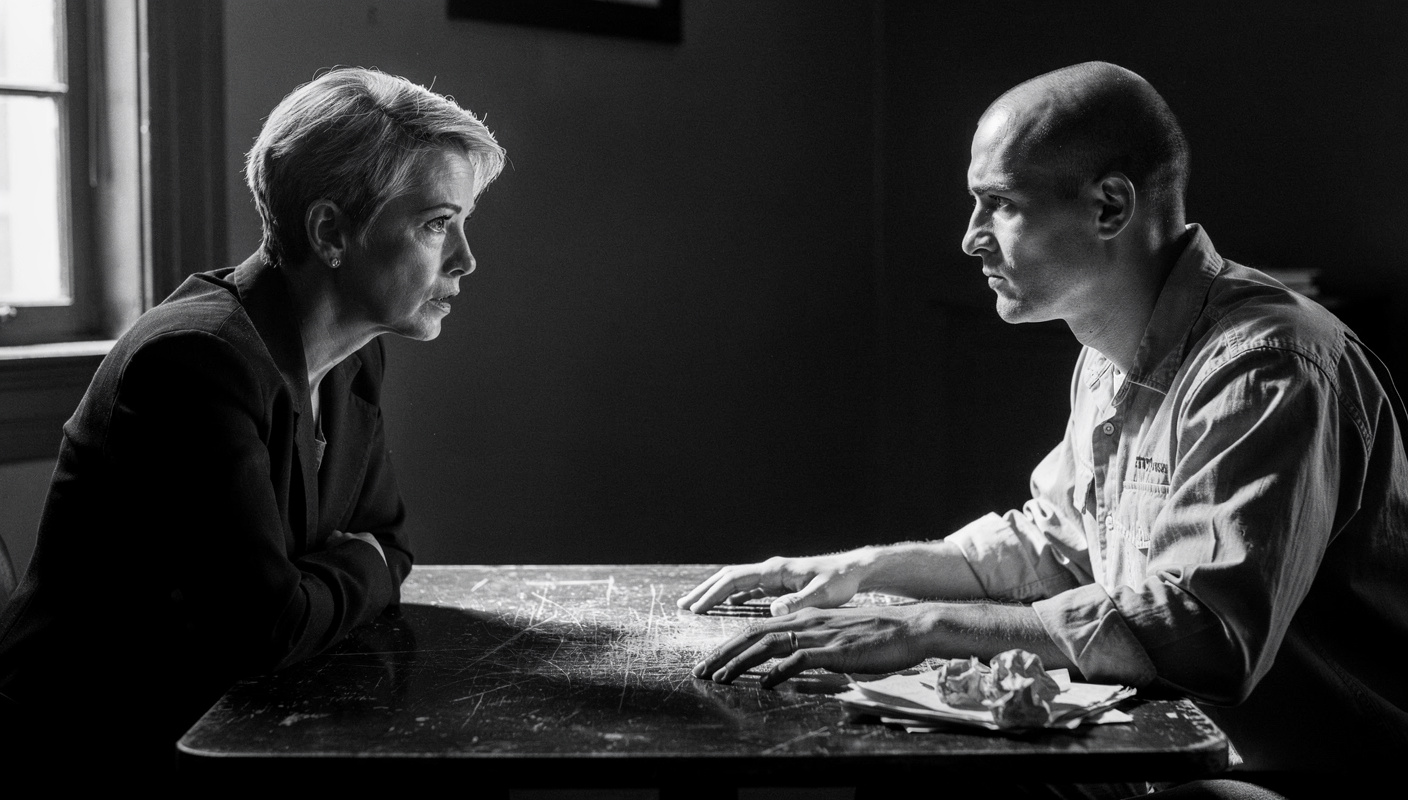
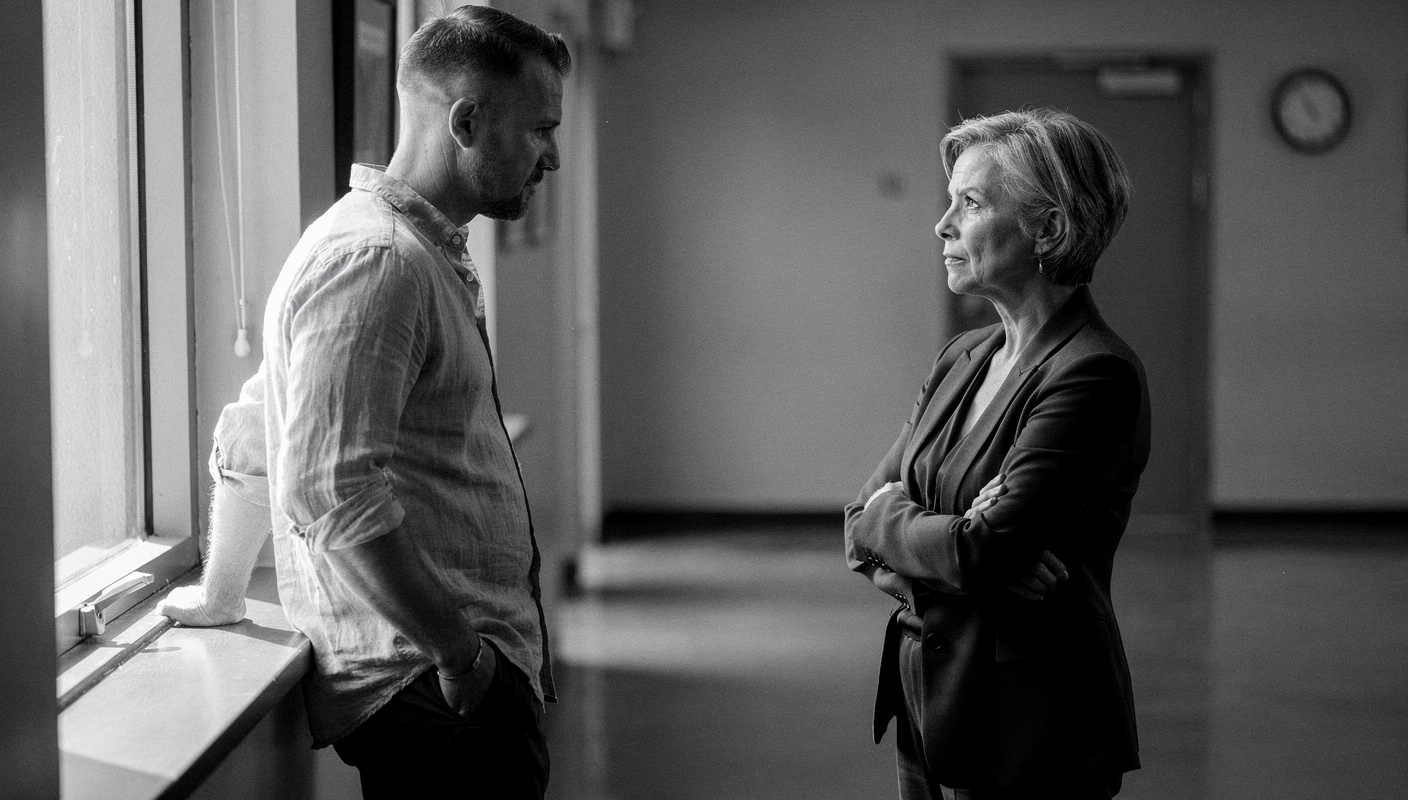
Consider this scene. A manager calls a team member in to address a missed deadline. The manager has prepared her points carefully. She has thought through the feedback. But she is also frustrated, and she does not realise that frustration is written across her body. She is sitting upright and squared, arms folded across her chest, chin slightly raised. When the team member walks in, she does not smile. She gestures to the chair across from her desk.
The team member sits down and reads all of this in under two seconds. Crossed arms. Hard posture. No greeting. The body has sent a clear signal: you are in trouble. The team member's own threat response activates. His jaw tightens. His shoulders come up. He crosses his own arms. He is now defended, not open.
The manager has not said a word yet. The conversation has already taken the shape of a confrontation.
Now imagine the same manager, same frustration, but she has taken thirty seconds before the meeting to unclench her hands, open her posture, and slow her breathing. She stands at the door when the team member arrives rather than sitting across the desk. She makes eye contact that is steady rather than hard. She gestures to two chairs positioned at an angle rather than across from each other.
Nothing about the content has changed. The feedback is identical. But the container for that feedback is now entirely different. This is what unmet needs driving team conflict often look like at the physical level: two people too defended to hear each other, because the bodies in the room declared war before the mouths opened.
The Signals Most People Send Without Knowing It
There are specific nonverbal behaviours that reliably trigger tension in others. Most people who use them have no idea they are doing so. Under pressure, these patterns intensify.
Narrowed eye contact held too long. Sustained hard eye contact without softening or breaking away signals dominance or aggression. It tells the other person's nervous system that they are being assessed as prey. Soft, intermittent eye contact communicates interest and respect.
Claiming space while the other person shrinks. Leaning forward, spreading arms on the table, or standing when the other person is seated all signal physical dominance. The other person's threat response engages whether they recognise why or not.
A clipped, fast vocal pace. Speed in speech during conflict reads as impatience or contempt. It signals that the other person's words are barely worth waiting for. Slowing down, even slightly, is one of the most powerful tools you have for reducing tension in a room.
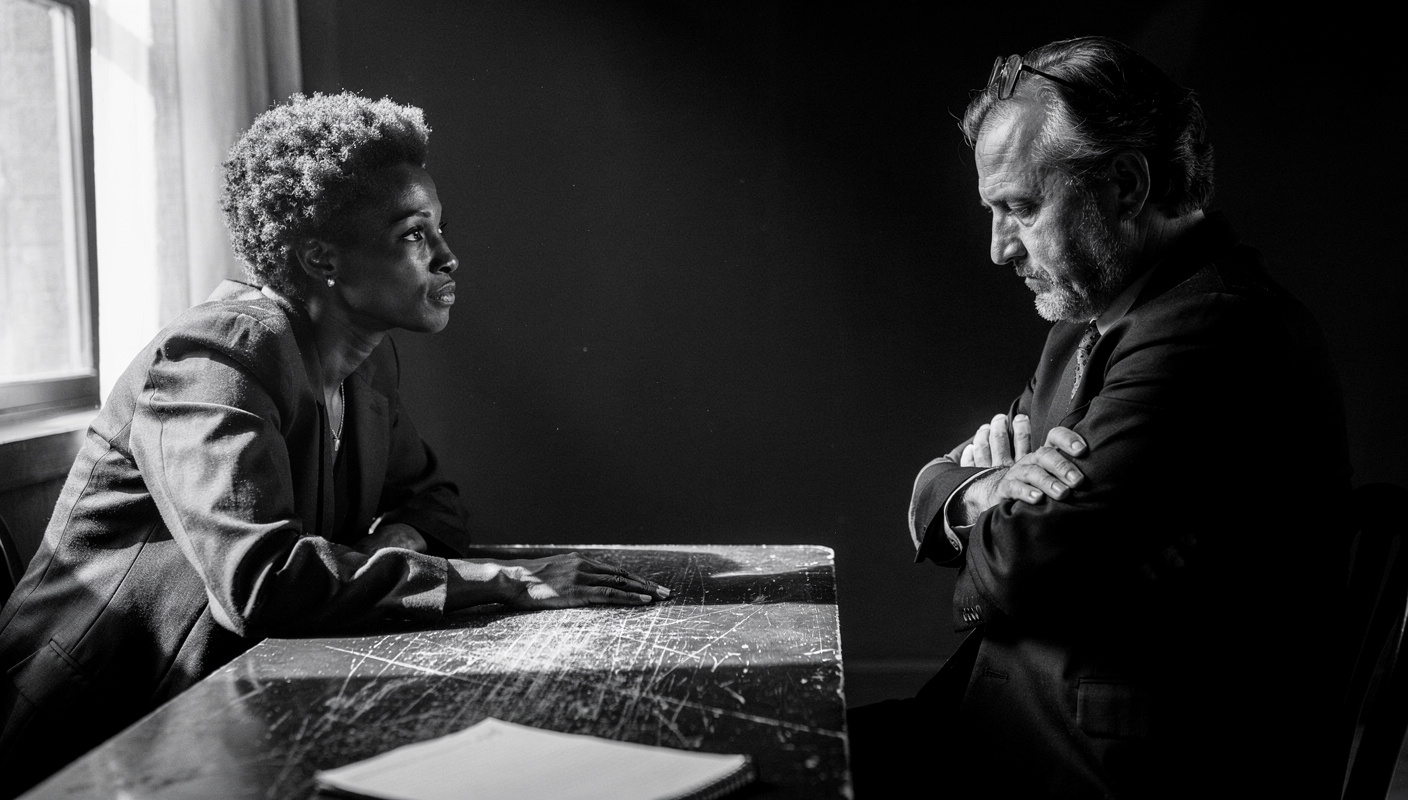
Closed or turned-away posture. Angling your body away, crossing your arms, or pulling your hands below the table edge all signal withdrawal or withholding. The other person may not name what they are picking up, but they feel less trusted and less safe.
Improving the quality of feedback conversations, as I discuss in why effective feedback is the backbone of workplace growth, depends on establishing physical safety first. Without it, even well-crafted feedback triggers defensiveness before it can land.
Why You Cannot See Your Own Signals Under Pressure
This is the part that most people resist. They know what good body language looks like. They have read about it. They believe they are practising it. And they are genuinely shocked when someone tells them they looked aggressive, cold, or closed in a difficult conversation.
Under pressure, your attention narrows outward. You are scanning the other person for signs of hostility, resistance, or threat. You are tracking their words, their expression, their tone. All of your cognitive resources are pointed outward. There is nothing left for inward observation.
This is why people can describe in precise detail what the other person looked like during a confrontation, but cannot recall what their own face or hands were doing. They were not watching themselves. Their nervous system was not interested in their own signals. It was focused entirely on the perceived threat across the room.
The practical consequence is clear: you cannot correct what you cannot see in the moment. You must prepare before the conversation, not during it. This is the same principle that applies when an amygdala hijack sabotages a feedback conversation: the reactive state closes off the very self-awareness you need. Preparation before activation is the only reliable window.
How to Prepare Your Body Before a Difficult Conversation
Preparing your physical presence before a tense conversation is not soft work. It is the most practical form of preparation available to you. Here is what to do.
Slow your breathing, deliberately. Extending the exhale longer than the inhale directly signals your nervous system to lower its threat response. This is not metaphor. It is physiology. Four counts in, six counts out, for two minutes before you walk in. Your posture will soften automatically because the underlying physiological state has changed.
Choose the room geometry consciously. Where you sit relative to the other person carries meaning. Across a desk is adversarial. Beside them is too intimate during conflict. At an angle, without a large barrier between you, suggests collaboration without eliminating the boundary both people need. When you run productive meetings that don't slide into unresolved tension, this geometry matters as much as the agenda.
Script your opening posture, not just your opening words. Decide specifically: will you stand or sit? Where will your hands be? Will you make eye contact immediately or give the other person a moment to settle? These are not small details. They are the first data your colleague's nervous system will process, and they set the frame for everything that follows.
Practice the physical version of calm. Open hands. Feet flat. Shoulders dropped rather than raised. Chin level, not tilted up. Breathing visible, not held. You can practise this posture in thirty seconds before you enter a room, and it changes both how you are read and, because the body and mind are not separate systems, how you actually feel.
When you are working to defuse tension between two colleagues who will not cooperate, your own body is the first variable to manage. You cannot regulate two other nervous systems if your own is already broadcasting alarm.
The Ground Beneath the Words
In sixty years of watching people try to communicate across tension, I have never seen a conversation saved by the right words alone. I have seen conversations saved by the pause before the words. By the open hands on the table. By the chair pulled slightly sideways instead of squared for combat. By the voice that slowed down when everything in the room was speeding up.
Nonverbal communication in tense situations is not an afterthought to the message. It is the ground the message either holds or collapses on. Master what your body is doing, and the words you have prepared will finally have somewhere to land.
Frequently Asked Questions (FAQ)
What is nonverbal communication in tense situations?
Nonverbal communication in tense situations refers to the signals your body sends during conflict or high-pressure exchanges, including posture, eye contact, facial expression, and physical distance. These signals often shape how the other person responds before a single word is spoken.
How does body language escalate workplace tension?
Crossed arms, a hard stare, a raised chin, or moving into someone's personal space can all trigger a threat response in the other person. When people feel physically threatened, even subtly, they stop listening and start defending. The body reads the room before the brain does.
Can you control your nonverbal signals during a tense conversation?
Yes, but it takes deliberate preparation and practice. Slowing your breathing lowers your physiological arousal, which softens your posture and expression naturally. Thinking through your physical stance before a difficult conversation gives you a real advantage when the pressure rises.
What nonverbal signals help de-escalate conflict at work?
Open palms, a slight forward lean without crowding, steady but soft eye contact, and a lowered vocal tone all signal safety rather than threat. Matching the other person's pace and volume gradually, then slowing down, is one of the most effective tools for reducing tension.
Why do people miss their own nonverbal signals in tense moments?
Under pressure, the nervous system narrows attention to perceived threat. You become focused outward on the other person rather than inward on yourself. Most people can describe exactly how the other person looked but cannot recall what their own face or body was doing.
How does vocal tone affect tension in a difficult conversation?
Vocal tone carries more emotional weight than most people realise. A sharp, clipped delivery signals impatience or contempt even when the words are neutral. Slowing down, lowering the pitch slightly, and leaving genuine pauses signals that you are in control and not a threat.