
In Short
A room does not warm itself. Before any formal presentation or meeting, the social temperature needs deliberate attention. Icebreakers for meetings are the tool for that job: short, well-chosen openers that reduce tension, invite participation, and create the conditions where your actual content can land.
- Choose an icebreaker that connects to your topic and asks nothing too personal.
- Run it with confidence and a clear time boundary.
- Move directly into your content once the room has shifted.
Icebreakers for meetings are short, structured activities or questions used at the opening of a gathering to reduce social tension, invite early participation, and create a foundation of shared experience before the main agenda begins. They are preparation tools, not entertainment.
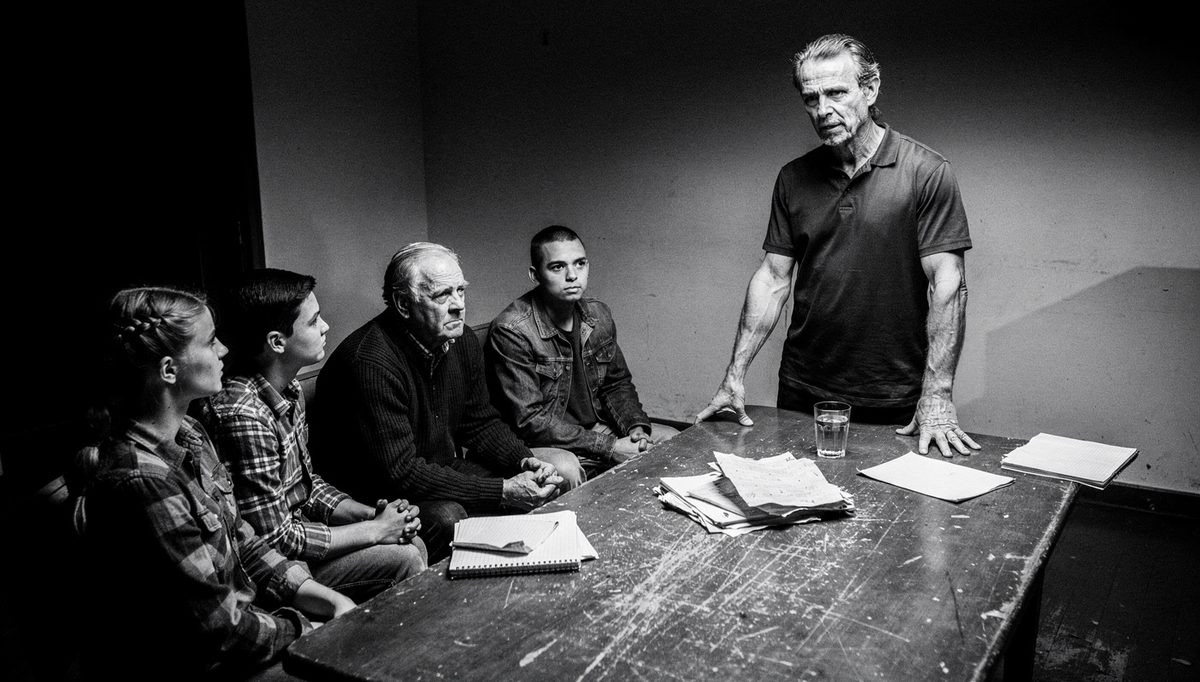
I have watched a senior manager walk into a boardroom, clear her throat, and open with a slide deck before a single person in the room had made eye contact with another. The content was strong. The preparation was thorough. But the room was frozen, and it stayed that way for the first twenty minutes. Icebreakers were not on her agenda. They were not even on her radar. And it cost her the most important part of her presentation: the beginning.
Warming up a cold room before a formal meeting is one of the most overlooked communication skills in professional life. People prepare the content and ignore the climate. They rehearse what they will say and never consider the state of the people they are saying it to. This guide gives you a process that works: a sequence of steps for choosing, preparing, and running icebreakers for meetings that shift the room before you need it to move.
Why a Cold Room Is a Real Problem, Not Just Discomfort
A cold room is not simply awkward. It is a communication barrier that sits between you and your audience from the moment people arrive.
When people file into a formal meeting, they bring their own preoccupations, anxieties, and social defences. They are not yet present. They are sitting inside their own heads, checking phones, avoiding eye contact, calculating where they stand in the room's hierarchy. The social contract between you and them has not yet been established.
When you begin presenting into that state, you are pushing uphill. People are not yet ready to receive what you have to say. The first few minutes of your content are absorbed by a room that is still settling, still assessing, still deciding whether to trust you. That is not a feeling. That is what is happening in the room.
Icebreakers work because they interrupt that state before it calcifies. A well-placed opener gives people something small and safe to respond to, and that response, however brief, moves them from passive to active. Once a person has spoken or responded in any way, they are more invested. They are inside the conversation, not watching it from outside.
For more on how communication shapes what happens in a meeting from start to finish, the piece on The Role of Communication in Meeting Success is worth your time.
"The Conversation You're Avoiding Is the One You Need to Have."
"The Conversation You're Avoiding
Is the One You Need to Have."
Stop rehearsing conversations you'll never have. Say It Right Every Time gives you 115 word-for-word scripts and 16 proven frameworks to speak with confidence in every conversation that matters.
Before You Choose an Icebreaker, Get These Three Things Right
The process I am about to give you depends on a few conditions being in place. Without them, even the best icebreaker lands wrong.
Know your room. Before you select any opener, ask yourself: Who is in this room? Do they know each other? Are they colleagues, strangers, or a mix? Is this a room with existing tension, or simply a cold formal setting? The answer determines the risk level your icebreaker can carry. A group of strangers needs a lower-risk prompt than a team that works together daily.
Know your time. An icebreaker without a time boundary becomes a conversation that steals from your agenda. Decide before you walk in how long you will give it. Two to five minutes is almost always the right range. Set that boundary internally and keep it.
Know your purpose. An icebreaker should connect, even loosely, to why the room has gathered. A completely random opener feels like a delay. A relevant one feels like an entry point. The connection does not need to be exact, but it should exist.
The Six-Step Process for Warming Up Any Room
Step 1: Choose One Question, Not a Game
Resist the instinct to find something clever. The most reliable icebreakers are simple, direct questions that anyone in the room can answer without preparation or special knowledge.
A strong opening question has three qualities: it is easy to answer, it is professionally safe, and it relates to the meeting's purpose. Something like: "Before we start, I would like to hear one word that describes how you are walking into this room today." Or, for a more topic-connected opener: "In one sentence, what is the biggest question you are hoping this session answers?"
Avoid anything that requires people to share personal information, demonstrate expertise they may not have, or compete with others. Games with winners and losers create tension rather than dissolving it. If you need inspiration on formats that work for teams specifically, Effective Icebreakers for Team Meetings covers that ground well.
Step 2: Prepare Your Setup Script
You cannot stumble into an icebreaker. The way you introduce it determines whether people engage or fold their arms.
Write out, word for word, how you will introduce your opener. Keep it short. Three sentences at most. Here is a script that works:
"Before we get into the session, I want to start with one quick question. There are no right answers. I just want to hear a word or a sentence from each of you: what is one thing you are hoping to leave here with today?"
That script does four things: it signals brevity, removes performance pressure, invites participation, and connects the opener to the meeting's purpose. Practice saying it aloud until it sounds natural, not rehearsed.
Step 3: Go First and Keep It Short
When you pose the question, answer it yourself first. This does two things. It models the expected length and tone, and it takes the first risk so your audience does not have to.
If you ask for one word, give one word. If you ask for a sentence, give one sentence. The moment you go long, every person in the room recalibrates upward and the exercise becomes a performance instead of a conversation. Keep your own answer shorter than you think it needs to be.
Then nominate the first respondent by name or by direction. Do not leave it open-ended. "Let us start over here" or "Sarah, would you like to go first?" removes the awkward pause of everyone waiting for someone else to move.
Step 4: Listen Visibly and Respond Briefly
While people respond, your body language is carrying as much information as your words. Make direct eye contact with the person speaking. Nod. Do not look at your notes or your slides. Do not start thinking about your next point.
When someone finishes, reflect back what you heard in one brief phrase. Not a full paraphrase, just an acknowledgement: "Good, so clarity on the timeline." Or simply: "Noted, thank you." This tells the speaker they were heard, and it signals to everyone else that participating is worth doing.
Do not let one person dominate. If someone goes long, a short nod and "thank you, let us hear from the others" keeps the pace without shaming them.
Step 5: Draw a Thread and Close the Loop
When everyone has responded, take thirty seconds to draw a brief connection between what you heard and what the session will cover. This is the step most people skip, and it is the one that makes the difference between an icebreaker that warms the room and one that simply delays the agenda.
Something like: "What I am hearing is that clarity and practical tools are top of mind for most of you. That is exactly where this session goes." That single sentence does the work. It tells people their input was registered, and it links the opener to the content that follows. The room is now leaning forward rather than sitting back.
Step 6: Transition Without Apology
Move into your main content immediately after closing the loop. Do not say "okay, so that was just a quick warm-up." Do not signal that what just happened was a preamble. Simply move. "Let us get into it" or "here is where we start" is enough.
The apology transition, where you frame the icebreaker as something slightly embarrassing that you had to get through, destroys any warmth you just built. The icebreaker was part of the session. Move forward as if it was.
Adapting This Process for Virtual and Remote Settings
In a virtual meeting, the social temperature problem is worse, not better. People arrive with their cameras off, their attention split, and none of the non-verbal cues that help a room self-regulate. The silence feels longer. The awkwardness is amplified.
The core process holds, but two things change. First, you need to give people a low-friction response method. Rather than asking everyone to unmute and speak, consider asking for a typed response in the chat. "Drop one word in the chat: what is the main thing you need from today's session?" The chat fills immediately, you read two or three responses aloud, and the room is in motion within sixty seconds. This is a more reliable entry point than asking strangers to unmute into silence.
Second, keep it tighter than you would in person. Two minutes is the ceiling. Silence lands harder on video calls, and people's tolerance for openers drops when they cannot read the room. Name people directly: "Marcus, I can see you. What is your word?" This keeps the energy moving.
For a fuller picture of what makes virtual gatherings work from start to finish, How to Host Engaging Virtual Meetings is a practical companion to this process. And for the communication principles that hold across all remote formats, Best Practices for Virtual Meeting Communication covers the foundations well.
What People Get Wrong When Running Icebreakers
The mistake: Choosing an icebreaker that is too elaborate. Why it happens: People confuse preparation with complexity and assume a longer activity signals more effort and value. What to do instead: If your icebreaker requires more than two sentences to explain, it is too complicated. Cut it back to a single question with a one-sentence introduction.
The mistake: Asking something too personal for the setting. Why it happens: They have seen icebreakers that work in informal settings and import them unchanged into formal ones. What to do instead: In formal settings, keep questions professionally relevant. "What brought you to this role?" can work. "What is your greatest fear?" cannot.
The mistake: Not participating themselves. Why it happens: They think the facilitator stands apart from the exercise. What to do instead: Always answer your own question first, briefly and honestly. Your willingness to go first is the permission the room needs to follow.
The mistake: Letting it run long. Why it happens: No time boundary was set in advance, and the conversation finds its own level. What to do instead: Decide on a time limit before you start, and keep it. Two to five minutes. Respect for that boundary signals respect for the room's time, which is itself a form of connection.
For more on how humor can ease workplace tension when used carefully, that article pairs well with what is covered here, particularly the warning about misjudging your audience's tolerance. And if you are working with a group from varied backgrounds, Running Inclusive Meetings with Diverse Teams is essential reading for adapting these steps thoughtfully.
Your Pre-Session Icebreaker Checklist
Print this. Use it before your next formal meeting or presentation.
- Question chosen: Is it simple enough for anyone in the room to answer without preparation?
- Purpose connection: Does it link, even loosely, to why the room has gathered?
- Risk level calibrated: Does the question ask nothing too personal for this group's familiarity with each other?
- Setup script prepared: Have you written out exactly how you will introduce it, in three sentences or fewer?
- Your own answer ready: Do you know what you will say when you model the response?
- First respondent identified: Do you know who you will call on after yourself?
- Time boundary set: Have you decided how long this will run, and do you have a plan for closing it?
- Closing thread planned: Do you have a one-sentence link between what you will hear and what comes next?
- Transition prepared: Do you know how you will move into your main content without apologising for the opener?
- Virtual adaptation considered: If running online, have you chosen a chat or poll option over an open microphone?
If you want to sharpen your overall meeting structure around this, How to Run Productive Meetings That Don't Waste Time is a strong next read.
The Room Is Your First Audience
Here is the truth of it. The content of your presentation is not the first thing your audience experiences. The room is. The atmosphere is. The thirty seconds before you speak are communicating something, and if you have not shaped them, the room will shape them for you.
Every group I have ever stood in front of, whether it was twelve managers in a boardroom or sixty staff in a conference hall, needed the same thing before they could listen: a moment to arrive. Icebreakers for meetings are how you give them that moment deliberately, rather than waiting for it to happen on its own, which it rarely does.
The process in this guide is not complicated. One clear question. A short script. Go first. Listen. Draw a thread. Move forward. That sequence, practised and prepared, turns a frozen room into a ready one. And a ready room is the best possible foundation for everything you have come to say.
Frequently Asked Questions (FAQ)
What are icebreakers for meetings and why do they matter?
Icebreakers for meetings are short, structured activities or questions used at the start of a gathering to reduce social tension and invite participation. They matter because a cold, silent room resists communication. A well-chosen icebreaker shifts that energy before the real work begins.
How long should an icebreaker last before a formal presentation?
Most icebreakers for meetings should run between two and five minutes. Shorter than that and the room does not have time to settle. Longer than that and you risk burning the attention people brought for your main content. Precision matters more than duration.
What makes a good icebreaker for a formal or serious meeting?
A good icebreaker for a formal meeting is relevant, low-risk, and quick to complete. It should connect loosely to the topic at hand, ask nothing too personal, and require no special knowledge. The goal is shared experience, not entertainment or games that feel out of place.
How do you use icebreakers with people who do not know each other?
Start with a single, simple question that anyone can answer with confidence. Keep it professional and connected to the meeting purpose. Give people time to respond briefly, then move forward. Unfamiliar groups need lower risk, not more elaborate activities. A one-sentence answer each is enough.
Can icebreakers work in virtual or remote meetings?
Yes, but they need adapting. In virtual settings, structure matters more than in person. Use a typed chat response, a quick poll, or a one-word check-in to give everyone a low-effort entry point. Silence on a video call feels longer, so move faster than you would face to face.
What should you avoid when choosing an icebreaker for a meeting?
Avoid anything requiring physical movement, personal disclosure, or humour that depends on shared cultural context. Skip trivia games that create winners and losers. Never use an icebreaker that takes longer to explain than to complete. If people need a rulebook, choose something simpler.
How do you recover if your icebreaker falls flat?
Acknowledge it briefly and move on. Say something like: that one landed quietly, let us get into the session. Do not over-explain or apologise at length. The faster you transition to the main content with confidence, the less the flat moment matters. Dwelling on it makes it worse.