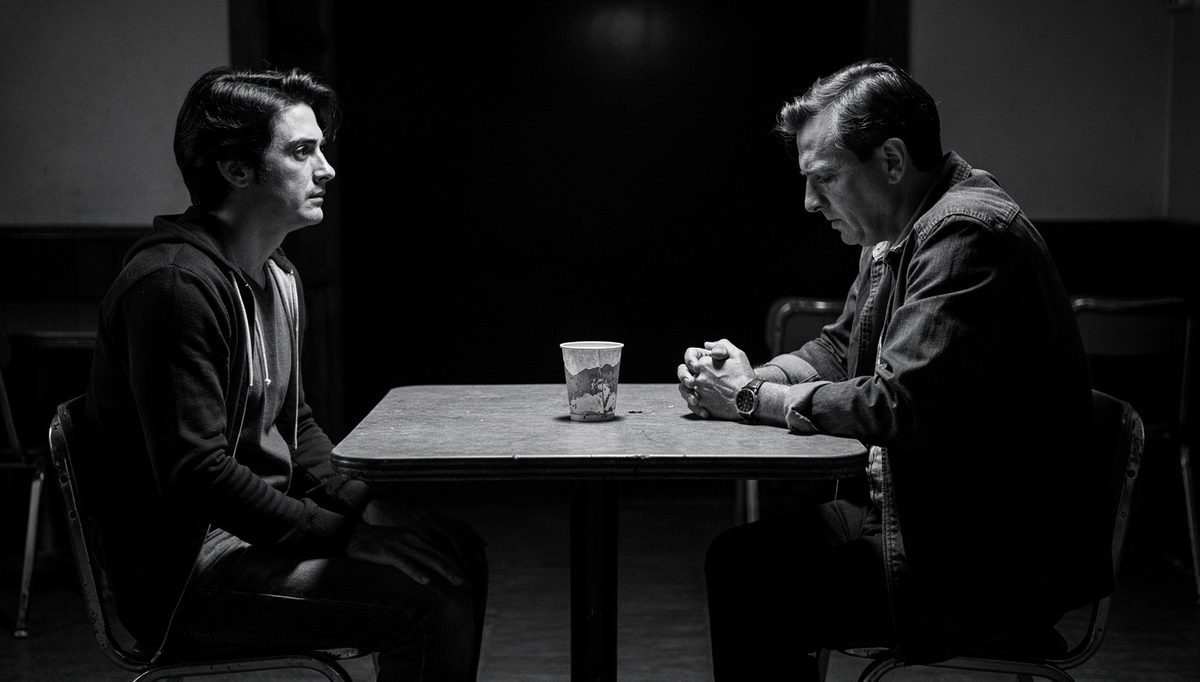

In Short
Silence, used with intention and calm body language, can serve as a more effective icebreaker than any scripted question. It removes conversational pressure, signals psychological safety, and invites people to speak on their own terms.
- A deliberate pause before speaking lowers the social anxiety that most icebreakers accidentally increase.
- The silence only works if you hold it with confident, unhurried presence.
- This approach is especially powerful for meeting leaders and first-encounter hosts.
Silence as icebreaker is the intentional use of a calm pause at the start of a conversation or group meeting to reduce social pressure and invite connection. Instead of demanding an immediate verbal response, it creates a receptive space where people feel safe to engage on their own terms.
Most people think a good icebreaker is something you say. A clever question, a fun prompt, a round of introductions. The assumption is that words are the tool, and the faster you deploy them, the sooner the ice breaks. After six decades of watching people try to open conversations in rooms full of nervous energy, I can tell you that assumption is often wrong. Silence as icebreaker is not a gap to be filled. It is a signal. And when it is held with genuine calm and open body language, it does something that no scripted opener can do: it tells the room that no performance is required yet. That changes everything about what follows.
Why Most Icebreakers Create the Pressure They Are Meant to Relieve
The standard icebreaker is built on a logical idea. People are tense at the start of a meeting, so give them something easy to respond to. Get them talking, get them moving, lower the walls. The intent is good. The mechanism, though, often backfires.
When you fire a question at a room of people who have just sat down, you are asking them to perform before they feel ready. Even a simple question carries weight in that moment. Everyone is calculating: Is my answer interesting enough? Will I go first or wait? What if I say the wrong thing? The icebreaker meant to ease tension quietly multiplies it.
This is the gap that silence can step into. A pause of five to fifteen seconds, held with confident posture and a calm, open expression, sends a different message entirely. It says: there is no rush here. You do not need to be impressive yet. Settle in first.
For anyone running team meetings, this distinction matters. The effective icebreakers for team meetings that actually work share one quality: they give people room to arrive before demanding that they perform.
"The Conversation You're Avoiding Is the One You Need to Have."
"The Conversation You're Avoiding
Is the One You Need to Have."
Stop rehearsing conversations you'll never have. Say It Right Every Time gives you 115 word-for-word scripts and 16 proven frameworks to speak with confidence in every conversation that matters.
The Mechanism: How a Pause Actually Breaks the Ice
Here is the truth of it. The ice in any first encounter is not the silence itself. The ice is the unspoken question: What is expected of me right now? Every uncomfortable pause in a new group is uncomfortable because people do not know yet whether they are safe to be ordinary.
A deliberate, unhurried silence answers that question without words. It communicates: the person in charge is not anxious, so you do not need to be either. In the absence of nervous chatter, people stop scanning for danger and start noticing the room, the faces around them, the possibility of connection. Their nervous system settles, even slightly. And a settled person is a far more willing conversational partner than an alert, performing one.
The key word there is deliberate. This does not work if the silence is accidental or if you fill it with fidgeting, glancing at your notes, or a tight smile that signals you are waiting anxiously for someone to rescue you. The silence must be held. Relaxed hands, visible and still. Steady but soft eye contact. A breath that is slow enough for the room to sense it. These nonverbal cues do the work. Without them, the pause reads as uncertainty, and uncertainty is contagious.
This is also why the approach is most powerful when you are the host or leader. You set the emotional tone. Your calm gives the room permission to be calm. Your ease is, quite literally, the icebreaker.
What This Looks Like in Practice
Let me walk you through three situations where I have watched this play out, because the mechanism only becomes real when you see it in specific moments.
The one-on-one first meeting. Two people sit down across from each other, new colleagues or a manager meeting a recent hire. The instinct is to fill the air immediately: "So, tell me about yourself." Instead, the more experienced person settles into the chair, holds eye contact briefly, and says nothing for a beat. Maybe five seconds. It feels long. It is not. What it does is give the other person a moment to stop rehearsing their opener and actually notice the human across from them. The conversation that follows is almost always warmer.
The team gathering before a difficult session. A group is about to discuss something uncomfortable, a restructure, a conflict, a failed project. The facilitator, rather than launching into an agenda or a forced positive prompt, simply sits, looks around the room with genuine attention, and waits a moment before speaking. The group reads this as steadiness. Calm authority before a storm. The conversation that opens is more honest because the room felt, for a moment, that it was safe to be honest.
The virtual meeting opening. Someone joins a video call and immediately starts talking before half the attendees have even settled. The alternative: appear on screen, nod once, and allow three to five seconds before speaking. On remote calls, where scattered energy is the norm, this small pause signals presence and focus. It tells the group that this meeting will be different. Maintaining connection in remote work environments depends on exactly this kind of intentional pacing at the start.
Why We Overlook the Simplest Tool in the Room
The reason most communicators never try this is not that they lack skill. It is that silence feels dangerous from the inside.
When you are standing at the front of a room or sitting across from someone new, a five-second pause feels like thirty. Your internal monologue fills it with imagined judgment: they think I am unprepared, they are bored, this is going wrong. So you talk. You fill the gap with something, anything, to prove that you are competent and engaged.
The irony is that your compulsive talking is the thing that creates the awkward atmosphere you feared. The silence would have done the work if you had trusted it long enough.
This connects to something I see regularly in people learning to deal with dominant voices in a discussion: those who speak first and loudest are often the most anxious, not the most confident. Real confidence can wait. It does not need to fill every gap.
There is also a cultural script at work. We are trained to treat silence as a problem to solve. Particularly in professional settings, a quiet room feels like a failure of facilitation. So leaders rush to fix it, without ever asking whether the silence might be doing something useful.
Applying Intentional Silence: What You Can Do Before Your Next Meeting
Understanding why this works is half the work. The other half is practice, because the first few times you try to hold a deliberate pause, your body will not believe you.
Start small. Before your next meeting, decide you will say nothing for the first five seconds after the room settles. Not a warm-up question, not a process note. Just presence. Prepare your body posture in advance: sit upright but not rigid, hands resting open on the table or in your lap, eyes moving slowly and warmly around the room. When the silence arrives, breathe into it. If you feel the urge to speak, treat that urge as information, not instruction.
After you try it, notice what changes. Who speaks first? At what point? What is the quality of those first contributions compared with meetings where you launched straight into an opener? Over time, you will develop what I can only describe as a feel for the right length of pause: long enough to settle the room, short enough not to confuse it.
This is a tool that pairs well with other approaches. If you normally use humor to ease workplace tension, a brief moment of calm before a light comment makes the humor land more naturally. If you run meetings with a structured format, producing productive meetings that don't waste time depends on a grounded opening, and silence gives you that grounding for free.
For those managing dispersed teams, the same principle applies to how you open your regular virtual check-ins. Communication routines for remote teams that begin with a moment of intentional stillness tend to generate more honest participation than those that open with back-to-back agenda items. And if you are thinking about how leaders stay visible in virtual workspaces, presence is exactly what a well-held pause communicates: I am here, I am paying attention, and I am not in a rush.
The Ground Beneath the Words
There is a quality that every good communicator I have known over sixty years has shared. They are comfortable arriving before they speak. They do not need language to prove they are present. They walk into a room, settle, and let the room settle around them. That is what people remember. Not the opener, not the clever question. The feeling of being in the presence of someone who is not performing.
Silence as icebreaker is the simplest expression of that quality. It is not a trick. It is not a technique to deploy and then forget. It is a practice of trusting that you do not have to earn the room's attention through constant output. Sometimes you earn it by simply being still, and letting that stillness do the work first.
Frequently Asked Questions (FAQ)
What is silence as icebreaker in a meeting?
Silence as icebreaker is the deliberate use of a calm, unhurried pause at the start of a meeting or first encounter to reduce conversational pressure. Instead of forcing an opening question, the host or leader allows a brief stillness that signals safety and invites others to speak at their own pace.
How do you use silence as an icebreaker without making it awkward?
Keep the pause short, between five and fifteen seconds, and hold it with confident, relaxed body language. Nod slightly, make steady eye contact, and resist the urge to fill the gap. When you stay calm during the silence, others read it as ease rather than uncertainty, and the atmosphere shifts.
Why does silence work better than scripted icebreaker questions sometimes?
Scripted icebreaker questions can feel compulsory and put people on the spot before they feel ready. A brief, intentional silence removes that pressure. It signals that no performance is required yet, which lowers social anxiety and makes people more likely to speak voluntarily and honestly.
When is silence as icebreaker most effective?
It works best in small group settings, one-on-one first meetings, and the opening moments of team gatherings where nervous energy is high. It is especially effective when you are the meeting leader or host, because your calm presence during the pause sets the emotional tone for everyone in the room.
Can silence as icebreaker work in remote or virtual meetings?
Yes, with minor adjustments. At the start of a video call, allow a few seconds before speaking, smile naturally with a focused gaze at the camera, and let others settle. The brief pause signals that you are present and unhurried, which calms the scattered energy that often marks the opening of virtual meetings.
What body language supports a comfortable silence as icebreaker?
Sit with an open, relaxed posture. Keep your hands visible and still, resting on the table or in your lap. Hold steady but soft eye contact. Breathe visibly and slowly. These nonverbal cues tell the room that the silence is intentional and safe, not a sign that something has gone wrong.