
In Short
Most teams are not suffering from a lack of feedback — they are suffering from feedback that is vague, infrequent, or delivered in ways that make people shut down rather than grow.
- Feedback given only during formal reviews, never in the moment
- Positive feedback so generic it carries no real information
- Corrective feedback that focuses on personality rather than behavior
Effective feedback skills are the practical ability to observe, frame, and deliver specific, timely, behavior-based observations that help another person improve their work. They are learned through practice, not personality, and they are the single most direct tool a manager or colleague has for driving real growth.
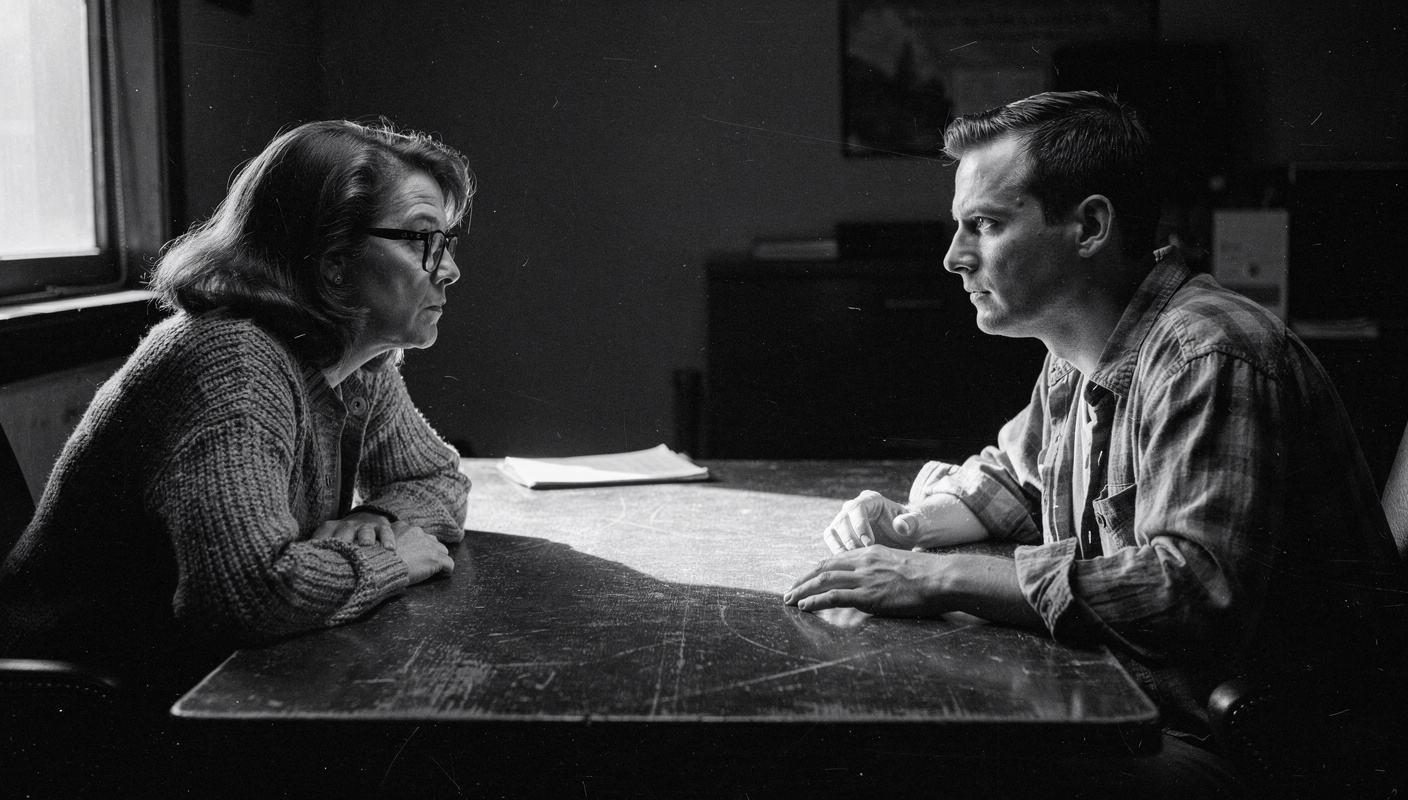
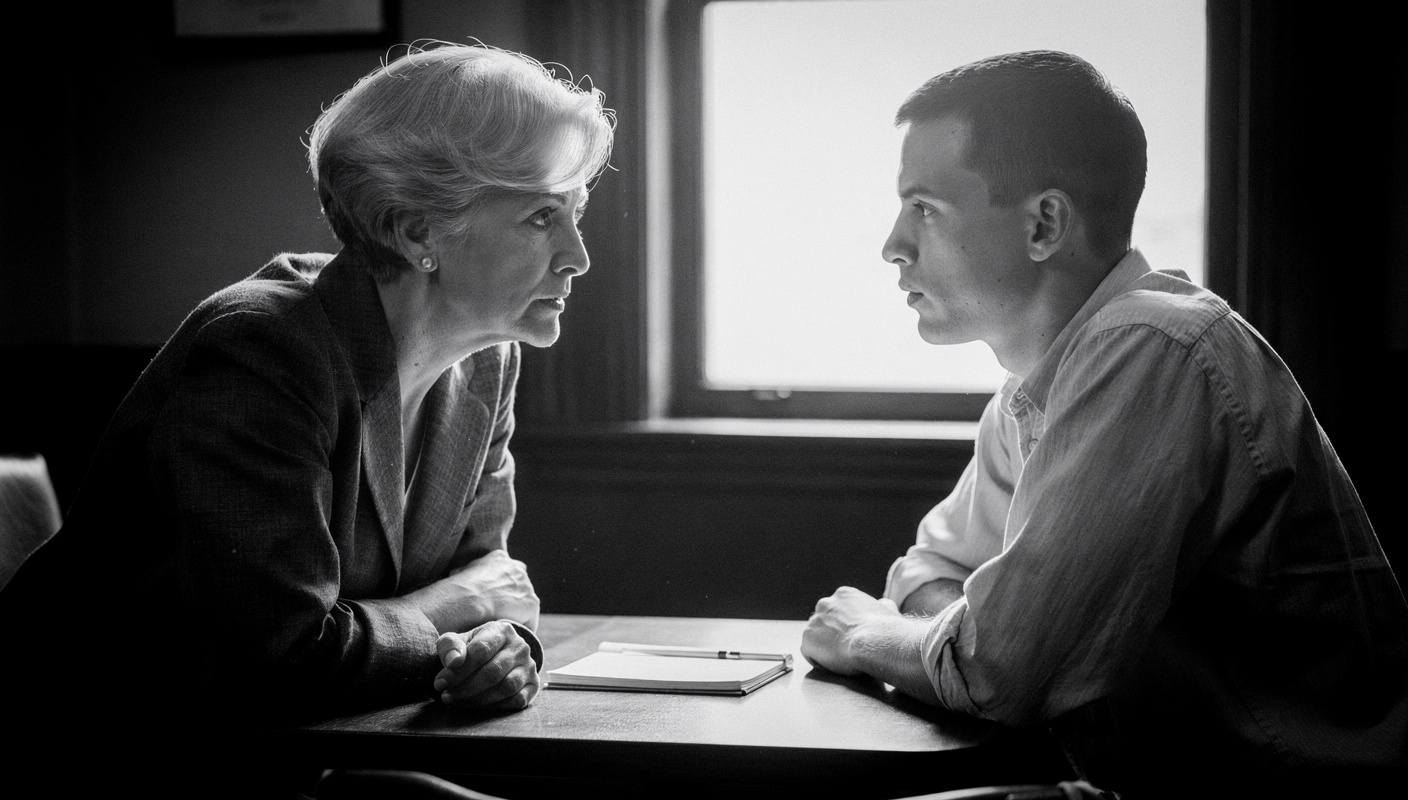
You thought you gave feedback. You sat across from your colleague, said what needed saying, and walked away thinking the job was done. Then three weeks later, the same problem appeared again, unchanged.
This is where most feedback skills quietly break down. The gap between intending to give effective feedback and actually delivering it in a way that changes behavior is wider than most of us want to admit. The warning signs are subtle; they often look like other problems entirely, such as a morale issue or a personnel problem, when the root is almost always the quality of the feedback being given.
I have spent decades watching capable people make avoidable mistakes with feedback, myself included. The cost is always the same: stunted growth, eroded trust, and teams that never quite reach what they are capable of. In this article, you will learn to recognize six specific signs that your feedback skills are falling short, and what to do about each one. If you want to go deeper on how these patterns affect your whole team, How Feedback Loops Boost Team Synergy is worth your time.
Why Feedback Problems Are So Easy to Overlook
Most feedback problems do not announce themselves. They develop slowly, hiding behind other explanations, until the damage is already done.
Here is why they stay hidden for so long:
- Feedback feels like it happened even when it did not land. You spoke the words. The other person nodded. You logged it mentally as done. But words delivered without clarity, timing, or the right frame rarely produce change, and the disconnect does not surface until much later.
- Vague feedback is hard to argue with. When you tell someone they need to "be more proactive," nobody pushes back. So it feels like the message was received. It was not; it was simply too vague to dispute or act on.
- The consequences are delayed. A poor feedback conversation in January may not show its effects until March or April. By then, the feedback is forgotten and the problem gets attributed to attitude, effort, or ability instead.
- People stop giving you signals. When feedback consistently misses the mark, people stop reacting to it. They smile, agree, and carry on unchanged. That silence reads as success when it is actually withdrawal.
- Everyone around you may be doing the same thing. If the whole team operates with the same feedback habits, nothing feels broken. The baseline is low, and low becomes normal.
The first step is knowing what to look for. That is what this article gives you.
"The Conversation You're Avoiding Is the One You Need to Have."
"The Conversation You're Avoiding
Is the One You Need to Have."
Stop rehearsing conversations you'll never have. Say It Right Every Time gives you 115 word-for-word scripts and 16 proven frameworks to speak with confidence in every conversation that matters.
Sign 1: You Only Give Feedback During Formal Reviews
What it looks like: Your team receives structured feedback once or twice a year, at scheduled performance reviews. Between those reviews, you address problems when they become urgent, but routine, developmental feedback is rare.
Why it happens: Reviews feel like the right container for feedback. They are formal, documented, and expected. Giving feedback outside that structure can feel presumptuous or like you are creating extra tension in an otherwise functioning relationship.
Why it matters: By the time a performance review arrives, the moment for specific, actionable feedback has long passed. People cannot change behavior in response to something that happened six months ago.
What to do about it: Commit to one brief, specific feedback observation per team member per week. It does not need to be a formal conversation; it can be two sentences after a meeting. "I noticed you interrupted the client twice before they finished their point. Next time, let them land before you respond." Short, specific, timely. That is the standard. For a structured approach to making this consistent, see How to Give Feedback That Strengthens Team Synergy Instead of Breaking It.
Eamon's note: I spent years thinking that a thorough annual review was enough. It never was, and it never will be.
Sign 2: Your Positive Feedback Is Decorative, Not Informative
What it looks like: You tell people they did a "great job" or that a presentation was "really good." People smile and say thank you. Nothing in their behavior changes or strengthens, because they have no idea what specifically to repeat.
Why it happens: Positive feedback feels easier than corrective feedback, so we deliver it quickly and move on. We think we are being encouraging. We are actually being vague.
Why it matters: Recognition without specificity is noise. It feels good for a moment and teaches nothing. Worse, it trains people to discount everything you say, positive or corrective, because they cannot trust that your words carry real information.
What to do about it: Name the specific behavior you observed, then explain the actual impact. "When you paused before responding to the client's complaint, it changed the entire tone of that conversation. They left calmer than they arrived. Do that again." That is feedback someone can use. How Psychological Safety Enables Honest Communication and Sustains Team Synergy explains why this kind of precision builds the trust your team needs to receive it well.
Eamon's note: Vague praise is the politest way I know to waste someone's potential.
Sign 3: People Seem Fine in the Moment but Nothing Changes
What it looks like: Feedback conversations feel constructive. The person listens, agrees, maybe takes notes. Two weeks later, the same behavior is back. You find yourself having the same conversation on a loop.
Why it happens: This often means the feedback was not specific enough to act on, or there was no agreed next step at the end of the conversation. People genuinely want to improve but have not been given a clear enough target.
Why it matters: Repeated conversations about the same issue corrode trust on both sides. The person starts to feel managed rather than developed. You start to feel like effort is being wasted. The relationship deteriorates.
What to do about it: End every feedback conversation with one concrete commitment, not a vague agreement to do better. "We have agreed that before your next client call, you will prepare three specific questions to ask them. You will send me those questions the evening before. Does that work for you?" Make the next step small, specific, and measurable. The S.B.I. method is one of the clearest frameworks for building this kind of precision into every conversation; How to Use the S.B.I. Method to Give Team Members Feedback That Unifies Instead of Divides walks you through it step by step.
Eamon's note: If you are having the same conversation twice, the first one did not actually happen.
Sign 4: People Stop Taking Risks After You Give Them Corrective Feedback
What it looks like: A team member makes a mistake. You address it. They become noticeably more cautious afterward, stop volunteering ideas, and ask for approval before taking any initiative. They are technically compliant but clearly diminished.
Why it happens: This happens when corrective feedback, even well-intentioned corrective feedback, focuses on the person rather than the behavior. "You were not prepared for that meeting" lands very differently than "The proposal had three factual errors that the client noticed." One is a verdict; the other is information.
Why it matters: A team that stops taking risks stops growing. If your feedback is consistently silencing initiative, you are not developing people; you are managing compliance.
What to do about it: Audit your last three corrective feedback conversations. Ask yourself honestly: did you describe a behavior, or did you describe a person? Rewrite those conversations in your head using behavior-based language. Then, with the team member, create a low-stakes opportunity for them to try again soon. Recovery builds confidence; silence erodes it. Understanding What Is Psychological Safety and How It Drives Team Synergy will help you understand what you are rebuilding when people shut down after feedback.
Eamon's note: I have watched feedback delivered with the best intentions strip the courage clean out of good people.
Sign 5: You Soften Feedback Until the Message Disappears
What it looks like: You begin with praise, ease into the concern so gently it barely registers, and close with more encouragement. The person leaves the conversation feeling good. The problem you needed to address was never clearly named.
Why it happens: We dislike causing discomfort. The "feedback sandwich," wrapping criticism between two layers of praise, feels kind. It is actually a way of protecting yourself from the discomfort of being direct while creating the illusion that feedback was given.
Why it matters: Here is the truth of it: when the core message is diluted, it does not land. The person remembers the praise and discounts the concern. The problem continues. You become gradually more frustrated with someone who had no real idea you were frustrated at all.
What to do about it: Separate your encouragement from your corrective feedback. Do not bind them together in a single sentence. Give praise when it is earned, give correction when it is needed, and trust the other person enough to hear both clearly. "I want to name something that is not working, and I want to be direct about it, because I respect your ability to handle it." That framing prepares people without softening the message into meaninglessness.
Eamon's note: The kindest thing I ever did for someone on my team was stop protecting them from the truth about their work.
Sign 6: Feedback Only Flows Downward
What it looks like: Feedback in your team is something managers give and team members receive. There is no expectation that feedback travels upward or laterally. When you ask "How am I doing as a manager?" the room goes quiet.
Why it happens: This is a structural habit more than a personal one. Most workplaces build feedback into the hierarchy and stop there. The idea of asking for feedback from the people you manage can feel vulnerable, even threatening.
Why it matters: A one-directional feedback culture signals that truth is only valued in one direction. People notice. They become skilled at giving you what you want to see rather than what is actually happening. You lose the clearest source of information you have about your own blind spots.
What to do about it: Ask your team a direct question at the end of your next one-to-one: "What is one thing I could do differently in how I support you?" Then listen without defending, explaining, or minimizing. Just thank them and act on what you heard. One genuine exchange like this does more for your feedback culture than a dozen well-delivered assessments going the other way. How to Use the G.R.O.W. Method to Turn Team Feedback Into a Synergy Improvement Plan gives you a framework for turning that input into something structured and actionable.
Eamon's note: The managers I most respect are the ones who ask for feedback and genuinely look changed by it.
The Pattern Behind These Feedback Skill Failures
These signs rarely appear in isolation. When one is present, at least two or three others are usually running alongside it.
The central root is almost always the same: feedback has been treated as an event rather than a practice. Most workplaces approach feedback as something that happens at specific, bounded moments: the review, the debrief, the difficult conversation. Between those moments, there is silence. That silence does not mean everything is fine; it means the feedback muscle is not being used, and like any muscle left idle, it weakens.
A second pattern is the avoidance of discomfort. Most of the signs in this article, softened messages, vague praise, delayed conversations, trace back to the same source: the feedback giver's discomfort being prioritized over the feedback receiver's need for clarity. This is understandable. It is also quietly destructive.
A third pattern is the absence of a shared language for feedback. When teams lack a common framework for how feedback should be structured and delivered, every conversation starts from scratch. The quality becomes inconsistent, the stakes feel higher than they need to, and people learn to dread rather than welcome the process.
Fix the root, specifically the habit of treating feedback as a continuous practice rather than a periodic event, and most of the symptoms resolve on their own.
Your Diagnostic Checklist for Effective Feedback Habits
Use this checklist to assess where you or your team currently stand.
- Feedback is given regularly between formal reviews, not only during them.
- Positive feedback names the specific behavior being recognized, not just the outcome.
- Corrective feedback describes an observable behavior, not a character trait.
- Every feedback conversation ends with a specific, agreed next step.
- Team members continue taking initiative and volunteering ideas after receiving corrective feedback.
- Feedback travels upward and laterally, not only from manager to team member.
- Team members can articulate what "good performance" looks like in specific, behavioral terms.
- Feedback conversations are not routinely delayed until problems become urgent.
- You have asked your team for feedback on your own performance in the last 30 days.
- The same performance issues are not resurfacing in repeated conversations.
Scoring: If you checked three or fewer items, your foundation is sound but needs consistent reinforcement. If you checked four to six, address the highest-impact items first, starting with the ones that affect trust most directly. If you checked seven or more, your feedback culture needs immediate, structured attention; start with the repair steps below.
How to Start Fixing Your Effective Feedback Skills
Diagnosis without action is just worry. Here is where to start.
- Commit to weekly micro-feedback. Choose one specific observation per team member per week and deliver it within 24 hours of the event. It does not need to be long; it needs to be specific and timely. You will know it is working when people start anticipating the conversation rather than avoiding it.
- Audit your language for behavior versus character. Before your next corrective conversation, write down what you plan to say. Then ask yourself: am I describing what they did, or who they are? Rewrite any character statements as behavior statements. "You are disorganized" becomes "The last three project plans were submitted without a timeline attached."
- Add a closing commitment to every feedback conversation. Before you end the conversation, ask: "What is one specific thing you will do differently this week?" Write it down. Follow up. This single habit closes the gap between feedback given and feedback acted on.
- Ask for feedback yourself this week. In your next one-to-one, ask one direct question: "What is one thing I could do differently to support your work?" Then listen without responding defensively. This models the behavior you are asking for and builds the kind of trust that makes feedback conversations easier for everyone.
For a structured method to make all of this consistent, How Feedback Loops Boost Team Synergy and the G.R.O.W. method guide will give you the fuller process.
Summary
You can now see what most managers and teams cannot: the difference between giving feedback and giving feedback that actually works. That distinction is everything.
- Effective feedback is specific, timely, and behavior-based — not general, delayed, or character-focused.
- Vague praise teaches nothing and trains people to discount what you say.
- Softening a message until it disappears is not kindness; it is avoidance.
- Feedback that flows only downward creates a culture of performance over honesty.
- Repeated conversations about the same issue signal a structural problem, not a personnel problem.
- The root fix is treating feedback as a daily practice, not a periodic event.
For deeper reading, What Is Psychological Safety and How It Drives Team Synergy will show you the environment your feedback needs to land in, and How to Use the S.B.I. Method to Give Team Members Feedback That Unifies Instead of Divides gives you the cleanest framework I know for structuring the conversations themselves.
Effective feedback skills are not a gift some people are born with. They are a practice, built one honest conversation at a time, and the next one is always closer than you think.
Frequently Asked Questions (FAQ)
What are effective feedback skills in the workplace?
Effective feedback skills are the practical ability to deliver clear, specific, and timely observations about someone's work or behavior in a way that helps them improve. They include knowing what to say, when to say it, and how to frame it so the other person can hear it and act on it.
Why are effective feedback skills important for workplace growth?
Without effective feedback skills, people repeat mistakes and miss opportunities to improve. Teams lose clarity about what good performance looks like, and managers lose the trust needed to have honest conversations. Growth requires honest, consistent feedback delivered with care.
What are the signs that your feedback skills need improvement?
Common signs include conversations that end without clear next steps, feedback given only at review time, and people who stop volunteering ideas after receiving criticism. If the same problems resurface repeatedly or your team seems to avoid feedback conversations, that is a warning sign worth addressing now.
How do you build effective feedback skills as a manager?
Start by practising specific, behavior-based feedback rather than vague impressions. Name what you observed, explain the impact, and invite a response. Consistency matters more than perfection: giving regular, brief feedback builds more trust over time than saving everything for a formal review.
What is the difference between effective feedback and criticism?
Effective feedback is specific, forward-looking, and focused on behavior that can change. Criticism tends to be general, backward-looking, and focused on the person rather than the action. The difference lies in intent and delivery: feedback is meant to help the other person grow, not to assign blame.
How often should effective feedback be given at work?
Effective feedback should be ongoing, not reserved for annual reviews. Brief, specific observations given close to the moment they are relevant are far more useful than comprehensive assessments delivered months later. Most people benefit from feedback weekly, even if it is just a short, direct observation after a meeting or project.