
In Short
After reading this, you will know exactly how to build a culture of team synergy through deliberate, repeatable leadership practice.
- Establish shared purpose and role clarity before anything else
- Model the communication behaviours you want your team to adopt
- Use consistent feedback and accountability rituals to sustain momentum
Team synergy is the condition where a group of people consistently produces outcomes that surpass what any individual could achieve alone, driven by clear communication, mutual trust, and a shared sense of purpose that makes collective effort more powerful than parallel effort.
Why Most Leaders Struggle to Create Real Team Synergy
You have probably sat in a meeting where everyone was present but nothing connected. People talked past each other, two people dominated, three said nothing, and the same issues surfaced again the following week. The team had talent. It had resources. What it did not have was synergy.
Here is the truth of it: most leaders know synergy matters. They just do not know how to build it deliberately. They hope it will emerge naturally, and sometimes it does, briefly, before dissolving when pressure hits.
Here is why it stays so difficult:
- It requires vulnerability at the top. Most leaders were promoted for individual performance, not collaborative skill. Asking them to model openness and mutual trust can feel like asking them to give up the identity that got them into the room.
- Roles are murkier than they look. Even teams with clear job titles often have significant overlap and ambiguity. When people do not know exactly where their responsibility ends and someone else's begins, friction fills the gaps. If you want to understand more, What Is Role Clarity and Why It Is the Foundation of Sustainable Team Synergy is worth your time.
- Trust is fragile and slow to build. One broken commitment, one piece of gossip that got back to the wrong person, and months of careful relationship-building can collapse overnight.
- Feedback is avoided until it is too late. Most teams communicate in pleasantries until a crisis forces honesty. By then, the conversation is loaded with accumulated resentment.
- Busyness is the enemy of reflection. Leaders do not pause long enough to notice what is working and what is quietly corroding. The system degrades between the deadlines.
The goal is not to eliminate these difficulties. It is to build a system that works in spite of them.
"The Conversation You're Avoiding Is the One You Need to Have."
"The Conversation You're Avoiding
Is the One You Need to Have."
Stop rehearsing conversations you'll never have. Say It Right Every Time gives you 115 word-for-word scripts and 16 proven frameworks to speak with confidence in every conversation that matters.
The Foundation You Need Before You Begin Building Team Synergy
Before you begin, there are three things that need to be clear. Skip these, and every step that follows will feel like pushing water uphill.
- You must go first. The behaviours you want to see in your team — honesty, accountability, genuine curiosity about other people's ideas — must show up in you first, consistently, before you ask anyone else to practise them. Not in a speech. In how you handle a disagreement on a Tuesday afternoon.
- Your team must have a reason to care. Collective effort needs collective meaning. If the team's purpose is abstract or purely commercial, people will default to self-interest. You need a clear, human answer to the question: why does what we do together matter, and who does it serve?
- Safety must precede honesty. Before people will communicate openly, they need to trust that doing so is safe. This is not about eliminating discomfort; good teams have hard conversations. It is about knowing that those conversations will not be used against them. Read more on this in What Is Psychological Safety and How It Drives Team Synergy.
Get these right first. The steps that follow will not work without them.
Step 1: Define and Repeat the Shared Purpose
This step is the bedrock of team synergy, and it is the one most leaders complete once and then abandon.
A shared purpose is not a mission statement on a wall. It is a living answer to the question: why do we, specifically, work together? You need to define it clearly, connect each person's role to it directly, and then repeat it constantly, in meetings, in feedback conversations, in the stories you choose to tell about the team's work.
- Write a purpose statement in one sentence that any team member could say back from memory.
- In your next team meeting, ask each person to describe how their individual work connects to that purpose.
- When celebrating wins, name the specific way the outcome served the shared purpose, not just the individual who delivered it.
- Revisit the purpose statement at the start of every quarterly planning cycle and ask the team if it still holds.
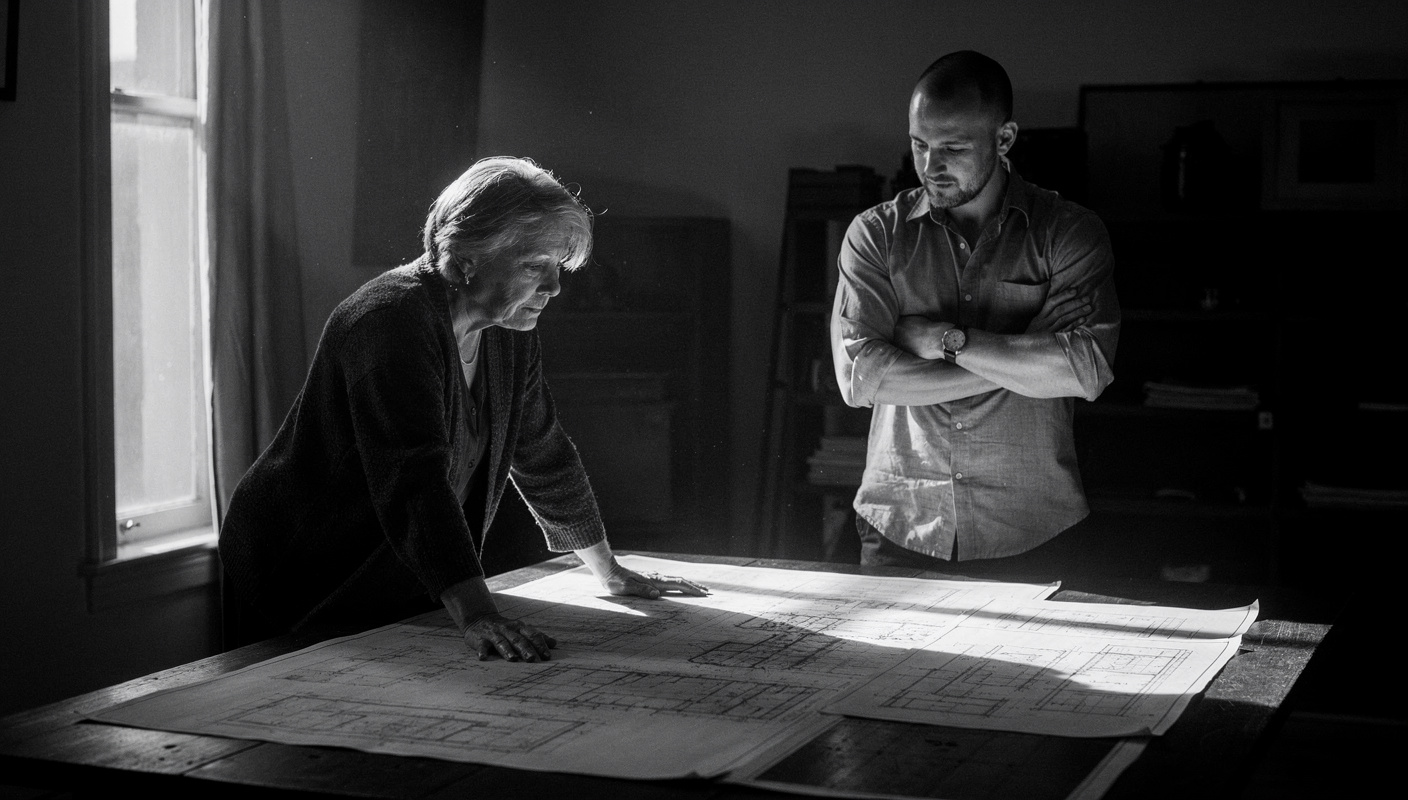
Example: A mid-sized marketing team was technically competent but operating as individual contributors who happened to share a Slack channel. Their manager called a meeting not to launch a campaign, but to answer one question: "What would be different in the world if our team did not exist?" The conversation was uncomfortable at first, then unexpectedly honest. They identified a clear answer together. Within three weeks, the manager noticed people referencing that answer unprompted. It became the team's internal shorthand for why a decision mattered.
Once your team has a purpose they can articulate, you have something to point to when decisions get hard or priorities conflict.
Step 2: Make Accountability Mutual, Not Top-Down
Accountability is not a performance management tool. It is the agreement that every person on the team keeps their commitments to each other, not just to the leader.
When accountability runs only from team member to leader, you create a hub-and-spoke model where everything passes through you. You become the bottleneck, and the team never develops the co-operative muscle it needs. Mutual accountability means people answer to each other. It changes how people show up.
- At the start of each project, have team members publicly commit to specific deliverables and deadlines, not just to you, but to each other.
- Create a simple weekly check-in where each person reports on one commitment made last week and one commitment for the coming week.
- When a commitment is missed, address it in the team, not just in a private conversation with the person responsible.
- Recognise publicly when someone delivers on a commitment that was difficult, not just the outcomes that were easy.
- Resist the urge to absorb accountability yourself when it belongs to someone else. Letting a person off the hook feels kind in the moment and costs the team dearly over time.
When your team holds each other accountable, you stop being the authority in the room. The team becomes its own authority. That is when real collective momentum begins.
Step 3: Model the Communication Behaviour You Want
Here is something I learned painfully in my thirties: a team's communication culture is almost always a reflection of its leader's worst habits.
If you interrupt, they will interrupt each other. If you dismiss ideas without genuine consideration, people will stop offering them. If you avoid the hard conversation, so will they. The inverse is equally true. The specific communication behaviours you demonstrate, consistently and under pressure, become the team's unspoken standard.
- In the next meeting you lead, let three people finish speaking before you respond to anything.
- When someone raises a problem you helped create, acknowledge your part before offering a solution.
- After a decision is made, ask at least one person who disagreed to share what they would have done differently.
- When you give feedback, do it in private first. How to Give Feedback That Strengthens Team Synergy Instead of Breaking It has a practical framework for this.
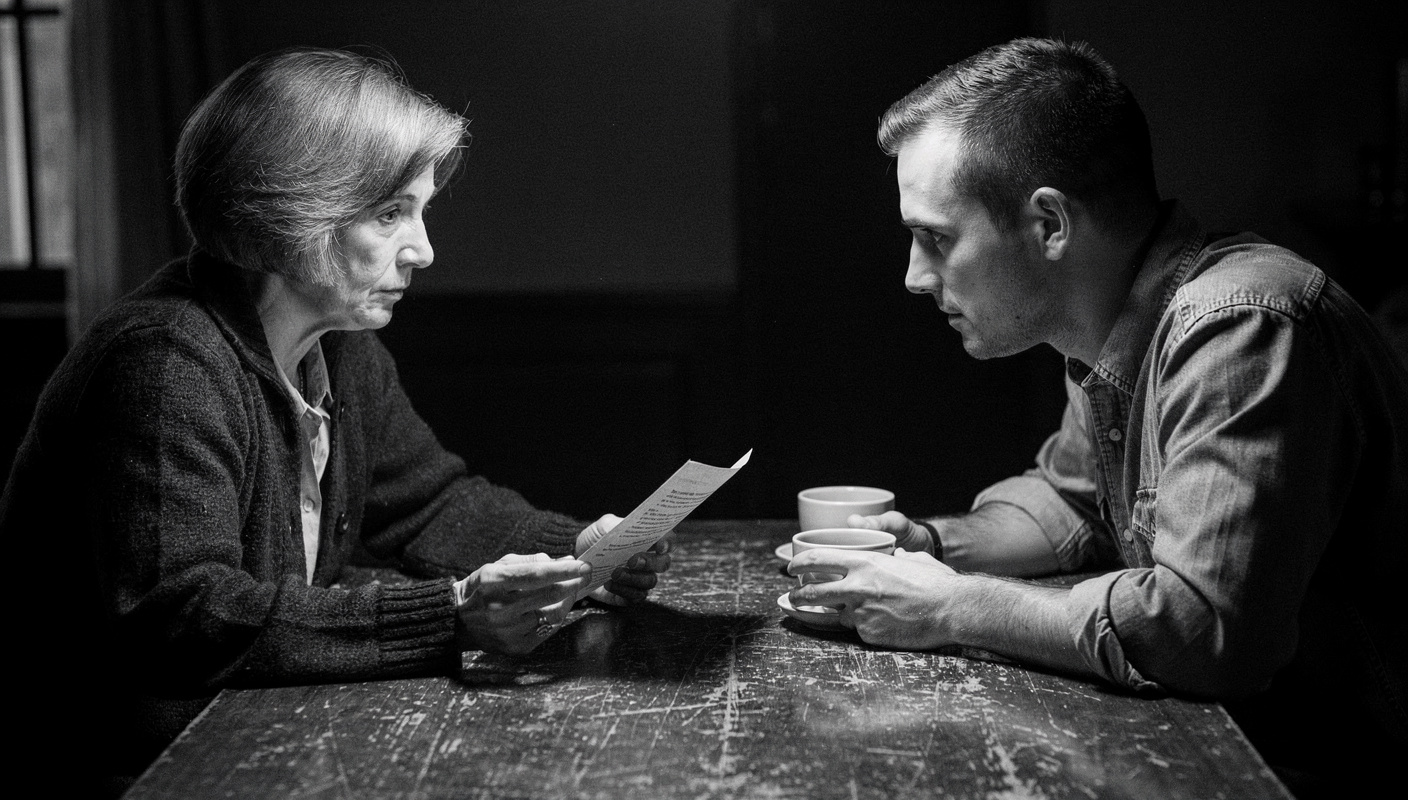
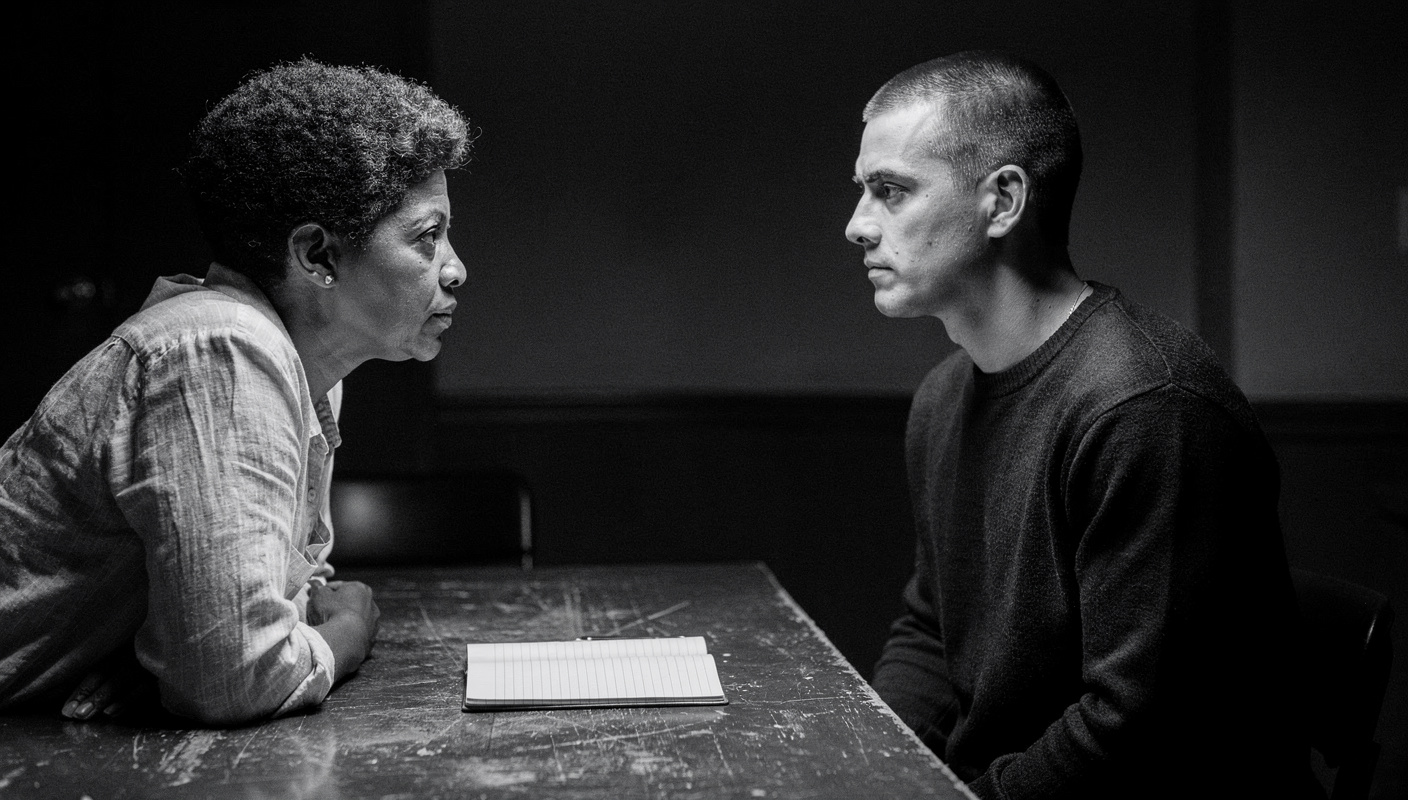
Example script: A leader notices two team members have been avoiding each other after a disagreement. Instead of waiting, she addresses it directly in a one-to-one with each person: "I noticed some tension after last week's discussion. I want to understand what you experienced." She does not mediate or judge. She listens. Then she says: "I think we need a short conversation with both of you present. I will be there, but I want you both to lead it." She models what she is asking them to do: engage, not avoid.
After three months of consistent modelling, you will notice your team beginning to reflect the same habits back to you and to each other.
Step 4: Build Feedback Loops Into the Team's Rhythm
Team synergy does not sustain itself. It requires regular, structured moments where the team reviews how it is working together, not just what it is producing.
Most teams skip this entirely. They evaluate outputs but never examine the communication patterns, the interpersonal friction, or the unspoken rules that shape how decisions actually get made. The result is a slow leak of energy and trust that nobody names until it becomes a crisis. How Feedback Loops Boost Team Synergy explores this in depth if you want to go further.
- Schedule a fifteen-minute "how we worked" conversation at the end of every major project, separate from the project debrief.
- Ask three questions in that conversation: what helped us work well together, what got in the way, and what one thing would we change next time?
- Rotate who facilitates this conversation so the leader is not always the one steering it.
- Document the responses and revisit them at the start of the next project cycle.
After four or five of these conversations, patterns emerge. You will begin to see what consistently helps your team and what consistently holds it back. That knowledge is worth more than any team-building exercise.
Step 5: Address Conflict Before It Calcifies
Let me tell you something I learned the hard way: unresolved conflict between two people does not stay between two people. It spreads through a team like cold weather, quietly and everywhere at once.
Leaders who avoid conflict believe they are keeping the peace. What they are actually doing is allowing resentment to build underground until it erupts at the worst possible moment. Naming a conflict early, when it is still small, is an act of respect toward every person on the team.
- When you notice tension between two people, address it within seventy-two hours: a delayed conversation is a harder conversation.
- Use a simple structure: describe what you observed, ask each person what they experienced, then ask what they each need going forward.
- Resist the urge to solve the conflict yourself. Your job is to create the conditions for the two people to resolve it directly.
- After a conflict has been addressed, check in privately with both people within a week to see if the resolution held.
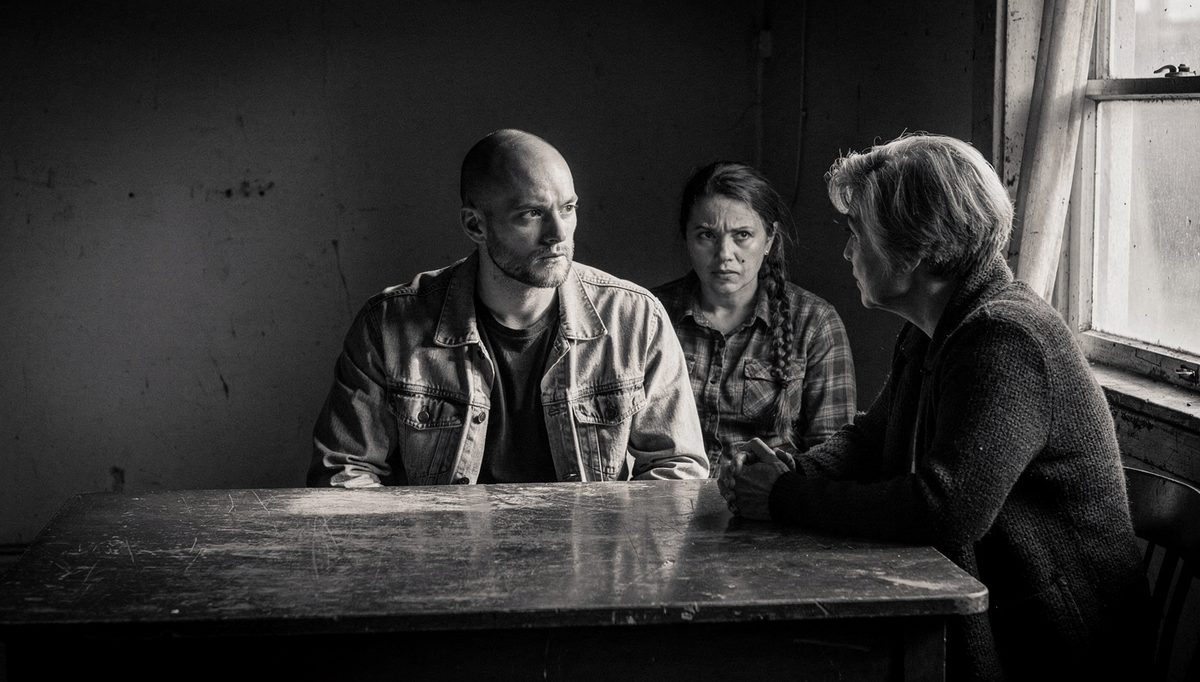
Example: Two senior team members clashed publicly over resource allocation. Their leader did not address it in the meeting. By the following week, the rest of the team had taken informal sides. The leader waited three weeks, then finally called a direct conversation. By then, the language on both sides was entrenched and the fix took months. She told me later: "I kept thinking it would resolve itself. It never does." For deeper guidance on repairing damage after significant conflicts, How to Rebuild Team Synergy After Conflict or Organizational Change is the right place to go.
Addressing conflict early is not comfortable. It is, however, the single most protective thing you can do for the team's collective health.
Step 6: Develop Emotional Intelligence Across the Team
Team synergy has a floor, and that floor is the team's collective capacity to understand and respond to each other's emotional states. A technically skilled team that lacks emotional awareness will fracture under pressure every time.
This is not about making people talk about their feelings in team meetings. It is about building the practical habits of noticing, naming, and adjusting. The leader's role here is to create the conditions where emotional awareness is seen as a professional strength, not a soft distraction. The Role of Emotional Intelligence in Team Synergy covers the specific competencies worth developing.
- In team meetings, when the energy in the room shifts, name it: "I notice we have gone quiet. What is happening for people right now?"
- After high-pressure periods, build in deliberate recovery time: a lighter week, a shorter meeting schedule, a specific acknowledgement of what the team absorbed.
- When a team member is clearly struggling, address it privately and directly rather than waiting for it to affect their output.
- Model naming your own emotional state when relevant: "I am frustrated by this situation, and I want to be honest about that before we discuss it."
A team with high emotional intelligence recovers faster from setbacks, communicates more honestly under pressure, and produces more creative solutions because people feel safe enough to contribute fully.
Adapting This Process for Distributed and Remote Teams
Remote teams require more deliberate structure because the organic communication that naturally supports synergy in a shared physical space simply does not happen.
Shared purpose needs more repetition. In a co-located office, purpose is reinforced through dozens of small, informal interactions every week. Remote teams lose this ambient reinforcement. You need to reference the team's shared purpose explicitly in written communications, in one-to-ones, and at the start of team meetings. Once a week is not too often.
Accountability rituals must be visible and asynchronous. A public commitment board, a weekly written check-in, or a shared document where people log their commitments gives remote team members the social visibility that shared office space provides naturally. When people can see each other's commitments, they keep them at a higher rate.
Feedback loops need a dedicated channel. In remote teams, the informal "how did that go?" conversation rarely happens spontaneously. Build it into the schedule as a recurring, non-optional meeting. Keep it short: fifteen minutes, three questions, rotating facilitator. The structure protects the conversation from being cancelled when things get busy.
Conflict resolution requires video, not text. Text strips out tone, body language, and the full range of human communication. Any conflict addressed over email or chat will almost always escalate or go underground. Require a video call for any conversation that carries emotional weight.
The core process for building team synergy holds in remote contexts. The execution simply demands more intentionality and more explicit structure where proximity once did the work invisibly.
Common Mistakes Leaders Make When Building Team Synergy
Let me tell you about the mistakes I see most often. I have made most of them myself.
The mistake: Announcing a culture of openness without demonstrating it.
Why it happens: Leaders genuinely believe they are being open while still deflecting criticism and protecting their own decisions from scrutiny.
What to do instead: Ask your team, directly and privately, for honest feedback on your own communication. Then act on at least one thing they tell you.
The mistake: Treating team-building as a one-time event.
Why it happens: A well-run workshop produces real warmth and energy, and leaders mistake that short-term lift for lasting cohesion.
What to do instead: Replace the annual retreat with small, consistent rituals: weekly check-ins, regular feedback conversations, monthly reflection sessions.
The mistake: Intervening in every conflict instead of equipping people to resolve their own.
Why it happens: It feels decisive and helpful. It is, in practice, a way of preventing the team from developing its own conflict-resolution muscle.
What to do instead: Coach the people involved in how to have the conversation, then step back and let them lead it.
The mistake: Focusing only on task performance when reviewing the team.
Why it happens: Tasks are measurable; relationship quality is not. Leaders evaluate what they can count.
What to do instead: Add a standing question in every review: "How are we working together?" Give it the same weight as the output metrics.
The mistake: Ignoring cross-departmental friction and assuming it is someone else's problem.
Why it happens: Leaders are accountable for their own teams and often feel they have no authority over adjacent departments.
What to do instead: Address interdepartmental breakdowns directly. How to Rebuild Trust Between Two Departments Whose Lack of Synergy Is Hurting Results is a practical starting point.
These are not character flaws. They are gaps in the system. Fix the system.
Your Practical Checklist for Building Team Synergy
Use this checklist before you begin and after each cycle.
- Write a one-sentence shared purpose statement that any team member could recite.
- Connect each person's role directly to the shared purpose in a one-to-one conversation.
- Establish a weekly commitment check-in where team members report to each other, not just to you.
- Model the communication behaviour you want by demonstrating it under pressure, not just in good conditions.
- Schedule a "how we worked" reflection at the end of every major project.
- Address any visible interpersonal tension within seventy-two hours of noticing it.
- Ask your team for honest feedback on your own leadership communication and act on one specific point.
- Review role boundaries with the full team at least once per quarter to surface overlap and ambiguity.
- Build recovery time into the team's schedule after high-pressure periods.
- Identify the team's single most avoided conversation and create the conditions to have it.
If you cannot check most of these, that is your starting point.
Summary and Next Steps
You now have a clear, practical process for building team synergy: not as a hoped-for outcome, but as a product of deliberate, consistent leadership behaviour.
- Shared purpose is the foundation; revisit it regularly and connect it to each person's specific work.
- Mutual accountability transforms a team from a hierarchy into a cohesive unit.
- Your own communication habits set the ceiling for what your team will allow itself to do.
- Feedback loops are not optional: they are the mechanism that sustains collective momentum.
- Conflict addressed early is small; conflict avoided becomes structural damage.
- Emotional intelligence across the team determines how well it performs under real pressure.
- The process adapts to remote and distributed contexts; the principles do not change.
A strong next step is to examine how emotional awareness supports collaboration in your specific context: The Role of Emotional Intelligence in Team Synergy will sharpen your understanding of what drives trust at the individual level. If your team has been through a period of disruption or change, How to Rebuild Team Synergy After Conflict or Organizational Change addresses the specific challenges of rebuilding rather than building from scratch. And when you are ready to look at how information flows back and forth within the team, How Feedback Loops Boost Team Synergy gives you the structure to make that consistent.
Building team synergy is a practice, not a gift: start tomorrow, repeat the week after, and trust that the roots grow deeper each time.
Frequently Asked Questions (FAQ)
What is team synergy in the workplace?
Team synergy is the state where a group of people produces better results together than they could individually. It happens when communication is clear, trust is high, roles are defined, and people are genuinely invested in each other's success rather than just their own.
How do leaders build team synergy?
Leaders build team synergy by establishing shared purpose, defining roles clearly, creating space for honest communication, and modelling the behaviour they want to see. It is not a one-time effort — it requires consistent reinforcement through how leaders speak, listen, and respond every single day.
How long does it take to develop team synergy?
Most teams begin to feel genuine team synergy within three to six months of consistent, intentional leadership. Deeper cohesion takes longer. Teams that have experienced conflict or change may need more time, but small wins compound quickly once the foundations of trust and clarity are in place.
What destroys team synergy in a workplace?
The fastest way to destroy team synergy is unclear accountability, where people do not know who owns what. Favouritism, inconsistent communication, and unresolved conflict also erode cohesion quickly. Most damage is not dramatic — it accumulates through small, repeated failures of communication and follow-through.
What is the difference between team synergy and teamwork?
Teamwork means people working alongside each other toward a shared goal. Team synergy goes further: the group generates momentum, creativity, and results that none of them could achieve alone. Teamwork is co-operation. Synergy is a multiplier — the whole genuinely exceeds the sum of its parts.
How does psychological safety relate to team synergy?
Psychological safety is one of the core conditions for team synergy. When people feel safe to speak up, disagree, and admit mistakes without fear, they contribute more fully. Without it, teams operate below their potential — people hold back, avoid conflict, and protect themselves instead of the team.