
In Short
After reading this guide, you will be able to lead a structured repair process that restores trust, open communication, and collaborative momentum after a team conversation goes seriously wrong.
- Acknowledge the rupture honestly before attempting any repair.
- Create a structured process where every person is heard without interruption.
- Rebuild shared communication agreements and reinforce them consistently over time.
Recover team synergy means restoring the shared trust, open communication, and collaborative momentum of a team after a breakdown or damaging conversation has fractured the group's ability to work effectively together.
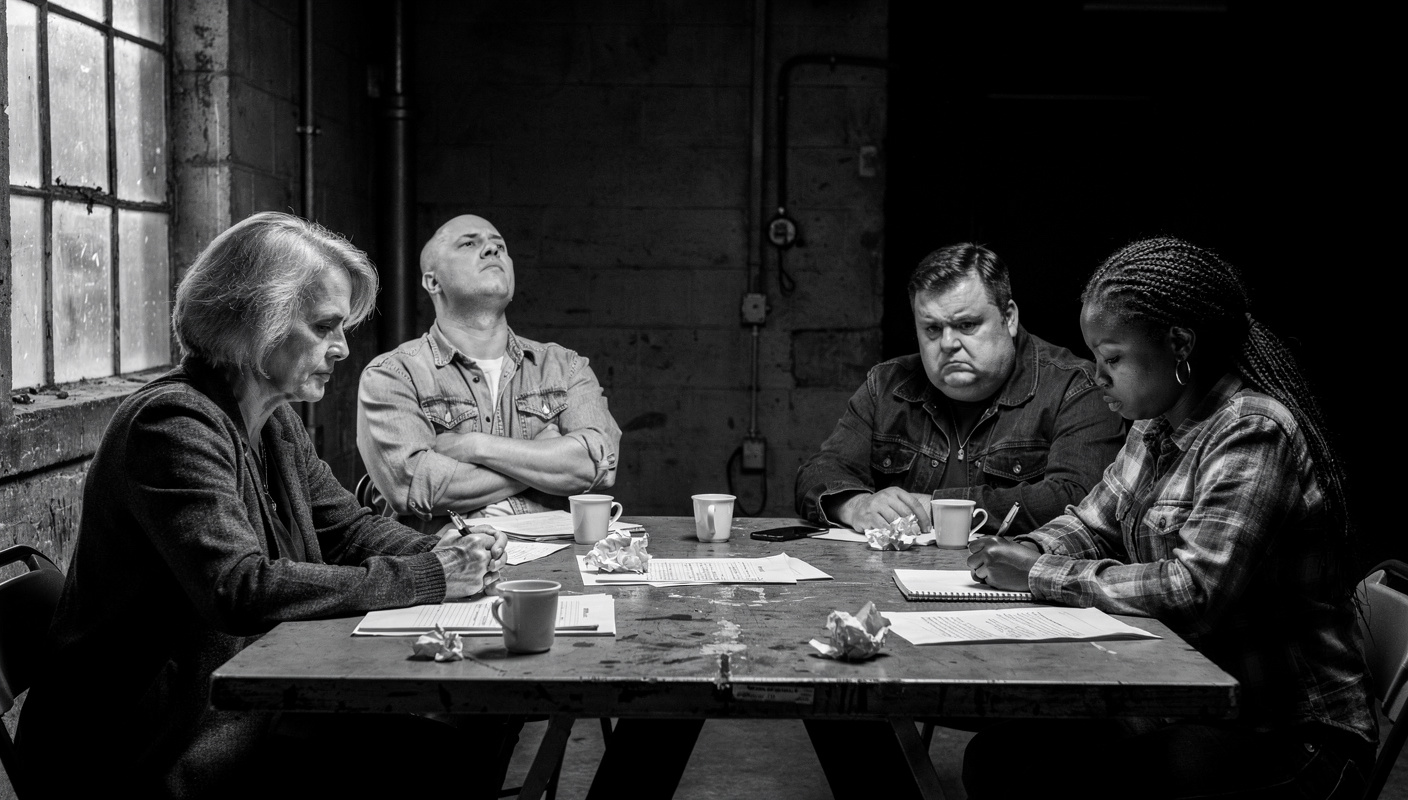
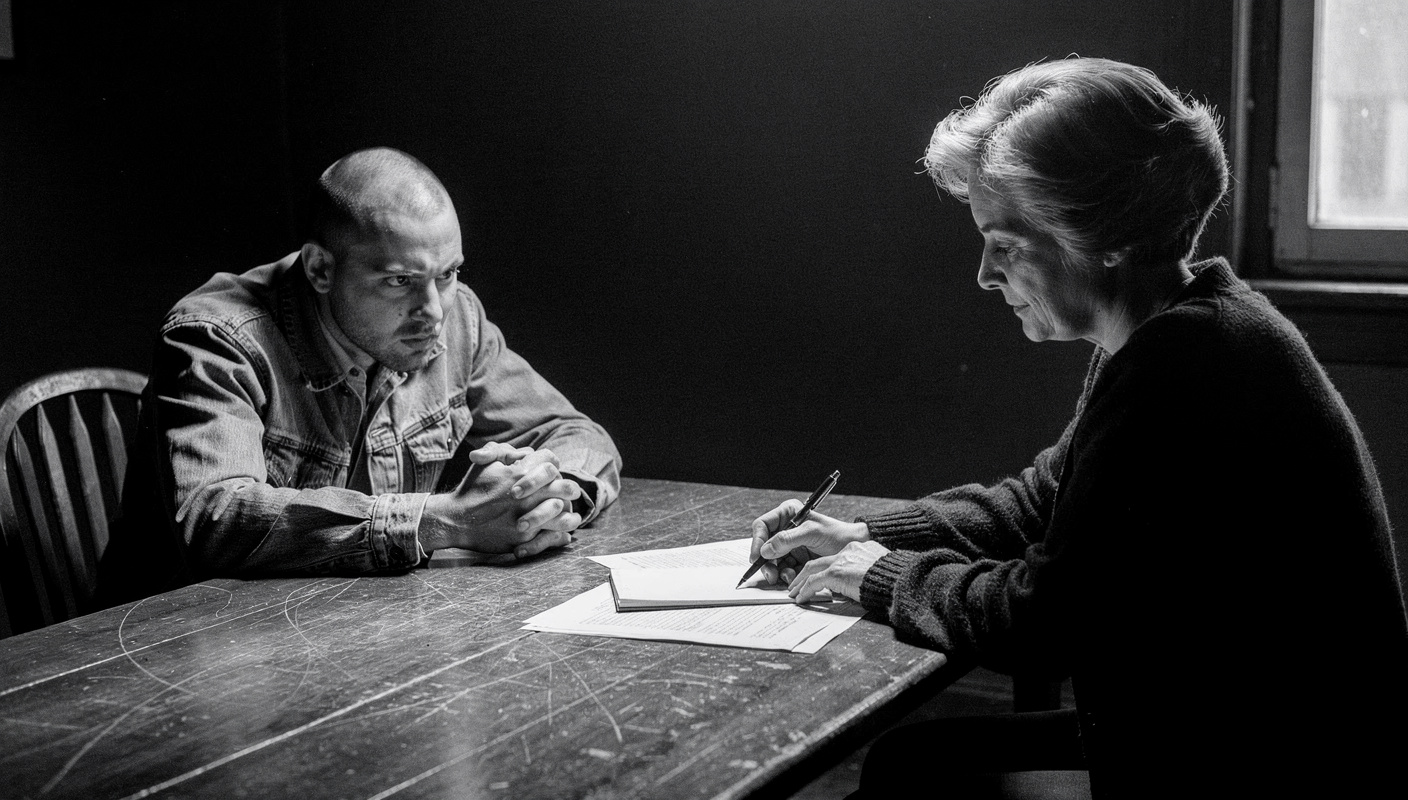
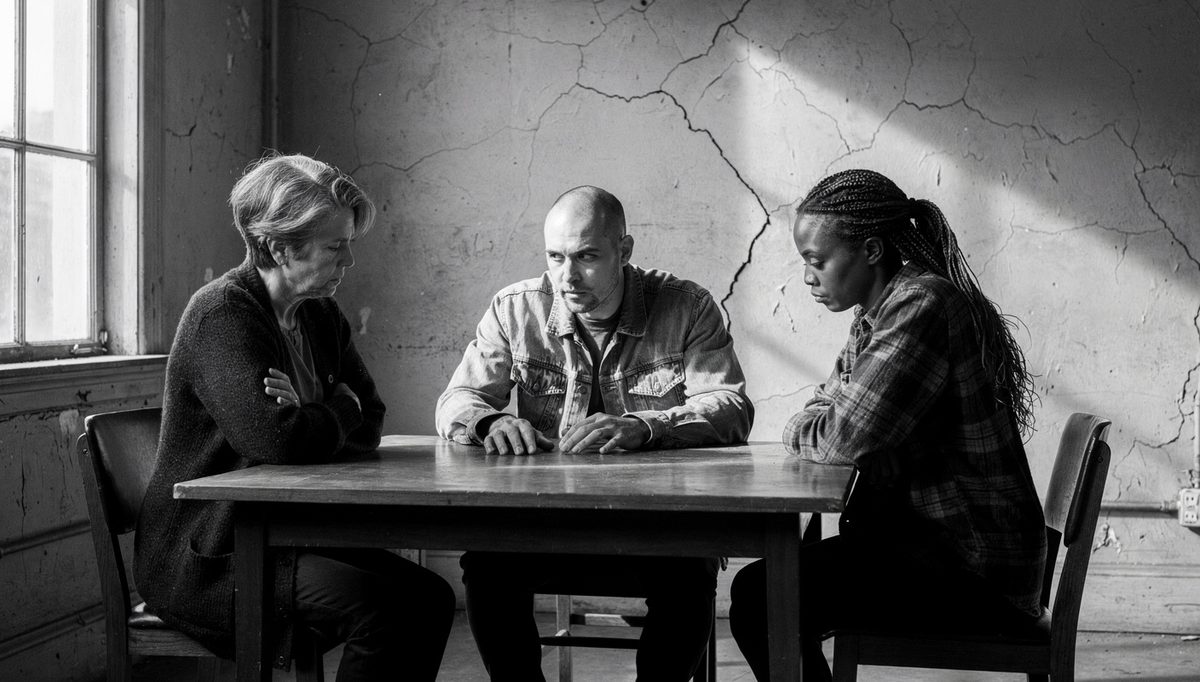
The meeting ended twenty minutes ago. Nobody has spoken since. Two people left without making eye contact. The project manager is staring at a screen he is not reading. What just happened in that room did not feel like a disagreement. It felt like a detonation.
Most teams never fully recover from a moment like that. Not because the damage is permanent, but because nobody knows what to do next. There is no clear process. People either pretend it did not happen or they overreact with forced team-building exercises that make everything worse.
The real reason teams struggle to recover team synergy is not a lack of goodwill. It is a lack of structure. When emotions are high and trust is low, goodwill is not enough. You need a framework that works even when the room is still cold.
In this guide, you will get a clear, practical process for recovering team synergy that you can use immediately, starting with the hours after a conversation breaks down.
Why Rebuilding Collaborative Momentum Is Harder Than It Looks
Knowing your team needs to repair itself and actually knowing how to do that are two very different things. Most people understand that ignoring a rupture makes it worse. But understanding something and doing something about it are separated by a considerable distance.
Here is what makes this genuinely difficult:
The people most affected often go quiet first. Those who felt dismissed or humiliated in the original conversation tend to withdraw, which means the leader hears silence and mistakes it for resolution. The wound is still there, just underground.
The amygdala hijack leaves a residue. When a conversation triggers a threat response in the brain, people do not simply calm down when it ends. If you want to understand more about how that physiological response undermines group thinking, What Is the Amygdala Hijack and How It Silently Blocks Team Synergy in High-Pressure Moments explains it clearly. The point here is that your team needs time and structure before they can think clearly again.
The team's history changes how the rupture lands. A team with a long pattern of conflict will experience one bad conversation as confirmation of everything they feared. A team with strong bonds may recover faster, but the repair still requires deliberate effort.
Blame cycles form quickly. Once people have assigned fault privately, they defend that story. Getting them to revise it takes more than a group apology.
The leader's credibility is often part of the problem. If the leader contributed to the breakdown, even indirectly, their ability to lead the repair is compromised from the start.
The goal is not to eliminate these difficulties. It is to build a system that works in spite of them.
"The Conversation You're Avoiding Is the One You Need to Have."
"The Conversation You're Avoiding
Is the One You Need to Have."
Stop rehearsing conversations you'll never have. Say It Right Every Time gives you 115 word-for-word scripts and 16 proven frameworks to speak with confidence in every conversation that matters.
The Foundation: What You Need Before You Start
Before you begin, there are three things that need to be clear.
Honest Self-Assessment Before you lead any repair, you need to know your own role in what happened. This does not mean taking blame for everything. It means sitting quietly and asking: what did I contribute to this? Even if your contribution was small, naming it privately first will make the repair conversation more credible. People can tell when a leader is performing accountability rather than practicing it.
A Cooling Period Do not attempt a repair conversation within two hours of the original breakdown. Emotions need time to settle before anyone can listen clearly. Chapter 11 of Say It Right Every Time addresses this directly through the C.O.N.N.E.C.T. Method, beginning with "Calm yourself down" as the first non-negotiable step. That principle applies just as powerfully to teams as it does to individual relationships. A conversation attempted while the emotional residue is still hot will usually make things worse.
A Private Space and a Protected Block of Time The repair conversation cannot happen in a corridor or a thirty-minute window between calls. You need a room with a door, no phones, and enough time for every person to speak without being rushed. If you cannot create those conditions, wait until you can.
Get these right first. The steps that follow will not work without them.
Step 1: Name What Happened Without Assigning Blame
This step sets the entire tone for recovery, and most leaders get it wrong.
The natural instinct is to smooth things over quickly. You say something like "we all got a bit heated" and hope everyone agrees to move on. That approach fails because it does not honor what people actually experienced. Until the rupture is named honestly, nobody feels safe enough to engage in real repair.
Your job in this step is to describe what happened in neutral, observable terms, without labeling who caused it or why.
- Write down two or three specific things that occurred in the conversation: a raised voice, an interruption, a statement that landed badly.
- Prepare a brief opening statement that names these things without accusation.
- Separate what you observed from what you interpreted.
- Acknowledge that the conversation had an impact on the team, even if you are unsure yet of the full extent.
- Deliver this statement standing or sitting calmly, with no preamble about "moving forward" or "putting this behind us."
Example: "I want to start by naming what happened in Tuesday's meeting. The conversation became heated. Two people were interrupted before they finished speaking. One statement was made that I know caused hurt. I am not here to assign blame. I am here because what happened matters, and I want us to address it properly."
After you speak, the room will either relax slightly or hold its tension. Either response tells you something important about where you are starting from.
Step 2: Create a Structure for Every Voice to Be Heard
Once you have named the rupture, the next step is to give every person a protected opportunity to speak. This is not a free-for-all discussion. That will collapse into the same dynamics that caused the original breakdown.
You need a format where each person speaks without interruption, and others listen without preparing their rebuttal.
- Set a clear speaking order, going around the room or the call.
- Give each person two to three minutes to say what they experienced and what they need.
- Ask everyone else to hold their response until all voices have been heard.
- Take brief notes so that people see their words being recorded and respected.
- Reflect back what you heard from each person before moving on: "What I heard you say is..."
This structure comes directly from the listening principles I outline in Say It Right Every Time, specifically the idea that summarizing what you heard before offering your own opinion is one of the most powerful repair tools available. It slows the conversation down. It signals respect. It prevents the blame cycle from accelerating.
When every person has spoken and been reflected back to, the emotional temperature in the room drops noticeably. That is when real repair becomes possible.
Step 3: Acknowledge Specific Impact, Not General Regret
This step is where most apologies fail. General statements like "I am sorry if anyone was upset" do not repair trust. They often make things worse because they feel evasive.
Recovering team synergy requires specific acknowledgment of specific harm. In Say It Right Every Time, Chapter 11 describes this principle through the H.E.A.R.T. Method, where "Acknowledge your role" is a distinct step separate from empathy. Acknowledging your role means naming what you actually did, not just expressing regret that someone felt bad.
- Identify the specific moment or statement that caused damage.
- Name the impact directly: "When I said that, it cut off the conversation and left your point unheard."
- Avoid the word "if": "I am sorry if you felt..." shifts responsibility onto the other person's feelings.
- Speak to individuals specifically, not to "the team" as an abstraction.
- Invite the other person to add or correct what you have said.
Script example: "I need to acknowledge something specific. When I dismissed your suggestion in front of the group, I undermined your credibility in the room. That was wrong, and it had an impact beyond just that moment. I am sorry for that. Is there more I need to understand about how that landed for you?"
After this step, you will often see a visible shift in the person you are addressing. That shift is the beginning of trust rebuilding.
Step 4: Rebuild Shared Agreements About How You Communicate
Once the rupture has been named, every voice has been heard, and specific harm has been acknowledged, the team is ready to build something new. This step is about creating clear, practical agreements that prevent the same breakdown from recurring.
These are not values statements. They are behavioral commitments. "We respect each other" is too vague to be useful. "We do not interrupt someone who is mid-sentence" is something people can actually follow.
- Ask the group: "What would need to be different in our conversations for people to feel safe contributing?"
- Collect specific, observable behaviors, not abstract ideals.
- Write the agreed behaviors down during the meeting, so everyone sees them being recorded.
- Read them back aloud before the meeting ends.
- Agree on how breaches will be named: "We will call it out in the moment, calmly and without blame."
For teams navigating deep structural issues alongside communication breakdowns, How to Rebuild Team Synergy After Conflict or Organizational Change offers a broader framework that complements this step well.
These agreements are not rules handed down by leadership. They are commitments the team makes together. That distinction matters enormously for how seriously people hold them.
Step 5: Follow Up Within 48 Hours
The repair conversation is not the finish line. It is the starting gun. What happens in the 48 hours after the conversation determines whether the repair holds or fades.
Most teams do the hard work of a repair conversation and then wait a week before following up. By then, the cynicism has crept back in. People have started wondering whether anything actually changed.
- Send a brief written summary of what was discussed and the agreements made.
- Check in individually with anyone who seemed particularly affected, even briefly.
- Reference one of the new agreements in the very next team interaction you have.
- Acknowledge progress when you see it: "I noticed we handled that differently today. That matters."
- If a breach occurs, name it gently and immediately: "I want to flag that we just had an interruption. Let's go back."
Script example for individual follow-up: "I wanted to check in after Tuesday's session. I know that was a hard conversation. I am still thinking about what you said about feeling unheard earlier in the year, not just in that meeting. Is there anything else you need from me right now?"
The 48-hour follow-up signals that the repair was real, not performative. That signal is what begins to rebuild psychological safety in a meaningful way.
Step 6: Use Feedback Loops to Measure Recovery
You cannot manage what you cannot see. After a serious team rupture, you need a way to track whether trust and collaborative energy are genuinely returning, or whether people are simply going through the motions.
This is not about surveillance. It is about creating a regular, structured opportunity for the team to honestly assess how things are going.
- Introduce a brief, weekly check-in question at the start of team meetings: "What is one word for how the team feels to you right now?"
- Rotate who facilitates these check-ins so the responsibility is shared.
- Review the agreed communication norms every two weeks and ask: "Are we living up to these?"
- Celebrate specific evidence of the team working better: a productive disagreement handled well, an idea from a quieter member that was properly heard.
- Track patterns over time: if the same friction keeps surfacing, it points to an unresolved issue that needs direct attention.
How Feedback Loops Boost Team Synergy gives you a detailed system for structuring this ongoing measurement in a way that builds rather than exhausts the team.
Recovery is not a moment. It is a direction. The feedback loop keeps you pointed the right way.
Step 7: Give the Team a Way to Recover in Real Time
Even with new agreements and better habits, difficult conversations will happen again. The goal is not to prevent all future friction. The goal is to give the team a method for recovering from friction quickly, before it compounds.
In Chapter 15 of Say It Right Every Time, I introduce the R.E.C.O.V.E.R. Method as a repair framework designed for exactly this purpose. It guides a team through owning mistakes, acknowledging impact, and restoring connection without a prolonged process every time something goes wrong. You can find the full breakdown in How to Use the R.E.C.O.V.E.R. Method When a Team Conversation Goes Wrong.
- Agree as a team that any member can call for a brief reset moment during a meeting by simply saying: "I want to pause and use the R.E.C.O.V.E.R. process."
- Practice the reset in a low-stakes scenario so it feels natural before you need it under pressure.
- Designate a rotating "conversation steward" each meeting: someone whose job is to notice when the dynamic shifts and call a pause.
- After any meeting where the reset is used, note what triggered it and whether the agreed norms need to be updated.
- Normalize recovery as a sign of a healthy team, not a sign of weakness.
When teams have a real-time repair method, the fear of future conversations breaking down decreases. That reduced fear is itself a driver of better team synergy.
Adapting This Process for Remote and Hybrid Teams
Remote and hybrid teams face a distinct challenge when a conversation breaks down. The absence of physical proximity means people retreat further and faster. Without a shared physical space, the rupture often becomes invisible to part of the team.
Delay the repair, but not too long. In a co-located team, you might convene a repair conversation the following morning. In a remote team, the same timing can feel abrupt before people have had space to process. Aim for 24 to 36 hours after the breakdown, not longer. Waiting a week allows the story each person tells themselves to harden.
Use video, not messaging. It is tempting to send a group message acknowledging the issue. Resist that. Repair requires facial expression, tone, and the ability to respond in real time. A text-based repair feels like an administrative exercise, not a human one. Require cameras on for the repair conversation.
Address the silence gap explicitly. In a remote team, people who disengage after a rupture simply disappear from the screen. Name this pattern directly: "I noticed some people went quiet after Tuesday's call. I want to make sure everyone has a chance to speak today."
Write everything down and share it immediately. In a co-located team, written agreements feel supplementary. In a remote team, they are essential. Send the written norms and agreements within one hour of the repair conversation ending.
Check in asynchronously between repair conversations. Use a brief, optional end-of-week message: "One word for how the team feels to you right now." Collect the responses and share them at the next team meeting without attribution.
The core process holds across every context. Only the execution changes.
Common Mistakes to Avoid
Let me tell you about the mistakes I see most often. I have made most of them myself.
The mistake: Trying to repair the team without repairing individual relationships first.
Why it happens: Leaders focus on the group because it feels more efficient.
What to do instead: Speak privately with the most affected individuals before the group repair session. People need to feel personally heard before they can engage in a group process with honesty.
The mistake: Rushing to "moving forward" before the rupture has been fully acknowledged.
Why it happens: The discomfort of sitting with unresolved tension is hard to tolerate.
What to do instead: Slow down deliberately. Use the phrase "before we talk about next steps" and spend more time on what happened than on what comes next.
The mistake: Treating the repair conversation as a one-time event.
Why it happens: The repair conversation itself feels like an achievement, so leaders unconsciously treat it as the endpoint.
What to do instead: Schedule the 48-hour follow-up before the repair conversation ends. Make the follow-up non-optional.
The mistake: Allowing one person to dominate the repair conversation.
Why it happens: The person with the strongest personality or the most grievance often fills the silence, and leaders let it happen to reduce their own discomfort.
What to do instead: Use the structured speaking format from Step 2. Time each speaker if necessary. Your job is to protect every voice, including the quietest ones.
The mistake: Writing vague communication norms that nobody can actually follow.
Why it happens: Vague norms feel safer because they are harder to violate.
What to do instead: Test each norm with this question: "Would we all agree immediately if someone broke this rule right now?" If the answer is no, the norm is too vague.
These are not character flaws. They are gaps in the system. Fix the system.
Your Practical Checklist
Use this checklist before you begin and after each cycle.
- I have given myself and the team at least a few hours to calm down before attempting any repair.
- I have honestly assessed my own role in what happened, however small.
- I have secured a private space and enough uninterrupted time for the repair conversation.
- I have prepared an opening statement that names the rupture without assigning blame.
- I have structured the conversation so every person speaks without interruption.
- I have acknowledged specific impact, not just expressed general regret.
- I have written down the team's new communication agreements during the meeting.
- I have sent a follow-up summary within 48 hours of the repair conversation.
- I have checked in individually with the most affected team members.
- I have introduced a regular feedback loop to track whether trust is genuinely rebuilding.
- I have given the team a real-time recovery method for future difficult conversations.
If you cannot check most of these, that is your starting point.
Summary and Next Steps
You now have a step-by-step process to lead your team through a genuine repair after a conversation that broke things. More than that, you have a way to build the kind of team that recovers faster every time.
- Name the rupture honestly and specifically before anything else.
- Create a structured format where every voice is heard without interruption.
- Acknowledge specific harm, not vague regret, because precision is what restores trust.
- Rebuild communication agreements as a team, not as a policy handed down from above.
- Follow up within 48 hours to show the repair was real.
- Use feedback loops to track genuine recovery, not just surface calm.
- Give the team a real-time repair method so future friction does not compound.
For a structured framework to use when a team conversation breaks down in the moment, read How to Use the R.E.C.O.V.E.R. Method When a Team Conversation Goes Wrong. If the rupture involves deeper interpersonal division between specific team members, How to Use the B.R.I.D.G.E. Method to Rebuild Synergy After a Team Breakdown gives you a more targeted tool. And if what is needed is a formal, direct apology, How to Apologize to a Team Member in a Way That Actually Restores Synergy will walk you through it step by step.
To recover team synergy is not to pretend the damage never happened. It is to do the hard, specific work of repair until the team earns back its own trust.
Frequently Asked Questions (FAQ)
How do you recover team synergy after a bad conversation?
To recover team synergy after a damaging conversation, start by acknowledging the rupture honestly rather than minimizing it. Create a structured space where each person can speak without interruption, then rebuild shared agreements about how the team communicates going forward. Progress comes through consistent action, not a single repair conversation.
How long does it take to recover team synergy after conflict?
Recovering team synergy after a serious conflict typically takes two to six weeks of consistent, deliberate effort. A single repair conversation rarely restores full trust. Teams that rebuild through repeated small actions, clear agreements, and follow-through tend to recover faster than teams that rely on one big reset moment.
What is the R.E.C.O.V.E.R. Method for team communication repair?
The R.E.C.O.V.E.R. Method is a structured framework for repairing team communication after a breakdown. It guides teams through recognizing the rupture, expressing impact, clarifying intentions, offering accountability, validating experiences, establishing new agreements, and reinforcing progress over time.
Why does team synergy collapse after one difficult conversation?
Team synergy collapses after a difficult conversation because trust is fragile and psychological safety drops quickly when people feel attacked, dismissed, or humiliated. Even one exchange where someone feels unheard can cause others to withdraw, withhold ideas, and disengage from collective goals for weeks afterward.
What should a team leader do first to recover team synergy?
A team leader should first acknowledge the rupture honestly and take direct accountability for their role in it, however small. Attempting to recover team synergy without naming what actually happened causes people to feel gaslit. Clear, calm acknowledgment is the first condition that makes any repair conversation possible.
Can team synergy be fully restored after a catastrophic conversation?
Yes, team synergy can be fully restored after a catastrophic conversation, and in many cases the team emerges stronger than before. The key is that the repair process is treated seriously, every person is given space to be heard, and new communication agreements are put in writing and followed consistently.