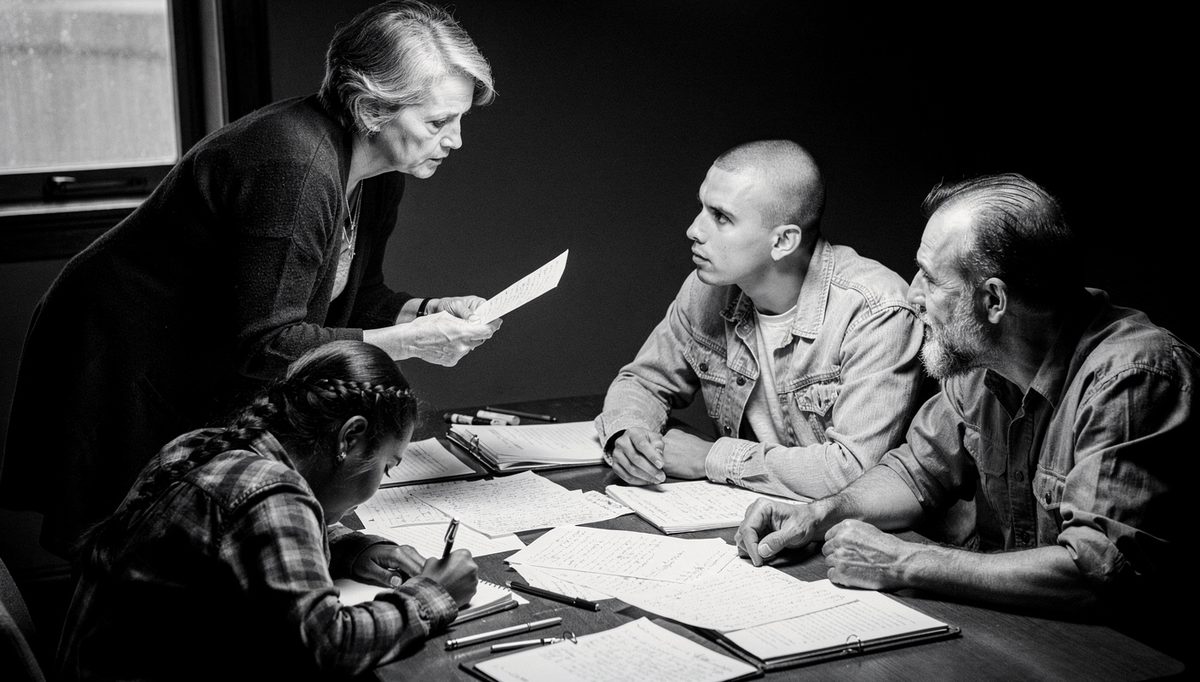

In Short
After reading this guide, you will know how to use personality assessments as a practical tool to build stronger team synergy through self-awareness, honest dialogue, and shared communication norms.
- Choose an assessment your team will engage with seriously, not just complete and forget.
- Debrief results together, focusing on working styles, not labels or fixed verdicts.
- Build communication agreements directly from what the assessment reveals.
Personality assessments for team use are structured tools, such as DiSC, MBTI, or the Big Five, that reveal how each person communicates, processes information, and responds under pressure, giving a team a shared language for understanding their differences.
You have a team that should work well together. On paper, the skills are there. But something keeps grinding. Decisions take too long. Quiet members get steamrolled. The same two people clash in every meeting. You have tried talking about it. Nothing shifts.
Here is the truth of it: most team friction is not a character problem. It is a difference in working style that nobody has ever named out loud. People are not being difficult. They are being themselves, and nobody has given the team a framework to understand what that means.
Personality assessments can fix this, but only if you use them properly. Most teams take the test, share their results for an afternoon, and then file the paperwork away and go back to their old patterns. That is not the system. That is the warm-up.
In this guide, you will get a clear, practical process for using personality assessments to build genuine team synergy that you can start applying immediately. If you want to understand why team synergy matters before you dig in, read What Is Role Clarity and Why It Is the Foundation of Sustainable Team Synergy as your starting point.
Why Building Team Synergy Is Harder Than It Looks
Knowing that your team needs better communication and actually achieving it are two very different things. Most managers understand the gap in theory. Living inside it is something else entirely.
Here is what makes this genuinely hard:
People resist being categorised. The moment someone sees a label attached to their name, they push back. A person who has spent twenty years building a professional identity does not want to be reduced to four letters or a colour code. That resistance is legitimate, and you have to earn their trust before they will engage seriously.
Results vary in accuracy. Some people take an assessment in five minutes during a busy morning and get a result that barely reflects them. Others find the profile so accurate it startles them. A team working from mixed-quality data will draw the wrong conclusions.
Differences feel threatening before they feel useful. When someone sees that their colleague is wired completely differently, the first instinct is often judgment, not curiosity. It takes guidance to move people from "that explains why they annoy me" to "that tells me how to work with them."
The debrief is where most teams lose momentum. Without a clear structure for that conversation, it either stays surface-level and polite, or it tips into something that feels too personal and uncomfortable. Both outcomes waste the tool.
Old habits reassert themselves quickly. Even a brilliant debrief fades within two weeks if the team does not build new agreements from it. Good intentions are not a system.
The goal is not to eliminate these difficulties. It is to build a system that works in spite of them.
"The Conversation You're Avoiding Is the One You Need to Have."
"The Conversation You're Avoiding
Is the One You Need to Have."
Stop rehearsing conversations you'll never have. Say It Right Every Time gives you 115 word-for-word scripts and 16 proven frameworks to speak with confidence in every conversation that matters.
The Foundation: What You Need Before You Start
Before you begin, there are three things that need to be clear.
A genuine reason to do this. If you are running personality assessments because HR suggested it or because another team did, stop. Your team will sense the hollowness immediately. You need a specific problem you are trying to solve: persistent conflict, communication breakdowns, a new team forming, or a period of high pressure that exposed fault lines. Name that problem to the team before you hand out a single questionnaire.
A commitment to act on the results. The assessment is not the destination. It is the starting line. Before you begin, decide what you will do with what you learn. How will you change how meetings run? How will you adjust how feedback is given? If you cannot answer those questions in advance, you are not ready.
Psychological safety in the room. People will not engage honestly with an assessment, or with the debrief, if they fear the results will be used against them. Read What Is Psychological Safety and How It Drives Team Synergy before you run this process. If safety is not in place, establish it first.
Get these right first. The steps that follow will not work without them.
Step 1: Choose the Right Assessment for Your Team
Choosing the right tool shapes everything that follows, because a poor fit produces data that nobody trusts.
There are three assessments worth knowing well. DiSC profiles map how people communicate and respond to conflict. It is practical, fast, and easy for teams to apply to daily interactions. MBTI looks at how people process information, make decisions, and draw energy. The Big Five, also called OCEAN, is the most research-backed of the three and covers openness, conscientiousness, extraversion, agreeableness, and neuroticism. Each tool has strengths. What matters most is which one your team will engage with seriously enough to act on.
- Research all three tools before committing. Read sample reports so you understand the language each uses.
- Consider your team's existing relationship with self-reflection. A team new to this work often does better with DiSC's practical focus before moving to something more nuanced.
- Check whether your organisation has an existing licence or preferred provider. Using a consistent tool across teams makes cross-team collaboration easier.
- Confirm that the tool you choose has a reliable debrief framework, not just a report. The debrief is where the real work happens.
- Present the choice to your team before you decide. Giving people a say in the tool increases buy-in enormously.
Example: A team of eight engineers, most of whom were sceptical of anything that felt like "soft skills work," chose DiSC specifically because the report focused on observable behaviour, not personality theory. The practical framing lowered their resistance. Within a week of the debrief, three of them had voluntarily put their DiSC style on their desk calendars as a reminder during difficult conversations.
The tool you choose sets the tone for how seriously the team takes what follows.
Step 2: Create the Conditions for Honest Completion
The quality of your debrief is only as good as the quality of the data going into it, and that means people need to complete the assessment honestly.
Most people, when they suspect their results will be shared, answer based on who they want to be rather than who they actually are. You need to address that directly before anyone opens the questionnaire.
- Tell the team explicitly that there are no right or wrong results. Mean it.
- Ask people to complete the assessment when they are calm and unrushed, not between meetings on a deadline day.
- Give a clear, specific deadline. Open-ended timelines produce last-minute, rushed completions.
- Ask each person to note, privately, the one result they find most surprising. This question primes deeper reflection before the group session.
- If your team includes neurodivergent members, check whether the tool's format and questions are accessible. Some assessments rely on self-perception language that can be harder to navigate. The article on Team Synergy Tips for Managers Leading Neurodivergent Team Members has practical guidance on adapting this process.
Honest completion is not a given. You have to design the conditions that make it possible.
Step 3: Run a Structured Team Debrief
The debrief session is the most important hour you will spend in this entire process. Most teams squander it by making it a show-and-tell. Do not do that.
A structured debrief moves the team through four stages: individual reflection, pair sharing, whole-team mapping, and agreement-setting. That sequence matters. You cannot jump to team agreements until people have had time to sit with their own results privately first. The role of emotional intelligence in team synergy is especially visible in this stage: people need to feel their results are understood before they will engage in honest group conversation.
- Open with fifteen minutes of silent individual reading. No group discussion yet.
- Ask each person to share one thing the result got right and one thing they want to push back on. This normalises nuance and prevents the results from feeling like a verdict.
- Map the whole team together on a shared visual. A simple grid on a whiteboard works well.
- Identify where the team clusters and where there are outliers. Name those gaps without judgment.
- Ask the team: "Where have these differences already shown up in how we work?" Let the stories come out.
Example script: "I want to ask everyone to share one moment in the last month where you think your style made collaboration harder, not easier. Not someone else's style. Yours. I will go first." This question shifts the room from observation to accountability, which is where the real change begins.
After this session, your team will have a shared language for things that previously had no name.
Step 4: Map Strengths and Friction Points Together
Once results are visible and people are talking, the next step is to map where the team's styles complement each other and where they create recurring tension.
This is not about assigning blame. It is about identifying patterns before they cause damage. The map you build in this step becomes a practical reference tool, not a document that sits in a drawer.
- Create a simple team matrix: list each person's dominant style traits in a shared document that everyone can access.
- Identify two or three specific scenarios where style differences have created friction. Be precise: name the meeting, the decision, the deadline.
- For each friction point, ask: "What would this situation look like if both styles were respected?" Write down the answer.
- Flag where the team has natural complements. A high-detail thinker paired with a fast-decision maker can be powerful if they understand each other's rhythm.
- Share this map with the whole team before the next step. Give people twenty-four hours to read it privately before you discuss it.
Mapping is the bridge between insight and action. Without it, the assessment stays abstract.
Step 5: Build Communication Agreements from the Data
This step is where personality assessments stop being a team-building exercise and start being a team-operating system.
A communication agreement is a specific, written commitment about how the team will behave, based directly on what the assessment revealed. It is not a vague values statement. It is a clear, practical rule that everyone has agreed to follow.
- Draft two or three agreements that directly address the friction points you mapped in Step 4. Keep each one to one sentence.
- Test each agreement against a real scenario before you finalise it. Ask: "Would this have helped us last month?"
- Present the draft agreements to the team for input before you finalise. People follow rules they helped write.
- Post the agreements somewhere visible and permanent: a shared document, a team channel pinned post, a printed sheet on the wall.
- Review the agreements in your first team meeting after the debrief. Ask: "Did we keep them this week?"
Example agreement: "When a decision feels rushed, any team member can call a two-minute pause by saying 'I need to process this.' No explanation required, no pushback allowed."
Example: A team whose assessment revealed a split between fast-moving extroverts and detail-focused introverts wrote this agreement: "Agenda items requiring a decision will be shared twenty-four hours in advance, with a brief summary note attached." Three months later, the team reported fewer post-meeting reversals and less frustration from their quieter members. That one sentence, written in forty seconds, changed their working rhythm. See also Introverts vs Extroverts in Team Synergy: How to Balance Both for Maximum Cohesion for more on this specific dynamic.
Agreements without review are just good intentions. Build the review into your calendar before you leave the debrief.
Step 6: Embed the Language into Day-to-Day Team Life
A one-off debrief session will not change how a team works. The language from the assessment has to become part of how the team speaks to each other, week after week.
This is the step most teams skip. They complete the debrief feeling energised, then return to business as usual and wonder why nothing changed.
- Encourage team members to reference their style naturally in conversation: "I am asking a lot of questions here because that is how I process. Bear with me."
- When conflict arises, use the assessment language to depersonalise it: "I think we are hitting a style difference here. Can we name it?"
- Include a brief check-in question in your weekly team meeting: "Is there anything from our communication agreements we want to revisit?"
- When onboarding a new team member, share the team map and the agreements as part of their first week.
- Revisit the full debrief process every twelve to eighteen months. Teams change. New pressures reveal new patterns. The assessment is a living tool, not a one-time event.
The teams I have watched sustain real synergy are not the ones who had the best debrief session. They are the ones who kept using the language long after the session ended.
Step 7: Use Feedback to Reinforce What You Have Learned
Personality assessments give your team a language. Feedback is how you practice using it. These two tools belong together, and one without the other loses half its power.
When feedback is grounded in style awareness, it lands differently. Instead of "you keep interrupting people," a team member can say "your DiSC profile shows a high-D drive, and I think that is showing up in our meetings. Can we talk about how it affects the rest of us?" The message is the same. The impact is completely different. For a full guide on delivering feedback that strengthens rather than fractures cohesion, read How to Give Feedback That Strengthens Team Synergy Instead of Breaking It.
- After any significant team event or project, hold a short retrospective using the team map as a reference.
- Ask: "Where did our style differences help us? Where did they get in the way?"
- Encourage people to give one piece of style-informed feedback to a colleague each month. Keep it specific and constructive.
- Use the communication agreements as the benchmark for feedback, not personal expectations.
When your team can give each other feedback that is grounded in shared data rather than frustration, you have built something that will hold under pressure.
Adapting This Process for Remote Teams
Remote teams face a specific challenge with personality assessments: the shared experience that makes the debrief work is much harder to create across screens and time zones.
The core process is the same. The execution requires deliberate adaptation.
Invest more in the pre-session setup. In a physical room, you can read the energy and adjust. On a call, you cannot. Send the individual reflection questions before the session so people arrive having already thought, not processing in real time while trying to look engaged on camera.
Use collaborative digital tools to build the team map. A shared Miro board or a simple Google Doc with everyone's profiles visible works well. People should be able to add notes to the map asynchronously after the session, not just during it. This is especially valuable for introverts who process best when the pressure of the room is off.
Split the debrief across two shorter sessions. A two-hour debrief in person is manageable. The same duration on a video call is exhausting, and exhausted people stop being honest. A sixty-minute session to share and map, followed by a second session a week later to build agreements, tends to produce far better results.
Build the language into your written communication. In a remote team, most communication happens in writing. Encourage people to reference their style in Slack or email: "Heads up, I am going to ask a lot of clarifying questions on this one." That habit transfers the debrief language into the channels where remote teams actually live. You can also read How Psychological Safety Enables Honest Communication and Sustains Team Synergy for guidance on building the conditions that make this kind of openness possible at a distance.
The core process holds regardless of where your team sits. Only the execution changes.
Common Mistakes to Avoid
Let me tell you about the mistakes I see most often. I have made most of them myself.
The mistake: Running the assessment without a clear purpose.
Why it happens: It feels like a good team-building activity, so people skip the hard question of what they are actually trying to fix.
What to do instead: Name the specific problem you are solving before you begin. Write it down and share it with the team.
The mistake: Using results to label or limit people.
Why it happens: Categories feel efficient. It is tempting to say "she is a high-C, she will be too slow for this project."
What to do instead: Treat the assessment as a starting point for conversation, never as a ceiling on what someone can do.
The mistake: Skipping the individual reflection time at the start of the debrief.
Why it happens: Facilitators are nervous about silence and rush to group discussion too quickly.
What to do instead: Build fifteen minutes of silent reading into the start of every debrief. The quality of the group conversation depends on it.
The mistake: Building no agreements from the debrief.
Why it happens: The session feels productive and warm, and teams assume that feeling will carry forward on its own.
What to do instead: Do not leave the room without at least two written agreements. Schedule a review of those agreements for two weeks later.
The mistake: Never revisiting the assessment.
Why it happens: The initial session takes effort, and teams assume the work is done.
What to do instead: Calendar a team map review every twelve months. Treat it as maintenance, not a one-off event.
These are not character flaws. They are gaps in the system. Fix the system.
Your Practical Checklist
Use this checklist before you begin and after each cycle.
- I have identified a specific team problem this assessment will address.
- I have chosen an assessment tool appropriate for my team's experience and context.
- I have communicated the purpose of the assessment clearly to the team.
- I have confirmed psychological safety is strong enough for honest engagement.
- Every team member has completed the assessment in a calm, unrushed setting.
- I have scheduled a structured debrief session with a clear agenda.
- The debrief begins with individual reflection before group discussion.
- We have built a visible team map from the combined results.
- We have identified at least two specific friction points from the data.
- We have written at least two communication agreements from the debrief.
- The agreements are posted somewhere the team sees them regularly.
- A review date is booked for twelve months from the debrief session.
If you cannot check most of these, that is your starting point.
Summary and Next Steps
You now have a practical, step-by-step process for using personality assessments to build team synergy that holds beyond a single session. That is the difference between a team-building day and a working communication system.
- Choose the right assessment tool by matching it to your team's specific needs and readiness, not by picking whatever is most popular.
- Create honest completion conditions before a single questionnaire is opened.
- Run a structured debrief that moves from individual reflection to team mapping before you attempt any agreements.
- Map both the strengths and the friction points. Both are equally useful.
- Write specific, tested communication agreements from the data. Vague intentions dissolve under pressure.
- Embed the assessment language into daily conversation so the debrief stays alive long after the session ends.
- Use feedback grounded in style awareness to reinforce what the team has learned together.
From here, I would encourage you to read What Is Psychological Safety and How It Drives Team Synergy if you have not already. The assessment process will not work without the safety conditions it describes. Then spend time with The Role of Emotional Intelligence in Team Synergy, because the debrief conversations this process generates will require every bit of emotional skill your team can bring.
Using personality assessments well is not about finding out who people are. It is about giving your team the language to work with who people are, and that distinction is everything.
Frequently Asked Questions (FAQ)
What are personality assessments for team synergy?
Personality assessments for team synergy are structured tools, such as MBTI, DiSC, or the Big Five, that reveal how each person thinks, communicates, and responds under pressure. Teams use this data to reduce friction, align roles to strengths, and build a shared communication framework that works for everyone.
How do personality assessments improve team synergy?
Personality assessments improve team synergy by making invisible differences visible. When your team understands why a colleague processes information slowly or speaks bluntly, they stop taking it personally. That shift in understanding replaces friction with connection and allows the group to collaborate more effectively.
Which personality assessment is best for team synergy?
There is no single best assessment for team synergy. DiSC works well for communication style awareness. MBTI is strong for understanding how people think and make decisions. The Big Five offers the most research-backed view of personality traits. Choose the tool your team will actually engage with and act on.
How do you run a personality assessment debrief with a team?
Run a personality assessment debrief by sharing results openly, inviting each person to say what feels accurate and what does not, and then mapping the whole team together. Focus discussion on working styles and communication preferences, not on labelling people. Give the team time to sit with what they learn before making agreements.
Can personality assessments cause harm to team synergy?
Yes, personality assessments can harm team synergy when used carelessly. If results are used to stereotype, exclude, or limit people, they breed resentment. The tool is only as useful as the conversation it starts. Use assessment results as a starting point for understanding, never as a fixed verdict on what someone can or cannot do.
How often should a team redo personality assessments?
A team should revisit personality assessments every one to two years, or whenever the team composition changes significantly. Personalities shift over time, especially under new pressures or leadership. A periodic refresh keeps the team map accurate and opens up new conversations about how people have grown or changed.