
In Short
High-synergy teams are not built on talent or luck. They are built on specific psychological conditions that shape how people think, trust, and respond to one another under pressure.
- Shared mental models reduce friction and let teams coordinate without constant instruction.
- Psychological safety determines whether people contribute fully or protect themselves quietly.
- Trust accumulates through small, repeated moments of follow-through, not single gestures.
Team synergy psychology is the study of the mental and emotional conditions that allow a group to perform beyond the sum of its individual parts. It examines how trust, shared understanding, and emotional safety combine to shape collective performance.
Why Team Synergy Feels Like Magic But Is Not
I have watched two teams with nearly identical talent produce completely different results. One moved like a single organism. The other ground itself down in friction, silence, and miscommunication. For a long time I thought the difference was personality or luck. After six decades of watching people work together, I no longer believe that.
The central question this article answers is this: what is actually happening beneath the surface of a high-synergy team? Not what they do differently, but what they believe, feel, and expect from one another. That distinction matters enormously, because if you only copy the surface behaviours without understanding the psychology underneath, you will build a team that looks connected but is not.
In this article, you will understand the mechanisms that create genuine team synergy psychology and what those mechanisms mean for how you communicate and lead every single day. If you want to explore how specific emotional skills reinforce these conditions, The Role of Emotional Intelligence in Team Synergy is a strong companion piece to what follows.
"The Conversation You're Avoiding Is the One You Need to Have."
"The Conversation You're Avoiding
Is the One You Need to Have."
Stop rehearsing conversations you'll never have. Say It Right Every Time gives you 115 word-for-word scripts and 16 proven frameworks to speak with confidence in every conversation that matters.
The Surface Versus the Root of How Teams Connect
Most people understand team synergy at the level of behaviour. They see a team that communicates openly, finishes each other's sentences, moves quickly through disagreements, and produces results that no single member could manage alone. They say: "That team has great chemistry." Then they try to replicate the chemistry, and fail.
The surface-level view focuses on meetings, communication tools, team rituals, and role clarity. These things matter. But they are outputs of a deeper condition, not the cause of it. You can run a thousand good meetings and still have a team that does not trust one another.
The root is psychological. High-synergy teams share a set of beliefs: that their contributions will be received fairly, that honesty will not be punished, that their colleagues will follow through on what they promise, and that the group is working toward something real. These beliefs do not form through a single team-building exercise. They form through accumulated evidence, one interaction at a time. Understanding the root changes how you respond to the surface.
Team Synergy Psychology: The Core Mechanisms Explained
Here is the truth of it. What makes a team click is not a single thing. It is several interconnected psychological conditions, and when they are all present at once, performance becomes something qualitatively different from the sum of individual effort.
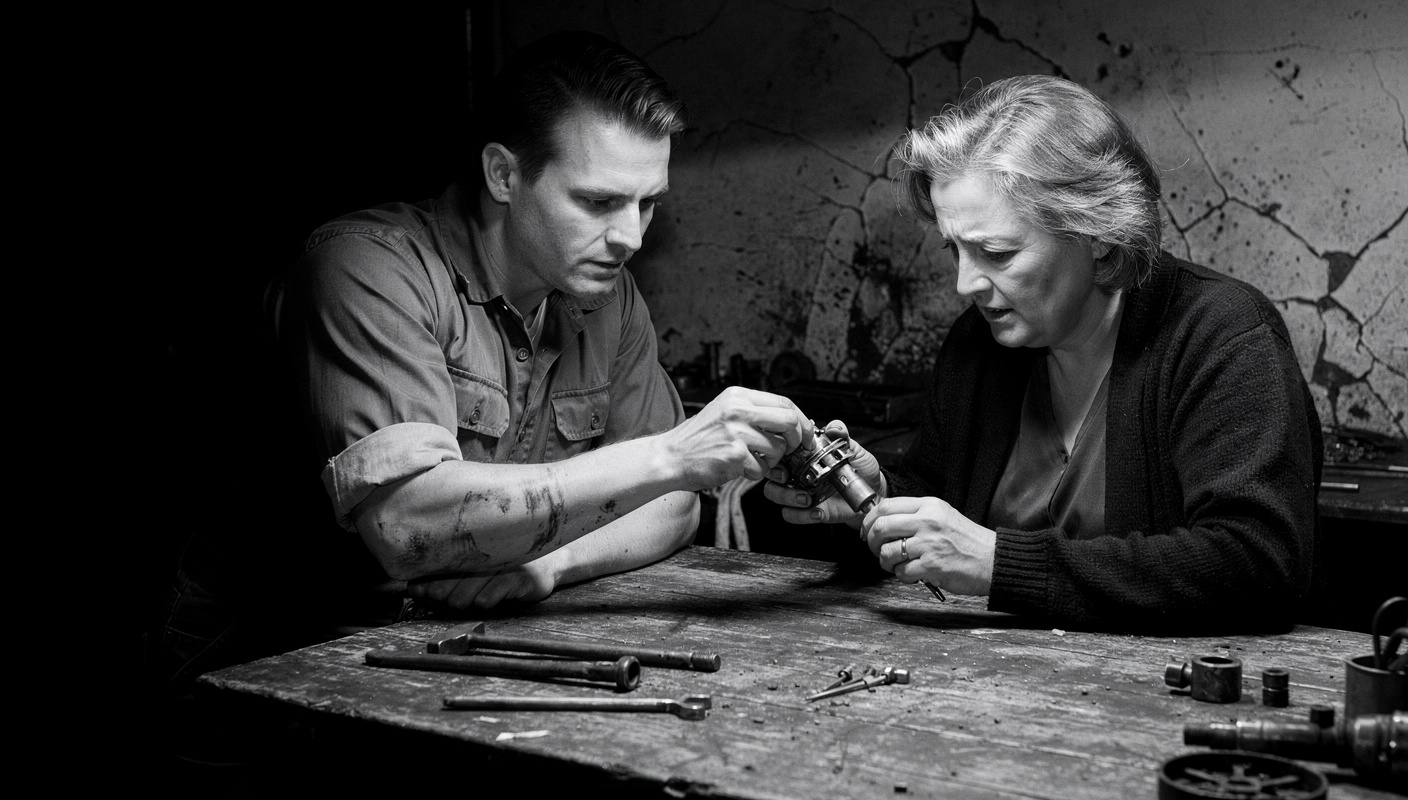
Shared mental models reduce coordination costs. When team members have worked together long enough, they develop an internal map of how each other thinks, prioritises, and responds under stress. This is not a formal process. It builds through observation and interaction over time. Which means that in practice, teams with shared mental models spend far less energy explaining themselves and far more energy actually solving the problem in front of them.
Psychological safety determines the depth of contribution. When people are uncertain about how their ideas will land, they self-edit. They offer the safe version of their thinking, not the real version. Teams where psychological safety is high produce more honest disagreement, more creative ideas, and more direct feedback, because people are not spending energy managing the impression they make. That is why teams with high psychological safety often appear to argue more than struggling teams, but the arguments are productive rather than corrosive.
Trust is built through small, repeated moments. People tend to think trust is built through grand gestures or declarations of intent. It is not. Trust accumulates through a thousand small acts of follow-through: you said you would send that by Thursday and you did, you noticed something was wrong and you named it, you gave credit when credit was due. Which means that the fastest way to erode team synergy is not a dramatic betrayal but the slow accumulation of unreliable small behaviours that nobody wants to confront.
Threat response shapes group behaviour invisibly. When people feel unsafe, whether physically, socially, or professionally, the threat-detection system in the brain takes precedence over collaborative thinking. Understanding what the amygdala hijack does to team performance is essential here. One person in a state of threat can shift the emotional tone of an entire room, often without anyone understanding why the energy changed. This is why high-pressure moments tend to reveal the true psychological foundation of a team.
A sense of shared identity amplifies individual effort. When people feel genuinely part of something, they bring more. Not because they are told to, but because the outcome feels personally meaningful. High-synergy teams tend to have a strong sense of collective purpose, and members feel that their specific contribution matters to the whole. That is why teams that do this well outperform even groups with technically superior individuals.
Together, these mechanisms form the psychological foundation of genuine team synergy. Remove any one of them, and the others begin to weaken.
What High-Synergy Team Psychology Looks Like in Real Situations
Here is where this psychology becomes visible in everyday communication.
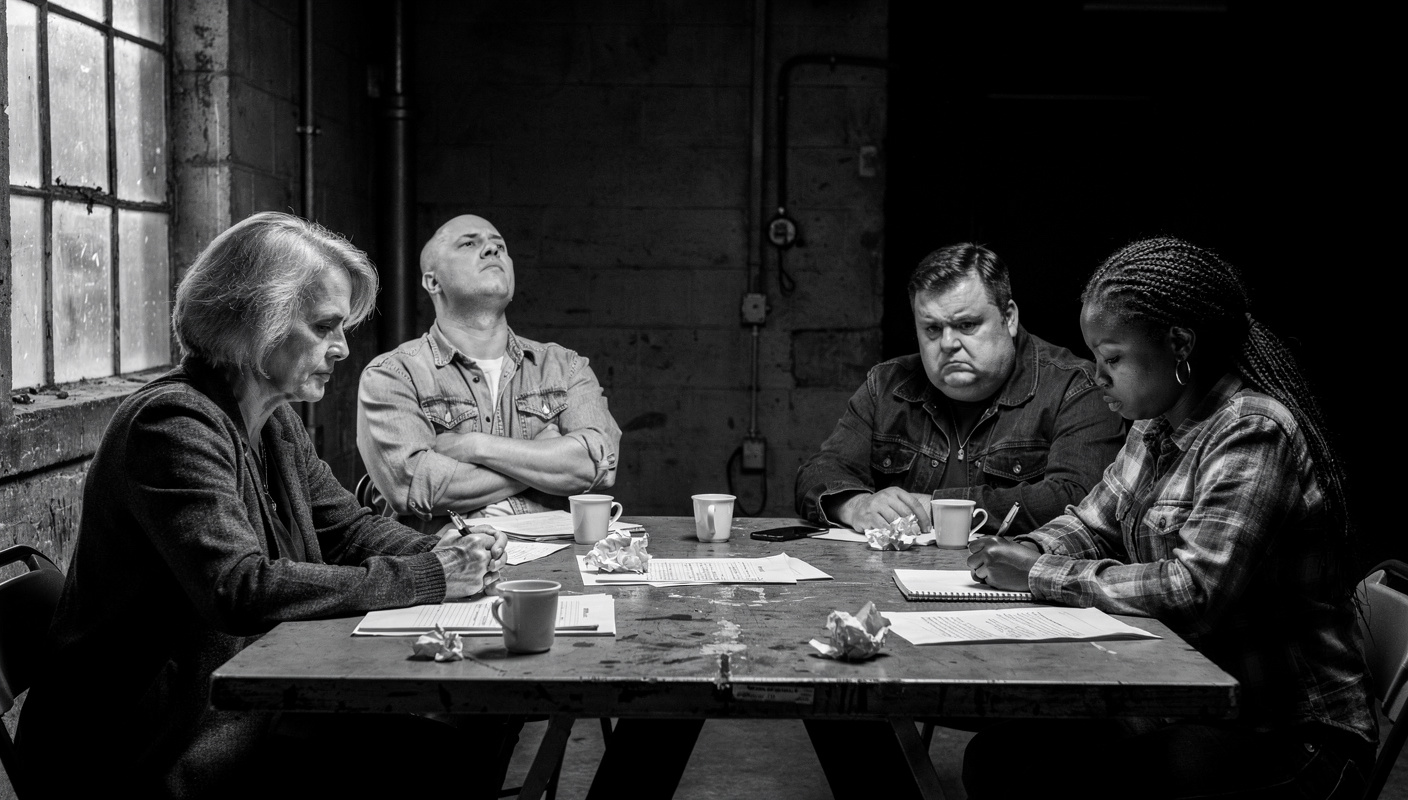
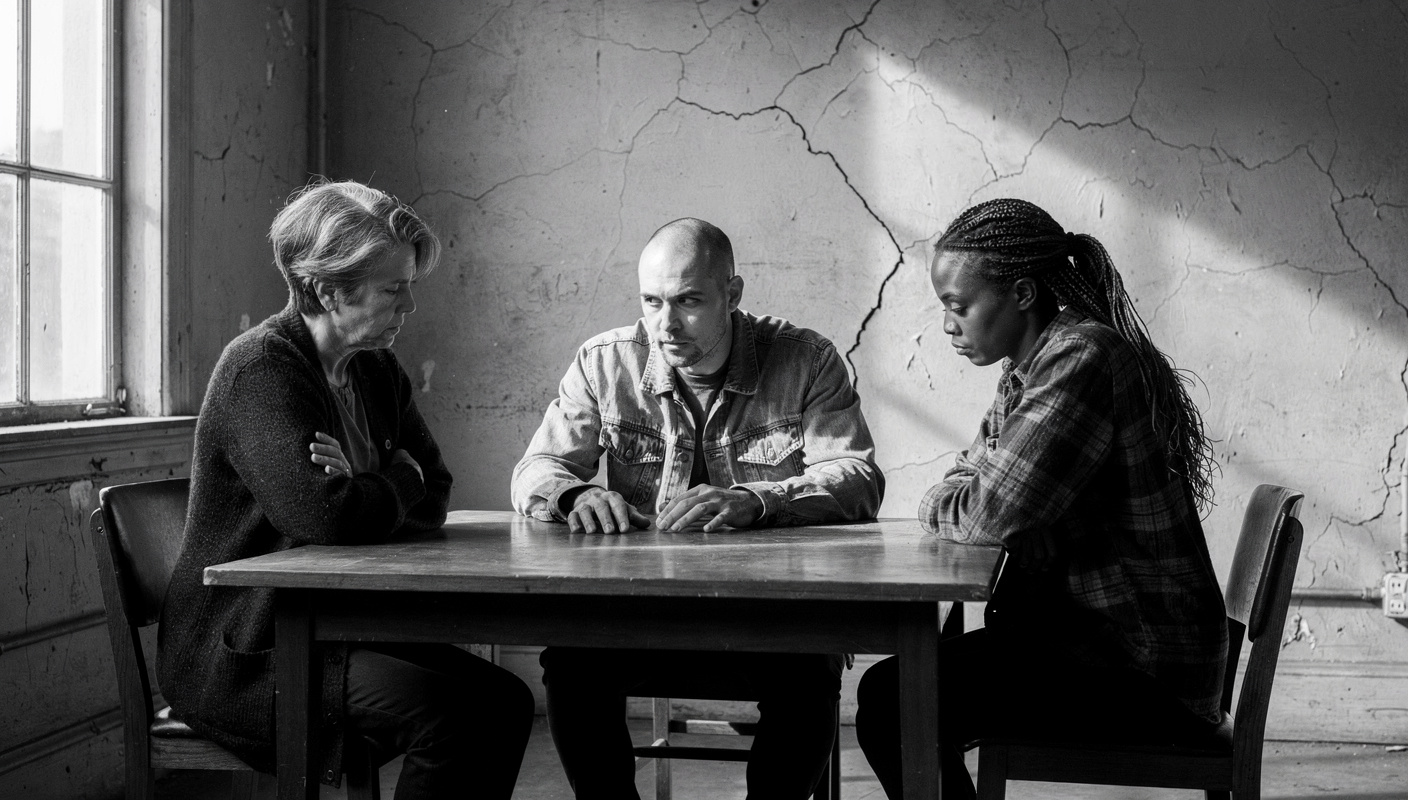
A product team I worked with was stuck in a pattern of polite, unproductive meetings. Everyone nodded, no one challenged, and decisions made in the room were quietly undermined in corridor conversations afterward. The surface problem looked like poor meeting facilitation. The root was the absence of psychological safety: people did not believe honest dissent would be received without consequence. Once that was understood, the solution changed completely. Better meeting agendas were not the answer; building the conditions where people felt safe to speak was.
A manufacturing team appeared to have strong communication: they were friendly, collaborative in tone, and rarely in visible conflict. But when a critical deadline was missed, the post-mortem revealed that three people had known about the risk two weeks earlier and said nothing. The surface behaviour looked like team harmony. The root was a shared mental model that bad news was not welcome. The synergy was performative, not real. How psychological safety enables honest communication explores exactly this pattern in depth.
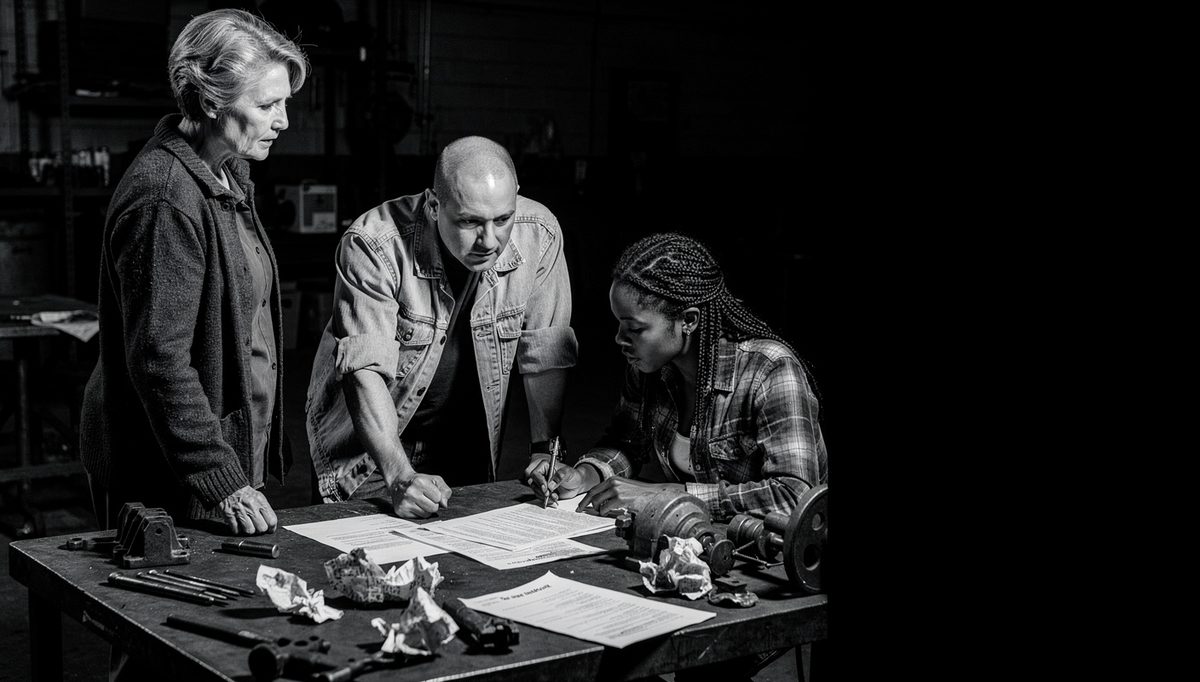
A third team, a small advisory group, consistently outperformed larger and better-resourced teams in their organisation. People from the outside attributed it to talent. The people inside knew it was something different: every person in that group had learned, over time, exactly how each other thought under pressure. They had built a shared mental model so strong that they could distribute decisions quickly and trust they would land. The confidence-competence loop that accelerates team synergy explains precisely why some teams reach this state faster than others.
In each of these situations, the surface behaviour was different. The root mechanism was the same.
Why Most People Miss the Psychology Underneath Team Synergy
If this insight is this important, why do so few people see it clearly?
We are trained to manage behaviour, not conditions. Most organisations reward visible actions: attendance, output, participation in meetings. They do not have systems for building psychological safety or shared mental models. So managers do what they can measure, and the deeper conditions are left to chance.
Synergy looks effortless from the outside. When a team is genuinely working well, it does not look like hard work. It looks natural. That makes it easy to assume the team was just lucky with the mix of personalities, rather than understanding that specific conditions were built deliberately over time. You can miss what you are not looking for.
Problems surface in the wrong place. When trust is eroding, you do not usually see it in the trust data. You see it in missed deadlines, poor feedback culture, or conflict in meetings. Leaders treat the symptom and never trace it back to the root. Understanding how feedback affects team synergy is one of the more practical ways to start working on the root.
The mechanisms operate below the level of conscious conversation. Nobody sits down and says "I do not feel safe contributing my honest view here." They just stay quiet, agree on the surface, and find other ways to manage their discomfort. The gap between what people say in meetings and what they actually think is one of the most reliable indicators of low psychological safety, but it is nearly invisible until you learn to look for it.
Awareness is the beginning. But awareness without application changes nothing.
What Team Synergy Psychology Means for How You Communicate
Understanding this changes what you do in three specific ways.
Treat trust as a daily practice, not a milestone. Trust is not something you build once and maintain. It erodes without attention and rebuilds through consistency. Make a habit of following through on small commitments, naming problems early, and giving credit visibly. These are not grand gestures; they are the raw material of collective trust, and they compound over time.
Read silence as data, not agreement. When a room goes quiet after a difficult idea is raised, that silence carries information. Learn to distinguish comfortable thinking time from self-protective silence. Ask directly: "What concerns do people have that we have not said out loud yet?" That one question, asked with genuine respect and repeated over time, begins to shift the psychological conditions of a team.
Invest in shared understanding before shared action. Teams that jump into execution without building a shared mental model of the problem spend enormous energy on misalignment and rework. Before moving to action, take the time to ensure people are not just agreeing to a plan but genuinely seeing it the same way. This is where collective flow and peak team performance becomes possible: when people are aligned at the level of understanding, not just instruction.
Protect the conditions, not just the results. When pressure builds, most leaders focus entirely on the output: the deadline, the deliverable, the number. But pressure is precisely when the psychological conditions of a team are most at risk. Protect those conditions deliberately. Check in on how people are feeling, not just how the work is progressing. A team that preserves its trust under pressure will outperform one that sacrifices it every time.
These are not new behaviors. They are the same behaviors, grounded in a deeper understanding of why they work.
Key Insights and Next Steps
The psychology behind high-synergy teams comes down to this: performance follows conditions, and conditions are built through communication.
- Shared mental models reduce friction and allow a team to coordinate without constant instruction.
- Psychological safety is not a soft ideal; it is the precise condition that determines whether people contribute fully or protect themselves quietly.
- Trust is built through small, repeated acts of reliability, not single dramatic gestures.
- Threat response operates below conscious awareness and can shift a team's performance without anyone understanding why.
- High-synergy teams are built deliberately, through consistent communication behaviours practiced over time, not through talent or luck alone.
- The gap between what people say in meetings and what they actually think is the most reliable early warning signal that something in the team's psychological conditions needs attention.
To go deeper on the specific conditions explored here, start with What Is Psychological Safety and How It Drives Team Synergy and then work through What Is Collective Flow and How It Relates to Peak Team Synergy. Both will sharpen the picture considerably.
Building team synergy is a practice, not a gift. The psychology makes that clear, and that should feel like good news.
Frequently Asked Questions (FAQ)
What is team synergy psychology?
Team synergy psychology is the study of the mental and emotional conditions that allow groups to perform beyond the sum of their individual parts. It examines how trust, shared understanding, and emotional safety shape how people collaborate, communicate, and respond under pressure.
Why do some teams have natural synergy?
Teams that develop synergy quickly tend to share a common psychological foundation: people feel safe enough to speak honestly, trust builds through repeated small moments of follow-through, and members develop a shared sense of how each other thinks and works. It looks natural from the outside, but it was almost always built deliberately from within.
How does psychological safety relate to team synergy?
Psychological safety is one of the core conditions that makes team synergy possible. When people feel safe to speak, disagree, and ask questions without fear of humiliation, they stop self-censoring and start contributing fully, which is when genuine collective performance becomes possible.
What blocks team synergy in the workplace?
The most common blocker is unspoken tension between team members that no one addresses. When people feel uncertain about how their contributions will be received, they hold back. That self-protection accumulates quietly and erodes the trust that collective performance depends on.
Can team synergy be built deliberately?
Yes. Team synergy is not a personality trait or a stroke of luck. It is the result of consistent communication behaviours repeated over time: honest feedback, reliable follow-through, clear acknowledgement of each person's contribution, and the courage to name what is not working.
How long does it take to build team synergy?
There is no fixed timeline. Some teams build genuine synergy within weeks; others take months. What matters is consistency, not speed. Trust accumulates through repeated evidence that the environment is safe and that people can depend on one another.