
In Short
Chronic workplace tension is not conflict. It is the persistent, low-level friction that lingers when conflict goes unaddressed or when the conditions that create it are never changed. It is harder to see than a direct argument, and far more damaging over time.
- It builds gradually and often feels like "just how things are" on a team.
- It erodes trust and honest communication long before it produces a visible incident.
- Managing it requires addressing patterns and conditions, not just individual episodes.
Chronic workplace tension is a sustained pattern of interpersonal strain, suppressed friction, or unresolved relational stress within a team or organisation. Unlike isolated conflict, it persists across weeks or months, shapes how people communicate daily, and often has no single identifiable trigger.
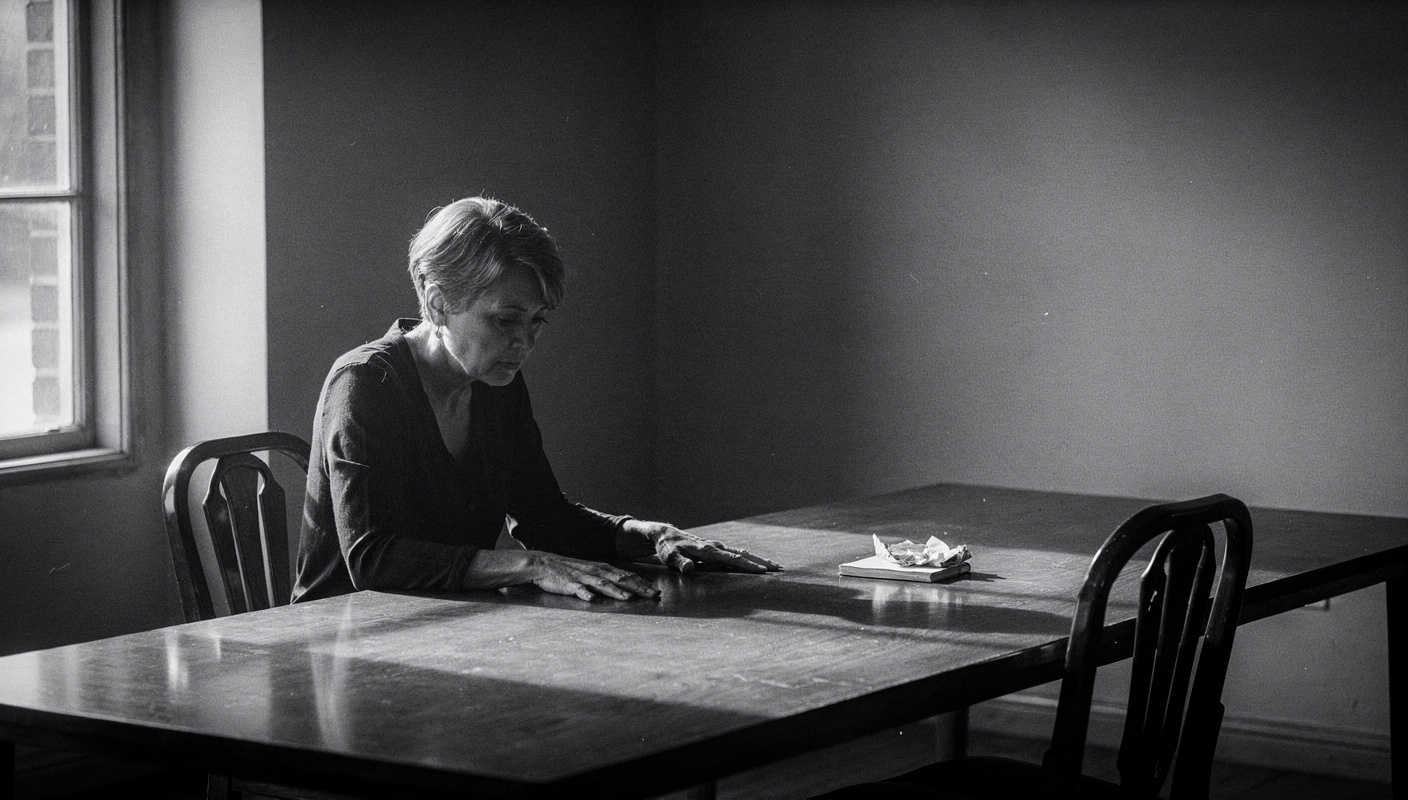
I have watched teams tear themselves apart slowly. Not in a dramatic blowup, not in one terrible meeting, but quietly, over months, in small acts of avoidance and guarded language and emails that say nothing real. By the time anyone named the problem, the damage was deep. That is what chronic workplace tension does. It does not arrive with a bang. It seeps.
This article will help you understand what chronic workplace tension actually is, how it differs from the kind of conflict that surfaces and resolves, and what its presence or absence means for the people inside it.
What Chronic Workplace Tension Actually Looks Like in Practice
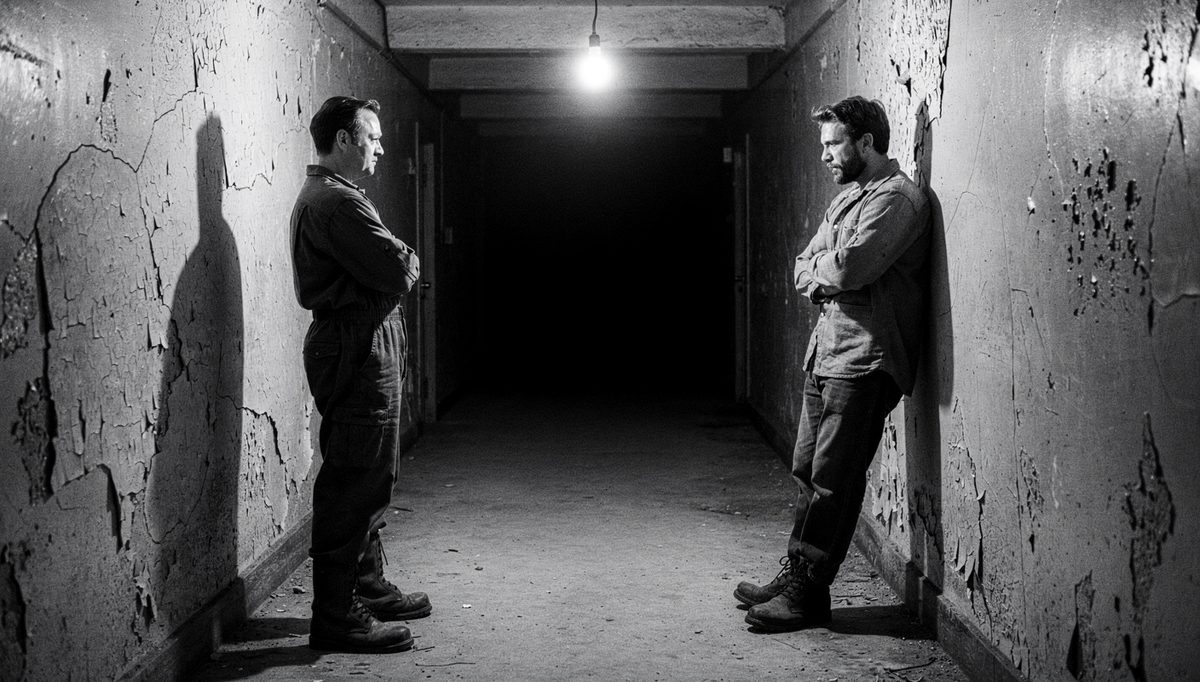
Picture a team that has worked together for two years. They meet every Monday. They are professional, polite, largely productive. But watch closely. Sarah never addresses Marcus directly; she routes everything through the manager. Decisions that should take twenty minutes take three weeks because nobody will commit. The team lead notices the energy drop every time a particular topic comes up, so she stops raising it. Nothing is wrong. Nothing is fine.
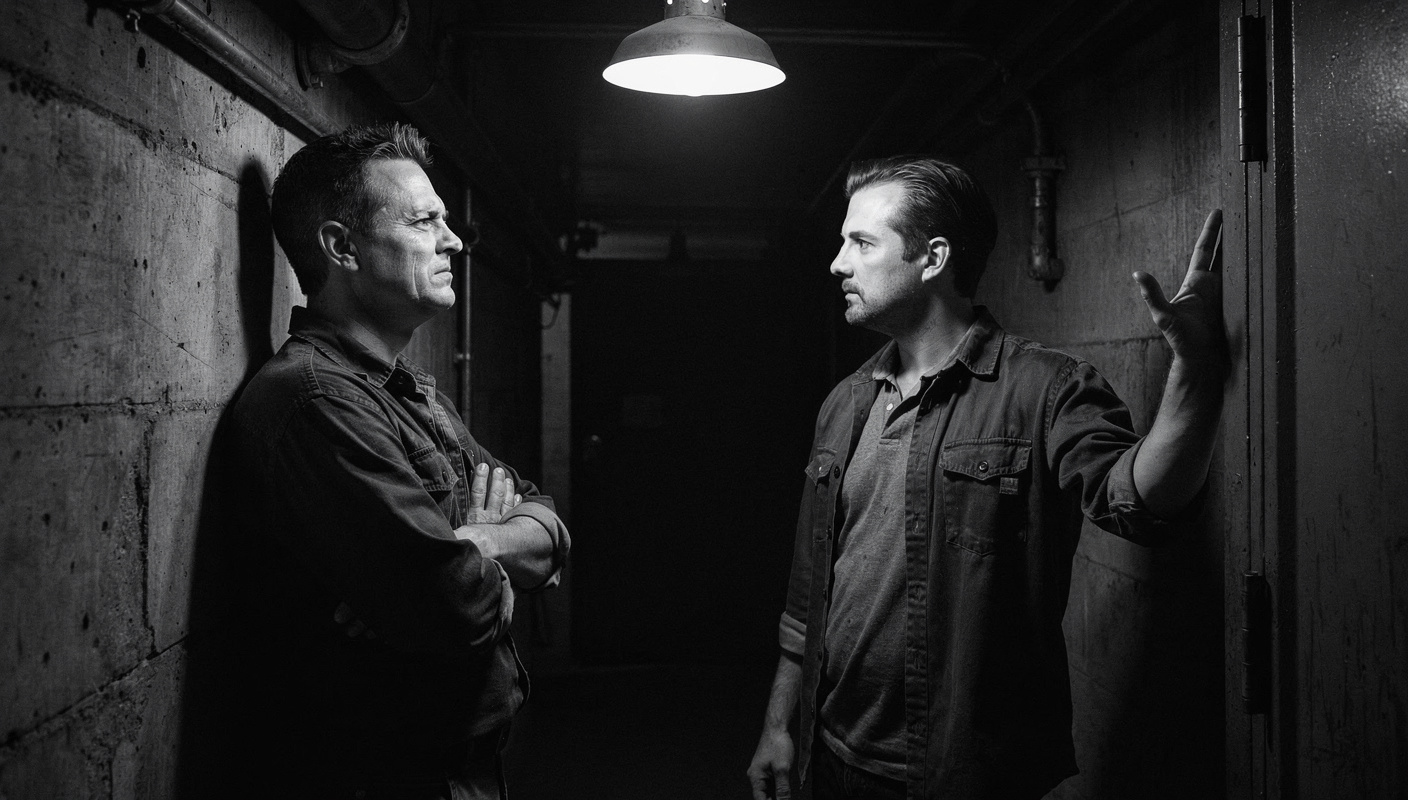
That is chronic workplace tension. It is not a fight. It is the space where a fight never gets to happen, and so nothing ever clears.
The difference from a single conflict episode is critical. An isolated conflict is bounded. It has a beginning, it involves identifiable people, and it can be addressed and closed. Two colleagues disagree sharply over a project decision, the friction surfaces, someone manages the conversation, and the team moves forward. The air clears. The tension management needed is relatively direct: bring the parties together, address the specific issue, rebuild the bridge.
Chronic tension has no clear beginning and no easy end. It is a climate, not a crisis. It accumulates from unmet expectations, unaddressed grievances, unequal treatment, or communication norms that quietly punish honesty. Nobody decided to create it. But everybody is living inside it.
"The Conversation You're Avoiding Is the One You Need to Have."
"The Conversation You're Avoiding
Is the One You Need to Have."
Stop rehearsing conversations you'll never have. Say It Right Every Time gives you 115 word-for-word scripts and 16 proven frameworks to speak with confidence in every conversation that matters.
Where Chronic Tension Lives, and Where Single Conflicts Do Not
A single conflict episode sits on the surface. You can point to it. Chronic workplace tension lives in the spaces between interactions: in who does not speak in a meeting, in the tone that shifts when a certain name comes up, in the way people phrase requests to avoid saying what they actually mean.
This is why it is so easy to miss and so hard to address. Leaders trained to manage conflict often wait for a visible incident to act. But chronic tension rarely produces clean incidents. It produces patterns. Consistently flat meeting energy. Rising absenteeism from one part of the team. Feedback that becomes progressively less honest. A slow retreat from collaboration into siloed, self-protective working.
When you are trying to build team cohesion, as explored in how unmet needs drive team conflict and what to say to restore synergy, the distinction matters enormously. An unmet need that surfaces as an argument can be negotiated. An unmet need that calcifies into resentment becomes something harder: a fixed story about how things are, and a fixed belief that nothing will change.
The Real Cost of Letting Tension Run Unmanaged
Here is the truth of it. Chronic tension does not stay still. It either gets named and addressed, or it grows. Left alone, it changes people. The confident team member who used to challenge ideas stops doing it. The manager who once ran honest retrospectives quietly drops them. People begin to manage around the tension rather than through it, and those workarounds become the new normal.
Trust erodes in a very specific way. It does not vanish overnight. It retreats, increment by increment, every time someone stays quiet when they should have spoken, every time a decision is made without the real conversation, every time someone senses that honesty carries a cost. By the time you notice the trust is gone, it has been leaving for months.
This is also where physical and emotional health begins to suffer. Sustained interpersonal strain at work is not a background nuisance. It is a genuine stressor that accumulates. Understand what the amygdala does under prolonged social threat, as detailed in how the amygdala hijack sabotages feedback conversations and what to do about it, and you begin to understand why chronically tense teams become slower, more defensive, and less able to think clearly under pressure.
Three Misconceptions That Keep Tension in Place
Mistaking Quiet for Resolution
- The false belief: If nobody is arguing, the tension has passed. What is actually happening: Silence is often suppression, not resolution. Chronic tension thrives in teams where raising conflict feels unsafe. The absence of visible disagreement is not evidence of health; it is often evidence that people have stopped trusting the space enough to be honest. The tension has not resolved; it has gone underground.
Treating Every Symptom as a Separate Problem
- The false belief: The missed deadlines, the short emails, the passive energy in meetings are unrelated issues to be handled individually. What is actually happening: They are symptoms of a single sustained condition. Addressing them one by one is like treating a rash without asking what caused it. You may clear the surface briefly, but the underlying inflammation remains. Effective conflict management during meetings depends on recognising when a room full of small problems is actually one large pattern.
Believing Tension Is About Personalities
- The false belief: The tension exists because of who certain people are. Change the people and the tension resolves. What is actually happening: Chronic tension is almost always structural before it is personal. It grows from unclear expectations, inconsistent leadership, reward systems that pit people against each other, or communication norms that suppress honest input. Replace one person without changing the conditions, and the tension finds a new host. The same dynamic re-forms around someone else within months.
Two Scenarios Where the Difference Becomes Clear
Scenario one. A project team has a heated argument in a planning session. Two senior members disagree publicly about the timeline. The manager steps in, runs a structured conversation, both people feel heard, and they reach a workable compromise. Tension spikes and then subsides. Within a week, the team is functioning normally. This is an isolated conflict episode. It hurt briefly and then healed.
Scenario two. That same team, six months later, has stopped challenging the manager's estimates entirely. Nobody argues anymore. Meetings run smoothly. But delivery quality has dropped, and three of the four team members are privately looking for other roles. Nobody can point to a single cause. The planning argument from six months earlier was never fully repaired; it just became the unspoken lesson that disagreement is not worth the cost. Chronic tension now shapes everything, quietly, invisibly, expensively.
Learning to ensure every voice stays present and safe is part of how you prevent scenario two. How to ensure every participant gets heard offers practical tools for exactly that. Psychological safety is not a nice-to-have. It is the ground that chronic tension destroys, first and fastest.
How You Can Recognise It Before It Calcifies
Chronic workplace tension has early signals, if you know what to watch for. You will see consistent avoidance between specific individuals, not always hostile, sometimes almost theatrical in its politeness. You will notice that certain topics stop being raised, not because they are resolved but because raising them has been subtly punished. Feedback quality declines; delivering honest feedback becomes harder when the team's emotional climate is guarded. You will see energy that is flat rather than engaged, and effort that is compliant rather than committed.
The empathy bridge is one of the most useful tools I know for interrupting the cycle before it entrenches. How the empathy bridge technique defuses tension before a difficult workplace conversation starts gives you a practical method for lowering the emotional temperature before you even start the difficult conversation.
And when the tension is occurring in a team already navigating change, the risk compounds. Restructuring and leadership transitions create exactly the conditions where unresolved friction hardens into chronic strain. How to sustain team synergy during leadership transitions and restructuring addresses how to protect team cohesion precisely when the pressure to let things slide is highest.
What Managing It Well Actually Requires
Managing chronic workplace tension is not the same as managing a single conflict. It requires a different lens entirely. You are not solving an argument. You are changing conditions.
That means looking at the communication norms that exist on your team: what gets said, what does not, and what the consequences are for honesty. It means creating structured opportunities for real conversation, not just agenda-driven meetings. It means addressing persistent inequities or broken expectations that have been generating resentment for months. And it means building the skills to have difficult conversations before they become unavoidable, not after.
This much I know for certain. Chronic workplace tension does not resolve itself. The season does not simply change. It responds to deliberate, skilled, courageous communication. Leaders who learn to recognise it early and address the conditions that sustain it protect something that is very hard to rebuild once it is gone: a team that trusts itself enough to be honest.
Frequently Asked Questions (FAQ)
What is chronic workplace tension?
Chronic workplace tension is a persistent pattern of friction, strain, or suppressed conflict that runs beneath everyday team interactions. Unlike a single argument or disagreement, it lingers over weeks or months, quietly eroding trust, communication, and team performance without a clear triggering event.
How does chronic workplace tension differ from normal conflict?
Normal conflict is a single, bounded episode that surfaces, gets addressed, and resolves. Chronic workplace tension is ongoing and often unspoken. It is not about one argument. It is about a sustained undercurrent of unease that shapes how people communicate, collaborate, and show up every day.
What causes chronic workplace tension in teams?
Chronic workplace tension usually builds from unmet expectations, unresolved grievances, persistent power imbalances, or communication patterns that suppress disagreement. It rarely has one cause. It accumulates over time when tension signals go unaddressed and people stop trusting that raising concerns is safe.
What are the signs of chronic workplace tension?
Signs include consistent avoidance between certain team members, meetings where everyone agrees but nothing changes, rising absenteeism, a drop in honest feedback, and low-grade hostility in everyday exchanges. The emotional climate of the team feels guarded, flat, or strained without an obvious reason.
How do you start managing chronic workplace tension?
Start by naming the pattern, not the person. Acknowledge that the tension exists and create a structure for honest conversation. Address the conditions that sustain the friction, including unclear expectations, unequal treatment, and suppressed disagreement, before trying to resolve any single incident within it.
Why does chronic workplace tension go unaddressed for so long?
Because it rarely explodes. It simmers. Leaders often wait for a clear conflict to act, but chronic tension does not look like conflict. It looks like quiet disengagement, guarded language, and polite avoidance. By the time it is obvious, significant relational and performance damage has already been done.