
What Happened
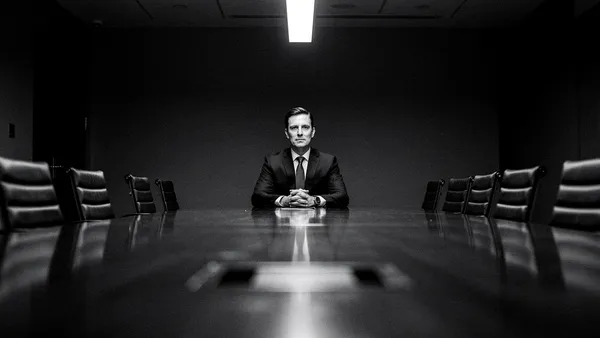
The role of CEO has quietly shifted from boardroom operator to something closer to a media personality. Today's top executives are expected to produce content, build audiences, and speak publicly on issues far beyond their companies' quarterly results. This is not a trend. It is the new baseline for what leadership looks like, and most executives are completely unprepared for it.
The Communication Angle
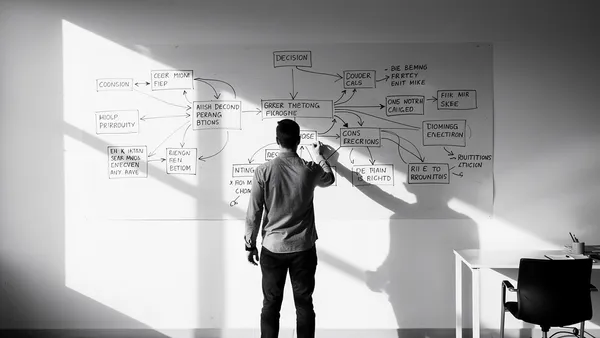
Let's compare two types of CEOs operating right now. The first treats communication as a duty: they appear when required, read from approved scripts, and disappear back into their calendar. The second treats communication as a core business function: they show up consistently, speak in their own voice, and build a following that trusts them before a crisis ever arrives.
The first type is not playing it safe. They are falling behind. Silence is not neutral anymore. When your audience, whether investors, employees, or customers, cannot find your voice, they fill the gap with someone else's narrative. That narrative is rarely flattering.
What the consistent communicators do differently is not complicated. They pick one or two channels and own them. They speak in plain sentences. They connect company decisions to human outcomes rather than financial abstractions. When a CEO says "we cut 200 jobs to improve margin," they lose. When a CEO says "we made a painful decision to protect the 4,000 people who remain," they keep the room. Same fact. Completely different effect.
The executives who struggle with the media platform model make one consistent mistake: they confuse broadcasting with communicating. Posting a polished statement is broadcasting. Answering a hard question in your own words, showing your reasoning, acknowledging what you do not yet know. that is communicating. One builds distance. The other builds trust. Audiences in 2024 are sophisticated enough to know the difference within about thirty seconds.
The CEOs winning this shift have something specific in common. They have a clear, repeatable point of view. Not a brand voice document written by an agency. A genuine perspective they can articulate without preparation on any given Tuesday. That consistency is what turns a media presence into actual influence.
This is exactly the kind of scenario I break down in Say It Right Every Time. The chapter on "Speaking With Authority" gives you a framework for developing a consistent leadership voice that sounds like you, not like a communications committee. The executives who read that chapter stop asking "what should I say?" and start asking "how do I say what I already know to be true?" That is the shift that turns a reluctant communicator into a credible media presence.

Never Be Lost
for Words Again
Get word‑for‑word scripts for the conversations that shape your life, from job interviews and negotiations to difficult talks with family and partners, so you always know exactly what to say and how to say it.
Never Be Lost
for Words Again
Get word‑for‑word scripts for the conversations that shape your life, from job interviews and negotiations to difficult talks with family and partners, so you always know exactly what to say and how to say it.
Key Takeaway
Before your next public statement, press interview, or even internal all-hands, write down one sentence that answers this question: "Why does this decision make life better for the people it affects?" If you cannot write that sentence, you are not ready to communicate. Start there, every single time, and your credibility compounds faster than any media training course will ever deliver.