
What Happened
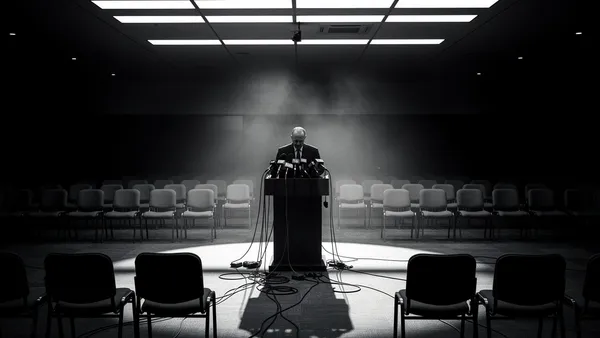
The day after the death of fellow Nollywood entertainer Ogogo, actor Amokade Olatayo (known widely as Ijebu) stepped forward with a public apology directed at colleagues, family members, and anyone else he may have wronged. The timing placed his act of contrition squarely inside a moment of collective grief across the Nigerian entertainment industry. Whether that timing helped or hurt him is the real story.
The Communication Angle
Picture the scene. The entertainment world is processing a loss. Phones are buzzing with condolences. Social media is flooded with tributes. And then, cutting through all of it, one man says: "I am sorry." That is either one of the bravest communication moves you can make, or one of the most tone-deaf. The difference lives entirely in the execution.
Here is my position: apologizing in the shadow of someone else's death is dangerous territory. Not because the apology is wrong, but because the context hijacks the message. When grief is in the room, everything gets filtered through emotion. Your apology stops being about accountability and starts being about optics. People ask: why now? Is this genuine, or is this a man shaken by mortality into a rushed confession?
Ijebu's apology, as broad and sweeping as it appears, suffers from the oldest problem in public communication: vagueness. Apologizing to "colleagues, family members, and others he may have offended" is not an apology. It is a safety net. Real apologies name the offense. They name the person wronged. They name what will change. Without those three elements, you have not apologized. You have performed remorse, and audiences, especially in the social media age, can smell the performance.
That said, I will give him this: the courage to speak publicly matters. Silence after a community death is its own statement. By stepping forward, Ijebu at least signaled awareness and willingness. The instinct was right. The craft was wrong.
The lesson sitting inside this moment is about timing and specificity working together. If a life event shakes you into accountability, do not broadcast a generic apology to the world. Instead, make the specific apologies privately first, then if a public statement serves a genuine purpose, make it concrete and forward-looking. Tell people what you are committing to, not just what you regret.
This is exactly the kind of scenario I break down in Say It Right Every Time. The chapter on high-stakes apologies gives you a framework for structuring accountability statements that actually rebuild trust, rather than just performing it. The distinction between a strategic apology and a genuine one comes down to specificity, and that chapter walks you through the exact language that separates the two.

Never Be Lost
for Words Again
Get word‑for‑word scripts for the conversations that shape your life, from job interviews and negotiations to difficult talks with family and partners, so you always know exactly what to say and how to say it.
Never Be Lost
for Words Again
Get word‑for‑word scripts for the conversations that shape your life, from job interviews and negotiations to difficult talks with family and partners, so you always know exactly what to say and how to say it.
Key Takeaway
Before you issue any apology, public or private, write down three things: the specific action you are apologizing for, the specific person or group harmed, and one concrete behavior you will change going forward. If you cannot fill in all three blanks, you are not ready to apologize yet. Wait until you can. A complete apology delivered a week later lands harder than an incomplete one delivered immediately.