
What Happened
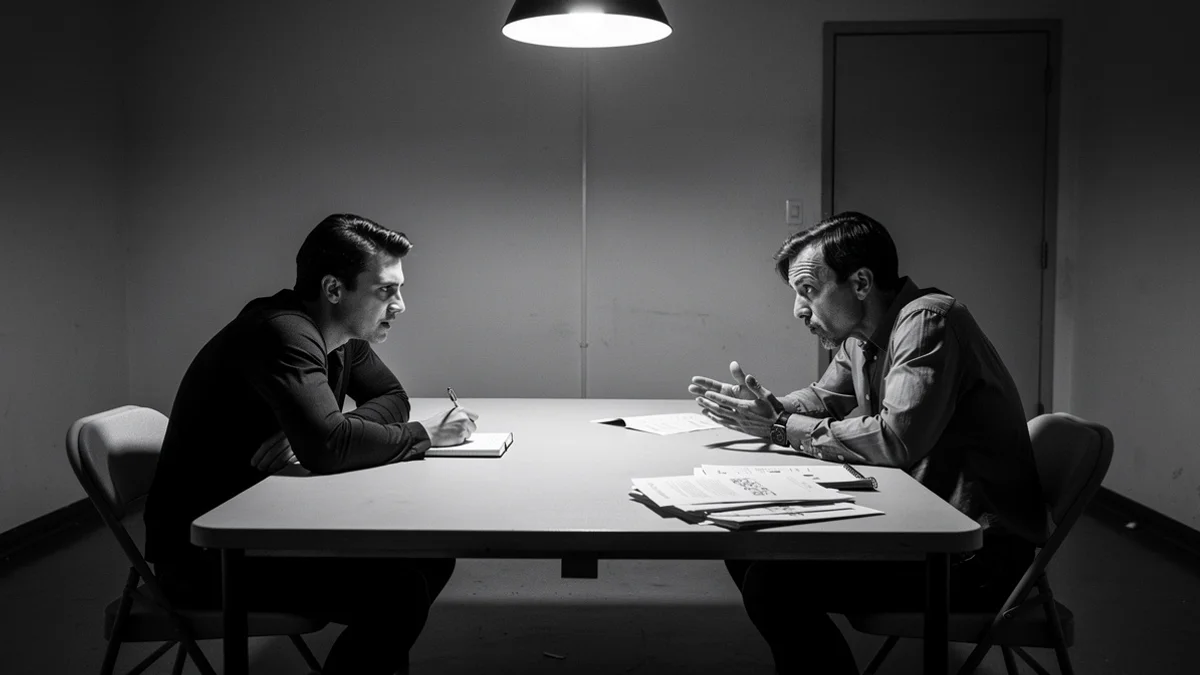
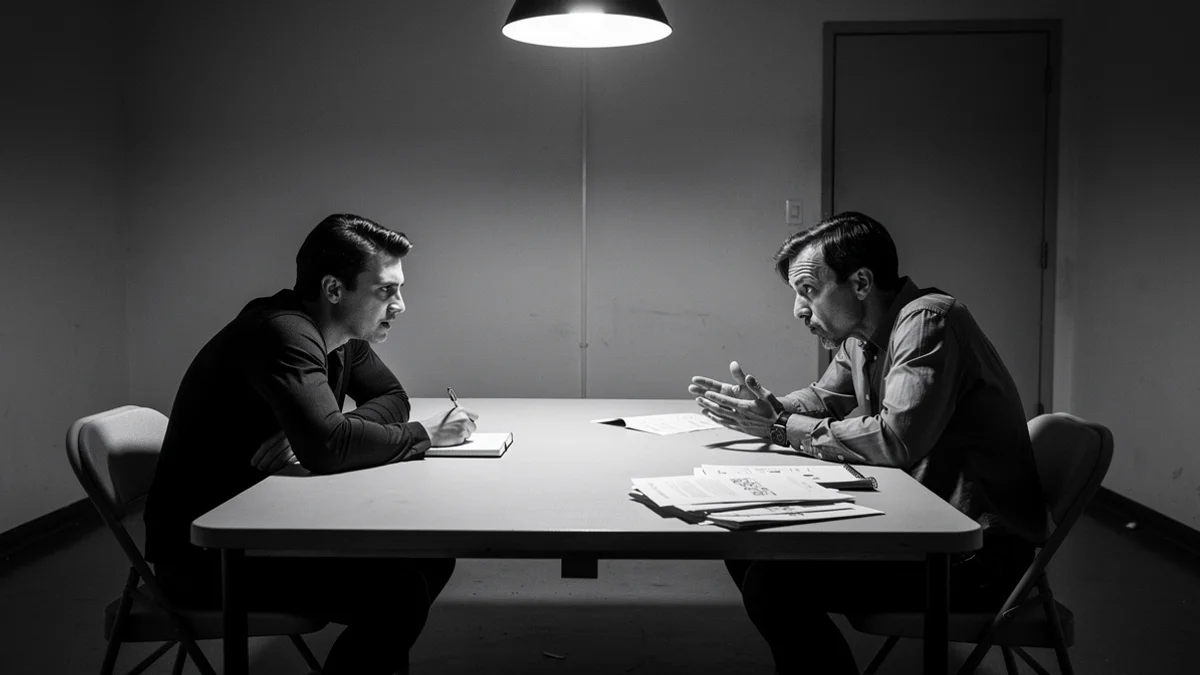
Researchers and science journalists gathered at a conference to confront a problem both sides feel but neither fully owns: public trust in science is eroding, and the communication breakdown between labs and newsrooms is making it worse. The event pushed both groups to see each other as partners rather than adversaries. The core argument was simple. When scientists and journalists stop collaborating, bad information fills the gap.
The Communication Angle
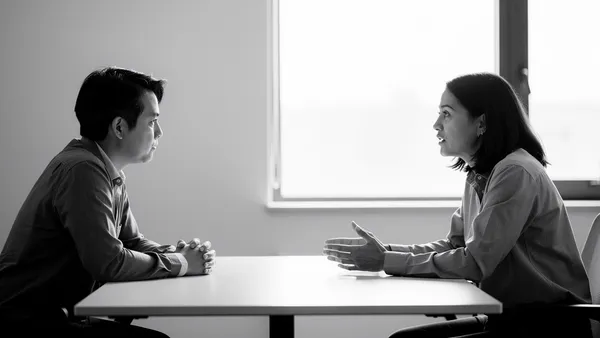
Here is the comparison that matters. On one side, you have scientists who treat journalists like a necessary evil. They brief reluctantly, load their answers with qualifications, and then act shocked when the headline misses the point. On the other side, you have journalists who parachute into complex topics, grab one dramatic quote, and move on before they understand what they actually heard. Both groups think the other is the problem. Both groups are right.
What the conference got right was forcing these two audiences into the same room with a shared problem. That is smart communication design. When you give two groups a common enemy (misinformation, in this case), you redirect the friction away from each other and toward the actual threat. This is not manipulation. It is basic conflict reframing, and it works.
But here is where most conferences like this fail, and likely where this one had its limits too. Talking about collaboration is not the same as practicing it. Scientists need to learn one specific skill: how to give a clean, jargon-free answer to the first question a journalist asks. Not the fifth follow-up. The first one. If your opening answer requires a correction, a caveat, and a three-part definition, you have already lost the story.
Journalists, for their part, need to stop treating scientific uncertainty as a scandal. "We don't know yet" is not a story gap. It is the honest state of most real research. The reporters who cover science well understand this. They translate uncertainty without distorting it. That skill is learnable, but only if scientists give journalists enough access to see how science actually works, not just the polished press release at the end.
The two approaches produce completely different outcomes. The adversarial model gives you viral misinformation and defensive scientists. The collaborative model gives you an informed public and research that survives political pressure. The choice is not complicated. The execution is.
This is exactly the kind of scenario I break down in Say It Right Every Time. The chapter on bridging (the technique of moving from a hostile or confusing question to the answer you actually need to deliver) gives you a framework for staying in control of your message without sounding evasive. Scientists especially need this. You can be honest, precise, and clear all at the same time. You just have to practice the path between those three things before you walk into the room.

Never Be Lost
for Words Again
Get word‑for‑word scripts for the conversations that shape your life, from job interviews and negotiations to difficult talks with family and partners, so you always know exactly what to say and how to say it.
Never Be Lost
for Words Again
Get word‑for‑word scripts for the conversations that shape your life, from job interviews and negotiations to difficult talks with family and partners, so you always know exactly what to say and how to say it.
Key Takeaway
Before your next media interview or public briefing, write down your one-sentence answer to the hardest question you expect to be asked. Not your full explanation. One sentence. If you cannot do it, you are not ready to talk to the public yet. Go back and simplify until you can.