
Skip to content
Illustration for AI Fake Images Are Breaking Trust in Science
Source: Livescience

AI Fake Images Are Breaking Trust in Science

Eamon Blackthorn
By Eamon Blackthorn Author of the best-selling book Say It Right Every Time
3 min read Science & Research
Listen to Story BETA

What Happened

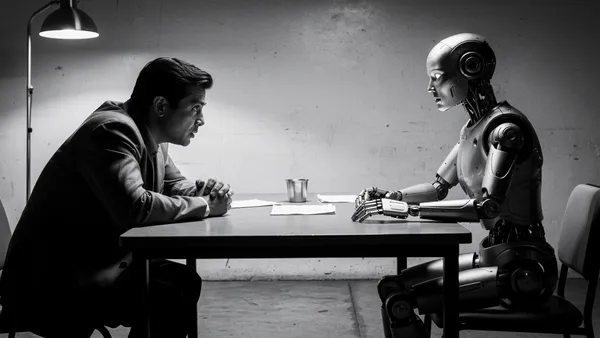
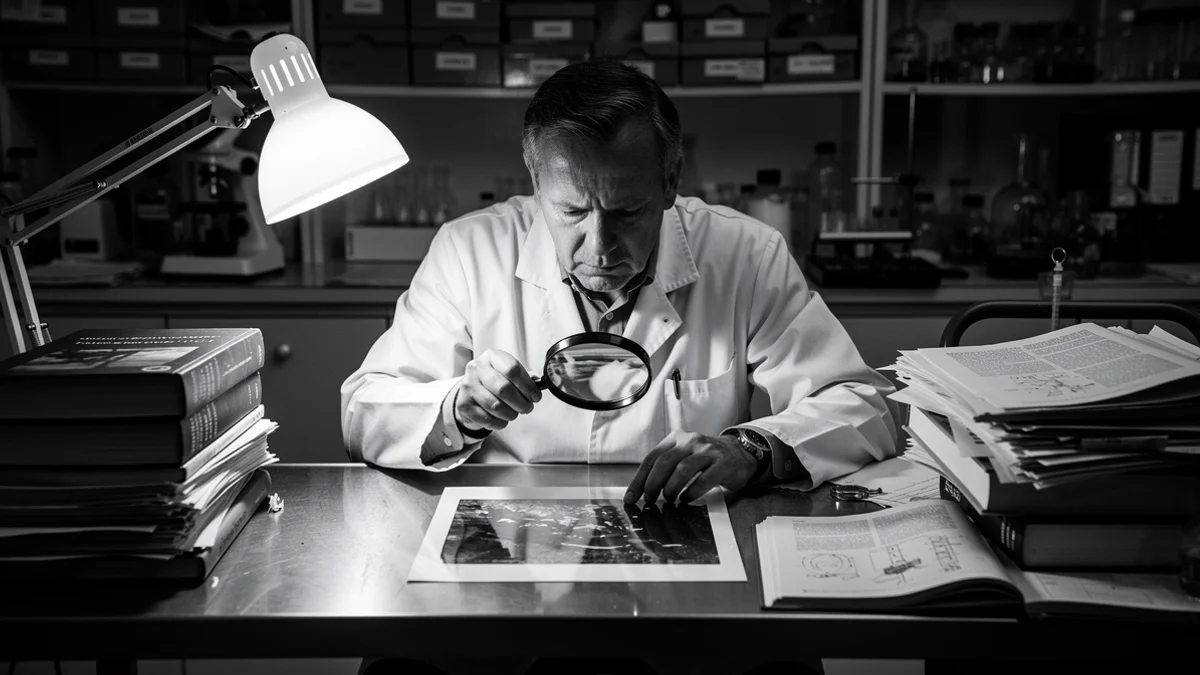
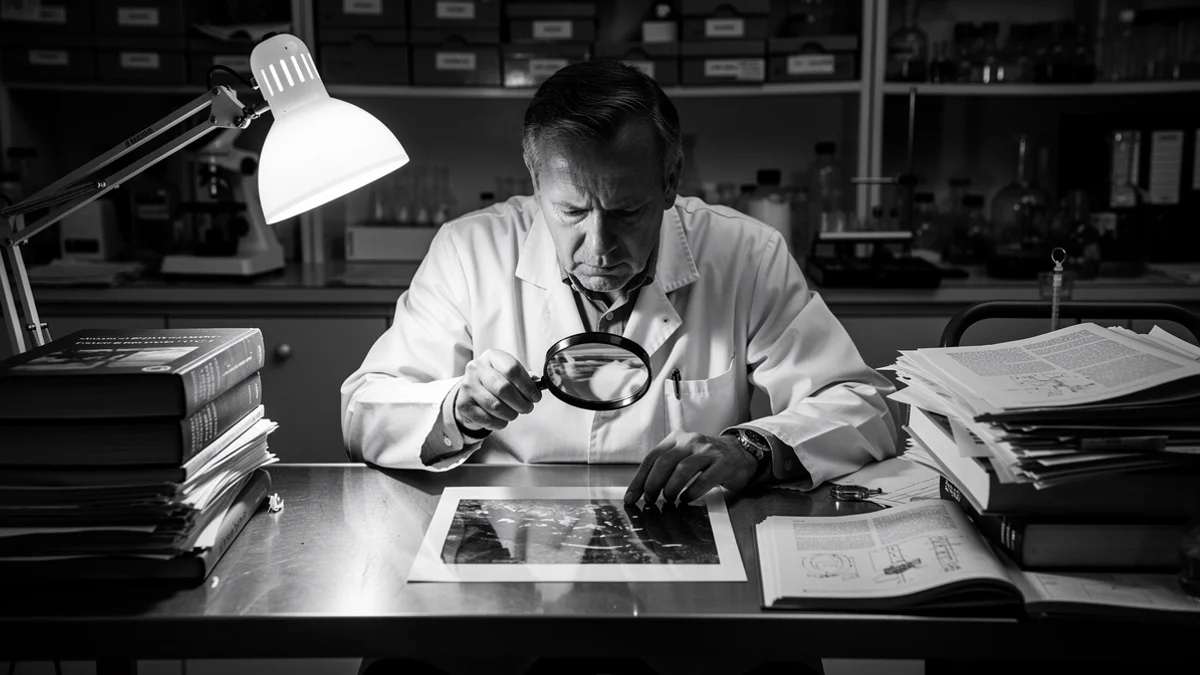
AI-generated images have become sophisticated enough to pass undetected in peer-reviewed scientific journals, with fabricated visuals appearing in published research. This is not a fringe problem. The images look real, the journals are legitimate, and the damage to public trust in science is compounding fast. Scientists and editors are now scrambling to police content they lack the tools to reliably detect.

This is exactly the kind of scenario I break down in Say It Right Every Time. The chapter on building credibility under pressure gives you a framework for communicating trust proactively, before your audience starts doubting you. The core idea is simple: credibility is not something you claim. It is something you demonstrate, step by step, in the structure of what you say. The scientists and journals navigating this AI image crisis would be in a far stronger position right now if they had built that kind of visible, habitual transparency into their communication long before a scandal forced them to.

Say It Right Every Time by Eamon Blackthorn

Never Be Lost
for Words Again

By Eamon Blackthorn

Get word‑for‑word scripts for the conversations that shape your life, from job interviews and negotiations to difficult talks with family and partners, so you always know exactly what to say and how to say it.

Go to Book PageFrom $9.97 USD
PaperbackHardcoverKindleAudiobook
Say It Right Every Time by Eamon Blackthorn

Never Be Lost
for Words Again

By Eamon Blackthorn

Get word‑for‑word scripts for the conversations that shape your life, from job interviews and negotiations to difficult talks with family and partners, so you always know exactly what to say and how to say it.

Go to Book PageFrom $9.97 USD
PaperbackHardcoverKindleAudiobook

Key Takeaway

Before you publish, present, or share any visual evidence in your next report or presentation, add one sentence of explicit sourcing directly next to the image. Not in a footnote. Right there, next to it. "This image was captured by our lab on [date] using [method]." One sentence. It takes ten seconds and it signals to your audience that you are not hiding anything. In a world where everyone is starting to question what is real, that sentence does more work than a paragraph of conclusions.

More in Science & Research

Illustration for Why Cybersecurity Language Fails Ordinary People
Science & Research

Why Cybersecurity Language Fails Ordinary People

Cyberattacks drain trillions from the global economy every year, yet new research reveals that most ordinary people cannot accurately describe what happens during a breach. Associate Professor Sky's work exposes a troubling gap: the cybersecurity industry has flooded the public with technical terminology, words like "phishing" and "breach," without ever ensuring people actually understand them. Familiarity with a word is not the same as understanding it.

Illustration for Science Communication Is the Real Scientific Work
Science & Research

Science Communication Is the Real Scientific Work

Gavi, the Vaccine Alliance, published a piece arguing that science communication is not a sidebar to scientific work. It is the work. The argument is that scientists who cannot explain their findings to the public are leaving their most important job unfinished. This is a position that sounds obvious but is still wildly controversial inside research institutions.

Illustration for What David Attenborough Teaches Us About Trust
Science & Research

What David Attenborough Teaches Us About Trust

Sir David Attenborough recently reached his 100th birthday, a milestone that prompted a global wave of reflection on his decades-long career as a naturalist and broadcaster. He became the face most people associate with wildlife storytelling, not through celebrity, but through sustained presence and earned credibility. His work spans generations of television and has shaped how billions of people think about the planet.

Illustration for Why Personal Stories Win the Organ Donation Argument
Science & Research

Why Personal Stories Win the Organ Donation Argument

In Sudbury, Ontario, a mother whose son underwent an organ transplant partnered with a science communication graduate student to bring their story to Northern MedTalks, a public speaking event at Laurentian University modeled after the TED Talk format. The goal was straightforward: use one family's real experience to move an audience toward thinking differently about organ donation. Personal testimony met structured public communication in front of a live crowd.

Illustration for AI Fake Images Are Breaking Trust in Science

Enjoyed this article?

AI Fake Images Are Breaking Trust in Science

AI-generated images have become sophisticated enough to pass undetected in peer-reviewed scientific journals, with fabricated visuals appearing in published research. This is not a fringe problem. The images look real, the journals are legitimate, and the damage to public trust in science is compounding fast. Scientists and editors are now scrambling to police content they lack the tools to reliably detect.

Share it with someone who needs to hear this.

Share