
What Happened
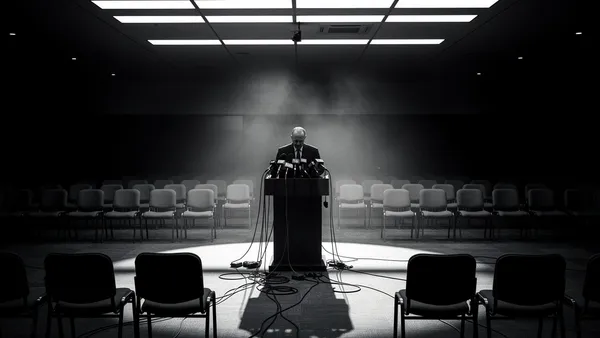
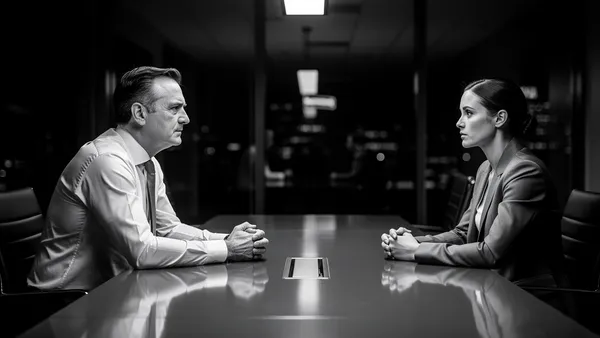
Senior executives frequently talk over, dismiss, or flat-out ignore colleagues with less organizational power. This is not a new problem. What is new is the growing conversation about how professionals can respond effectively in the moment, without torching their careers or surrendering their credibility. The stakes are real: every time you let it happen without a response, you train the room to keep doing it.
The Communication Angle
Here is the question every professional eventually faces: when a senior executive cuts you off or acts like you are invisible, what do you actually say?
Most people freeze. Or they shrink. They tell themselves they will address it later, in private, when the moment is safer. That is a losing strategy. The moment is the message. If you absorb the interruption silently, you have just communicated your rank to everyone in that room, including yourself.
The first thing to understand is that silence reads as acceptance. When you stop talking because someone talked over you, the room logs that as a concession. So the technique that works is not aggressive, but it is firm: you finish your sentence. Not a new sentence. The same one. You lower your voice slightly, you slow down, and you complete the thought you were already expressing. This signals confidence without confrontation. It gives the interrupter a graceful exit while keeping you in the conversation.
The second technique is naming the moment without naming the offense. Something like: "I want to make sure this point lands before we move on." That sentence does three things. It re-centers the room on your contribution. It frames you as someone focused on the work, not on the slight. And it creates a brief pause that forces attention without demanding it. You are not calling anyone out. You are simply refusing to disappear.
The third technique is preparation. Most people go into high-stakes meetings hoping to be heard. That is not a plan. Your plan should be to get your most important point on record in the first two minutes, before the room establishes its power dynamics. Whoever speaks early with clarity sets the frame. If you wait for the perfect opening, the meeting will end before it arrives.
This is exactly the kind of scenario I break down in Say It Right Every Time. The chapter on holding the floor under pressure gives you a framework for what I call "the re-entry": a specific set of phrases designed to bring you back into a conversation after you have been cut off, without sounding defensive or rattled. The goal is always the same: keep your credibility intact while keeping your seat at the table.

Never Be Lost
for Words Again
Get word‑for‑word scripts for the conversations that shape your life, from job interviews and negotiations to difficult talks with family and partners, so you always know exactly what to say and how to say it.
Never Be Lost
for Words Again
Get word‑for‑word scripts for the conversations that shape your life, from job interviews and negotiations to difficult talks with family and partners, so you always know exactly what to say and how to say it.
Key Takeaway
Before your next meeting with senior leaders, identify your single most important point and write one sentence that captures it precisely. Then commit to delivering that sentence in the first five minutes, before the interruptions start. You control the beginning of the conversation more than any other part. Use it.