
What Happened
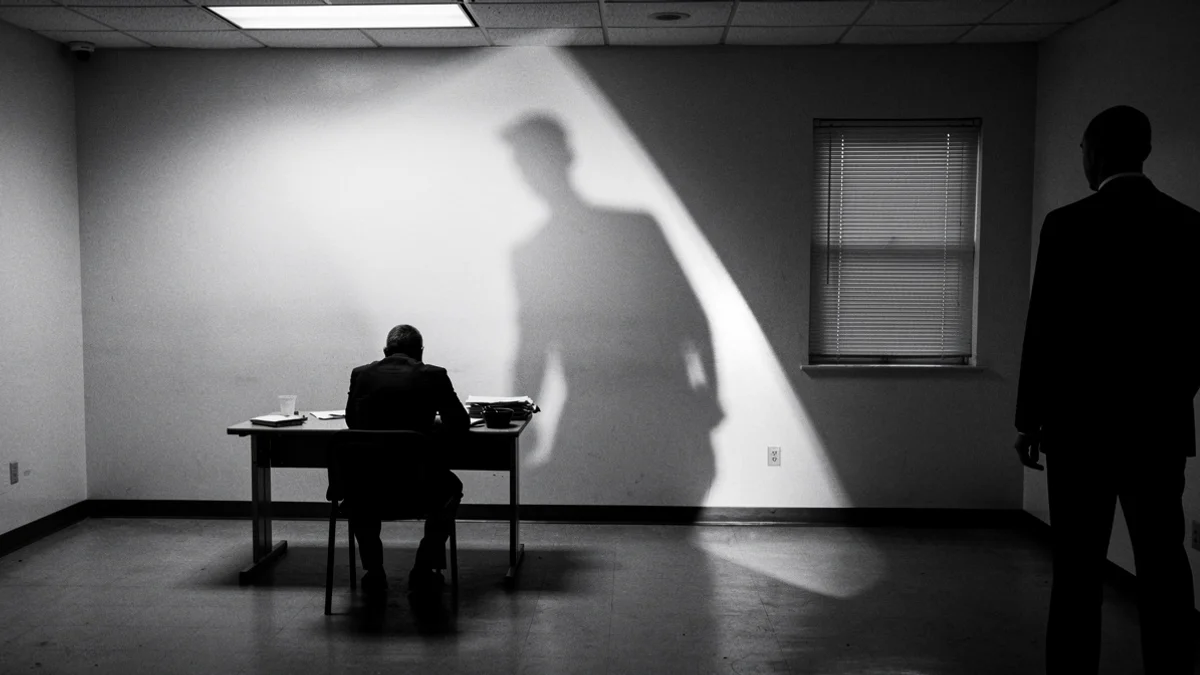
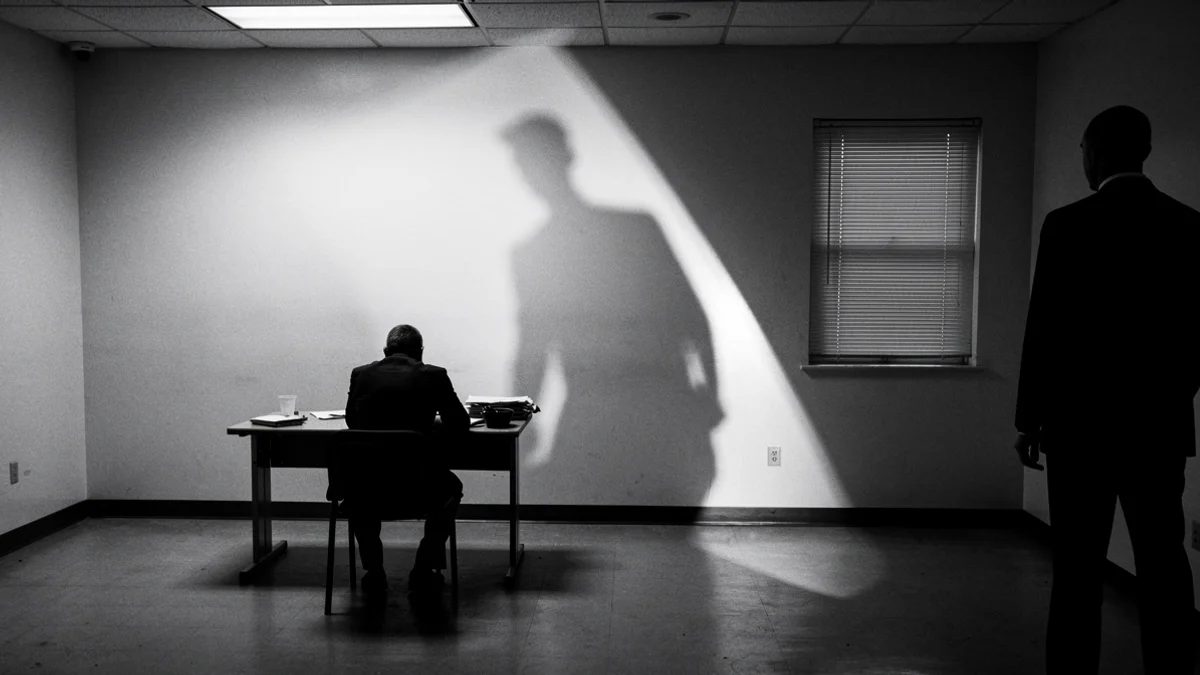
A manager has turned routine check-ins into sprawling 45-minute lectures aimed at an employee whose work record is spotless. No missed deadlines, no client complaints. Yet this manager keeps calling the worker in to discuss their attitude and, most recently, told them to smile more. Now the employee, raising a toddler, is weighing HR versus a job search.
The Communication Angle
Here is what the manager did: scheduled informal "quick chats," monopolized them entirely, and substituted vague behavioral criticism for any actual performance data. That is not feedback. That is a performance of authority. And it fails on every practical level.
Compare that to what a competent manager does in the same situation. If a high-performing employee seems disengaged or flat, you ask one direct question: "Is everything alright? I want to make sure I'm supporting you well." Then you stop talking. You listen. You get information you can actually use. The manager in this story never got there because they were too busy lecturing to notice they had nothing to say.
The "smile more" instruction is where this becomes genuinely harmful. Telling someone to smile more is not feedback. It has no target behavior, no measurable outcome, and no connection to job performance. What it does communicate is this: your face makes me uncomfortable, and your job is to fix that for me. That is not a leadership conversation. That is a personal preference dressed up as a professional standard. Any manager delivering that line has confused their own comfort with organizational need.
The structural failure here is the 45-minute lecture format. Real feedback has a shape: here is the specific behavior, here is the specific impact, here is what I need to see instead, and here is when we check back in. That whole conversation takes eight minutes. When feedback balloons to 45 minutes, it means the speaker has no clear point. They are talking in circles because they never identified what outcome they actually needed before opening their mouth. The employee walks out confused and demoralized, which is exactly the opposite of what feedback is for.
For the employee, the communication move here is to force specificity. In the next conversation, try this: "I want to make sure I'm addressing your concern directly. Can you give me one specific example of the behavior you'd like to see change?" That question is polite, professional, and devastating to a manager who has no real case. Either they produce something concrete and you can work with it, or they cannot, and now you both know it.
This is exactly the kind of scenario I break down in Say It Right Every Time. The chapter on feedback architecture gives you a framework for structuring difficult conversations so that every word you say moves toward a real outcome instead of circling around one. The "smile more" problem is a classic case of what I call feedback without a landing strip. You take off, you fly around, and you never actually touch down on anything the other person can use.

Never Be Lost
for Words Again
Get word‑for‑word scripts for the conversations that shape your life, from job interviews and negotiations to difficult talks with family and partners, so you always know exactly what to say and how to say it.
Never Be Lost
for Words Again
Get word‑for‑word scripts for the conversations that shape your life, from job interviews and negotiations to difficult talks with family and partners, so you always know exactly what to say and how to say it.
Key Takeaway
Before your next feedback conversation, write down two things: the one specific behavior you want to see change, and the one concrete example that proves the current behavior is a problem. If you cannot fill in both blanks, you are not ready to have the conversation. Wait until you can.