
What Happened
Performance reviews remain one of the most dreaded rituals in the workplace. Most managers walk in unprepared, deliver vague praise or criticism, and walk out having changed nothing. A recent piece from Small Business Trends tackled the problem head-on, arguing that reviews fail not because of bad intentions but because of bad communication structure. The piece called for clearer goals, more consistent feedback loops, and a shift away from annual ambushes.
The Communication Angle
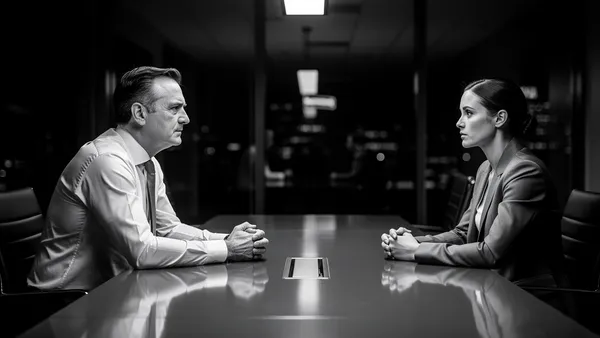
Here is the core problem with most performance reviews: managers treat them as verdicts instead of conversations. They arrive with conclusions already written and spend the meeting delivering them. The employee sits there, receives the judgment, nods, and leaves. Nothing changes. That is not feedback. That is a monologue dressed up as dialogue.
Effective feedback requires a specific structure. You open with observable behavior, not personality. "You missed three deadlines in Q2" lands differently than "you struggle with time management." The first is a fact. The second is a character attack. Facts can be addressed. Character attacks trigger defensiveness, and defensive people do not grow.
The second layer is equally important: sequencing. Most managers bury the real issue under so much positive padding that the employee never hears it. This is the famous "sandwich" method, and it fails for a simple reason. People hear what they expect to hear. If someone is anxious walking into a review, they will filter out the praise and still only absorb the criticism, but now the criticism feels like it was hidden from them. Worse, if the meeting skews positive, they leave confused about the actual problem. Skip the sandwich. Say the hard thing clearly, then say what you both need to do next.
The third layer is ownership. A feedback session that ends without a mutual commitment is just a speech. Before the meeting closes, both parties need to say out loud: what changes, by when, and how you will know it happened. That specificity is what transforms a review from a ritual into a result.
The piece from Small Business Trends gets this directional shift right. The mistake most managers still make is thinking clarity is cruelty. It is not. Vagueness is cruelty. Telling someone "keep up the good work" when their work is actually slipping is a betrayal disguised as kindness.
This is exactly the kind of scenario I break down in Say It Right Every Time. The chapter on high-stakes conversations gives you a framework for separating observation from judgment before you ever open your mouth. That distinction alone will change how your next review lands, for both people in the room.

Never Be Lost
for Words Again
Get word‑for‑word scripts for the conversations that shape your life, from job interviews and negotiations to difficult talks with family and partners, so you always know exactly what to say and how to say it.
Never Be Lost
for Words Again
Get word‑for‑word scripts for the conversations that shape your life, from job interviews and negotiations to difficult talks with family and partners, so you always know exactly what to say and how to say it.
Key Takeaway
Before your next performance review, write down one specific behavior you need to address and one concrete outcome you will both commit to by the end of the meeting. Not a general theme. One behavior. One outcome. Walk in with those two things written on paper and do not leave until both have been spoken aloud and agreed upon.