
In Short
Physical expression mistakes in job interviews and high-stakes meetings can destroy your credibility before you say a single word.
- Avoiding eye contact reads as evasion, even when you are simply thinking.
- Closed posture signals defensiveness, even when you feel engaged.
- Nervous hand habits bleed anxiety into the room and undermine trust.
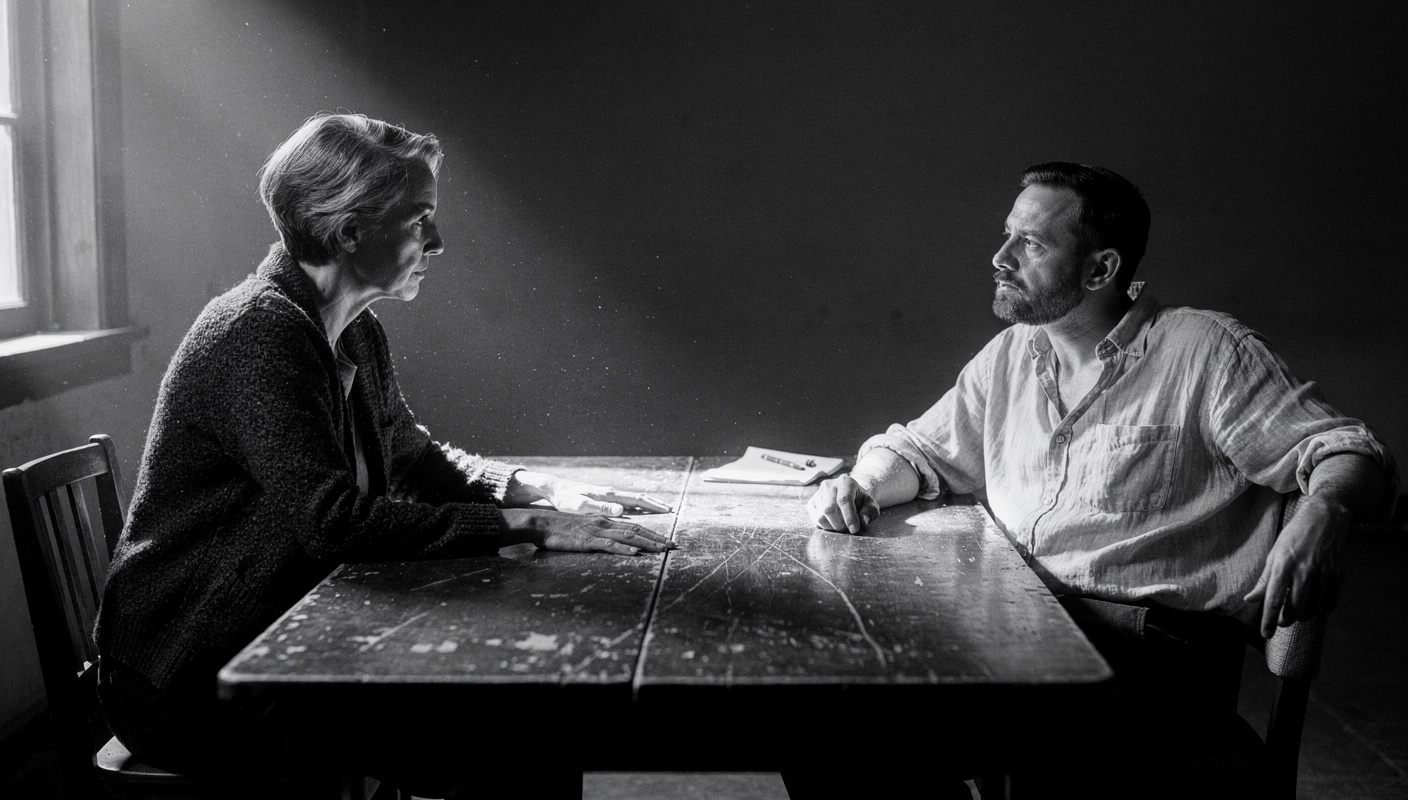
Physical expression mistakes are unintentional body language habits that contradict your spoken message during high-pressure interactions. In job interviews and high-stakes meetings, these nonverbal signals, including posture, eye contact, gestures, and facial expression, shape how people read your confidence and credibility before your words register.
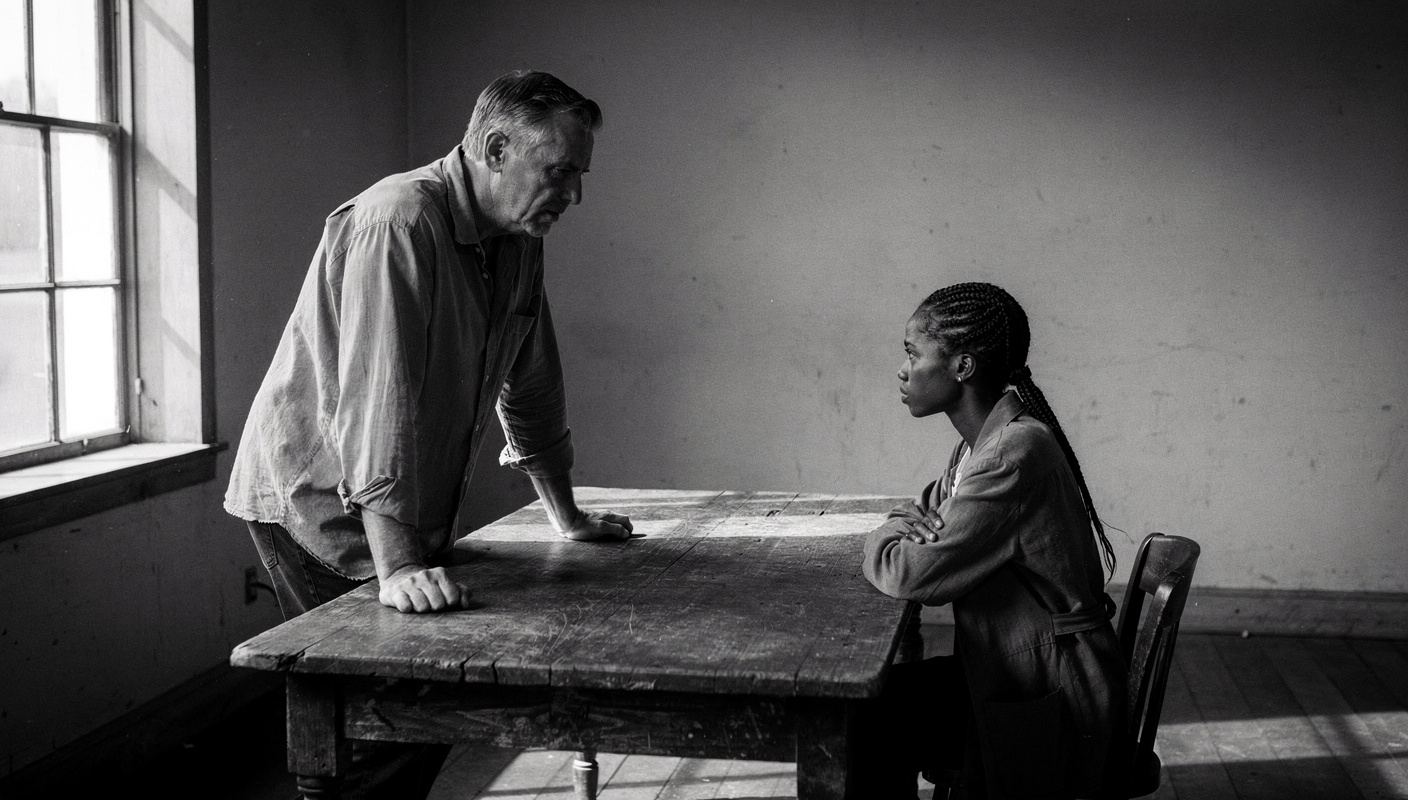
You thought the interview went well. You answered every question. You were prepared. But you did not get the offer, and nobody told you why. I have sat across from enough people in enough rooms to know what likely happened. Your physical expression was working against you the whole time.
The hard truth about physical expression mistakes is that they are invisible to the person making them. You are focused on the words. The person across from you is reading your body. They may not consciously name what they see, but they feel it. And feelings, not logic, drive most hiring decisions and judgements made in high-stakes meetings.
Most people only discover these habits when someone plays back a recording of them. By then, the opportunity is gone. In this article, you will learn to recognise six specific physical expression mistakes and what to do about each one. If you want to understand how physical communication shapes every professional interaction, The Role of Communication in Meeting Success gives you the broader picture.
Why Physical Expression Problems Are So Difficult to Catch
These mistakes are not obvious because they feel normal from the inside. You are not trying to look nervous or closed off. You are concentrating on what to say next. The body does its own thing while your mind is elsewhere, and that is exactly the problem.
Several reasons keep these habits hidden:
- Everyone around you is doing the same thing. If you have spent years in environments where people cross their arms and avoid eye contact during tense conversations, you stop noticing it as unusual. It looks like professionalism. It is not.
- You cannot see yourself. You experience your own voice, your own thoughts, and your own nervousness. You do not see the blank expression you hold while listening or the way your shoulders creep upward under pressure.
- Nerves rewrite your self-perception. When adrenaline is running, your body feels more animated and engaged than it looks. You feel alert. You look rigid.
- The feedback is indirect. Nobody says "your posture cost you this role." They say the fit was not right, or they found someone with more experience. The real cause stays buried.
- Preparation focuses on content, not delivery. You rehearse your answers. You research the company. Almost nobody sits in front of a camera and watches what their body does under pressure.
The first step is knowing what to look for. That is what this article gives you.
"The Conversation You're Avoiding Is the One You Need to Have."
"The Conversation You're Avoiding
Is the One You Need to Have."
Stop rehearsing conversations you'll never have. Say It Right Every Time gives you 115 word-for-word scripts and 16 proven frameworks to speak with confidence in every conversation that matters.
Mistake 1: Eye Contact That Wanders at the Wrong Moments
What it looks like: You look away from the interviewer when you are thinking, when you are uncertain, or when you are listing your achievements. Your gaze drifts up, sideways, or to the table. You make decent contact when you start a sentence, then lose it partway through.
Why it happens: People naturally look away when they are accessing memory or constructing a complex thought. It is a normal cognitive habit. Under pressure, it intensifies because concentration pulls inward.
Why it matters: To the person watching, a gaze that breaks at key moments reads as evasion or lack of conviction. They do not think "they are remembering." They feel "something is off."
What to do about it: Before your next interview, practise answering questions while maintaining eye contact for full sentences before you look away. Do this with a trusted person or record yourself. The goal is not a fixed stare; it is contact that holds through the end of your most important points.
Eamon's note: I once watched a brilliant candidate talk herself out of a senior role in real time, simply because she looked at the ceiling every time she cited her own results.
Mistake 2: Crossed Arms During Critical Moments
What it looks like: You sit with your arms folded across your chest, particularly when you are listening, being challenged, or waiting for a response. You may not even notice you have done it.
Why it happens: Crossed arms are a self-soothing gesture. When you feel exposed or uncertain, your body moves to protect its core. It is not defiance. It is comfort-seeking.
Why it matters: Closed posture signals defensiveness and disengagement to the person watching, regardless of your intention. In a high-stakes feedback conversation or a job interview, it tells the other person you are not open to them.
What to do about it: Rest your hands on the table or on your knees, palms loosely open. This is not about performance; it is about replacing an unhelpful habit with a neutral one. Practise this in low-pressure meetings first, so it becomes automatic before the stakes rise.
Eamon's note: The arms crossed, the deal lost. I have seen it end negotiations that were almost won.
Mistake 3: Nodding on Autopilot
What it looks like: You nod continuously and rhythmically while the other person speaks. Your head bobs like a metronome, regardless of what is being said. It looks mechanical, not attentive.
Why it happens: People learn early that nodding signals agreement and engagement. Under pressure, the habit runs on a loop because it feels safer than stillness. Most people have no idea how often they do it until they watch a recording.
Why it matters: This is the counterintuitive one. Constant nodding does not communicate attentiveness; it communicates anxiety. Interviewers and senior colleagues read it as a tell: this person is nervous and performing engagement rather than feeling it. It erodes the sense of composed confidence you are trying to project.
What to do about it: Replace automatic nodding with deliberate, spaced responses. Nod once when you genuinely agree or understand. Then hold still. Stillness reads as strength. It takes practice, but it transforms how people experience your presence. For more on how attentiveness shapes group dynamics, read How to Ensure Every Participant Gets Heard.
Eamon's note: Stillness is one of the most underrated communication tools I have ever learned to use.
Mistake 4: Gestures That Have Nothing to Do With Your Words
What it looks like: Your hands move constantly but without purpose, tapping the table, touching your face, adjusting your hair, or making vague circular motions in the air. The gestures do not illustrate what you are saying; they just fill space.
Why it happens: Nervous energy needs somewhere to go. Without a conscious decision about what to do with your hands, they find their own occupation. This is especially common when people have rehearsed their words but not their physical presence.
Why it matters: Purposeless movement draws attention away from your message and toward your discomfort. It makes you look unmoored. In leadership contexts, it signals that you have not yet earned your own authority in the room. How Leaders Can Model Effective Feedback Behavior addresses this connection between physical composure and perceived authority directly.
What to do about it: Decide in advance where your hands will rest when you are not using them. Flat on the table or resting on your knees are both fine. When you want to emphasise a point, use a single deliberate gesture. Then return your hands to rest. Rehearse this before the interview, not just the words.
Eamon's note: The hands tell the truth when the voice is doing its best to lie.
Mistake 5: Shrinking Your Physical Presence in the Seat
What it looks like: You sit with your shoulders rounded forward, your spine curved, and your body pulled inward. You may be perched on the edge of the chair as if ready to leave. You take up as little space as possible.
Why it happens: This is what deference looks like in the body. When people feel intimidated by a room, a panel, or the weight of what is at stake, the body physically retreats. It is a deep instinct, and it happens fast.
Why it matters: Compressed posture consistently reads as low confidence and low status, two things you absolutely cannot afford in a job interview or a critical meeting. It costs you the room before you open your mouth.
What to do about it: Sit with both feet flat on the floor, your spine upright but not rigid, and your shoulders back and relaxed. Take the full chair. This is not arrogance; it is the physical posture of someone who belongs in the room. Practise it at your desk until it feels unremarkable. When you need to navigate dominant voices in a discussion, your seated presence is your first line of ground.
Eamon's note: The body you bring into the room votes on the outcome before you do.
Mistake 6: A Face That Goes Blank While Listening
What it looks like: When the interviewer or colleague is speaking, your face becomes neutral to the point of expressionless. You are listening intently, but your face has gone still in a way that reads as cold, disengaged, or bored.
Why it happens: Many people, particularly those who were taught to control emotional reactions in professional settings, hold their faces very still when concentrating. They think it looks composed. To the speaker, it looks like disinterest.
Why it matters: A blank face during conversation breaks connection. Interviewers are not only assessing your answers; they are deciding whether they want to work with you every day. A face that gives nothing back makes that decision harder to make in your favour. This dynamic becomes even more charged when conflict arises during a meeting and your reactions are being read carefully.
What to do about it: Allow small, genuine reactions to register on your face while listening: a slight nod of understanding, a brief expression of interest, a natural shift in your brow. You are not performing enthusiasm; you are allowing real engagement to show. For complex high-stakes conversations, read Advanced Feedback Techniques for how nuanced physical responses affect psychological dynamics.
Eamon's note: I spent years confusing composure with blankness, and it cost me more rooms than I care to count.
The Pattern Behind These Physical Expression Mistakes
These mistakes rarely appear in isolation. When you see one, you usually find two or three others sitting alongside it. That is not coincidence; that is a pattern with a single root.
The central cause is unmanaged nervous energy. When the stakes rise, adrenaline floods the body and the nervous system goes into protective mode. Without a practiced physical framework to channel that energy, it leaks through every available outlet: wandering eyes, restless hands, shrinking posture, a face that locks up. The body is not betraying you; it is responding without instruction.
A second pattern is the preparation gap. Most people prepare intensively for the verbal content of an interview or high-stakes meeting. They rehearse answers, anticipate questions, and research the room. Almost none of them rehearse what their body does under pressure. They are fluent in the words and illiterate in the physical delivery.
A third pattern is mirror blindness. We cannot see ourselves from the outside. Without a recording, a trusted observer, or a structured rehearsal process, the physical habits that undermine us remain invisible. We feel engaged; we look checked out. We feel confident; we look closed.
Fix the root and most of the symptoms resolve. The root is always the same: practise the body as deliberately as you practise the words.
Your Diagnostic Checklist
Use this checklist to assess where you currently stand before your next high-stakes interaction.
- My eye contact holds steady through the end of my key sentences, not just at the start.
- I do not cross my arms when I am being questioned or challenged.
- My nodding is deliberate and spaced, not continuous and automatic.
- My hands have a resting position I have chosen and practised.
- I do not touch my face or hair during professional conversations.
- I sit with my full spine upright, shoulders back, and both feet on the floor.
- My facial expression visibly responds to what the other person is saying.
- I have watched a recording of myself speaking under pressure in the last month.
- I am not perched on the edge of my seat during difficult conversations.
- My gestures support what I am saying rather than running independently.
- I feel grounded and still during pauses rather than filling them with movement.
- I have rehearsed my physical presence, not just my verbal content, before a high-stakes meeting.
If you checked three or fewer items, your physical presence is already working for you. Focus on the one or two items you missed. If you checked four to eight, prioritise the highest-impact items: eye contact, posture, and hand placement. If you checked nine or more, your physical expression is actively undermining your message and needs immediate, structured attention.
How to Start Fixing Physical Expression Mistakes
Diagnosis without action is just worry. Here is where to start.
Record yourself on camera. Set up your phone, answer three likely interview questions out loud, and watch the recording back with the sound off. You will see things that will surprise you. Note the specific habits: where your eyes go, what your hands do, whether your posture opens or closes. This is the most important single step you can take this week.
Choose one physical habit to correct. Do not try to fix everything at once. Pick the mistake that shows up most in your recording. Spend one week practising the correction in low-stakes situations: regular meetings, phone calls, daily conversations. Build the new habit in easy terrain before you need it in difficult terrain.
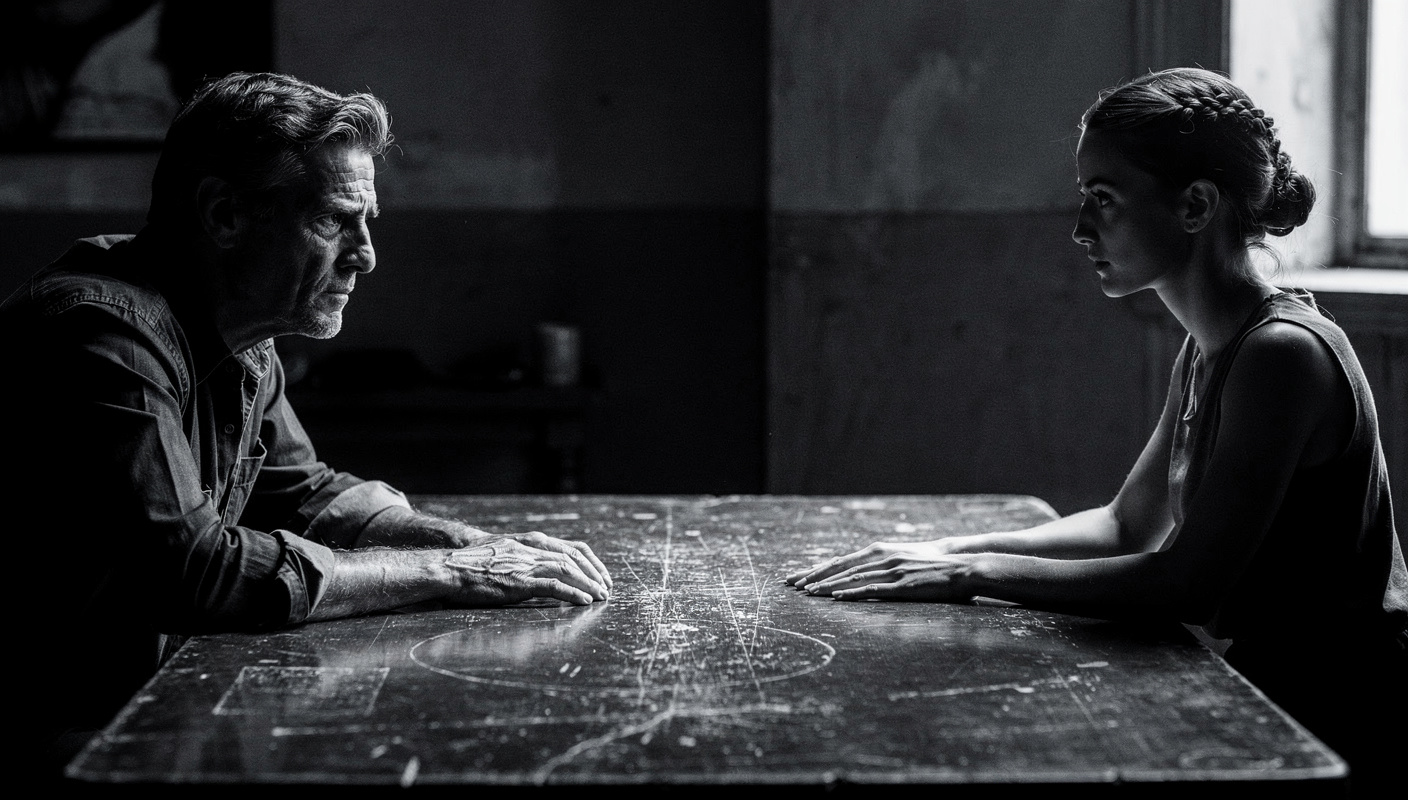
Practise stillness as a skill. Sit upright with your hands resting and your face engaged for two minutes without adjusting, fidgeting, or touching your face. This feels strange at first. It looks like composed confidence to everyone watching. Repeat this daily until stillness becomes your default under pressure.
Rehearse with a trusted observer. Ask someone you respect to watch you answer questions and give you direct feedback only on your physical expression, not your content. This is uncomfortable. It is also the fastest way to close the gap between how you feel and how you appear.
For a deeper understanding of how physical communication affects the full meeting dynamic, The Role of Communication in Meeting Success gives you a complete framework to build from.
Summary
You can now see what most people never notice until the damage is done. Physical expression mistakes are not character flaws; they are habits. Habits can be changed with practice and clear direction.
- Your body speaks before your words do, and in high-stakes rooms, it often speaks louder.
- The most damaging physical expression mistakes are invisible from the inside and obvious from the outside.
- Nervous energy does not disappear; it either leaks through bad habits or gets channelled through practiced ones.
- Stillness, open posture, and steady eye contact are skills, not personality traits.
- Recording yourself is the single fastest way to close the gap between how you feel and how you appear.
- One week of deliberate practice on one specific habit will produce a visible change before your next critical conversation.
For the full context of how physical presence connects to spoken communication and group dynamics, read How to Deal with Dominant Voices in a Discussion and How to Handle Conflict During Meetings. Both articles address the moments when physical expression is under the greatest pressure.
Correcting physical expression mistakes is not about becoming someone else. It is about making sure that the competent, prepared person you already are actually shows up in the room.
Frequently Asked Questions (FAQ)
What are the most common physical expression mistakes in job interviews?
The most common physical expression mistakes include avoiding eye contact, crossing your arms, fidgeting with objects, and slouching in your seat. Each of these signals discomfort or disengagement, even when your words are confident. Most people make these errors without realising it.
How do physical expression mistakes affect your credibility in meetings?
Physical expression mistakes create a gap between what you say and what people feel. When your posture is closed, your gestures are erratic, or your gaze drifts, people register unease even if they cannot name it. Credibility is built as much through your body as through your words.
Can you correct physical expression mistakes before a high-stakes meeting?
Yes. Most physical expression mistakes respond quickly to deliberate practice. Record yourself speaking for two minutes, watch it back without sound, and identify the specific habits that undermine your presence. Targeted rehearsal over a week can produce a visible difference before your next critical conversation.
Why do people make physical expression mistakes when they are nervous?
Nervous energy has to go somewhere. Without a conscious outlet, it leaks through your hands, your posture, your face, and your gaze. The body defaults to self-protective gestures under pressure, which often read as defensive or disengaged to the person watching you.
What does good physical expression look like in a job interview?
Good physical expression in a job interview means steady eye contact, open posture, controlled gestures that support your words, and a relaxed but upright seated position. It means your body confirms rather than contradicts what you are saying. Stillness, when practised, projects confidence.
How can I practice physical expression skills before an interview?
Record a two-minute answer to a likely interview question and watch it back with the sound off. Note where your eyes go, what your hands do, and whether your posture opens or closes. Practise the same answer again with specific corrections, then record once more to compare.